
Most couples know that arguments are a normal part of being together. What’s less understood is that certain words, once spoken in the heat of a fight, don’t simply fade away after the tension breaks. They settle into the relationship like a splinter just beneath the skin – invisible on the surface, but persistently felt.
Hurtful words sometimes slip out before you can catch them, but usually there is a slight moment of introspection between when you take aim and when the words leave your mouth. In those tiny moments, it pays to check your words for critical injury potential, because some phrases are extremely difficult to remedy after they’ve landed. These are the ten that therapists consistently point to as the hardest to walk back.
1. "I Want a Divorce"
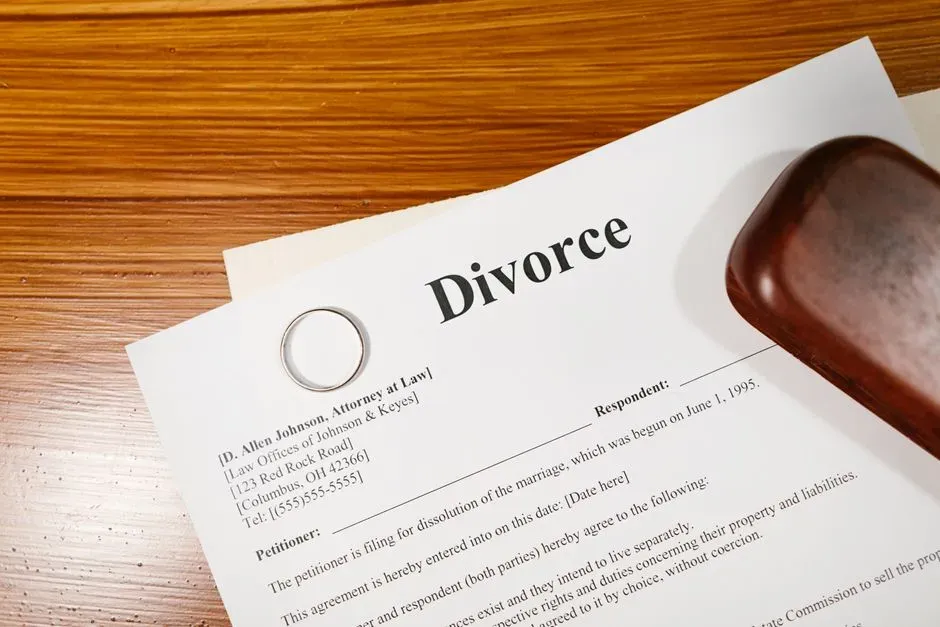
1. "I Want a Divorce" (Image Credits: Pexels)
There’s a painful paradox at work here: people often say “I want a divorce” because they’re desperate to be heard, but the threat itself makes real communication nearly impossible. The original issue gets lost, replaced by a far more disorienting question: “Do they really want out?” What started as an expression of frustration becomes a statement your partner can’t unhear.
In most cases, people who say “I want a divorce” in the heat of an argument don’t mean it literally. Instead, the phrase tends to come from a place of emotional overload – essentially saying, “I’m so dysregulated I don’t know how else to get you to see how hurt I am.” The problem is that your partner has no way of knowing that in the moment, and the damage lands regardless of your intent.
2. "I Never Loved You"

2. "I Never Loved You" (Image Credits: Unsplash)
Few statements cut deeper than a blanket denial of the love that built the relationship. Such statements can inflict deep emotional pain and damage trust. They discount every moment you’ve shared together as a total loss, which can be devastating for the other person and create a profound sense of worthlessness. It’s a declaration that rewrites the history of the relationship in one brutal sentence.
Even if you later apologize, your partner will still believe that you meant it – you said it, so you had to have thought it. If you really go for the jugular and attack things from the past, your partner may never fully forgive you. The retroactive quality of this phrase is what makes it so uniquely corrosive: it doesn’t just wound the present, it contaminates the past.
3. "You're Just Like Your Mother/Father"

3. "You're Just Like Your Mother/Father" (Image Credits: Unsplash)
Comparing a partner to a parent they have a complicated or painful relationship with is something therapists hear about again and again in couples sessions. Generalizations like this feel unfairly accusatory and highly dismissive. They make the other person feel misunderstood and judged, which sparks immediate defensiveness but also hinders open communication in the long term, ultimately damaging the relationship.
This particular phrase carries an extra layer of harm because it targets identity, not behavior. It implies that your partner is trapped, unchangeable, and fundamentally flawed by inheritance. It functions as an ad hominem attack, going straight to the core of their character. In effect, you are dismantling their whole being. Very few statements feel more like a verdict than this one.
4. Threats to Leave or Abandon the Relationship

4. Threats to Leave or Abandon the Relationship (Image Credits: Unsplash)
Threatening the love at the heart of the relationship can cause fear and deep insecurity. Such statements lead to anxiety about the future and destabilize the very foundation of who you are as a couple. Using departure as a weapon in an argument shifts the entire dynamic from problem-solving to survival mode – and once a partner begins operating from a place of fear, trust quietly starts to erode.
When one partner threatens to end the relationship if the other disagrees or sets a boundary, it becomes a form of emotional control, whether that was the intention or not. The pattern becomes self-reinforcing: the threatened partner grows more anxious, the threatening partner gains leverage they never intended to hold, and the relationship’s sense of safety takes a hit it may never fully recover from.
5. "You're Worthless" or Direct Name-Calling

5. "You're Worthless" or Direct Name-Calling (Image Credits: Pexels)
Personal insults erode self-esteem and trust in the relationship. According to Dr. John Gottman, a leading researcher in relationship dynamics, criticism is one of the “Four Horsemen of the Apocalypse” in relationships – a set of communication patterns that reliably predict serious relational damage over time. Name-calling sits at the harshest end of that spectrum.
Verbal abuse is a potent force that chips away at a person’s self-esteem. Continuous exposure to hurtful words, belittling remarks, and demeaning language can slowly erode one’s sense of self-worth and confidence. When this kind of language surfaces during a fight, even once, it plants a seed of doubt in the receiving partner about whether they are genuinely respected.
6. Weaponizing a Shared Secret or Vulnerability
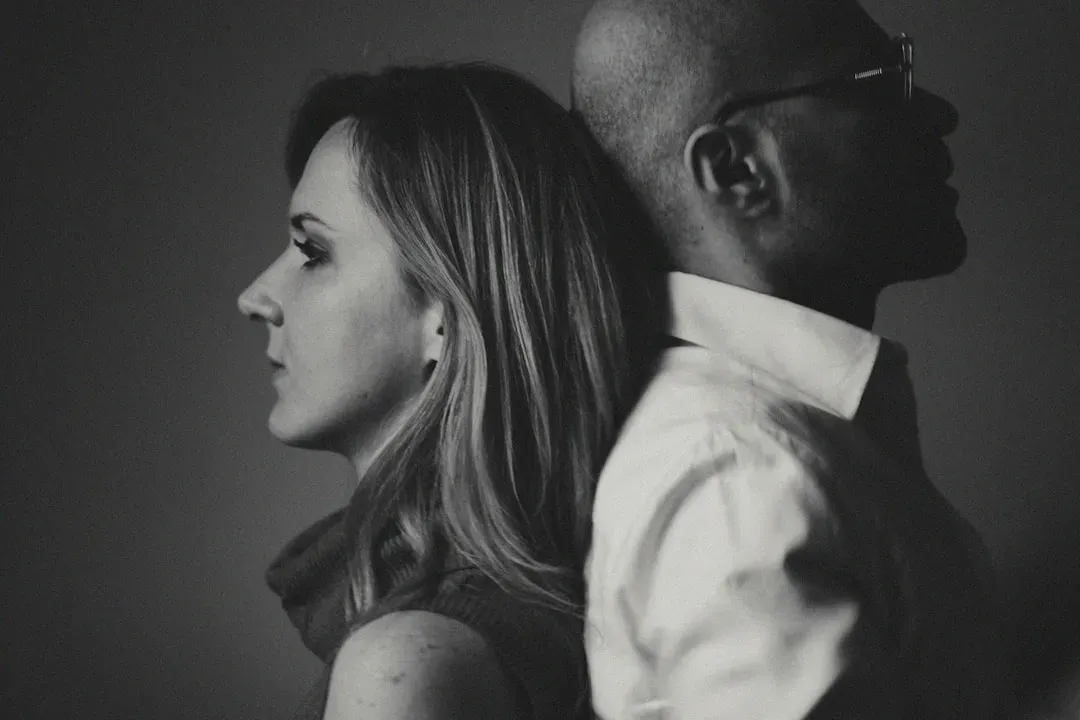
6. Weaponizing a Shared Secret or Vulnerability (Image Credits: Unsplash)
Intimate relationships require vulnerability. Partners share things they’ve told no one else, sometimes about their past, their fears, or their deepest insecurities. When that information gets thrown back at them in anger, the betrayal goes far beyond the argument itself. Hurtful communication often emerges within close relational contexts, where individuals have developed emotional intimacy and shared personal information, making them more vulnerable to perceived offenses.
The effects of hurtful language can be particularly devastating in relationships. Whether delivered in moments of anger, frustration, or indifference, hurtful words can cause irreparable damage to the bonds of trust and intimacy. Over time, a pattern of painful communication can erode the foundation of even the most robust relationships, leading to resentment, withdrawal, and emotional distance. Using a vulnerability as ammunition destroys not just trust, but the very willingness to be open again.
7. "Everyone Agrees With Me – Even Your Own Family"

7. "Everyone Agrees With Me – Even Your Own Family" (Image Credits: Pexels)
Invoking outside allies during a heated argument is a tactic that relationship therapists flag repeatedly. It’s designed to isolate the receiving partner and make them feel outnumbered, and it almost always backfires. Criticizing your partner in comparison to others is damaging and disrespectful. It erodes self-esteem and creates a sense of competition, rather than fostering a supportive partnership.
Bringing in third parties – real or imagined – changes the fight from a private disagreement into something that feels public and humiliating. It signals not just disagreement, but a broader judgment of the person’s character. Once your partner suspects their worth is being discussed with family or friends, rebuilding a sense of privacy and safety in the relationship becomes genuinely difficult.
8. Contempt Disguised as a Joke

8. Contempt Disguised as a Joke (Image Credits: Pexels)
Contempt is the single strongest predictor of divorce, more powerful than criticism, defensiveness, or stonewalling alone. Research found that the ratio of positive to negative interactions during conflict needed to be at least 5:1 for relationships to remain stable. Contempt doesn’t always arrive as an outright insult. Sometimes it shows up as a sarcastic eye-roll, a dismissive laugh, or a cutting remark framed as humor.
What makes contempt so damaging is that it removes respect from the interaction. Without respect, it’s very difficult to repair anything, and even small issues start to feel loaded. The partner on the receiving end of contemptuous “jokes” learns, over time, that their feelings and ideas are not taken seriously – and that lesson reshapes how they show up in the relationship going forward.
9. "I've Always Regretted Being With You"

9. "I've Always Regretted Being With You" (Image Credits: Pexels)
Broad, sweeping statements of regret are among the phrases that linger longest after a fight because they reframe the entire arc of the relationship as a mistake. Remarks like these are said in anger, and some people believe that’s when the truth comes out – making it doubly difficult to take back when you’ve calmed down. The perception that anger reveals hidden truth is itself a major reason these words stick so deeply.
Mean and nasty criticism of a partner, said out of anger with an intention simply to hurt, can permanently damage the relationship and very possibly end it for good. Even when both partners know the statement came from a place of frustration, the image of the person saying it – meaning it, even briefly – is impossible to fully erase. Regret, once verbalized, becomes a reference point in every future conflict.
10. "You're Crazy" or Dismissing a Partner's Reality

10. "You're Crazy" or Dismissing a Partner's Reality (Image Credits: Pexels)
Invalidating a partner’s feelings leads to resentment and frustration. It dismisses their emotions and experiences, making them feel unheard and undervalued. Telling someone their emotional response is irrational or a sign of mental instability is one of the most effective ways to shut down honest communication – and one of the most lasting ways to damage it.
Hurtful words during conflict are prefrontal cortex failures, not character failures – the amygdala hijacks language production before conscious thought can intervene. That’s worth remembering: the brain genuinely short-circuits under emotional stress. Still, the neurological explanation offers little comfort to a partner who has been told, repeatedly, that their reality isn’t real. Unlike physical harm, emotional wounds leave scars that affect trust, confidence, and overall connection. Research confirms that verbal aggression in intimate relationships causes deep emotional harm, lowers self-esteem, and disrupts social connections, often leading to anxiety, depression, and long-term psychological distress.
The common thread running through all ten of these phrases is not cruelty, at least not always. It’s the loss of control in a moment when words carry the most weight. Gottman’s research found that these destructive patterns tend to appear in a predictable cascade. Criticism opens the door. When criticism becomes habitual, contempt follows. Contempt invites defensiveness. And when defensiveness fails to resolve anything, stonewalling takes over. The relationship enters a loop where each partner’s worst response triggers the other’s worst response, and the space for repair shrinks with every cycle.
Knowing which words do the most damage isn’t about walking on eggshells. It’s about understanding that the things we say in anger don’t disappear when the anger does. Some of them stay for a very long time.