
Long before you step foot on the aircraft, flight attendants are already forming an impression of you. Crew members spend hours a day watching passengers move through gate areas, and certain behaviors stand out almost instantly, whether that’s how you handle a boarding line, how you treat gate staff, or whether you’re paying attention to the safety briefing before it even starts. Most travelers have no idea just how much information a trained eye can pick up in a few seconds of observation.
This isn’t about judgment for the sake of it. Crew members size up passengers partly out of habit and partly because safety training requires it. Small gate behaviors often predict how someone will act once the doors close and the plane is in the air. Here are ten things flight attendants notice right away, according to crew members, gate agents, and aviation experts who’ve spoken publicly about what really happens behind the podium.
1. Crowding the Gate Before Your Group Is Called

1. Crowding the Gate Before Your Group Is Called (Image Credits: Unsplash)
Airline staff have a name for this, and it isn’t a compliment. Among flight attendants, there’s even a term for passengers who crowd the gate before their boarding group: “gate lice.” The nickname has been around inside the industry for years, long before it became a viral phrase online.
This habit has become common enough that airlines are now building technology to stop it. In 2024, American Airlines moved to crack down on “gate lice,” pushy passengers trying to skip the boarding process, with alarm sounds and alerts for gate agents. United tells customers to stay seated until their boarding group is announced, and American has gone even further by adding boarding tech that rejects a pass if someone scans too early. If you’re hovering by the podium well before your zone is called, crew and gate agents clock it immediately.
2. How You Respond to the Boarding Order
2. How You Respond to the Boarding Order (Image Credits: Pixabay)
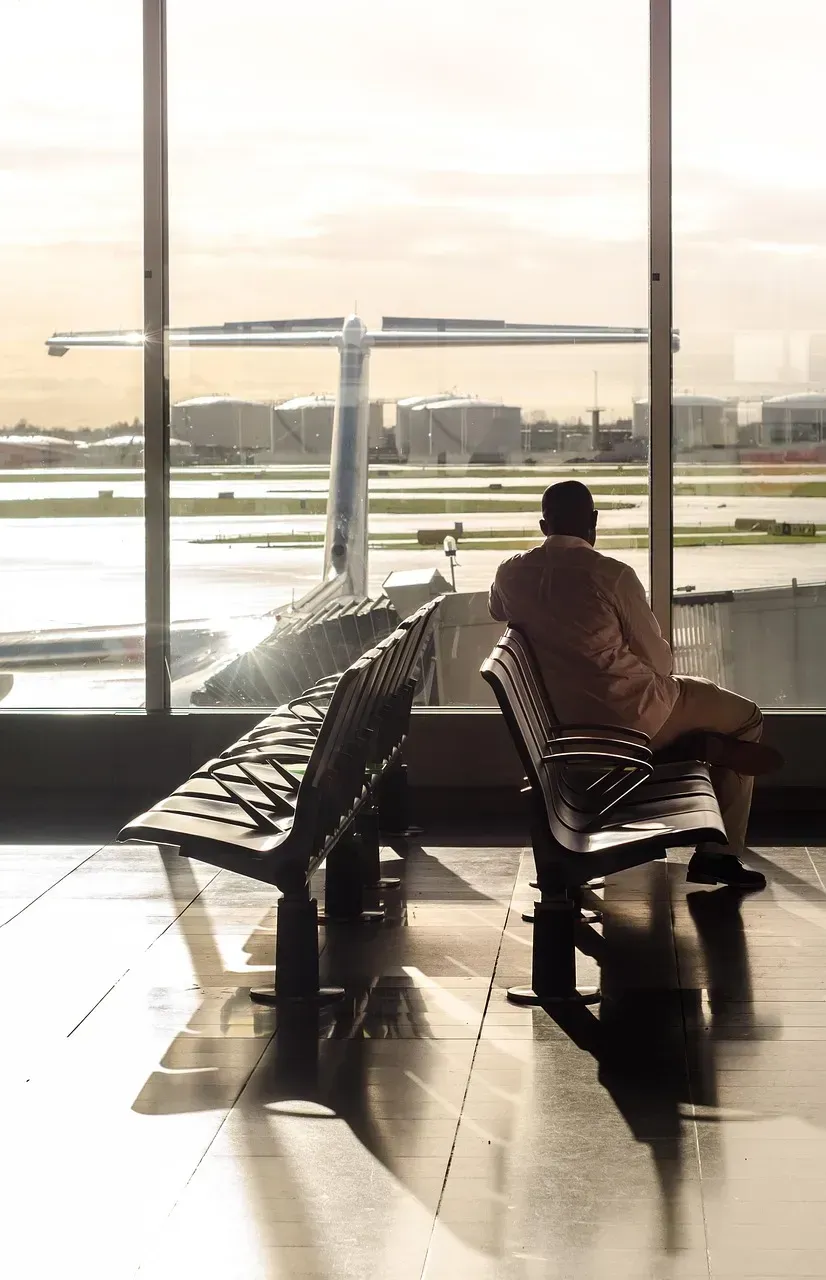
Flight attendants aren’t just watching who tries to sneak ahead, they’re also quietly noting who respects the system. Calm, organized gate behavior suggests a calm, organized passenger, and the crew notices who respects the boarding order and who tries to edge ahead. It might seem like a minor detail, but it genuinely shapes first impressions before you’ve even reached your seat.
It’s a small detail, but it sets the tone for everything that follows once you’re on board. Passengers who wait patiently and follow the announced sequence tend to get filed mentally into the “easy” category, while those who push forward out of turn get remembered for the wrong reasons.
3. Whether You're Prepared When You Reach the Scanner
3. Whether You're Prepared When You Reach the Scanner (Image Credits: Pixabay)
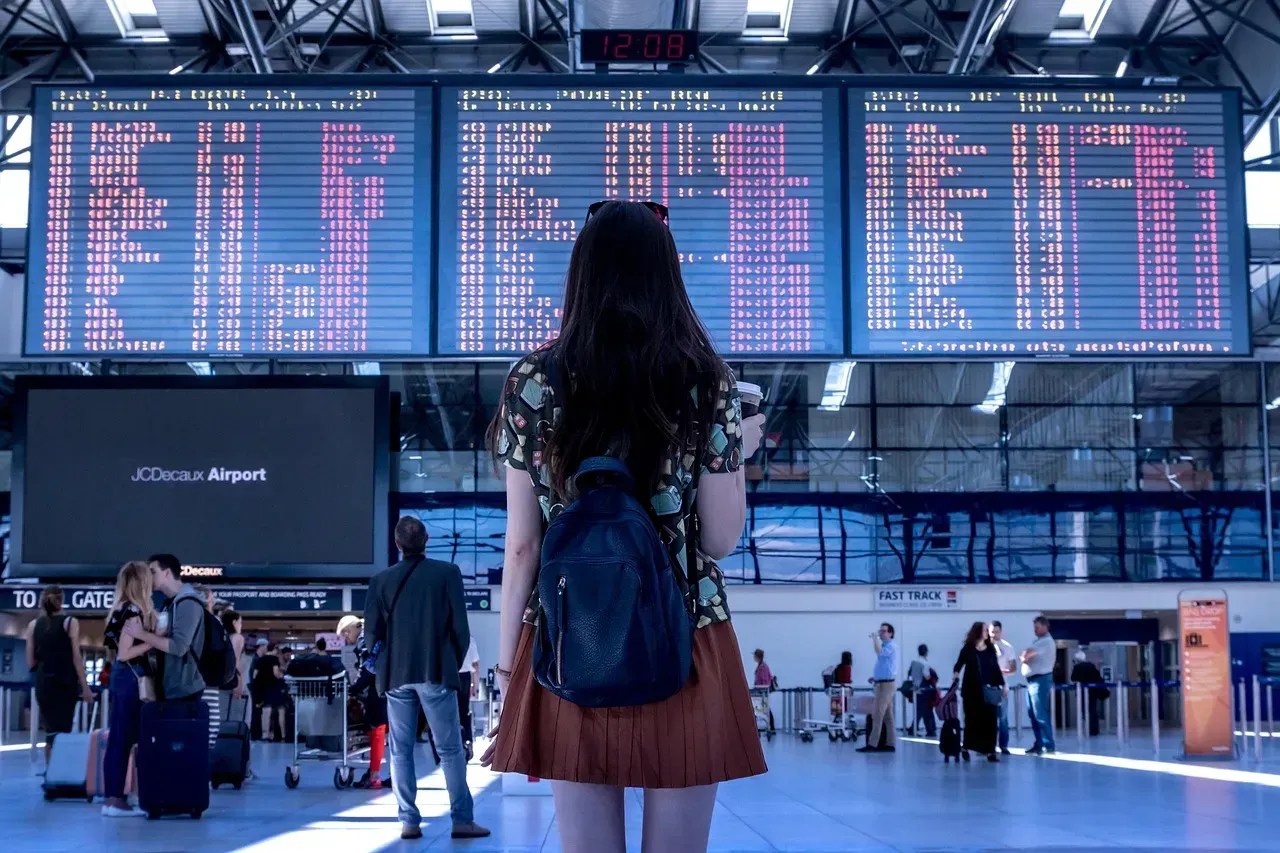
Fumbling for a boarding pass or digging through a bag right at the scanner creates a ripple effect that staff notice instantly. Boarding gets messy fast when too many people crowd the scanner before their group is called, the lane becomes harder to read, announcements are easier to miss, and passengers who are actually supposed to move next end up blocked. Gate agents and flight attendants both feel the downstream effect of an unprepared passenger holding up the line.
Airports run on tight timing, and the gate is where little delays start stacking up fast, and once boarding begins, staff are scanning passes, handling seat issues, coordinating bags, and trying to get the flight out on time. Having your pass and ID ready before you reach the front of the line is one of the simplest ways to avoid standing out for the wrong reason.
4. How You Greet the Crew at the Door
4. How You Greet the Crew at the Door (Image Credits: Unsplash)
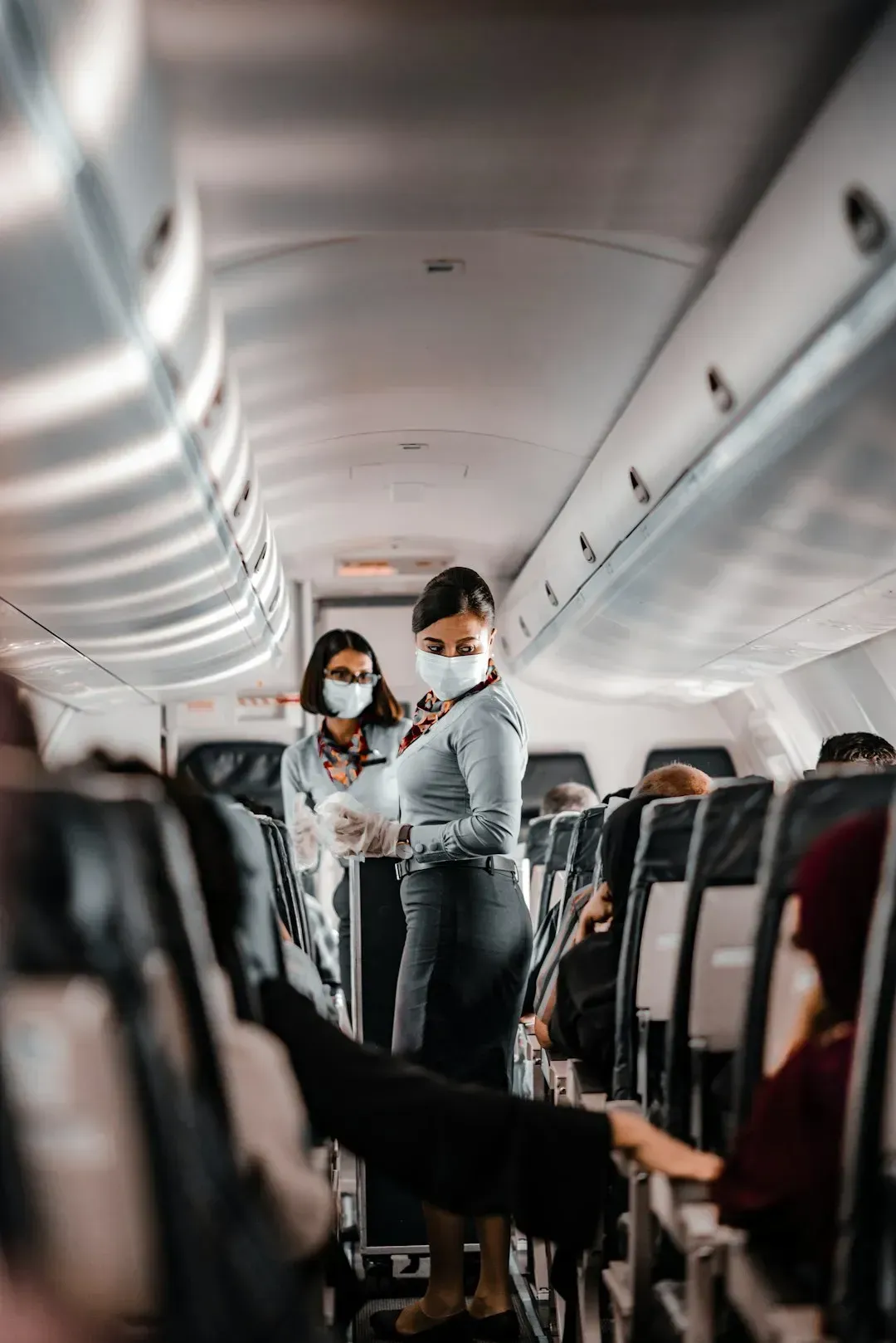
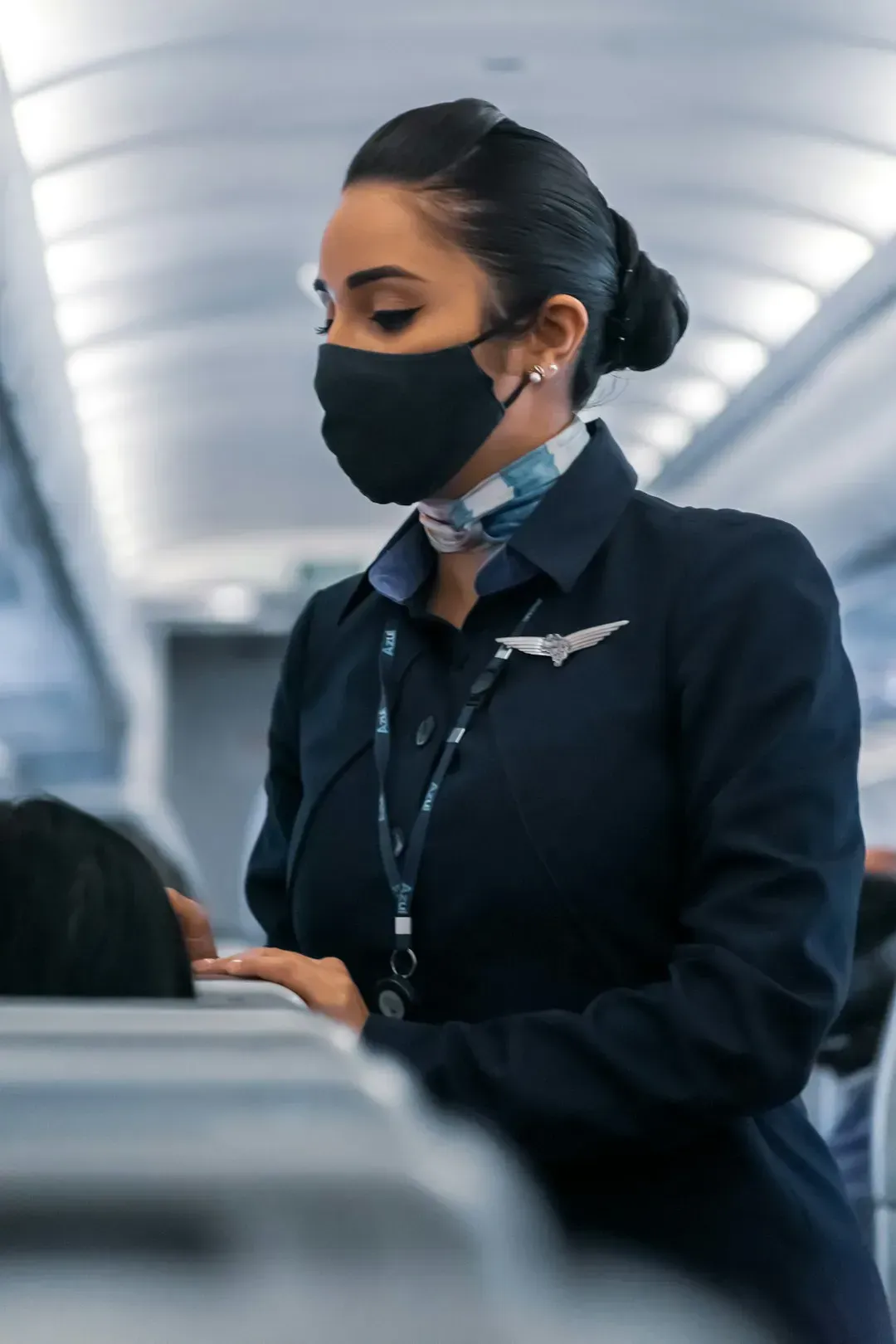
That “hello” at the aircraft door is doing more work than most passengers realize. That greeting at the aircraft door isn’t just a friendly hello, flight attendants are trained to assess every single passenger in roughly three to four seconds, scanning for everything from potential safety concerns to signs of trouble, and most travelers walk right past without realizing they’ve already been sized up. It’s a fast, almost automatic evaluation, but it’s a real one.
How you respond matters too. One of the first things crew notice is how you handle that initial greeting, and it’s not about being charming, it’s about signaling whether you’re present and reachable, since a passenger who refuses any acknowledgment at all tends to be the same one who later “doesn’t hear” safety announcements or seat belt instructions. A simple nod or smile back goes further than people think.
5. Any Signs of Impairment or Illness
5. Any Signs of Impairment or Illness (Image Credits: Unsplash)
This is one area where crew attention is at its sharpest, and for good reason. “Generally, flight attendants assess passengers during boarding for sobriety,” said Henry Harteveldt, president and airline industry analyst at Atmosphere Research Group, and if they notice a passenger who appears overtly drunk or high, they may ask to see their boarding pass to alert the crew monitoring that section of the cabin. It’s much easier to address a concern at the door than to manage it mid-flight.
Crew members are also trained to notice physical signs that something might be wrong. Flight attendants are also trained to pick up on physical cues that passengers might be trying to hide, including “signs of illness, such as clammy or pale skin, excessive sweating or even visible contagious skin conditions” since passengers often try to hide the fact they’re unwell. Slurred speech and difficulty maintaining balance are watched just as closely, since “slurred speech, confusion, difficulty maintaining balance or the smell of alcohol can all indicate intoxication or impairment.”
6. Whether You're Already Making Demands
6. Whether You're Already Making Demands (Image Credits: Unsplash)
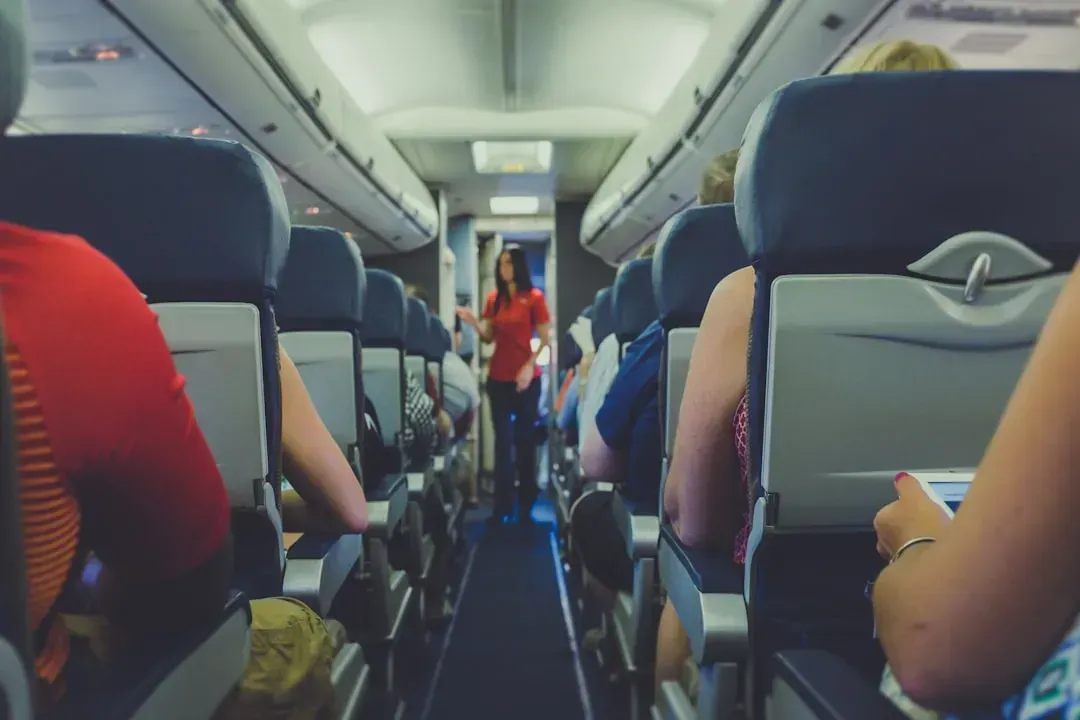
Passengers who start asking for special treatment before they’ve even boarded tend to get flagged early. Flight attendants are also keenly aware of passengers who don’t have obvious needs but still ask for accommodations, and crew members say these passengers are often demanding from the get-go, spotting them coming down the jet bridge and knowing they’ll start asking for things right away. Sometimes it starts even earlier than that.
“Sometimes we’ve already noticed them at the gate talking to the agent, or they come on asking for special treatment or complaining,” one flight attendant explained. It’s not that reasonable requests are unwelcome, it’s the tone and timing that tend to leave an impression on staff working the gate.
7. How You Treat the Gate Agents and Crew
7. How You Treat the Gate Agents and Crew (Image Credits: Unsplash)
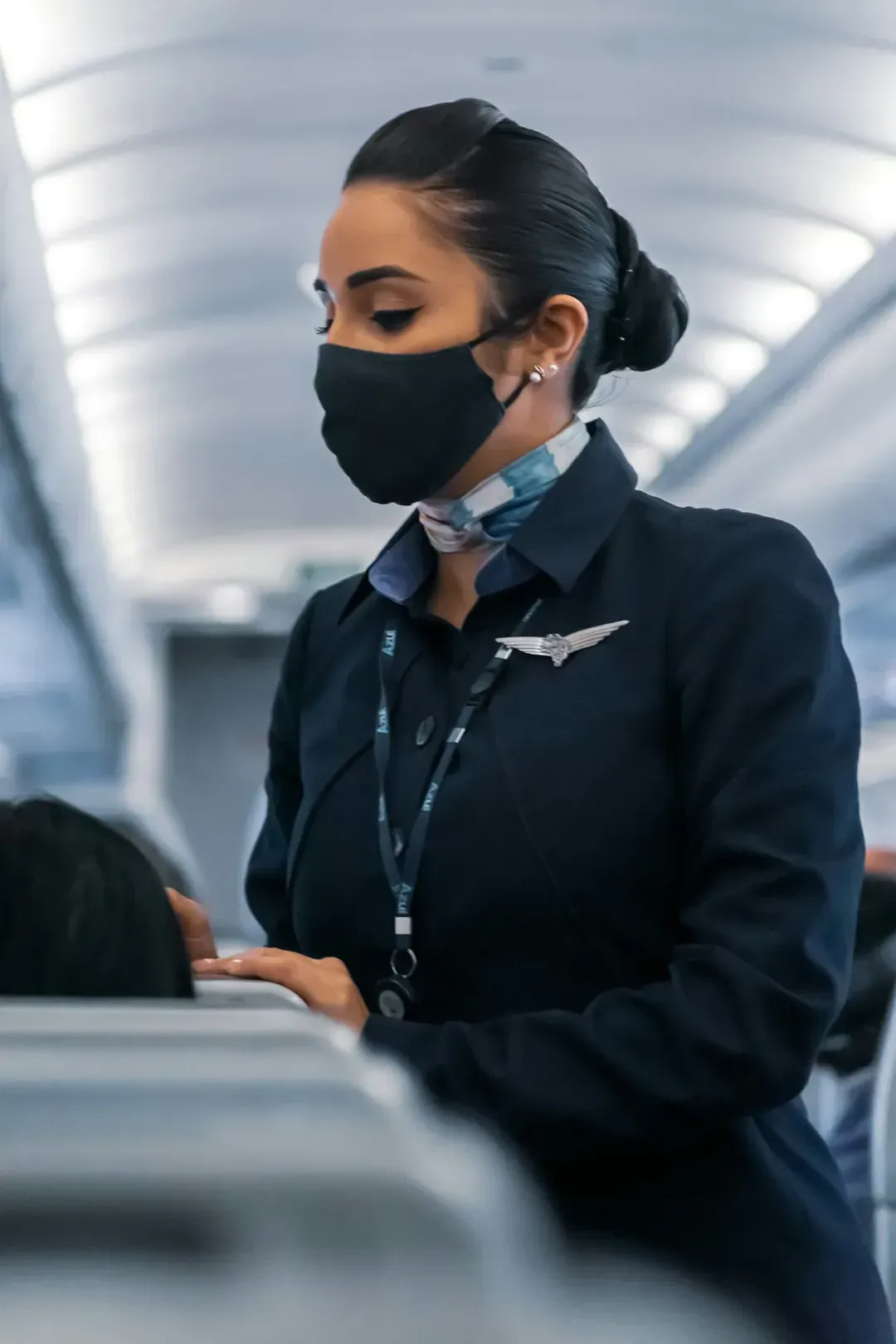
Basic courtesy toward gate staff and cabin crew is noticed more than most passengers assume. “Saying please and thank you while making eye contact at the same time is almost unheard of today,” one flight attendant said, adding “does it surprise you to learn that most passengers don’t even acknowledge my greeting when they’re boarding? After a while, I get tired of talking to myself.” Crew members remember who bothered to be kind.
Physical gestures for attention are a particular sore point across the industry. One survey of cabin crew put physical attention-grabbing at the very top of the complaint pile, and poking or touching them to get their attention is usually the first thing out of their mouth when asked what bothers them most, when a raised hand or a simple “excuse me” works exactly as well, without the insult. It costs nothing to ask politely instead.
8. Whether You've Used the Restroom and Eaten Beforehand
8. Whether You've Used the Restroom and Eaten Beforehand (Image Credits: Unsplash)
Experienced crew members quietly notice which passengers arrived at the gate having taken care of basic needs in advance. One flight attendant with years of experience recommends specific pre-boarding steps: “Check in early, watch to make sure your gate doesn’t change, eat a healthy snack or meal at the gate, use the restroom at the airport rather than waiting until you’re on the plane, and smile at your flight attendants when boarding.”
These small habits reduce friction once the flight is underway, since a passenger who didn’t plan ahead often ends up needing crew assistance mid-service or during taxi, when staff are least able to help. Passengers who arrive prepared tend to have smoother, less disruptive flights overall, both for themselves and for the people around them.
9. How You Handle Your Carry-On Before Boarding
9. How You Handle Your Carry-On Before Boarding (Image Credits: Unsplash)
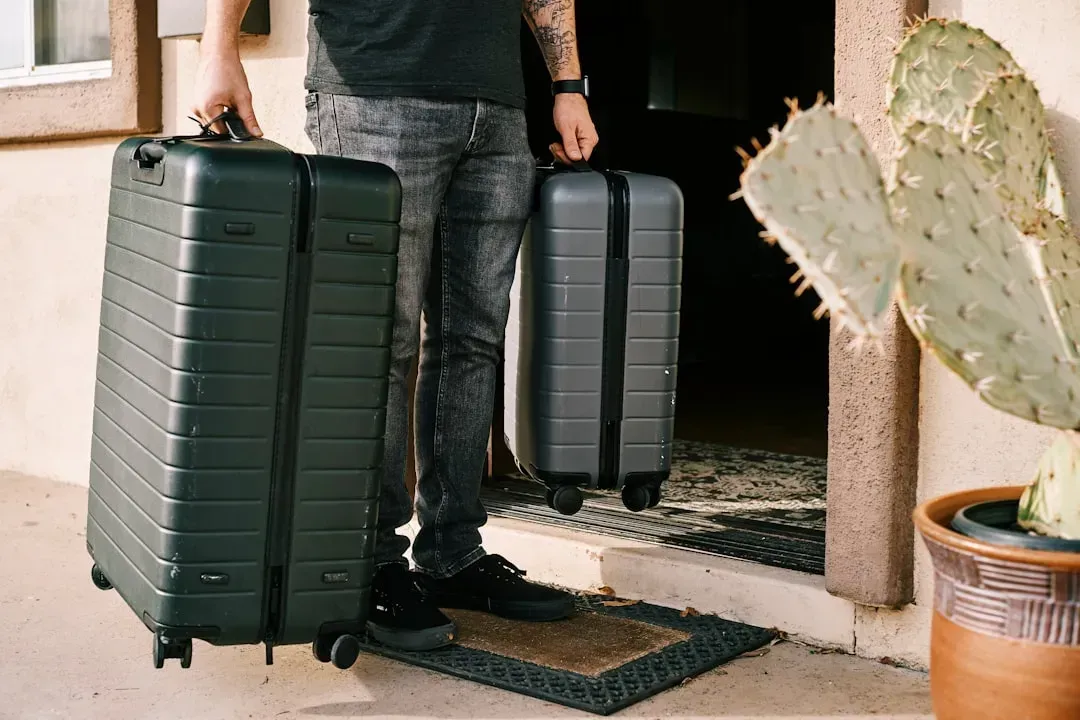
Bag behavior at the gate and jet bridge is one of the clearest tells of a passenger’s experience level. Overhead bin behavior is one of the fastest ways to reveal your travel experience, and flight attendants notice passengers who swing oversized bags into the aisle, block traffic while reorganizing their belongings, or stuff luggage into the wrong overhead compartment. The habits usually start forming right at the gate, before anyone even steps onto the plane.
Being organized before you reach the door matters more than people think. “You’ve had 45 minutes at the gate to find your headphones and granola bar in your bag, if these are things you want with you as soon as you sit down, move those into an easily accessible spot,” one etiquette expert advises, noting that opening luggage in the middle of the aisle during boarding is neither the time nor the place for it. Sorting your bag out before boarding, rather than during it, is an easy way to avoid becoming the person holding up the aisle.
10. Your General Demeanor and Patience Level
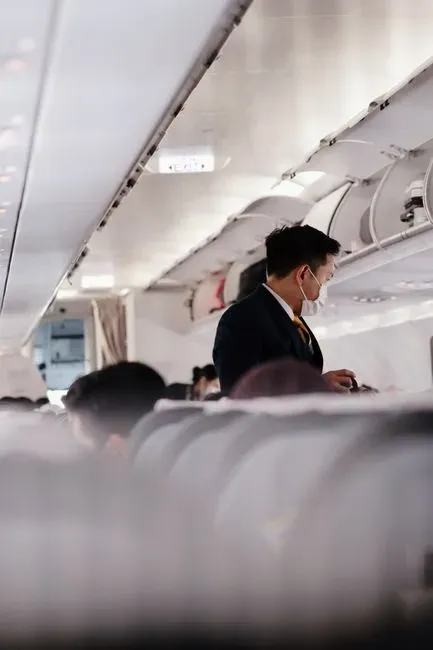
10. Your General Demeanor and Patience Level (Image Credits: Pexels)
Impatience and visible frustration at the gate rarely go unnoticed. Are you someone who huffs and puffs while waiting to board or someone who waits patiently for your turn? Flight attendants are carefully scanning the boarding gates before you’ve even gotten to the plane, taking in your demeanor and making judgments about how easy of a passenger you’re going to be. That read often forms before a single word is exchanged.
Crew members who’ve watched thousands of passengers board say the calmer approach almost always wins out in the end. “I’ve seen passengers push others to be first in line, only to spend twenty minutes standing in the aisle waiting for everyone else,” one flight attendant noted, adding that “experienced travelers understand that calm beats speed.” Rushing rarely gets you anywhere faster, and it’s the first thing that marks a nervous or first-time flyer to crew who’ve seen it all before.
None of these behaviors are really about performing for an audience. They’re small, mostly unconscious signals that add up to an overall impression, and crew members build that impression fast because their training requires it. The good news is that almost every item on this list comes down to patience, preparation, and basic courtesy, none of which cost anything extra at the gate. Travel a little smoother, and there’s a good chance the crew notices that too.