
There’s a strange kind of nostalgia reserved for snacks that vanished from store shelves without much warning. One day they’re in the cart, the next they’re gone, and suddenly your childhood memory becomes the only place they still exist. Some of these treats eventually clawed their way back thanks to petitions and internet campaigns, while others remain frozen in time, living on only in old commercials and wistful Reddit threads.
Grab a mental snack basket and see how many of these ten you actually remember tasting, not just hearing about secondhand.
1. Hydrox Cookies
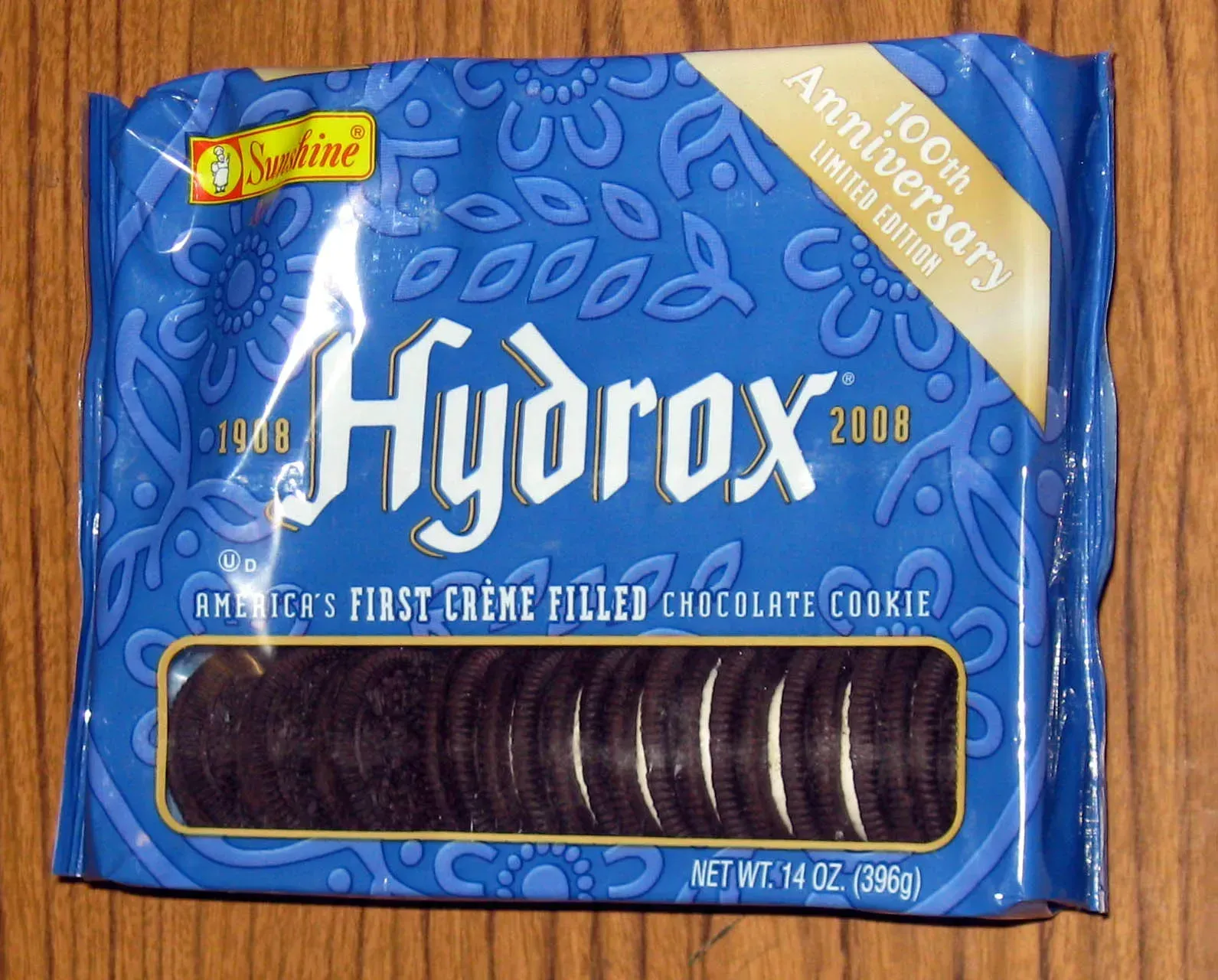
1. Hydrox Cookies (By Jim.henderson, <a href="https://commons.wikimedia.org/w/index.php?curid=5087022" target="_blank" rel="noopener">Public domain</a>)
Long before Oreos became the default chocolate sandwich cookie, Hydrox got there first. Introduced in 1908, these chocolate sandwich cookies with cream filling were the original, while Oreos followed four years later in 1912. Despite being the pioneer, Hydrox always played second fiddle in the public imagination, even though Hydrox had a crunchier cookie and a less sweet filling, which devoted fans absolutely loved.
The cookie’s fortunes eventually ran out. Hydrox disappeared from shelves in 2003, leaving longtime fans heartbroken and insisting that they were superior to their more famous competitor. There was a brief resurrection attempt too, since the cookie made a brief comeback in 2015 under new ownership, but it never quite recaptured its former glory or widespread availability. If you tasted the original before 2003, you’re part of a shrinking club.
2. Crystal Pepsi
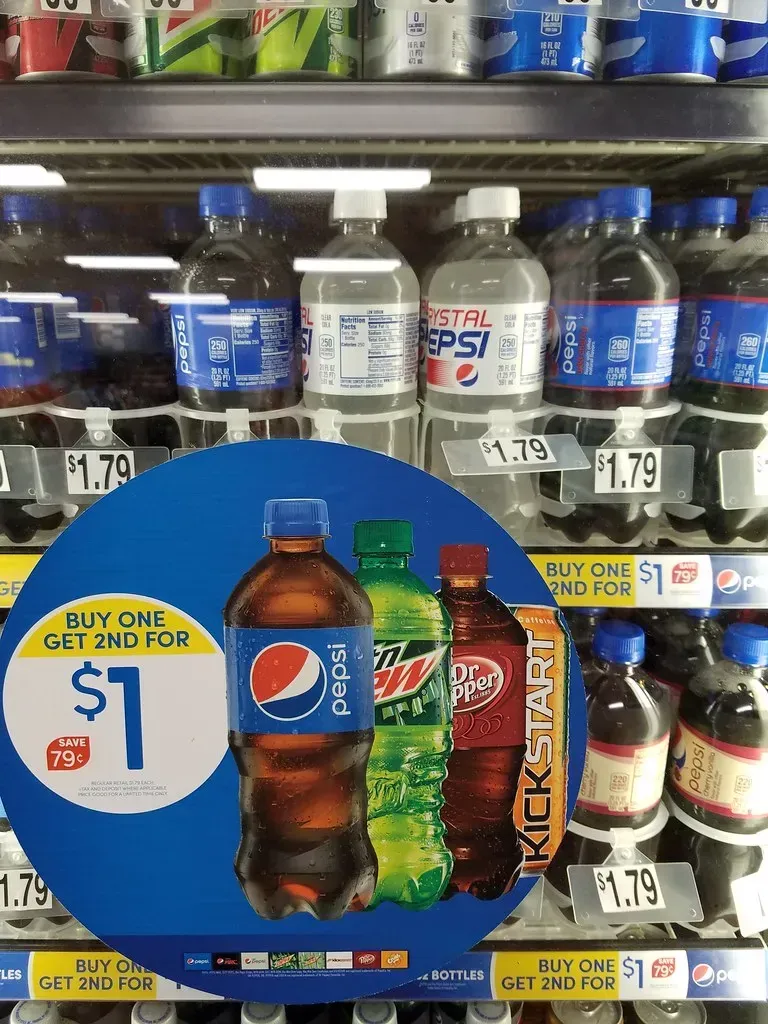
2. Crystal Pepsi (Image Credits: Flickr)
Few products capture the bizarre optimism of the early 1990s quite like a clear cola. Crystal Pepsi was released as a caffeine-free, clear cola in the US and Canada in 1992, and it was named “Crystal” because it was bottled without the caramel coloring that gives regular Pepsi its brown color. Curiosity drove people to try it, since introduced during the clear-food craze, the soda looked like sparkling water but tasted like cola, and Pepsi marketed it as a cleaner, more modern alternative to traditional soft drinks.
The novelty faded fast. The product was successful initially, but had trouble sustaining its popularity and was discontinued in 1994. It has popped up periodically since then in limited runs, and Crystal Pepsi made a brief return in the late 2010s due to nostalgic demand. If you remember the actual taste rather than just the see-through gimmick, you were paying close attention.
3. Surge
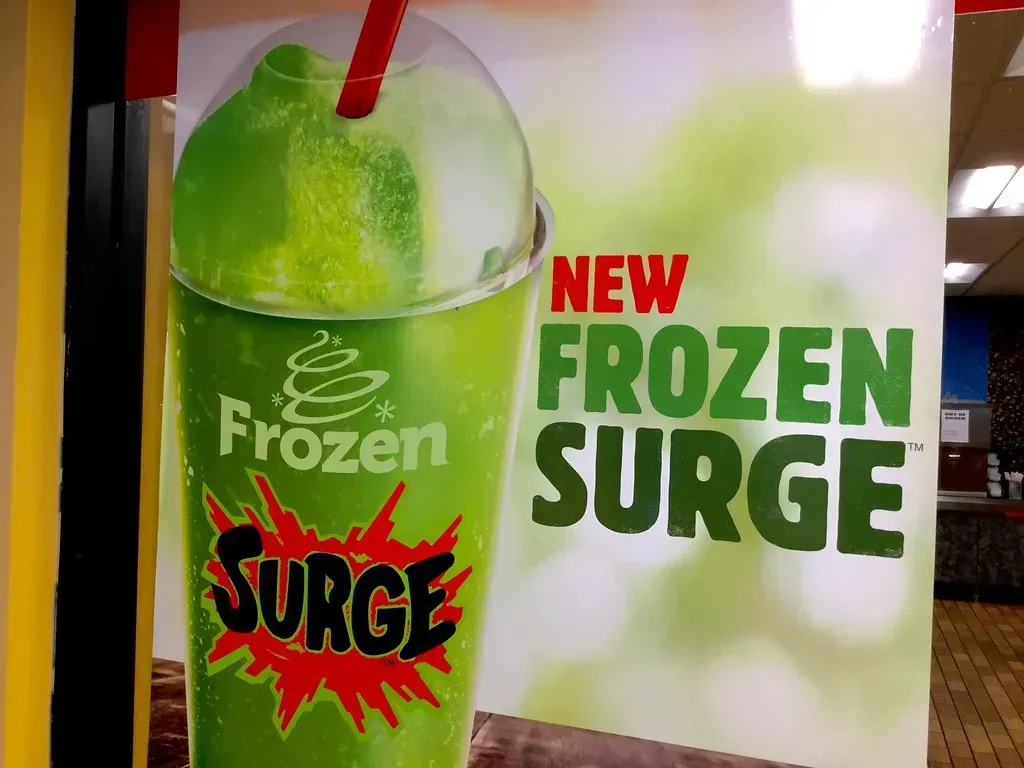
3. Surge (JeepersMedia, Flickr, <a href="https://creativecommons.org/licenses/by/2.0/" target="_blank" rel="noopener">CC BY 2.0</a>)
Coca-Cola’s answer to Mountain Dew was loud, neon green, and impossible to ignore. Coca-Cola introduced Surge in 1996 to compete directly with Pepsi’s Mountain Dew, and the citrus-flavored soda was heavily marketed toward teenagers through extreme sports advertising and high-energy television commercials. The branding leaned hard into chaos, with a “fully loaded citrus soda with carbos,” according to a 1997 commercial.
Sales eventually cooled off. Surge quickly became a recognizable part of late-1990s youth culture, but sales eventually slowed as consumer tastes changed, and Coca-Cola discontinued the brand in 2003. Fans never really let go, though. A grassroots #SURGEMovement campaign by nostalgic fans, including billboards near Coca-Cola headquarters and over 150,000 social media supporters, prompted its 2014 revival as an Amazon exclusive. Its availability has come and gone in waves ever since.
4. Planters Cheez Balls
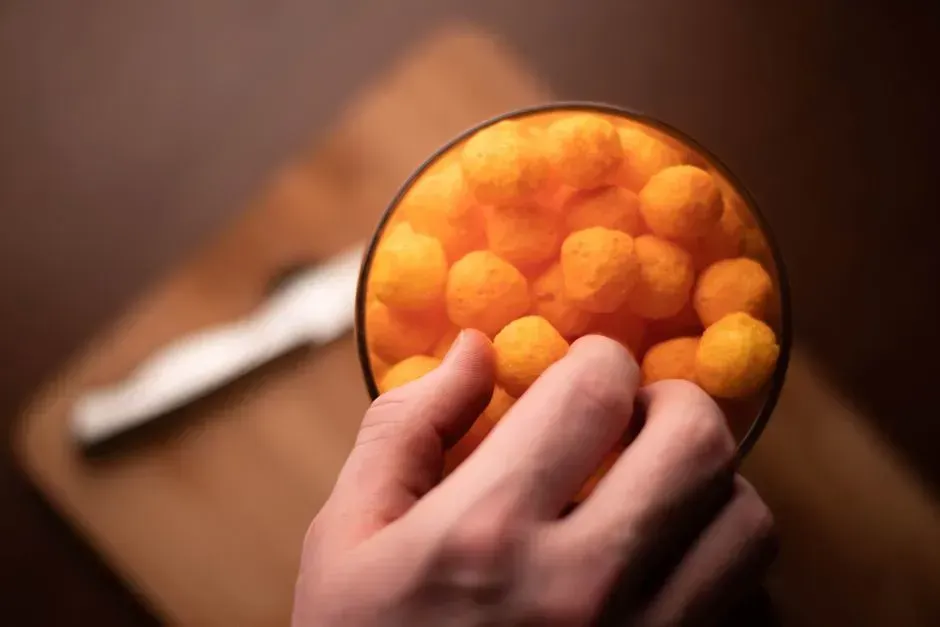
4. Planters Cheez Balls (Image Credits: Pexels)
There’s something almost sacred about the memory of orange-dusted fingers after a canister of Cheez Balls. The snack had a long run before disappearing, and the classic snack was discontinued in 2006. Fans didn’t let it fade quietly, since for more than a decade, Cheez Balls devotees with a lot of time on their hands had been petitioning makers through Facebook groups to bring back the beloved snack until Planter’s finally heeded the call.
The pressure eventually worked. Planters was finally ready to give fans what they wanted, bringing the snack back starting on July 1st for a limited run, joined by Cheez Curls. The brand made a point of preserving the original experience, noting “We made sure our Cheez Balls and Cheez Curls still have the same delicious taste, airy texture and fluorescent color you know and love.” They later expanded even further, since White Cheddar, Nacho and Blazin’ Hot Cheez Balls hit store shelves in April, while a fourth flavor, Jalapeño Cheddar, became available nationally later that year.
5. Dunkaroos
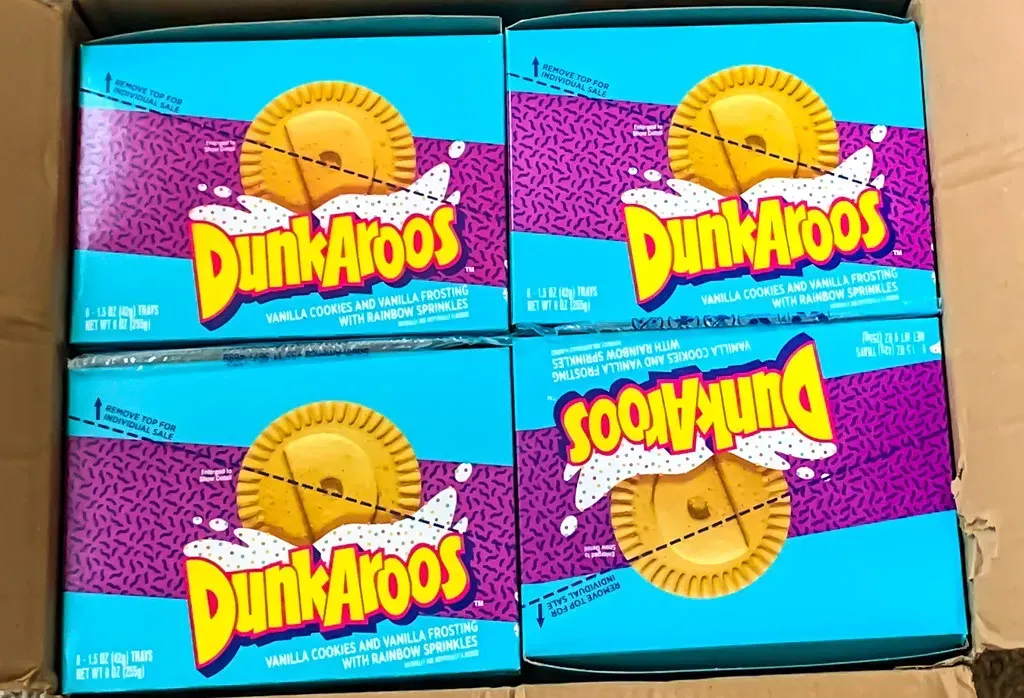
5. Dunkaroos (willbuckner, Flickr, <a href="https://creativecommons.org/licenses/by/2.0/" target="_blank" rel="noopener">CC BY 2.0</a>)
For an entire generation of lunchbox kids, few snacks matched the ritual of dunking a cookie into a tub of frosting. Introduced by Betty Crocker in 1990, these snack packs came with small kangaroo-shaped cookies and a container of frosting for dipping. The setup was simple, since Dunkaroos were the sweet version of separately wrapped cheese and cracker snacks, with graham cracker kangaroos on one side and creamy frosting on the other.
The snack disappeared from American shelves for years, though its story is more complicated than a simple discontinuation. The product was discontinued in the United States in 2012, but continued to be sold in Canada. Eventually the wait ended, since Dunkaroos began arriving at 7-Eleven stores in the United States in May 2020 until being brought to other stores including Walmart, Target, and Kroger, with the new single serving package going from 1 ounce to 1.5 ounces and the sugar reduced significantly.
6. Bonkers Candy
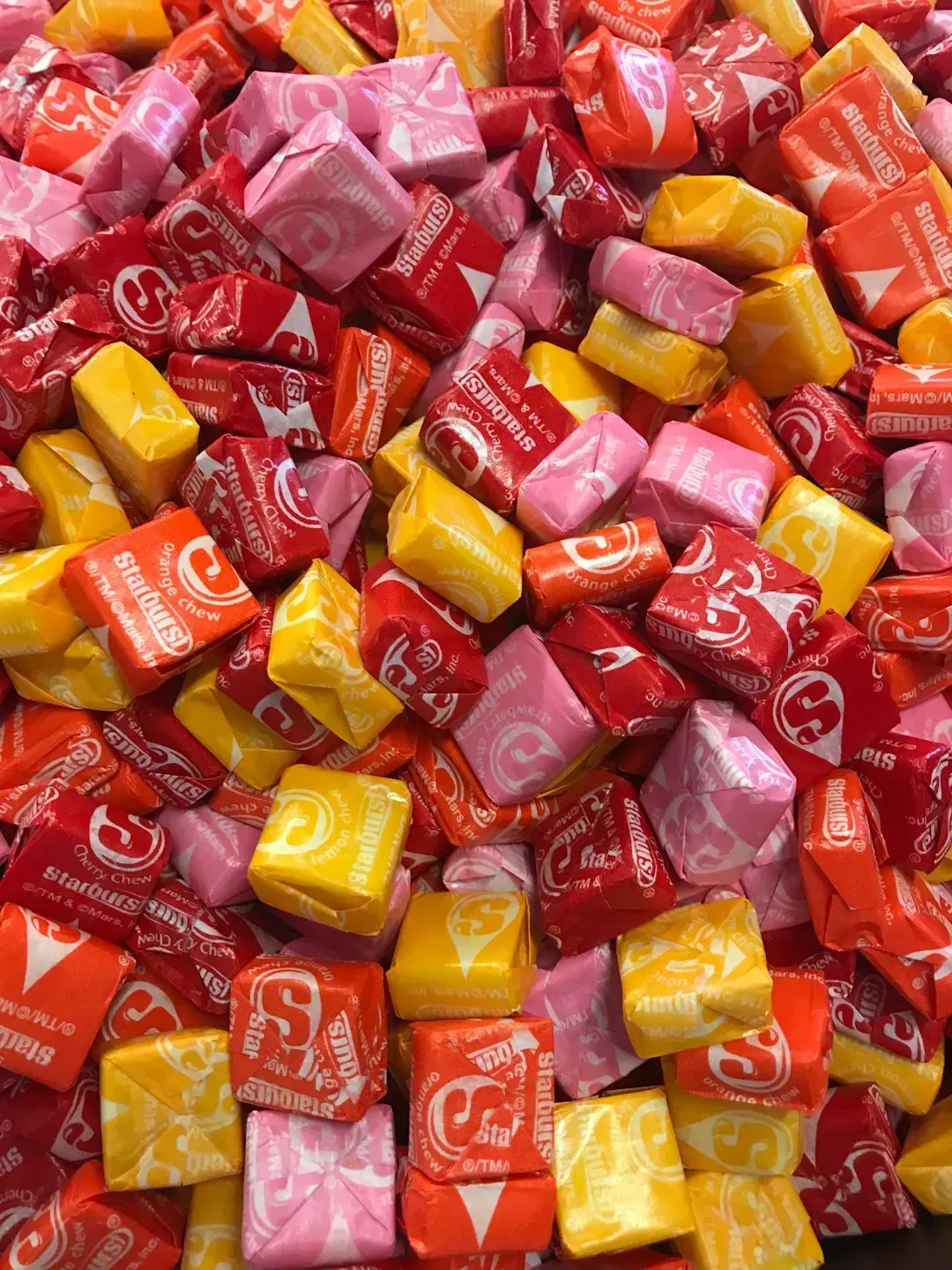
6. Bonkers Candy (Image Credits: Unsplash)
Before fruit chews became a crowded category, Bonkers had a genuinely distinct identity built on volume and flavor intensity. “Bonkers bonks you out!” went the commercial jingle, and this chewy fruit candy certainly made an impact when it hit stores in the early 1980s. The texture set it apart from competitors, as each piece was wrapped individually and packed an intensely fruity flavor, with a unique texture that was chewier than Starburst but softer than taffy.
Its run didn’t last into the following decade. Nabisco stopped making Bonkers in the 1990s, and fruit candy lovers have been mourning ever since. There were scattered attempts to bring it back, but there were brief periods when the candy reappeared under different ownership, but it never achieved the same widespread distribution. Anyone who remembers unwrapping a piece of Bonkers is likely dating themselves by at least a few decades.
7. French Toast Crunch
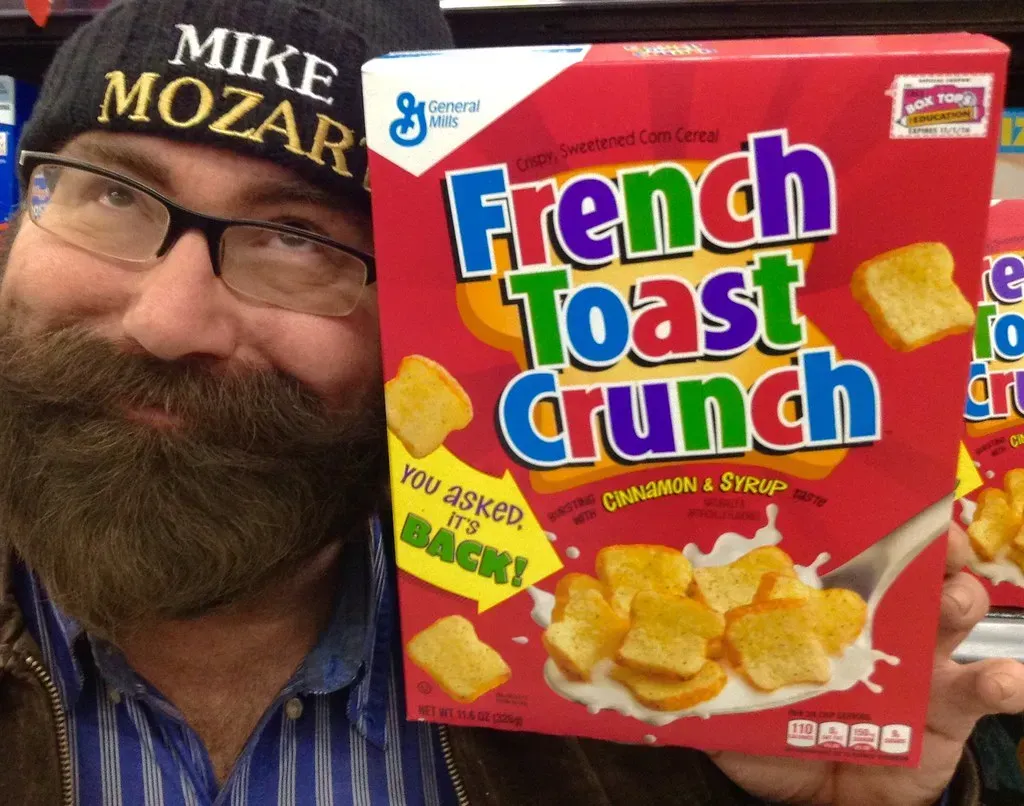
7. French Toast Crunch (JeepersMedia, Flickr, <a href="https://creativecommons.org/licenses/by/2.0/" target="_blank" rel="noopener">CC BY 2.0</a>)
This cereal proved that a good gimmick can outlive its own cancellation. It followed the success of a sibling cereal, since following in the footsteps of the irresistible Cinnamon Toast Crunch, French Toast Crunch seemed to be a no-brainer, but General Mills discontinued the treat before it was resurrected to the joy of cereal lovers everywhere in 2015. The gap between disappearance and return wasn’t short either, since General Mills brought back its sugary-sweet French Toast Crunch cereal in 2015 after nine years off the market.
What made the comeback notable was how directly it responded to public demand rather than corporate planning. Cereal fans had kept the conversation alive online for nearly a decade, proving that persistent nostalgia can genuinely influence what ends up back on shelves. It remains one of the clearer examples of a snack coming back essentially unchanged rather than reformulated into something unrecognizable.
8. Clearly Canadian
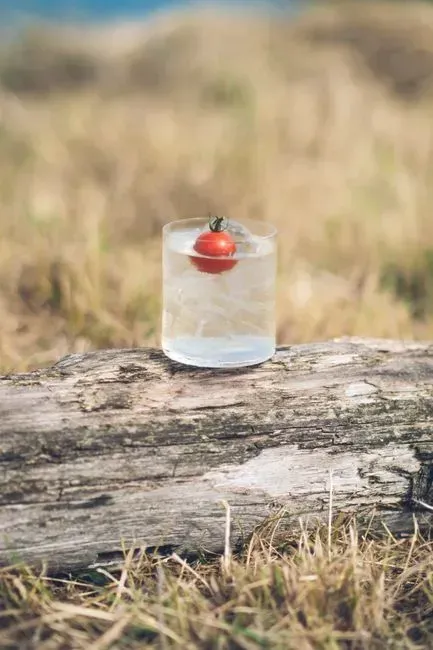
8. Clearly Canadian (Image Credits: Pexels)
This one blurred the line between soda and sparkling water long before that category existed. It reinstituted the original teardrop-blue bottles that were the brand’s trademark signature when it was launched in British Columbia in 1988, going on to become one of North America’s most recognizable beverages, appearing in Seinfeld, Friends, and Beverly Hills 90210 during its heyday in the 1990s, when annual sales topped 150 million dollars. Its downfall came down to management missteps rather than a lack of demand, as sales tanked in the 2000s following management and production miscues, none more than a decision to switch to plastic bottles.
The comeback story is unusually well documented. A venture capitalist firm bought the company in 2012, and a crowdfunding campaign was born to bring it back, with popular YouTubers Rhett and Link from Good Mythical Morning getting involved in 2014, helping sell 40,000 cases before the brand relaunched in 2017. Today it’s thriving well beyond its original scale, since after a premature death and a wild crowdfunded return, the brand is back on its feet and thriving, with tens of millions of bottles sold and a presence in some 33,600 stores.
9. PB Max
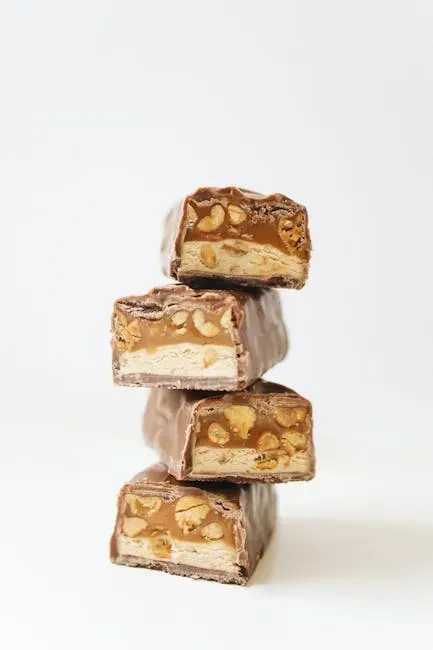
9. PB Max (Image Credits: Pexels)
Peanut butter fans of a certain age still bring up this candy bar with genuine longing. It combined a crunchy oat base with a thick layer of peanut butter and a milk chocolate coating, giving it a texture that stood apart from anything else on the candy aisle at the time. Despite a loyal following, it never achieved the sales numbers needed to survive corporate restructuring.
Nostalgic candy bars like Hershey’s S’mores and PB Max have been discontinued due to low sales and changing consumer preferences. Unlike some of the other entries on this list, PB Max has shown no real signs of returning, leaving fans to occasionally recreate approximations at home using peanut butter, oats, and melted chocolate rather than waiting for an official revival.
10. Kudos Granola Bars
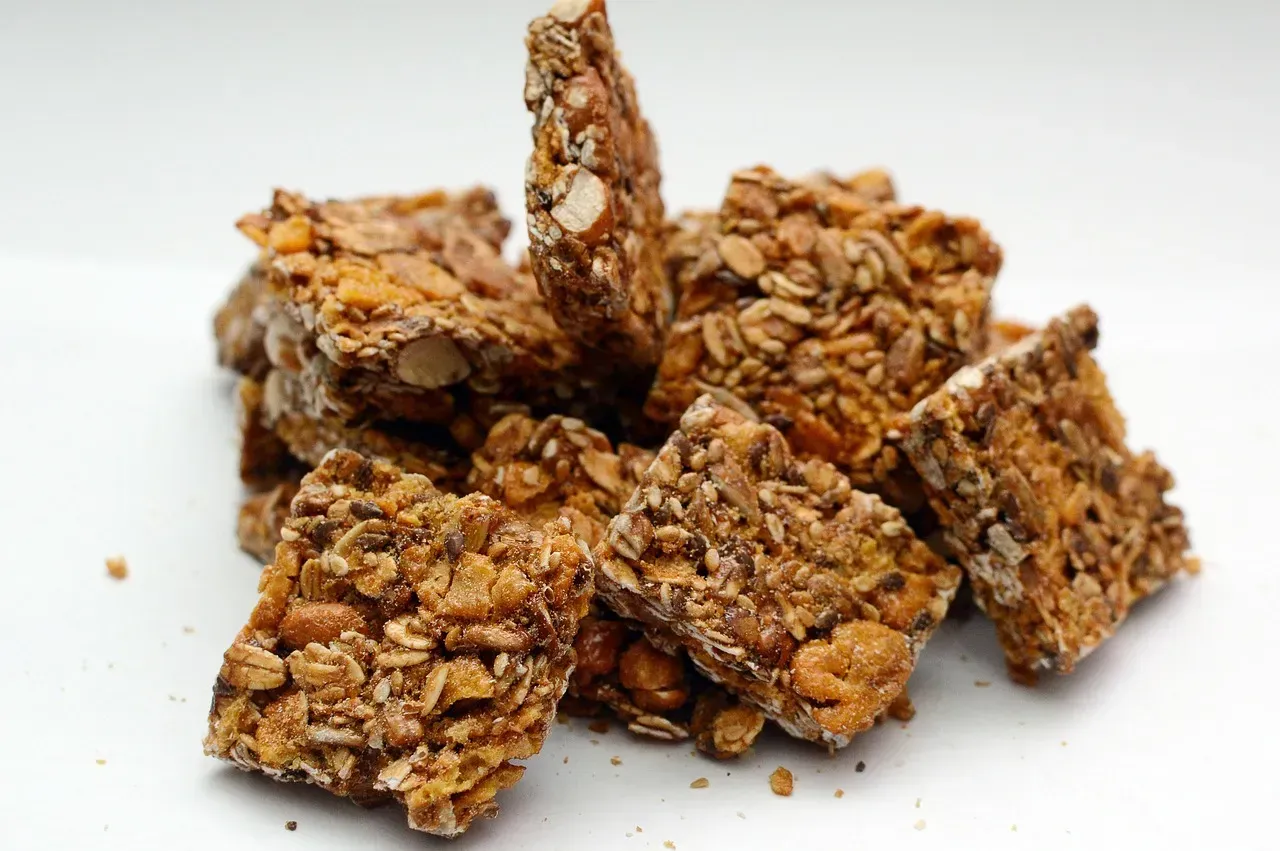
10. Kudos Granola Bars (Image Credits: Pixabay)
Kudos occupied a strange but beloved space between candy bar and breakfast food. When initially launched in 1986, there were three varieties: nutty fudge, chocolate chip, and peanut butter. The bars were undeniably indulgent for something marketed as nutritious, since made from sweet, crunchy puffed Rice Krispies mixed with toasted oats and drizzled with milk chocolate, Kudos bars were a tasty lunchbox item, and as they were partly made out of cereal, they weren’t advertised as candy products but touted as nutritious snacks.
Shifting nutrition trends eventually caught up with the brand. Like many healthy alternative snacks of the ’90s, Kudos bars were low in calories but high in sugar, and since nutrition science evolved, they could not keep up, vanishing from shelves around 2017 and never returning. Unlike Dunkaroos or Cheez Balls, there’s been no official word of a comeback, and as of recent reporting, as of 2020, there were no plans to revive the product.
Why Some Snacks Come Back and Others Don't
Why Some Snacks Come Back and Others Don't (Image Credits: Unsplash)
Looking across these ten stories, a pattern starts to emerge. Snacks tied to strong sensory nostalgia, distinctive packaging, or viral fan campaigns, like Dunkaroos, Cheez Balls, Surge, and Clearly Canadian, tend to find their way back eventually, sometimes decades later. The ones that stay gone, like PB Max and Kudos, often faded due to shifting nutrition trends or simply never built the kind of grassroots online movement that convinces a company to reinvest in old molds and formulas.
It’s also worth noting that a comeback rarely means a permanent fix. Several of these products, including Surge and Crystal Pepsi, have cycled in and out of availability multiple times rather than settling into a stable, permanent spot on store shelves. Nostalgia might get a product back into stores for a season, but staying there long-term is a different challenge entirely.
The Verdict on Snack Nostalgia
The Verdict on Snack Nostalgia (Image Credits: Unsplash)
If you found yourself nodding along to more than half of these, congratulations, your taste buds have a long institutional memory. These snacks represent more than just discontinued products; they’re small time capsules tied to specific decades, specific commercials, and specific afternoons spent raiding the pantry.
Whether or not any more of these make a full comeback remains uncertain, but if the last decade has taught snack companies anything, it’s that fans rarely forget, and sometimes all it takes is a persistent enough Facebook group to bring a childhood favorite back from the dead.