
Every menu has its stars and its stragglers, and the people who cook for a living tend to know exactly which dishes fall into which category. Chefs see the back-of-house reality that diners never do: what’s been sitting under a heat lamp, what carries a 400% markup, and what’s really just a marketing gimmick dressed up in fancy language. When food industry professionals talk about what they personally skip when they eat out, the pattern is less about taste and more about value.
We pulled together the dishes that chefs, restaurant owners, and culinary instructors repeatedly flag as poor bets for your money. Some are overpriced because of clever menu psychology, others because the preparation simply can’t survive a busy kitchen. Either way, here are ten orders worth reconsidering next time you’re staring at a menu.
1. The Restaurant Steak, When You Can Cook One at Home
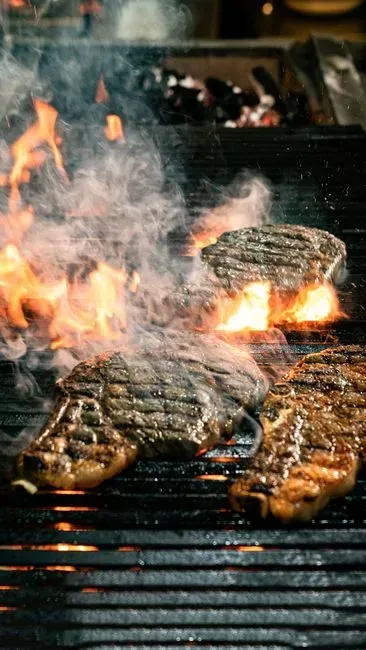
1. The Restaurant Steak, When You Can Cook One at Home (Image Credits: Pexels)
Steak feels like the ultimate “treat yourself” order, the dish people reach for on special occasions. Yet at least one culinary instructor makes a point of skipping it entirely when dining out. Chef Luke Shaffer, an instructor at the Auguste Escoffier School of Culinary Arts, said, “I never order steaks when I dine out. Why? I can cook a darn fine steak at home. Why spend a huge markup for something that’s not going to be exponentially better than what I can do?”
The math backs him up. Fine dining restaurants tend to have lower markups, around 200-300%, due to the high quality of ingredients and the prestige associated with dining at these establishments, but that markup climbs even higher at casual spots. If you already own a decent cast-iron skillet and a meat thermometer, a restaurant steak often isn’t buying you much beyond the ambiance.
2. Soup, Especially the "Soup of the Day"
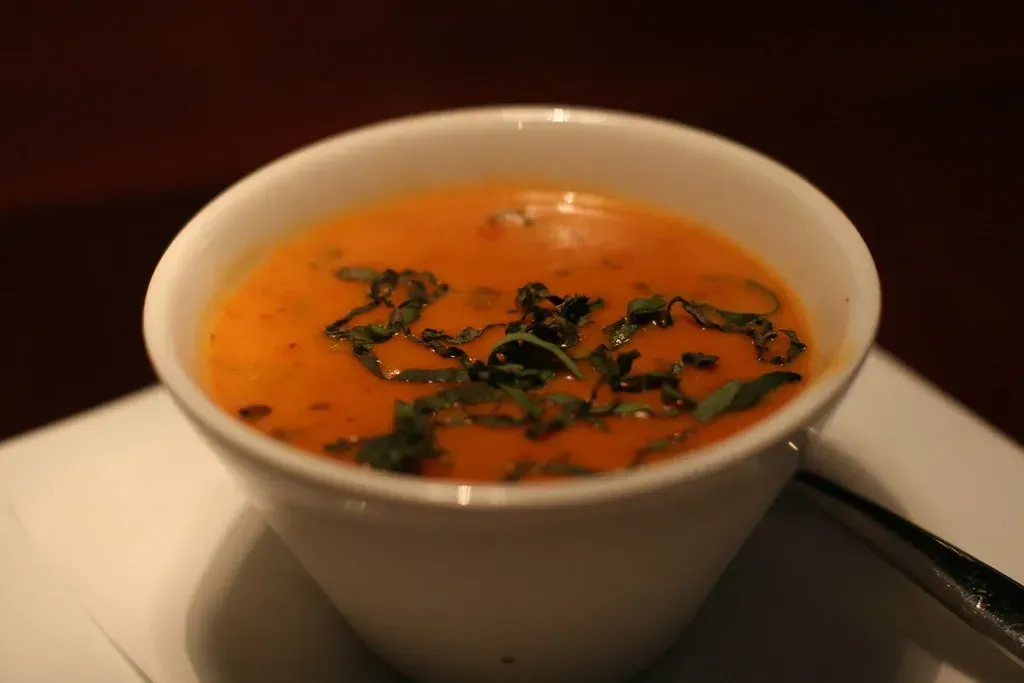
2. Soup, Especially the "Soup of the Day" (mjneuby, Flickr, <a href="https://creativecommons.org/licenses/by/2.0/" target="_blank" rel="noopener">CC BY 2.0</a>)
Soup sounds harmless enough, but several chefs have gone on record avoiding it. Gordon Ramsay is very clear about avoiding ordering the soup in a restaurant, namely because it can be a canny way for chefs to use up old ingredients, and restaurants have a tendency to serve their soup of the day several days in a row, done to decrease food waste but resulting in you ordering a dish that’s neither special nor fresh. Another chef echoed the sentiment plainly, telling an interviewer Reinaldo (Rei) Cruz, the chef de cuisine at Final Cut Steakhouse in Charles Town, West Virginia, also doesn’t consider soup to be a good value at restaurants, saying, “I would not order soup.”
Jack Stein, Rick Stein Restaurants’ chef director, shared a similar view with Metro, saying, “Personally, I think soup is better at home than at restaurants.” When three different chefs from three different corners of the industry land on the same dish, it’s worth paying attention. Soup can be a legitimate use of kitchen leftovers, and that’s not necessarily a bad thing for the restaurant’s bottom line, but it rarely translates into a memorable bowl for the guest.
3. Grilled or Seared Chicken Breast Entrées
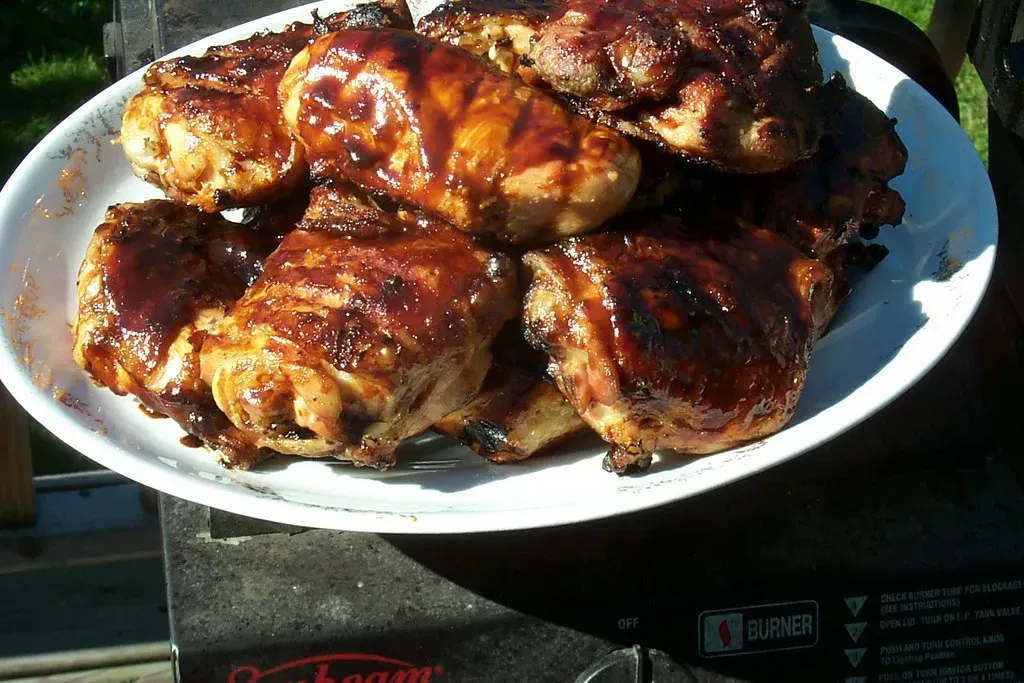
3. Grilled or Seared Chicken Breast Entrées (gleepythehen, Flickr, <a href="https://creativecommons.org/licenses/by/2.0/" target="_blank" rel="noopener">CC BY 2.0</a>)
Chicken breast is the default “safe” option on nearly every menu, from casual chains to upscale dining rooms. But safe doesn’t mean special. The standard grilled or seared chicken breast entrée is a menu minefield because the preparation is quite basic, and “no amount of brining or seasoning can make me excited to order chicken,” admits Stephen Greer, executive chef at The Rally Hotel.
Although this is something you’ll find on nearly every menu at a brew-pub, steakhouse, and even upscale restaurant menus, it’s generally there as the safe crowd-pleaser rather than a true standout dish. If a kitchen offers something more distinctive, that’s usually the better signal of what the chef actually wants to cook, rather than what’s on the menu purely to avoid scaring off picky eaters.
4. Lobster Rolls and Other Premium Seafood Markups
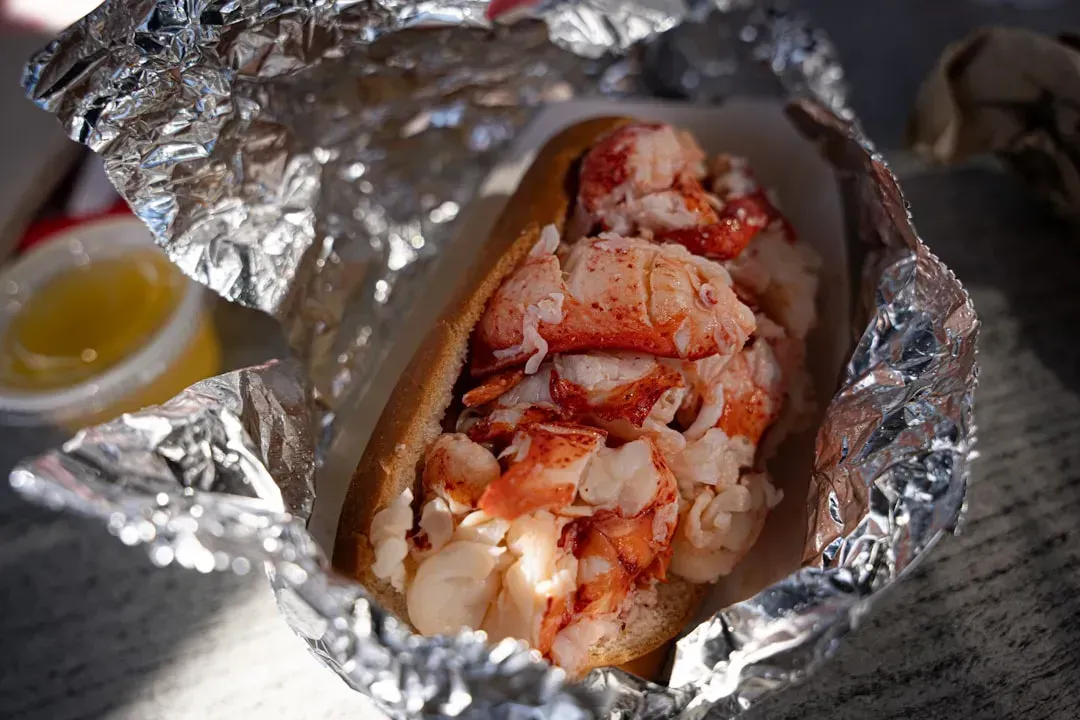
4. Lobster Rolls and Other Premium Seafood Markups (Image Credits: Unsplash)
Lobster carries a certain prestige that makes diners willing to pay almost anything for it, and restaurants know it. One New Hampshire chef admitted the math just doesn’t add up for him personally. “I like lobster, but not enough to justify the cost of a $40-50 [lobster] roll,” said Evan Hennessey, chef and owner of Stages at One Washington and The Living Room in Dover, New Hampshire.
There’s no doubt lobsters are expensive to source, which influences the cost, so this isn’t necessarily about the restaurant gouging customers. It’s more that the ingredient’s inherent price ceiling, combined with a restaurant markup on top, pushes a simple sandwich into luxury territory without necessarily delivering a luxury experience.
5. Tinned or Canned Fish Boards

5. Tinned or Canned Fish Boards (Image Credits: Pixabay)
The tinned fish trend has taken over wine bars and small-plates menus in the past couple of years, marketed as a rustic, elevated snack. Not every chef is buying the hype. Marc Sheehan, executive chef and co-owner of Northern Spy in Canton, Massachusetts, thinks canned fish on menus is too expensive, saying, “I love salty, briny preserved foods. However, sitting in a wine bar paying a steep markup on tinned seafood accompanied by saltine crackers just doesn’t click.”
He put the value gap in blunt terms. “I could truly and literally be having the same meal and wine on my couch at home after work for half of the cost.” It’s a good reminder that trendy doesn’t automatically mean worth the markup, especially for something you could easily buy at a specialty grocery store yourself.
6. "Wagyu" or "Kobe" Beef Without Certification
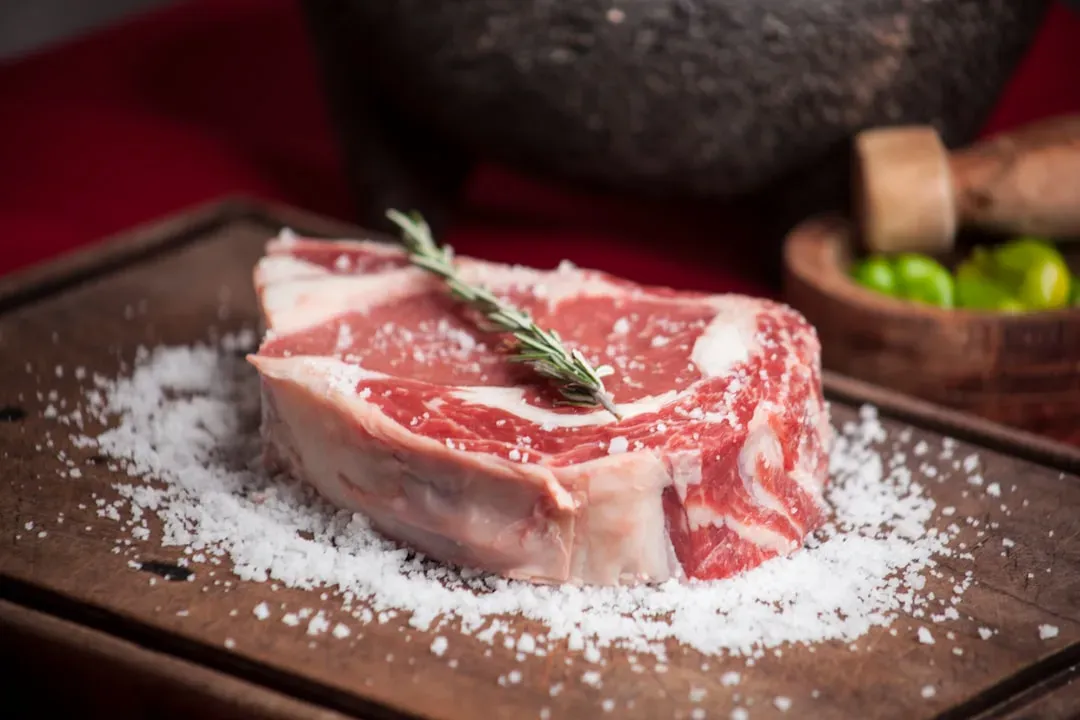
6. "Wagyu" or "Kobe" Beef Without Certification (Image Credits: Unsplash)
Few words on a menu carry as much cachet as Wagyu or Kobe, and few are as loosely regulated in casual use. Genuine Japanese Kobe beef is rare and heavily certified, but that hasn’t stopped plenty of restaurants from borrowing the name for marketing purposes. True Japanese Kobe and Wagyu beef are delicacies known for incredible marbling and a melt-in-your-mouth texture, though they come with a hefty price tag and strict certification, and many restaurants use these terms loosely, selling American-style “Wagyu” or “Kobe-style” beef that doesn’t compare to the real thing but carries a premium price.
Unless the restaurant can provide proof of authenticity, you are likely paying for a marketing gimmick, and these deceptive labels are one of the most common restaurant scams; for a great steak experience, you’re often better off ordering a quality cut like a ribeye. A little skepticism goes a long way here. If a menu can’t tell you the grading certificate or origin farm, treat the premium price tag with suspicion.
7. Anything Doused in "Truffle Oil"
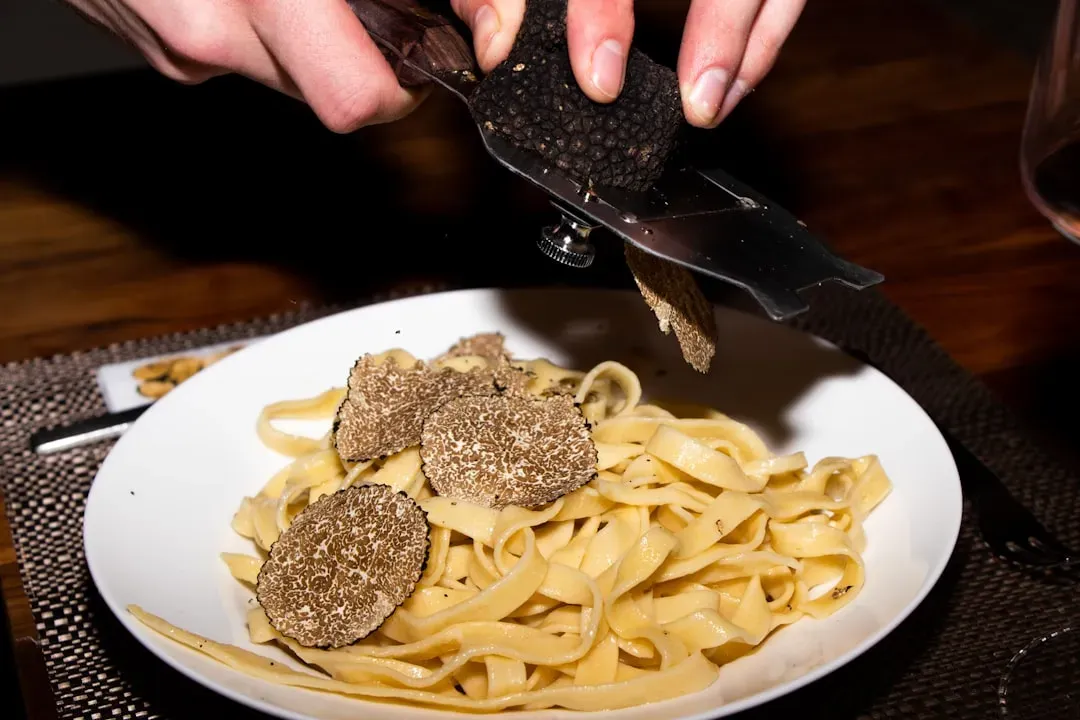
7. Anything Doused in "Truffle Oil" (Image Credits: Unsplash)
Truffle oil shows up on fries, pasta, popcorn, and pizza, usually with a price bump attached. The catch is that most of what’s labeled truffle oil has never been near an actual truffle. The alluring aroma of truffle oil can make any dish seem luxurious, but the vast majority of “truffle oil” contains no actual truffles; it is a synthetic chemical compound designed to mimic the scent.
Chefs often look down on it as a cheap trick to inflate a dish’s price, since its overpowering aroma masks the flavor of the other ingredients, and if you want the true truffle experience, you should order a dish with fresh truffle shavings and be prepared to pay for it. The lesson isn’t that truffle-flavored dishes taste bad. It’s that you shouldn’t expect the luxury ingredient just because the menu invokes its name.
8. Scrambled Eggs at Breakfast or Brunch
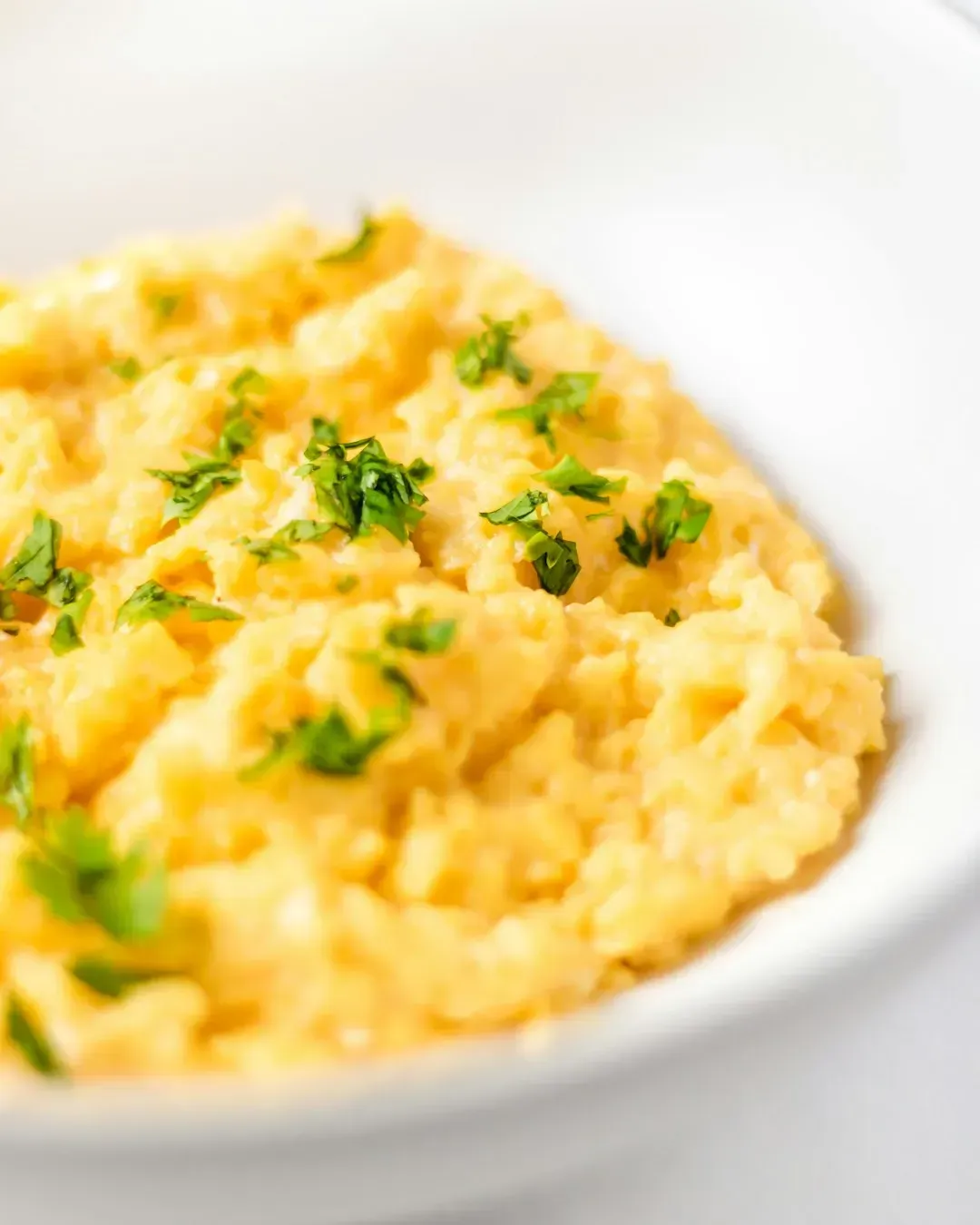
8. Scrambled Eggs at Breakfast or Brunch (Image Credits: Unsplash)
Scrambled eggs seem like the safest possible order, the kind of dish nobody could mess up. Chefs disagree, and the reasoning is surprisingly specific. Chefs tend to steer well clear of scrambled eggs when they’re eating out, because so many chefs just don’t know how to make them properly. “This simple item is one that lots of chefs can’t master, because they do not understand the flavor, or viscosity of eggs,” says chef Felix Tai. “An overcooked, dried out egg is the worst sight ever, on a buffet line, or on a plate.”
To be fair to the kitchens, this isn’t always a skill issue. This may not always be the chef’s fault, though; if you’re dining in a busy restaurant at peak breakfast time, it may simply be that your plate has sat on the side for too long. Either way, a dish that requires precise timing and gets treated as an afterthought during the brunch rush rarely comes out right.
9. Fajitas and Chimichangas at "Authentic" Mexican Spots
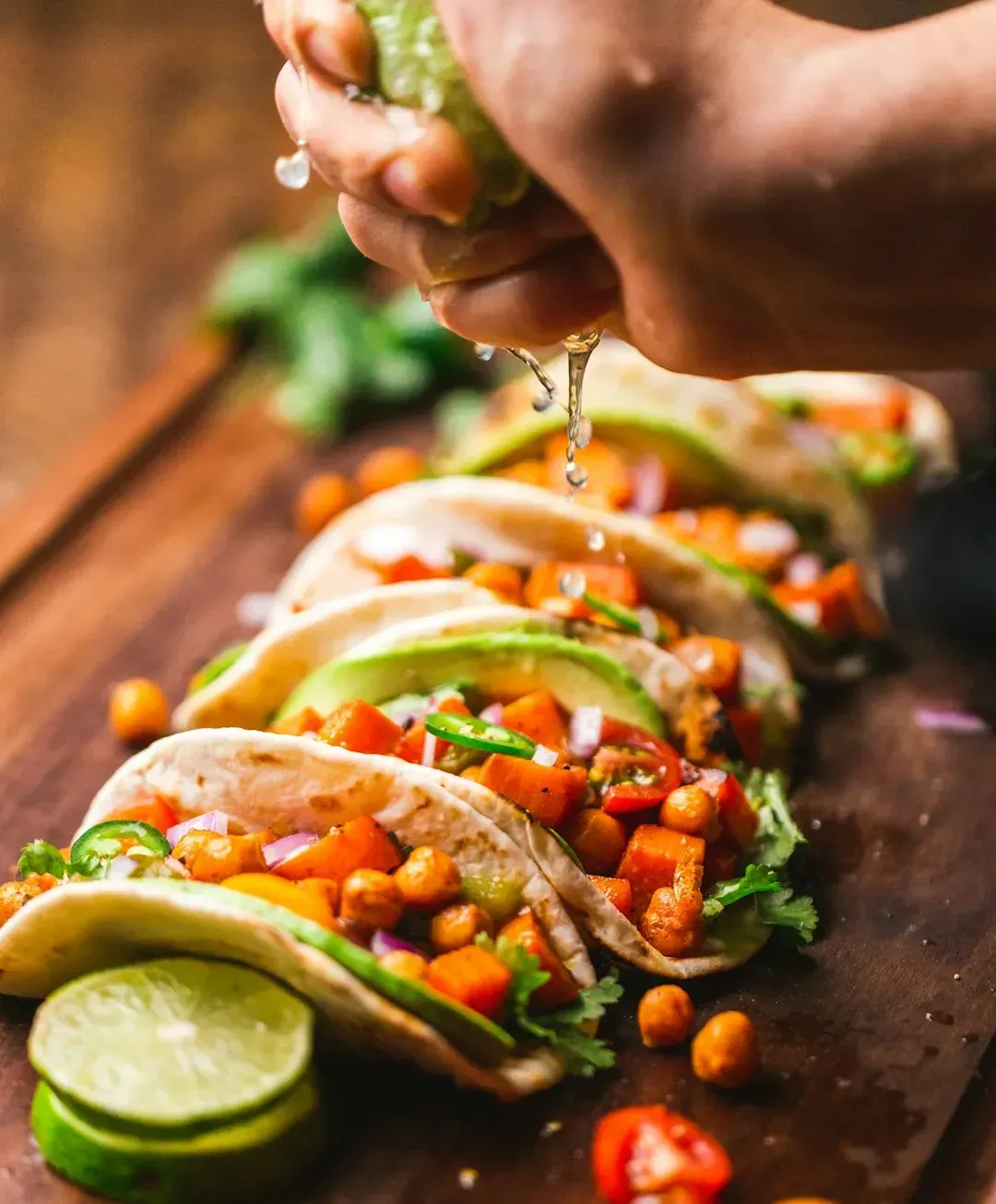
9. Fajitas and Chimichangas at "Authentic" Mexican Spots (Image Credits: Unsplash)
Some dishes aren’t overpriced so much as misplaced, ordered at restaurants where they simply don’t belong. Chefs at genuinely traditional Mexican kitchens tend to wince at a few Tex-Mex staples. At a true Mexican restaurant, it’s wise to avoid any of the Americanized dishes that aren’t authentic, and that includes the deep-fried burrito known as the chimichanga, according to Omar Montero, chef at La Santa Taqueria in Miami.
Fajitas get the same treatment. It’s hard to skip the sizzling fajitas at Chili’s, but to order them at a Mexican restaurant would be inauthentic; “The worst thing to order would be fajitas,” says Dariel Vazquez, the regional chef at Bodega Taqueria y Tequila, calling them “as American as apple pie” and recommending tacos al pastor or barbacoa tacos instead. If a kitchen specializes in something regional and specific, ordering the Americanized crossover dish usually means missing out on what the chef actually does best.
10. Fountain Sodas and House Cocktails Built on Cheap Mixers
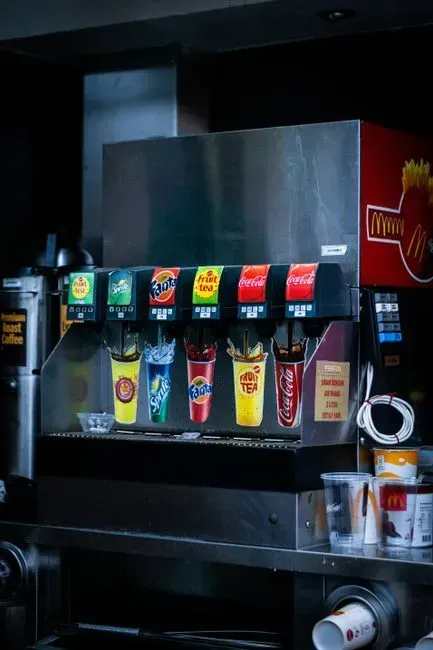
10. Fountain Sodas and House Cocktails Built on Cheap Mixers (Image Credits: Pexels)
It’s not glamorous, but beverages remain one of the biggest quiet profit centers on any menu, and chefs and industry analysts alike point to them as the poorest value item on a per-dollar basis. That $20 bowl of pasta cost the kitchen under a dollar to make, but to survive on razor-thin margins, restaurants rely on a few everyday items marked up by well over 1,000%, with the undisputed champion of restaurant markups being the fountain beverage. The same logic applies to a lot of house cocktails built around inexpensive mixers rather than premium spirits.
The wider industry data confirms just how lopsided this category is. Beverage markups in restaurants are generally higher than food markups, often ranging from 300% to 400%, because beverages typically have lower preparation costs and spoilage rates compared to food items, and high beverage markups can significantly contribute to a restaurant’s profitability. None of this means you should never order a drink with dinner, but it explains why a soda refill or a simple well cocktail can feel like an outsized add-on to the bill.
Why These Patterns Keep Showing Up
Why These Patterns Keep Showing Up (Image Credits: Unsplash)
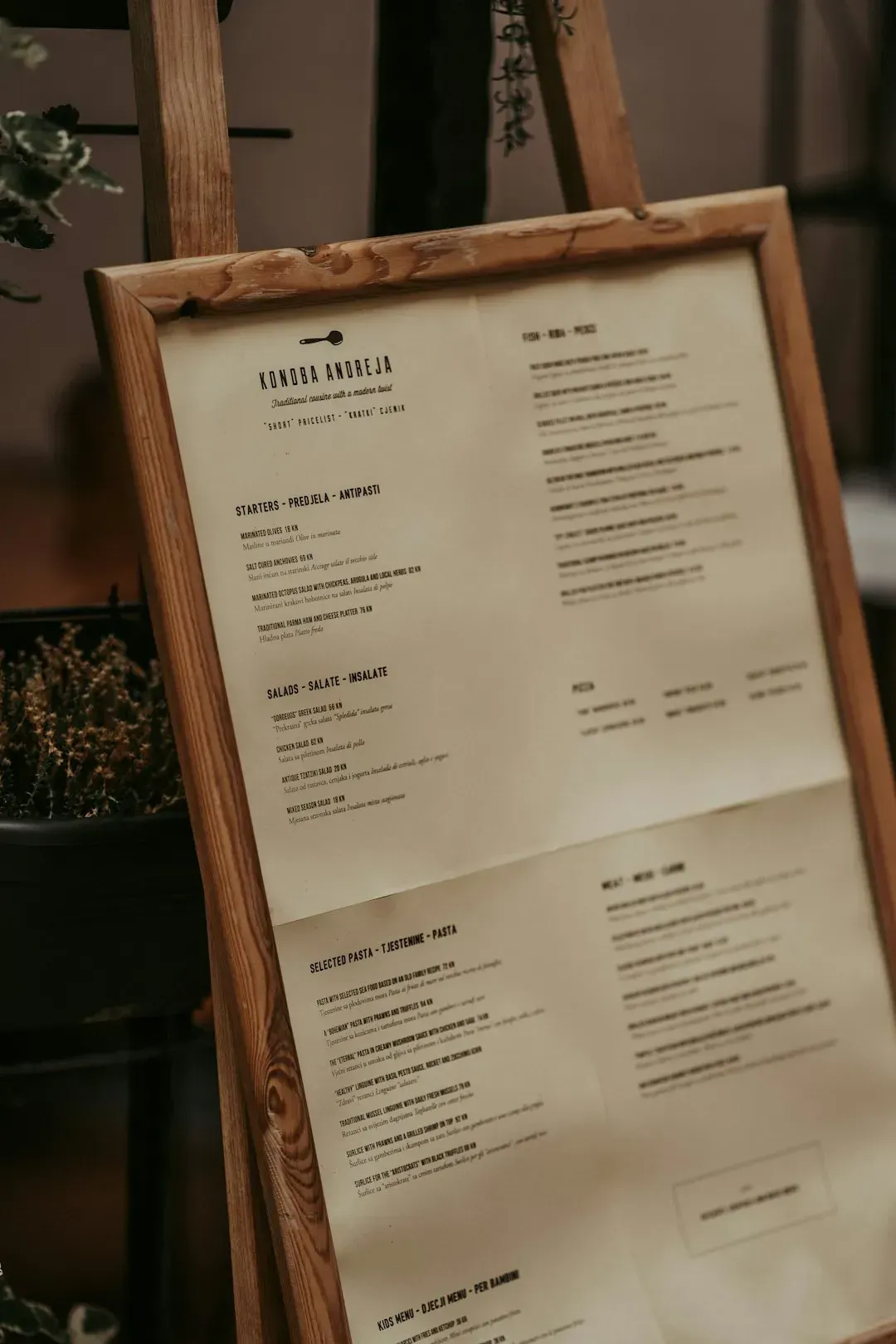
None of this happens by accident. Menu design is a deliberate discipline, and restaurants actively engineer which dishes get pushed toward customers regardless of whether those dishes represent good value. Your menu’s layout and design significantly impact what customers order, and operators are trained to place their highest-margin items exactly where the eye lands first.
Fried appetizers, sugary drinks, and simple carb-heavy dishes tend to dominate the profitability rankings for a reason. The most profitable items tend to share a few traits: affordable ingredients, strong customer appeal, and operational simplicity, with high-margin foods typically offering 60% to 75% profit margins, and pizza, burgers, and fried items dominating profitability rankings. Knowing this doesn’t mean you have to boycott fries forever, but it does help explain why certain dishes get menu real estate that has nothing to do with how good they actually taste.
How to Order Smarter Without Overthinking It
How to Order Smarter Without Overthinking It (Image Credits: Unsplash)
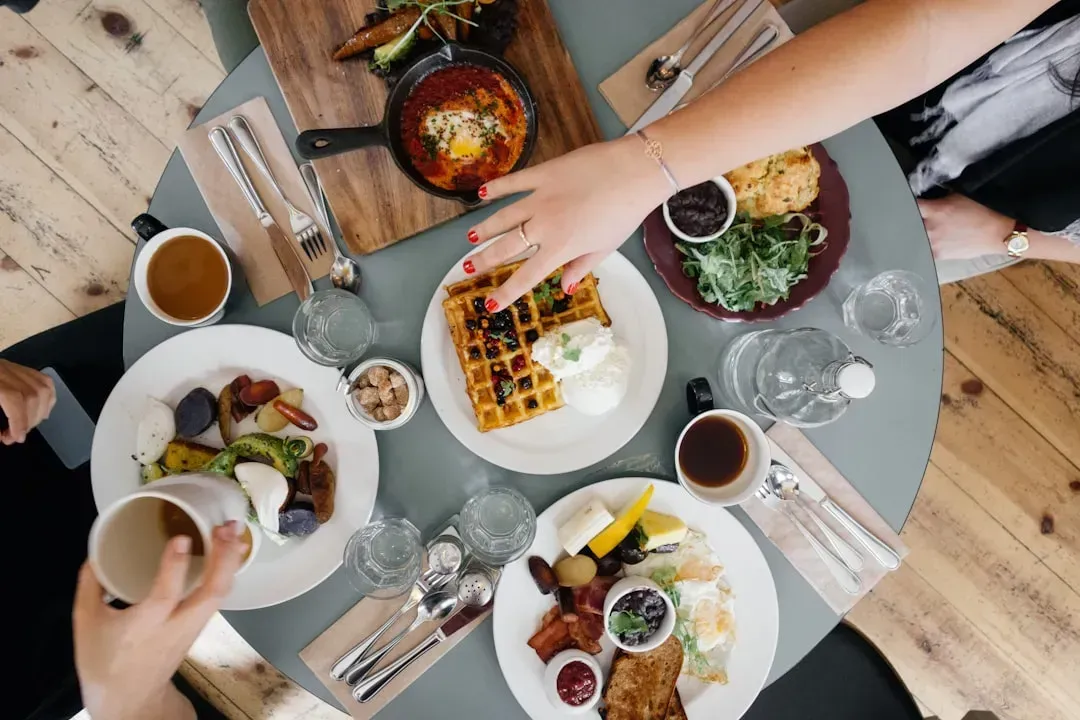
None of this is meant to turn dinner into a forensic investigation. The simplest strategy is to lean toward whatever a kitchen is clearly known for, rather than the generic filler dish included to satisfy the broadest possible crowd. A steakhouse that also serves fajitas, a sushi bar that also serves burgers, or a diner that suddenly offers truffle fries should all raise a small, friendly eyebrow.
It also helps to remember that expensive doesn’t automatically mean better, and cheap doesn’t automatically mean bad. A well-executed pasta dish or a thoughtfully made sandwich can easily outshine an overpriced, under-loved entrée sitting at the top of the menu. Paying attention to what a kitchen seems proud of, rather than what it’s simply trying to sell, tends to lead to a better meal almost every time.
The Takeaway for Diners
The Takeaway for Diners (Image Credits: Unsplash)
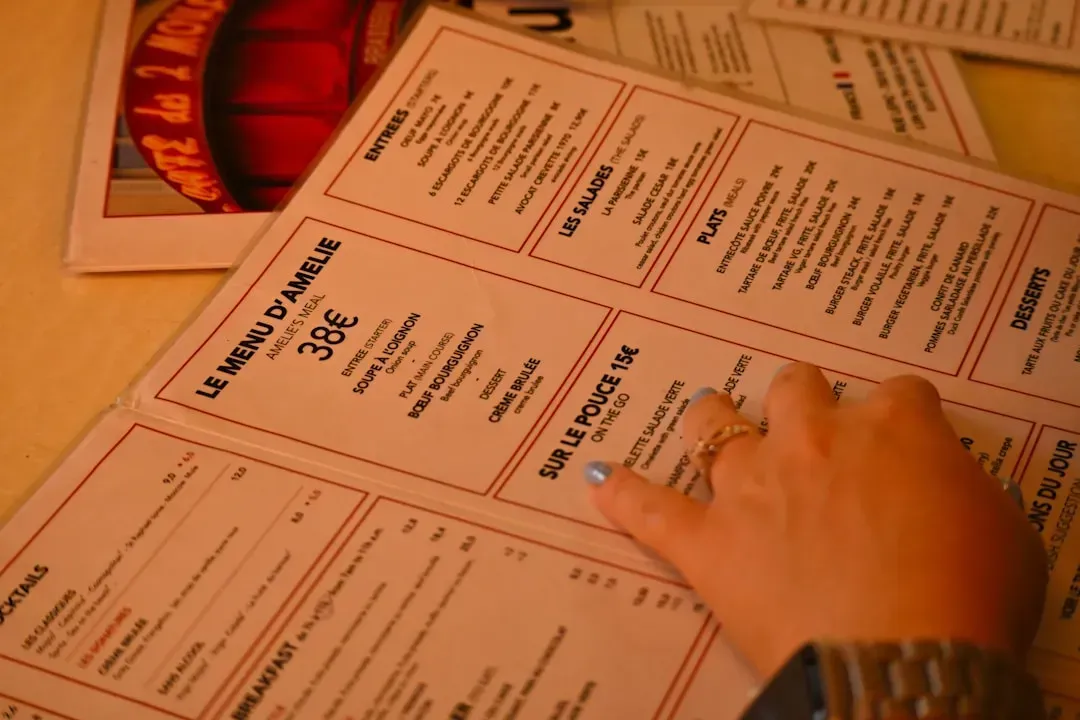
Chefs aren’t trying to ruin anyone’s dinner plans by sharing these opinions. If anything, they’re offering a shortcut past the marketing language and menu psychology that most of us never think to question. Skipping the truffle fries or the fountain soda isn’t going to change your life, but it might mean spending your money on the dish the kitchen actually put its heart into.
At the end of the day, a menu is a sales tool as much as it is a list of food, and it pays to read it with a little healthy skepticism. The best meals rarely come from the safest, most heavily promoted item on the page. They come from asking what the kitchen does uniquely well, and ordering that instead.