
Walk into the home of someone who retired the old-school way, and something quietly hits you. It’s not one single thing. It’s an atmosphere, a collection of objects and habits that quietly broadcasts decades of discipline, routine, and a very different relationship with money and time. These aren’t people who tracked their net worth with an app or followed financial influencers online. They saved, they lived within their means, and they got there the slow, steady way.
What’s fascinating is how clearly their homes reflect that mindset. Certain items appear again and again, not just as remnants of an older era, but as active choices. Some are practical. Others are deeply sentimental. All of them tell a story about a generation that treated retirement as something you earned, not something you hacked.
A Landline Phone, Still Plugged In
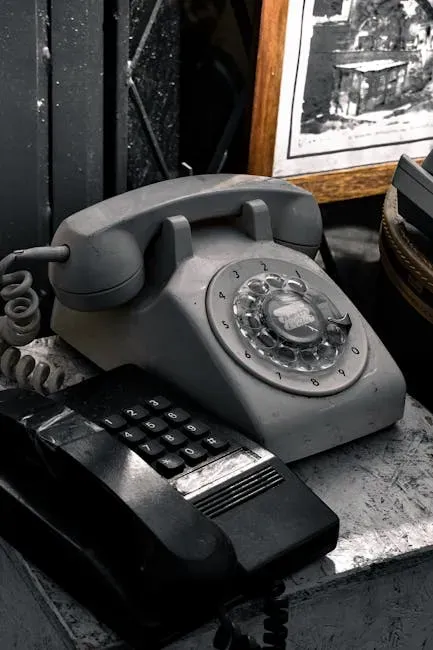
A Landline Phone, Still Plugged In (Image Credits: Pexels)
According to a survey, roughly 45 percent of Boomers still have landlines at home, and 40 percent of them say they'll never give them up. That number might seem surprising until you understand the reasoning behind it. Landlines represent something beyond just making calls. They're about reliability, clarity, and a connection to home that feels more permanent than a device you carry around. For Boomers, the landline is the family phone.
Phones tethered to the wall were reliable, always charged by the house, working even when mobile batteries died. Boomers often value that dependability. There's also a practical logic to it: it never needs charging, the signal doesn't drop, and it works the same way it did thirty years ago. In a world that keeps changing the rules, that kind of consistency is genuinely comforting.
Physical Photo Albums Stacked on a Shelf
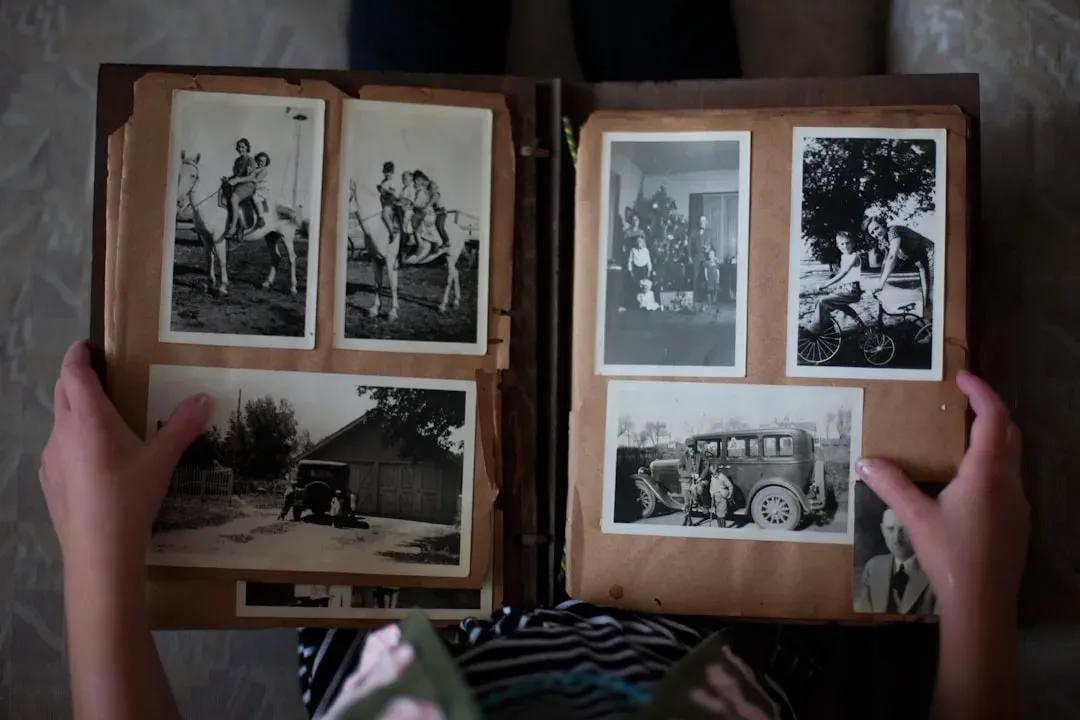
Physical Photo Albums Stacked on a Shelf (Image Credits: Unsplash)
Digital photography has revolutionized the way we capture and store memories, but Baby Boomers continue to cherish physical photo albums. You'll find them on coffee tables, in living room bookcases, or stacked on shelves with careful handwritten labels on the spine. These aren't accident. They represent a deliberate act of preservation, the belief that a memory locked in a physical object is safer than one floating in the cloud.
While everyone else is scrolling through endless digital photo galleries, Boomers are flipping through actual photo albums. Honestly, it's kind of sweet. There's a warmth to sitting down with an actual album that no Instagram grid can replicate. Old-school retirees often have decades worth of these, organized by year or by trip, each one a chapter of a life lived deliberately.
A Well-Stocked China Cabinet
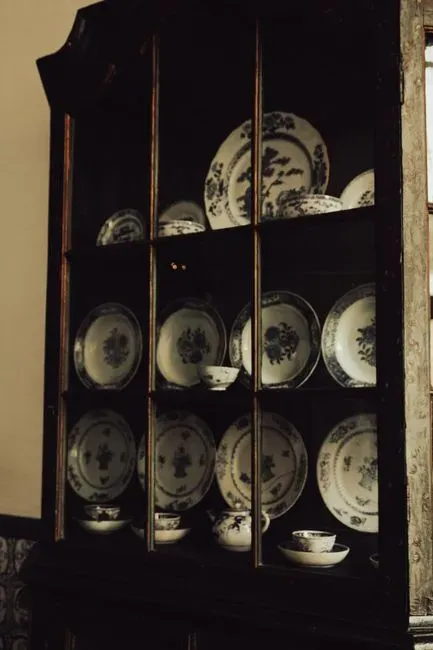
A Well-Stocked China Cabinet (Image Credits: Pexels)
Boomers grew up valuing the "good dishes," the ones you only use on holidays. These carefully arranged china cabinets are now rarely opened, and the dishes are almost never touched. Younger generations prefer minimalism and everyday plates, but Boomers still believe that fine porcelain is a symbol of adulthood and good hosting. The china cabinet stands as a kind of monument to the idea that some things are worth saving for a special occasion.
Many Boomers have a china cabinet showcasing delicate porcelain, crystal, or ornate dinnerware, the "good china" reserved for holidays or special occasions. It looks beautiful, and for decades these sets were signs of hospitality and craftsmanship. Nowadays, these items are infrequently used, often stored away year after year. Whether or not those special occasions ever come, the cabinet stays. It means something to them, even as decor.
A Checkbook and a Paper Register

A Checkbook and a Paper Register (Image Credits: Unsplash)
Even Boomers who now bank online often still keep a check register, a small notebook used to track every expense and deposit by hand. It's how they learned to manage money, and many still trust it over an app. This isn't stubbornness. It's a system that worked across an entire working life, one that kept them out of debt and on track for the retirement they actually reached.
Boomers trust checks. They provide a paper trail. They feel official and secure. They don't require understanding apps or worrying about digital security breaches. For a generation that watched friends and colleagues fall short on retirement savings, the discipline of writing down every transaction carries real meaning. The checkbook isn't just a relic. It's evidence of a habit that held.
Antique or Inherited Furniture
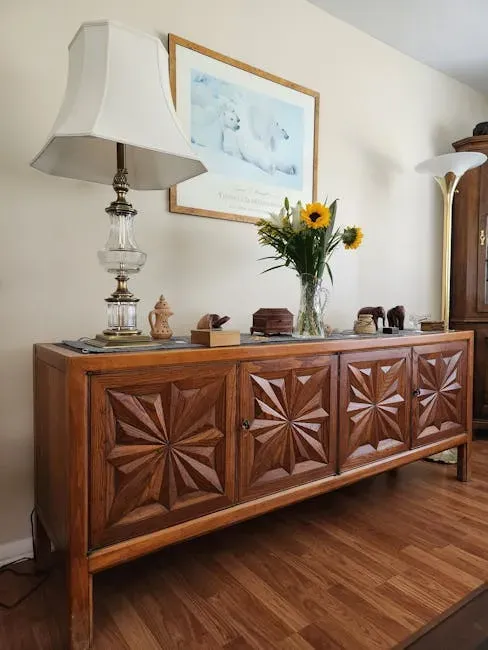
Antique or Inherited Furniture (Image Credits: Pexels)
Unlike other generations, Baby Boomers are more likely to have antique furniture. Boomers, unlike millennials or Gen Z, are more likely to live in large suburban homes and therefore have room for larger antique pieces. Boomers also tend to inherit the household goods from their parents, the Silent Generation, who favored antique furniture. This hand-me-down quality is part of what makes old-school retirement homes feel so layered with history.
For Baby Boomers, antique furniture is not just about aesthetics; they're about owning a piece of history. These items often remind Boomers of their childhood homes or represent an era they admire, making them valuable non-essential purchases. The end result is a living room that tells a story across generations, with a sideboard that belonged to a grandmother sitting next to a sofa bought in 1978. It's a different kind of interior design. Less curated, more lived-in.
A Garden That's Actually Tended
A Garden That's Actually Tended (Image Credits: Unsplash)
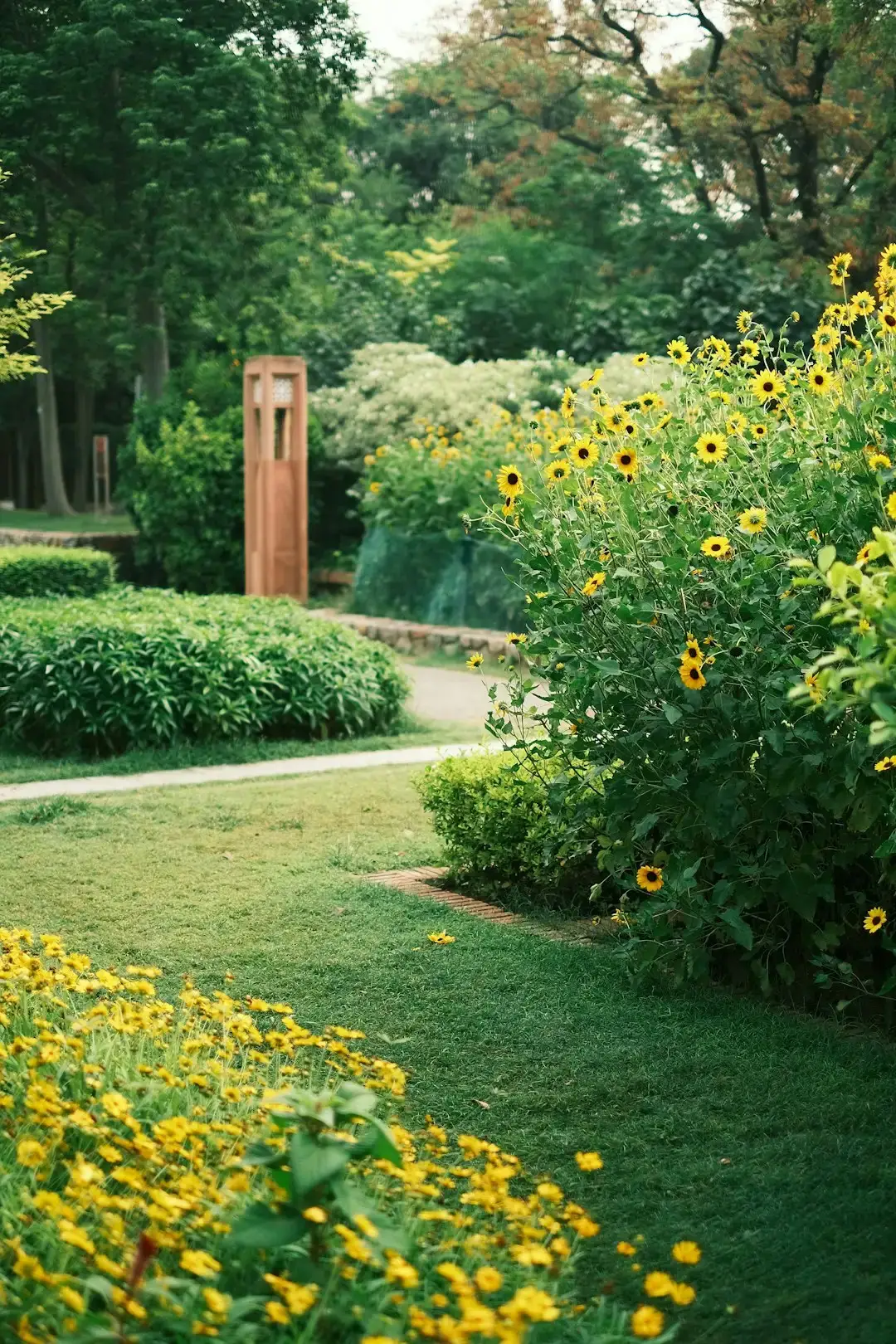
Many Baby Boomers have a deep appreciation for gardening. This is partly due to Boomer's concerns about clean living and healthy aging. This gardening appreciation leads to the purchase of various non-essential gardening tools and décor, from specialized pruning shears to decorative garden stakes and wind chimes, which enhance the gardening experience and the beauty of their outdoor spaces.
The garden at an old-school retiree's home is rarely decorative in the modern sense. It's productive, organized, and clearly attended to regularly. Vegetable patches, fruit trees, and herb beds reflect the same frugal instinct that drove their financial habits: growing your own just makes sense. It makes more sense to prepare your own food if you're retired, since you'll be spending more time at home anyway. You also save plenty of waste and minimize your footprint by growing and cooking your own food.
A Substantial CD or Vinyl Collection
A Substantial CD or Vinyl Collection (Image Credits: Pexels)
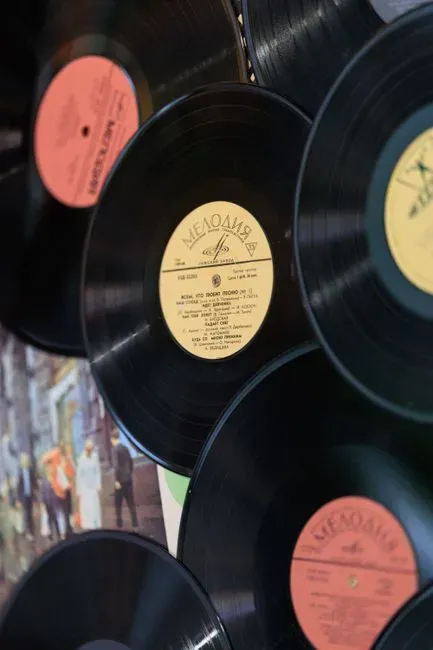
Walk into most Boomer homes and you'll find shelves dedicated to CD collections. Not just a few favorites, but hundreds of discs, often alphabetized, sometimes with handwritten notes about when and where they were purchased. Boomers are still buying CDs in significant numbers while younger generations have moved entirely to streaming. The physical music library is as much an identity marker as it is a playlist.
The resurgence of vinyl records isn't just a trend among the younger generations; Baby Boomers are rediscovering their love for vinyl, too. For many, vinyl records are not just about the music; they're about the experience of playing a record, the artwork, and the richer, more authentic sound. This return to vinyl is a blend of nostalgia and a desire for a more tangible connection to music. Either way, the music lives on shelves, not in the cloud.
Printed Newspapers and Physical Books
Printed Newspapers and Physical Books (Image Credits: Unsplash)
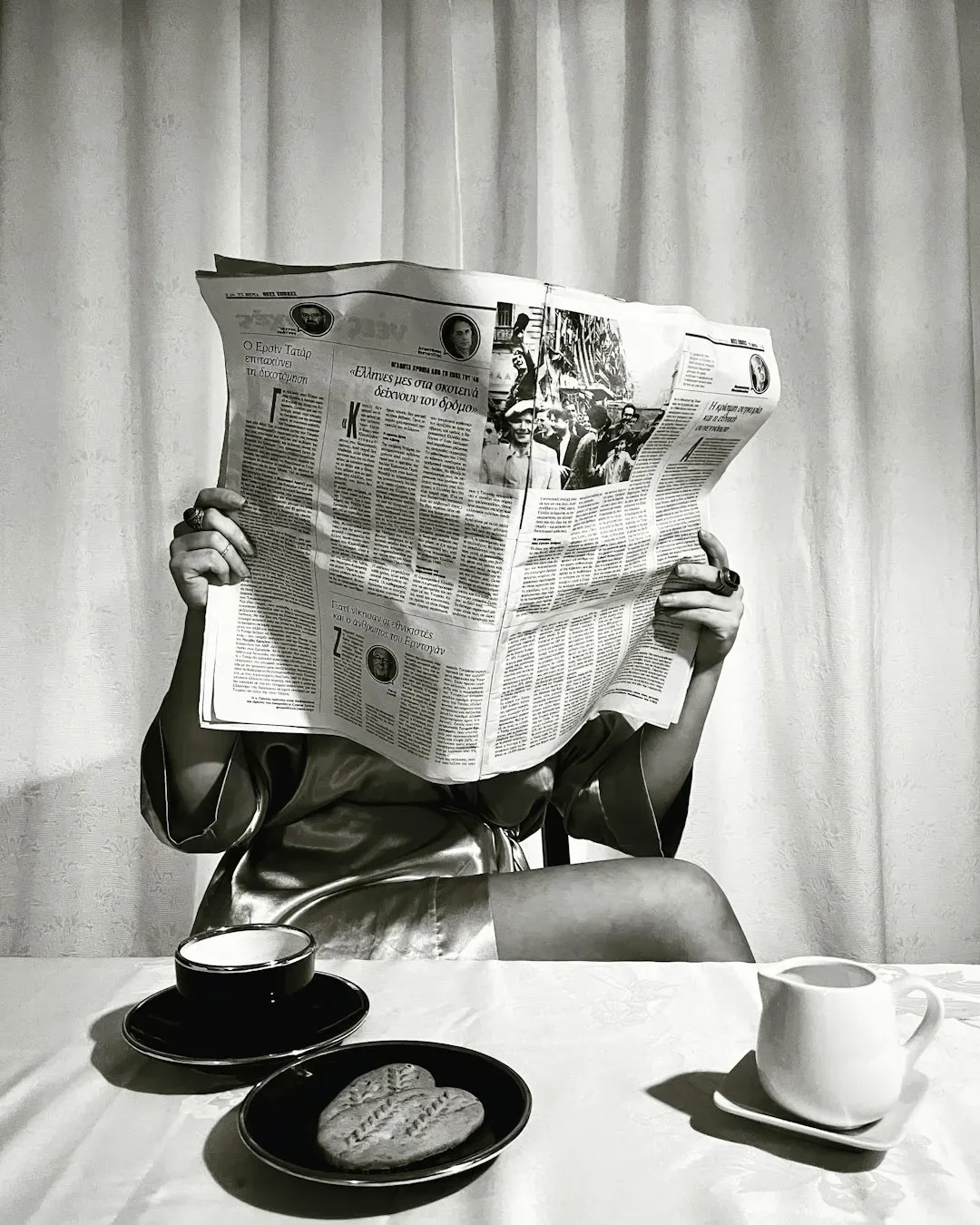
Despite the digital revolution, many Baby Boomers remain loyal to traditional print media. Newspapers, magazines, and books in their physical form have a certain nostalgia and tactile pleasure that digital versions can't replicate. This generation values the ritual of reading a newspaper with their morning coffee or flipping through the pages of a hardcover book, making these items cherished non-essentials in their daily lives.
Print media might be a fading industry, but Boomers are keeping it on life support. Some research suggests roughly 37 percent of adults aged 65 and older still buy print newspapers. Digital news is free and instant, but Boomers are creatures of habit. Flipping through a physical paper with their morning coffee is non-negotiable. The bookcase in these homes typically runs floor to ceiling, filled with decades of reading. It's a library, not an accent wall.
A Drawer Full of Appliance Manuals
A Drawer Full of Appliance Manuals (Image Credits: Unsplash)
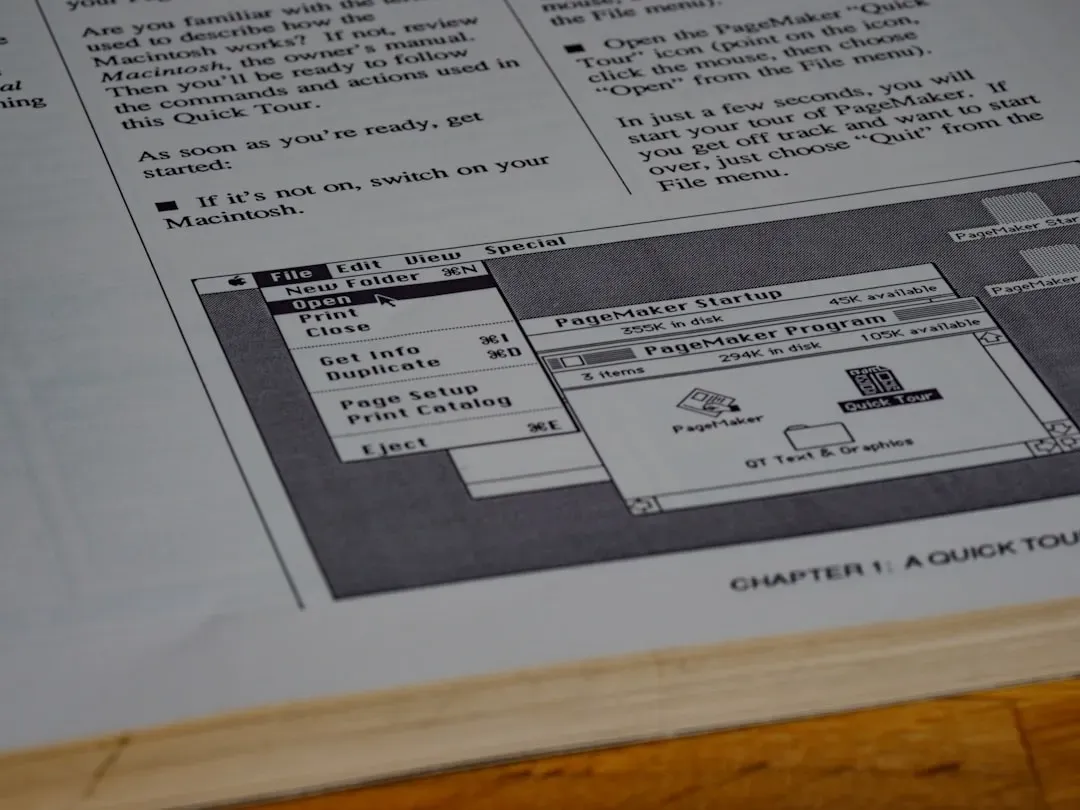
There's a drawer or file in every Boomer house stuffed with manuals, for appliances, electronics, even items they no longer own. It's a just-in-case archive, kept "for reference." Meanwhile, younger generations toss the paper and look it up online if something breaks or needs fixing. The manual drawer is a perfectly preserved expression of the old-school mindset: hold onto what you have, know how to fix it, don't depend on anyone else.
Baby Boomers, those born roughly between 1946 and 1964, grew up in a very different world: no internet, no smartphones, no streaming, and far fewer disposable goods. Things got used, kept, repaired, and passed down. Over time, many everyday items became symbols of a more analog era. The manual drawer is practically a monument to that ethic. If something breaks, you don't replace it. You fix it.
Collectibles and Display Shelves with Meaning
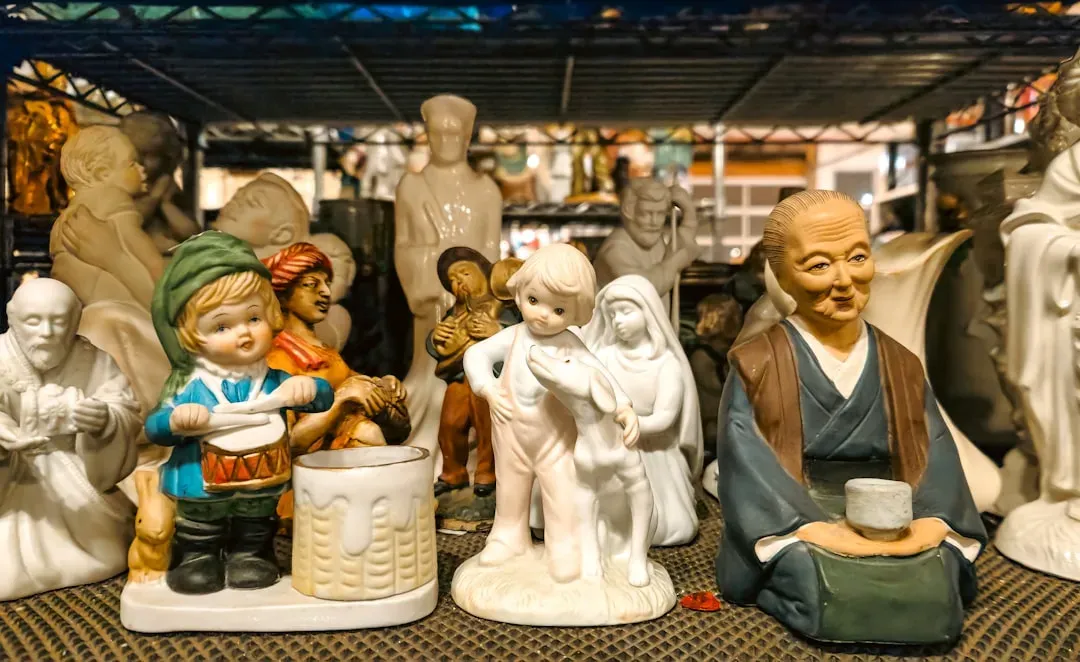
Collectibles and Display Shelves with Meaning (Image Credits: Unsplash)
Tiny decorative animals, angels, or seasonal trinkets fill shelves and mantels in many Boomer homes. These collectibles were gifts, keepsakes, or just part of decorating trends from decades past. To Millennials, they're clutter. But Boomers often associate them with sentiment, tradition, and a more personalized home. Every figurine has a story, a trip, a birthday, a grandchild who picked it out.
Collectible figurines, especially those from Boomers' childhoods or favorite historical periods, continue to be popular among this generation. Whether it's porcelain dolls, model cars, or figurines from beloved TV shows or movies, these items represent a piece of history and personal interest that Baby Boomers love to surround themselves with. The reason is that Boomers inherited the propensity to purchase collectibles from their parents, the Silent Generation, and came of age during a period of economic expansion. The display shelf isn't clutter. It's a biography, assembled one small object at a time, across a lifetime of small joys and careful spending.
There's something quietly instructive about walking through one of these homes. The objects aren't random. They reflect a coherent set of values: patience, physical permanence, self-reliance, and the belief that the things worth having are worth keeping. Whatever younger generations choose to keep or discard, these homes stand as a certain kind of proof that the slow path has its own rewards.