
Walk into a boomer’s home and you’ll likely sense something familiar but slightly off, like a museum where people actually live. The rooms are tidy, the furniture is arranged with care, and there’s a whole section of the house you’re somehow not allowed to enter. For millennials and Gen Z, stepping into that world can feel genuinely disorienting – not out of disrespect, but because the assumptions baked into the space are completely foreign to how they live.
This disconnect isn’t just about different tastes or rebellious youth rejecting their parents’ aesthetics. It represents a fundamental reimagining of what “home” means, shaped by economic realities, environmental consciousness, and radically different relationships with both physical space and social life. Here are eleven boomer home habits that consistently catch younger generations off guard.
1. Keeping a Formal Living Room No One Is Allowed to Use
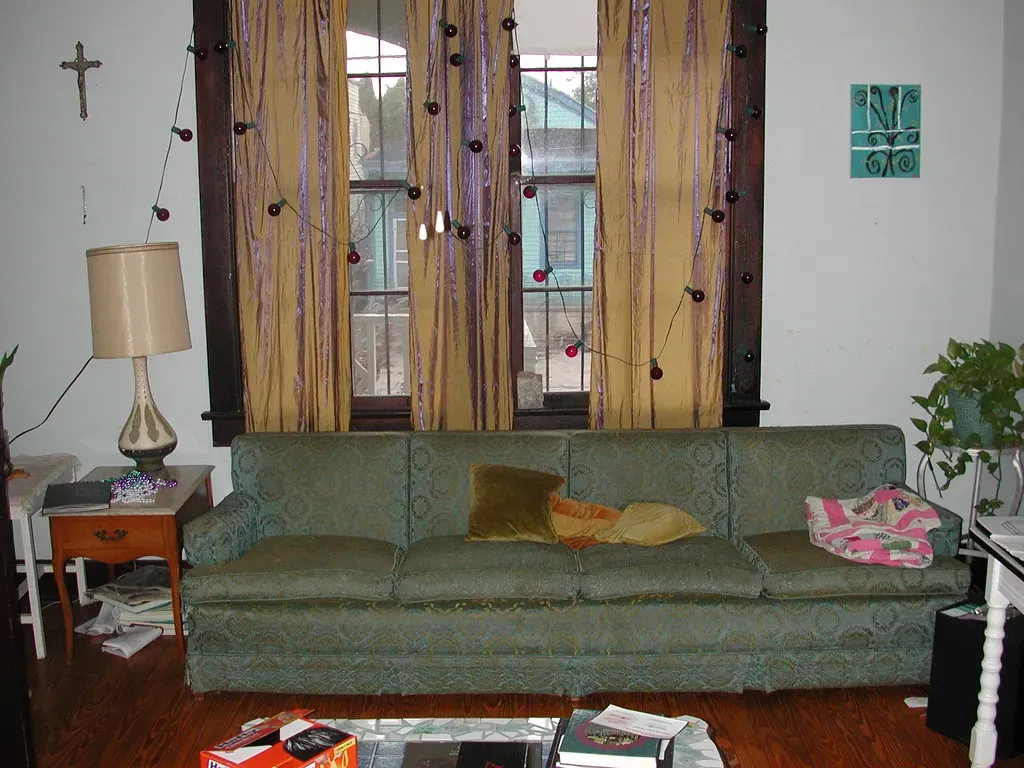
1. Keeping a Formal Living Room No One Is Allowed to Use (Editor B, Flickr, <a href="https://creativecommons.org/licenses/by/2.0/" target="_blank" rel="noopener">CC BY 2.0</a>)
Boomers often maintained a formal living room that was barely used, reserved for guests or special occasions that rarely materialized. Gen Z doesn't have space for rooms they don't actually use. The idea of dedicating an entire room to hypothetical visitors is genuinely baffling to younger people who approach their homes with a use-everything philosophy.
The room kids weren't allowed to enter except on Christmas – that shrine to "what if important guests visit" sitting empty 364 days a year – is a concept boomers with timeless taste long ago realized was absurd, given the cost of maintaining unused square footage in increasingly expensive homes. For millennials and Gen Z, every square foot should earn its place.
2. Plastic Covers on the Furniture
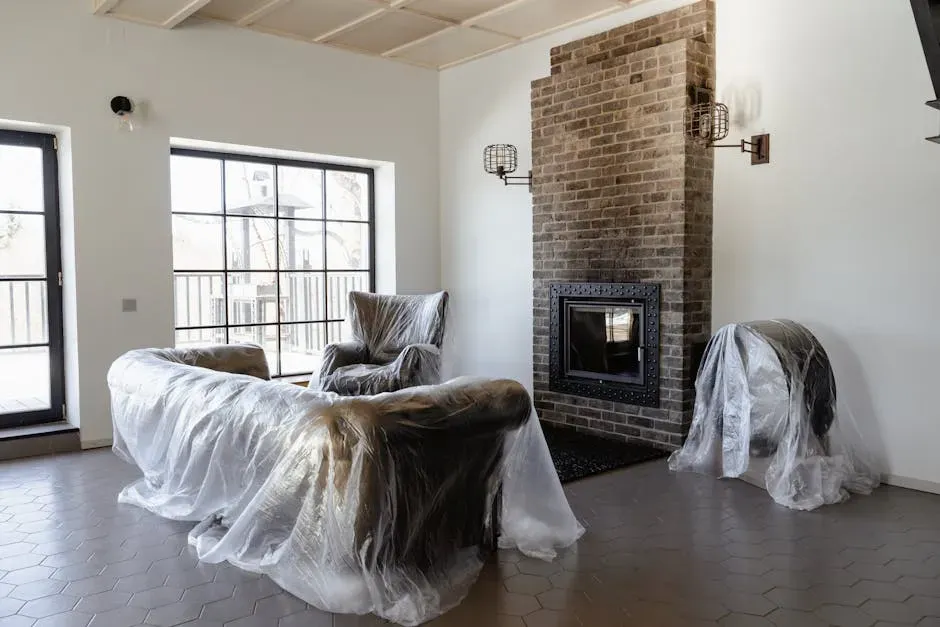
2. Plastic Covers on the Furniture (Image Credits: Pexels)
Plastic furniture covers are the ultimate expression of a very specific philosophy: the furniture must be preserved at all costs, even if that means sitting on what feels like a giant ziplock bag. The noise alone is enough to drive anyone out of the room. Every time you shift position, the plastic crinkles loudly enough to interrupt a conversation, a movie, or a perfectly good nap. Comfort is not part of this equation.
In summer, plastic covers turn any couch into a personal sauna. Your legs stick, you slide, and getting up requires a small physical commitment. The furniture underneath may be pristine, but nobody wants to sit on it anyway. The irony is that furniture protected by plastic covers is often never truly enjoyed. It is preserved for a future that never quite arrives.
3. The China Cabinet Full of Dishes No One Uses
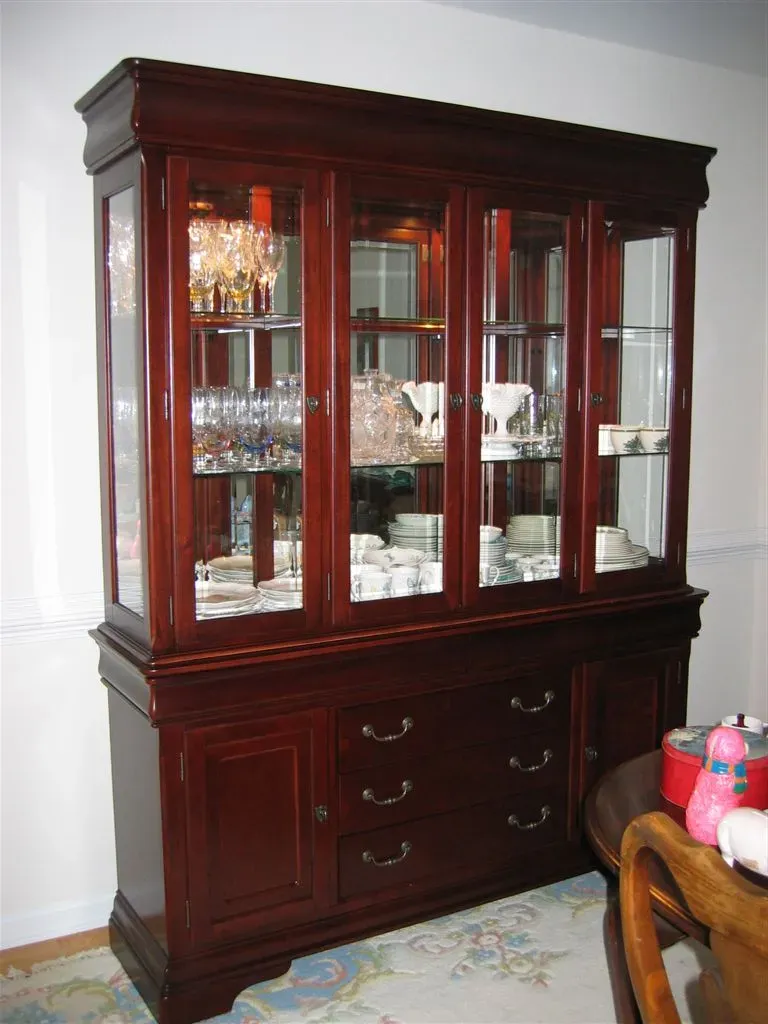
3. The China Cabinet Full of Dishes No One Uses (bnilsen, Flickr, <a href="https://creativecommons.org/licenses/by-sa/2.0/" target="_blank" rel="noopener">CC BY-SA 2.0</a>)
The formal display cabinet housing china or crystal stands as the perfect monument to generational divide. For boomers, it represented arrival: you'd made it to a life stable enough to require special dishes for special occasions, substantial enough to dedicate an entire piece of furniture to storing items used three times a year.
Gen Z looks at these cabinets and sees expensive storage for dishes they'll never use, taking up space in apartments they can barely afford. The very concept of "good dishes" versus "everyday dishes" implies a level of formal entertaining that feels like historical reenactment. When your dining table is also your desk and most friend gatherings involve takeout containers, maintaining separate dish hierarchies seems absurd.
4. The Oversized Wooden Entertainment Center
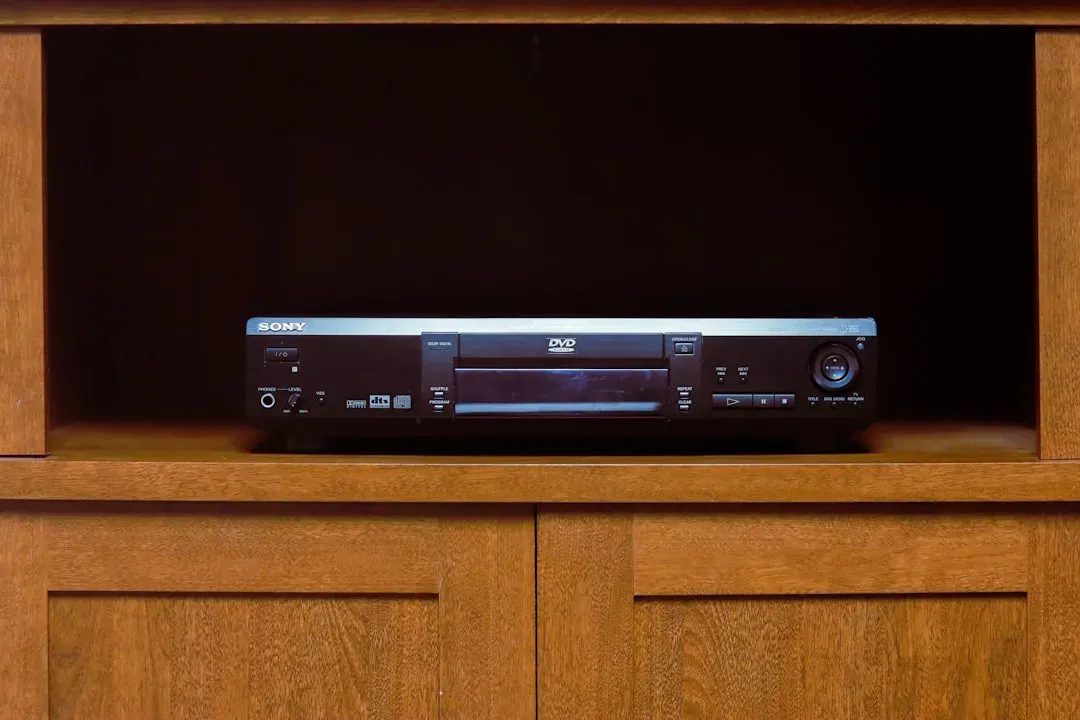
4. The Oversized Wooden Entertainment Center (Image Credits: Unsplash)
Boomers love a massive wooden entertainment center with multiple shelves, glass doors, and dedicated spaces for the TV, DVD player, sound system, and decorative items. It's furniture as architecture, a statement piece. Gen Z mounts the TV on the wall or props it on a minimalist stand. The fewer surfaces, the better.
On a deeper level, these entertainment centers represented permanence. A big purchase. An anchor for the family room. Letting go of one can feel symbolic, like acknowledging a shift in lifestyle. Younger generations simply don't build shrines to their viewing habits, especially when everything they watch streams from a device that fits in their pocket.
5. Decorating Every Surface with Objects That Serve No Function
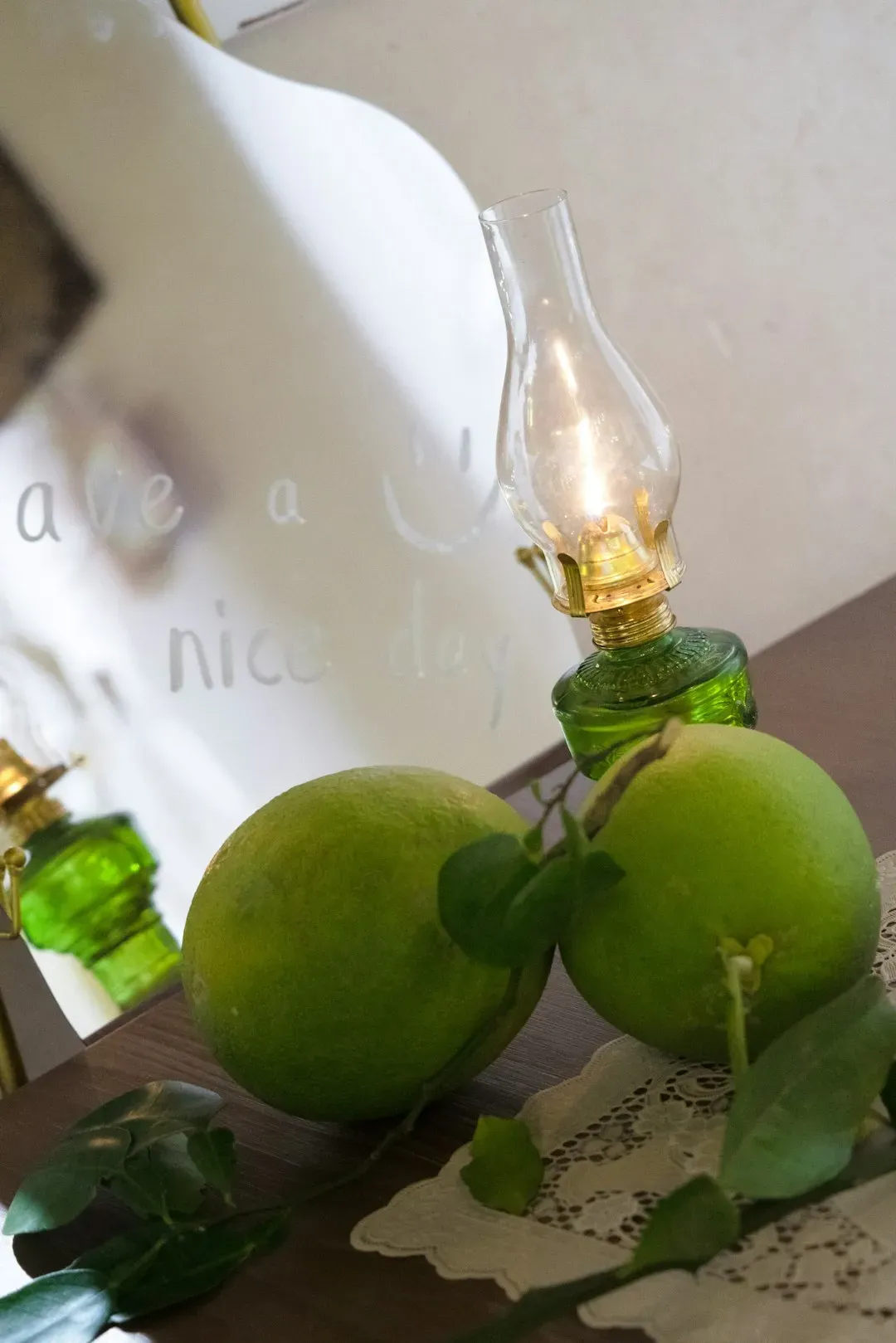
5. Decorating Every Surface with Objects That Serve No Function (Image Credits: Unsplash)
Nothing signals a boomer home quite like surfaces covered in smaller, decorative surfaces. Doilies under lamps, runners on tables, placemats under placemats – it's textiles all the way down. Each piece carefully chosen, regularly laundered, and mysteriously essential to proper home presentation.
Gen Z's relationship with table surfaces is simple: they're for putting things on. The idea of covering functional surfaces with decorative items that must be moved, cleaned, and stored strikes them as creating work for the sake of work. Their aesthetic leans toward surfaces you can actually use without navigating an obstacle course of fabric.
6. Guest Towels That Guests Cannot Actually Touch
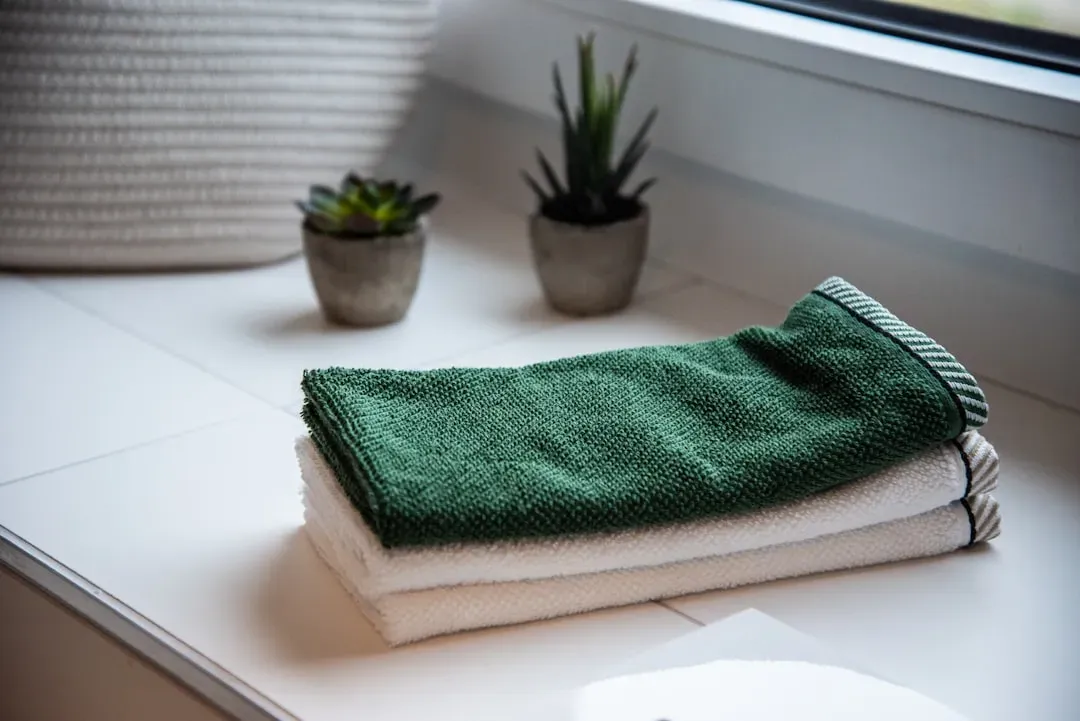
6. Guest Towels That Guests Cannot Actually Touch (Image Credits: Unsplash)
Somewhere in every boomer household lurks a set of towels that exist in a bizarre state of being too nice to use. They hang in the bathroom like museum pieces, forcing guests into the awkward decision of whether these are the mythical "guest towels" or merely decorative art that happens to be made of terry cloth. It's one of those boomer customs that sounds perfectly reasonable until you actually encounter it in real life.
For Gen Z, the concept of owning towels specifically for hypothetical guests – towels that somehow become too precious for their intended purpose – represents everything wrong with performative homemaking. They own towels. People can use them. End of story. The whole ritual of tiered bathroom linens registers as needlessly stressful for younger visitors who just want to wash their hands.
7. The Formal Dining Room That Seats Twelve but Hosts Two
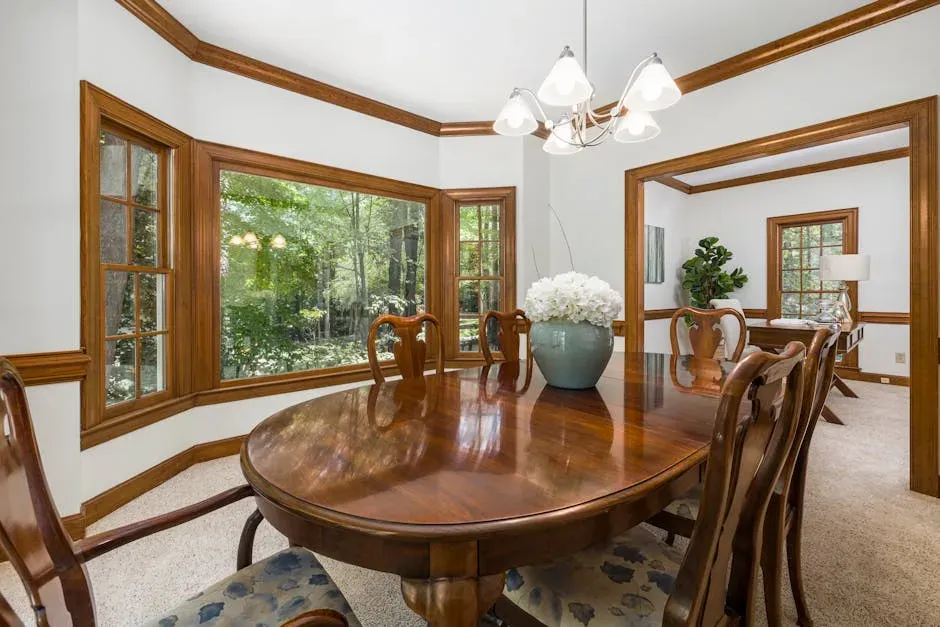
7. The Formal Dining Room That Seats Twelve but Hosts Two (Image Credits: Pexels)
Walk through any boomer's home and you'll see it: the formal dining room that seats twelve, used twice a year. The basement rec room with the pool table nobody plays. The guest bedrooms preserved like museums to children who left decades ago. They built these spaces for gathering, for noise, for life. Now they echo.
The art of setting a formal dining table was cherished by boomers, but it's not fully appreciated by millennials, who prefer relaxed dining and often opt for takeout. The hustle of modern life makes formal dining seem impractical for many. The formal dining room, with its stiff chairs and expectation of ceremony, can feel more like a performance venue than a place to actually eat.
8. Thick, Layered Window Treatments
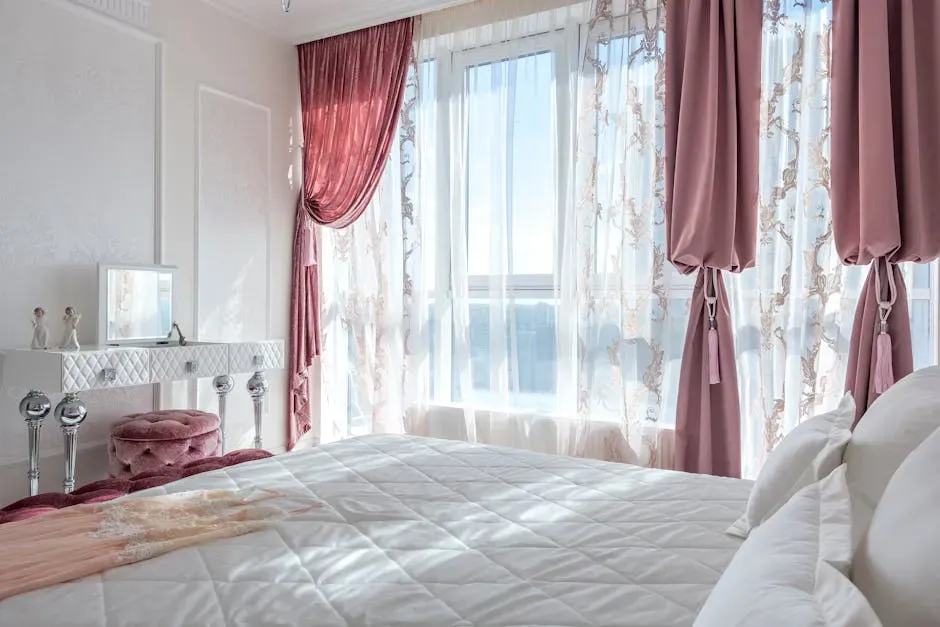
8. Thick, Layered Window Treatments (Image Credits: Pexels)
Baby boomers value tradition and comfort, often filling their homes with timeless pieces. When it comes to colors, they tend to gravitate toward soft neutrals like beige, creating a warm and welcoming space. Part of that warmth comes from heavy drapery – layered curtains, valances, and elaborate window treatments that block out most of the natural light in the process.
Younger generations have largely moved in the opposite direction, preferring sheer panels or nothing at all to let natural light flood in. Home decor trends are always evolving, influenced by cultural shifts, technological advancements, and changing lifestyles. Each generation has its own approach to design, from the rich, traditional aesthetics of baby boomers to the bold, eclectic expressions of Gen Z. With every new wave of design innovations, how we decorate our homes reflects who we are and how we live. Heavy drapes, to many younger eyes, just make a room feel sealed off from the world.
9. Hoarding Physical Paper in Every Drawer and Cabinet
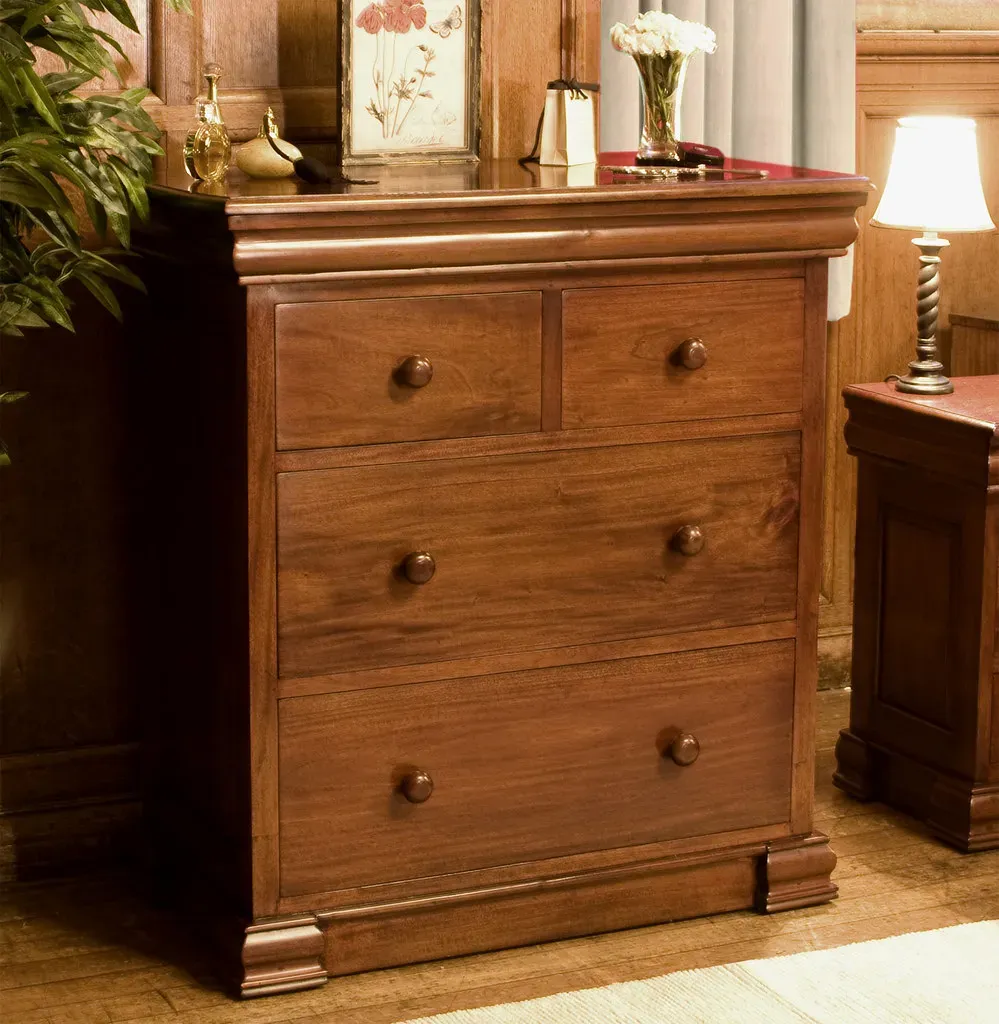
9. Hoarding Physical Paper in Every Drawer and Cabinet (Bonsoni.com, Flickr, <a href="https://creativecommons.org/licenses/by/2.0/" target="_blank" rel="noopener">CC BY 2.0</a>)
Boomers have a deep distrust of the paperless world. Filing cabinets overflow with decades-old receipts, warranty booklets, and bank statements they refuse to shred. Many older adults feel more secure with physical copies of important documents, despite the convenience of digital storage. It's a habit rooted in a time when paperwork meant proof, and proof meant security.
For millennials and Gen Z who store everything in the cloud and manage finances through apps, walking into a room with a dedicated filing cabinet full of 1990s utility bills is a genuinely foreign experience. This disconnect isn't just about different tastes – it represents a fundamental reimagining of what home means, shaped by economic realities and radically different relationships with physical space. Every stuffed drawer is a small reminder that two generations grew up in entirely different informational worlds.
10. Keeping the Television as the Focal Point of Every Room
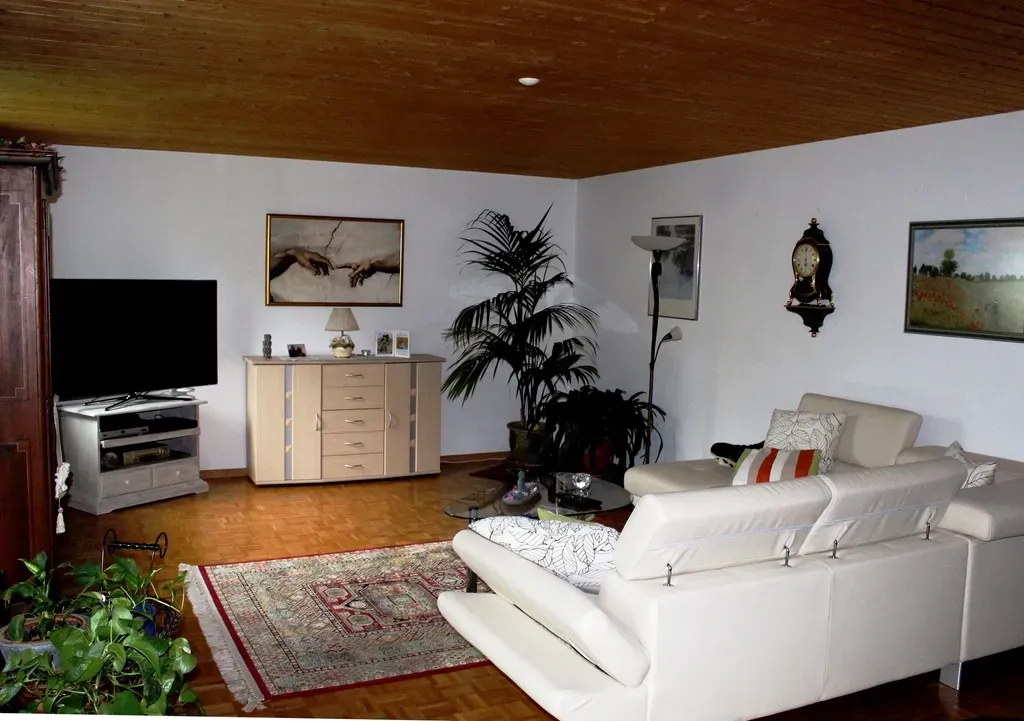
10. Keeping the Television as the Focal Point of Every Room (Image Credits: Rawpixel)
Boomers and Gen Xers are most likely to watch TV in the living room or even the kitchen. Many of them use this multifunctional space as a central gathering point with their family and will often have their TV over the fireplace or as part of a media wall. This influences how their living space looks, as it is usually all centered around the TV as a focal point.
Gen Z often consumes content in the bedroom but uses multiple devices like smartphones, tablets, and laptops to stream shows, scroll social media, or watch YouTube. This generation's approach to TV is more about flexibility, convenience, and personalization. This means that their living space does not usually have technology as a centrepiece, which seems strange for a generation we equate with technology.
11. Leaving the Thermostat Uncomfortably Cold in Summer and Stuffy Warm in Winter
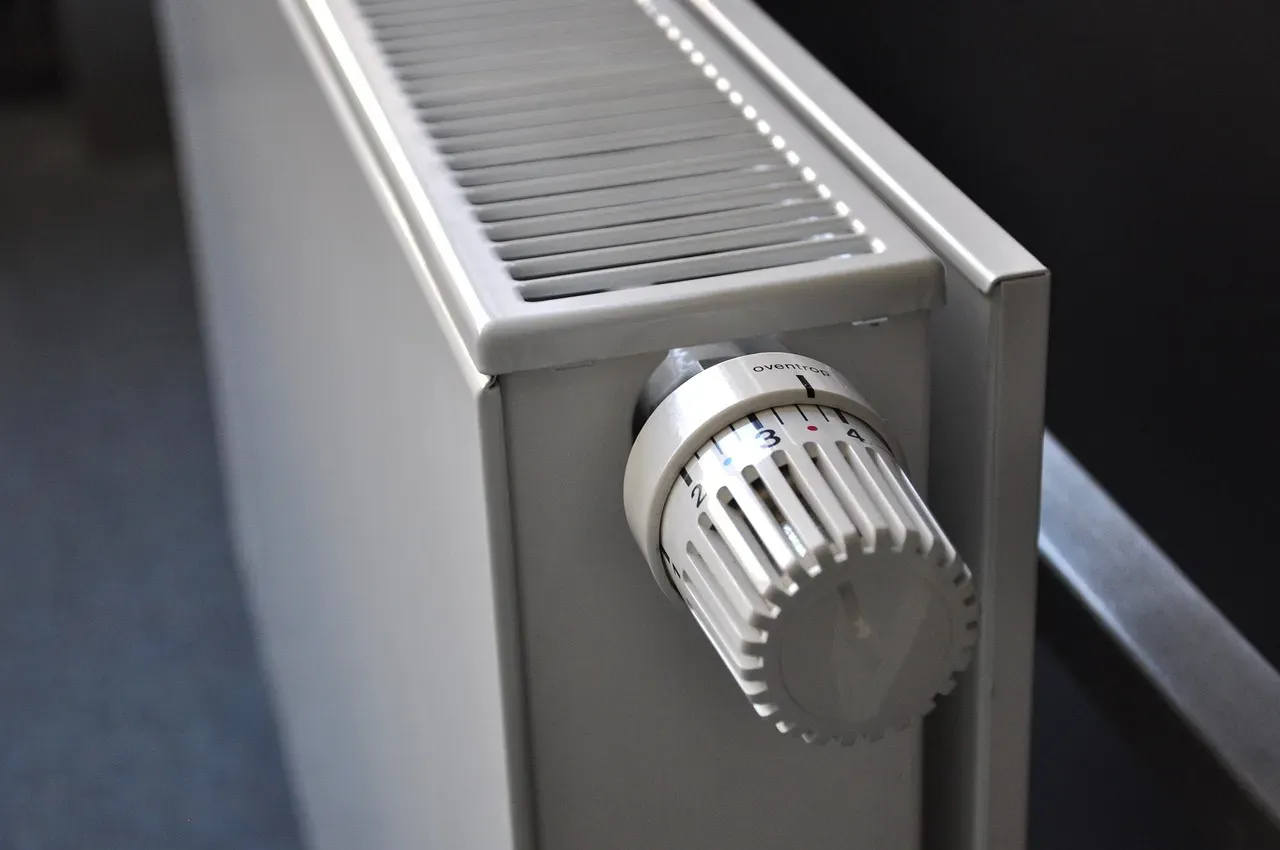
11. Leaving the Thermostat Uncomfortably Cold in Summer and Stuffy Warm in Winter (Image Credits: Pixabay)
Temperature management in a boomer household tends to follow a logic younger visitors can't always decode. The air conditioning in summer is often set at a level that requires a sweater indoors, while winter heating can leave a house feeling airless and dry. Boomers grew up in a world where hierarchy, stability, and face-to-face communication were both expected and valued. Millennials and Gen Z grew up in a world centered around technology, flexibility, and efficiency. This creates tension because each generation assumes their way is the right way, when they are simply operating from different rulebooks.
Generational differences can sometimes lead to misunderstandings, especially when it comes to habits and behaviors. What's considered normal or even endearing to one generation may feel outdated or intrusive to another. For a guest who prefers a temperate, flexible home environment, the boomer tradition of locking in one season-defying temperature and refusing to negotiate can feel like a surprisingly personal affront – even when it's offered entirely with good intentions.
None of these habits are meant to make anyone uncomfortable, of course. They're the accumulated logic of a generation that built their idea of home during a particular economic era, with different values around appearances, formality, and permanence. These rejected items and habits tell a story about changing values: experiences over possessions, flexibility over formality. They also reveal how much of what we consider "essential" is really just habit, passed down through generations until someone finally asks, "Wait, why do we need this again?" That question, more than anything, might be the most honest thing about the generational gap in the home.