
Parenting is one of those areas where the distance between generations can feel like a canyon. What was standard household discipline in the 1950s, 60s, and 70s would, in many cases, be unrecognizable to the parents raising kids today. Traditionally, parents of the Baby Boomers tended to use a more authoritarian style, one rooted in a firm belief that obedience was the highest virtue a child could demonstrate.
The most commonly used parenting style right now is “gentle parenting,” an approach which prioritizes connection between parents and children, identifying emotional drivers rather than punishments as a means to correct behaviors. The contrast with Boomer-era discipline is stark. Here are 11 punishments that were entirely normal back then and would leave today’s Gen Alpha parents wide-eyed.
1. The Belt
1. The Belt (Image Credits: Pexels)
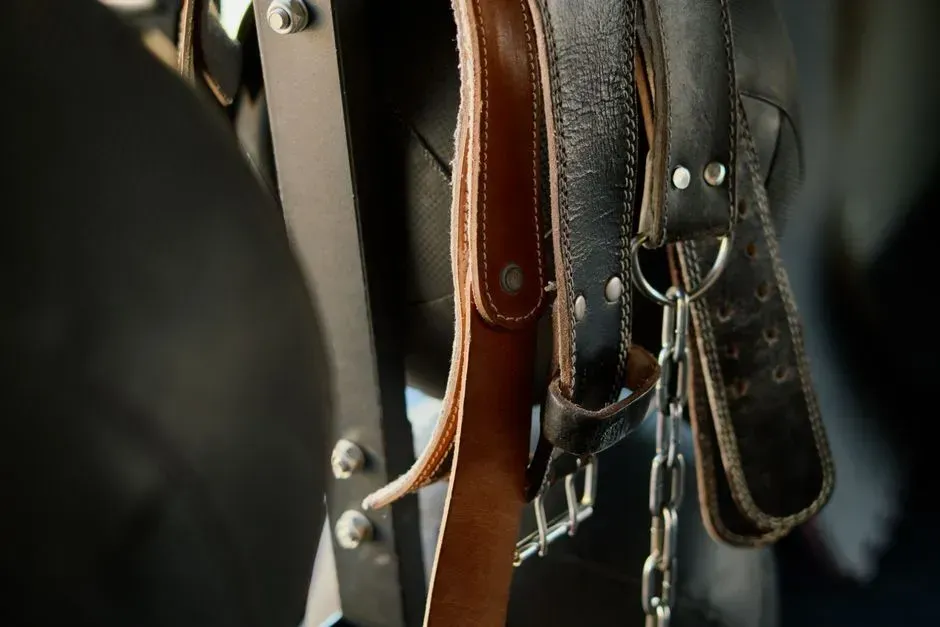
Corporal punishment typically took the form of spanking or slapping the child with an open hand or striking with an implement such as a slipper, wooden spoon, hairbrush, paddle, strap, or belt. The belt was one of the most common household implements used for discipline, kept not as a tool for cruelty but as an accepted parenting method passed down through generations.
Throughout history, until recently, most parents hit their children. In the 20th century, they sometimes used implements like belts, slippers, hairbrushes, and wooden spoons. Physical punishment of children was quite common in the 1970s and 80s, with roughly four out of five children reporting some kind of corporal punishment from parents at some time during childhood. For many Boomer kids, the belt was simply part of life.
2. Getting the Paddle at School
2. Getting the Paddle at School (Wesley Fryer, Flickr, <a href="https://creativecommons.org/licenses/by-sa/2.0/" target="_blank" rel="noopener">CC BY-SA 2.0</a>)
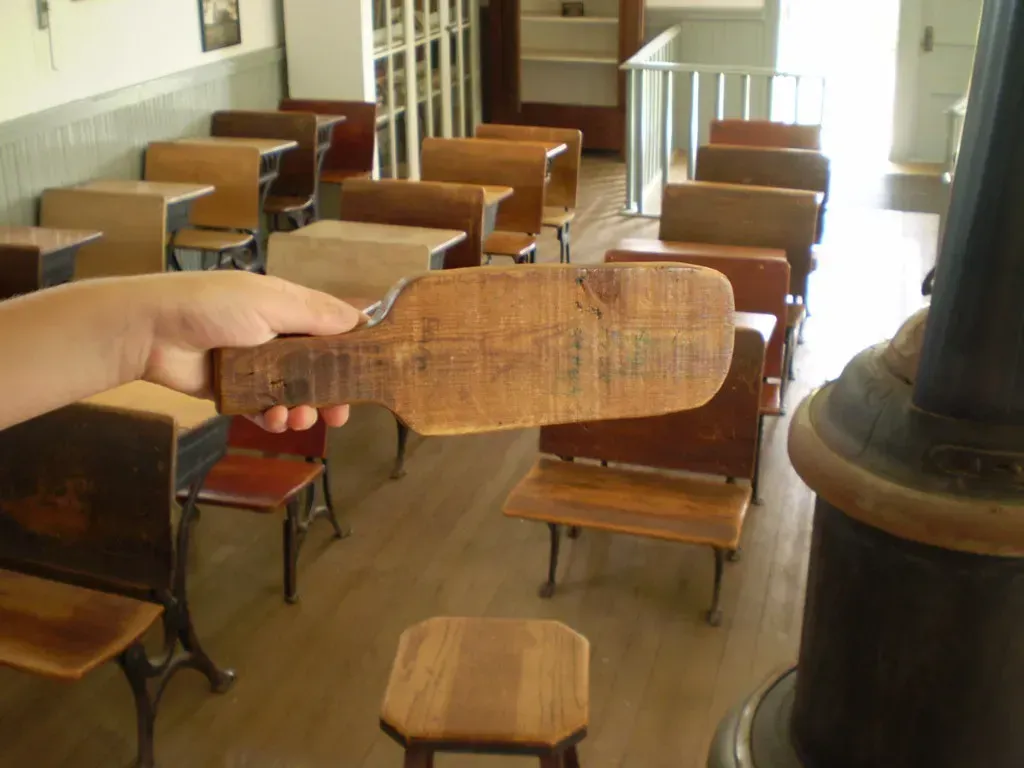
Corporal punishment was legal and common during the 1970s, and most school teachers maintained a wooden paddle in their possession. Teachers would hit students, typically on the buttocks, for backtalk, tardiness, or even missing homework. No phone call home, no parent meeting, no formal warning. A trip to the principal’s office could mean physical pain.
Some paddles even had holes drilled into them for reduced air resistance and greater sting. School principals, vice principals, and sometimes teachers kept a paddle at their desk, which would be used to whack kids who misbehaved. The idea that a school employee could physically strike a child without parental consent is virtually incomprehensible to today’s parents.
3. Washing Your Mouth Out with Soap
3. Washing Your Mouth Out with Soap (Image Credits: Unsplash)
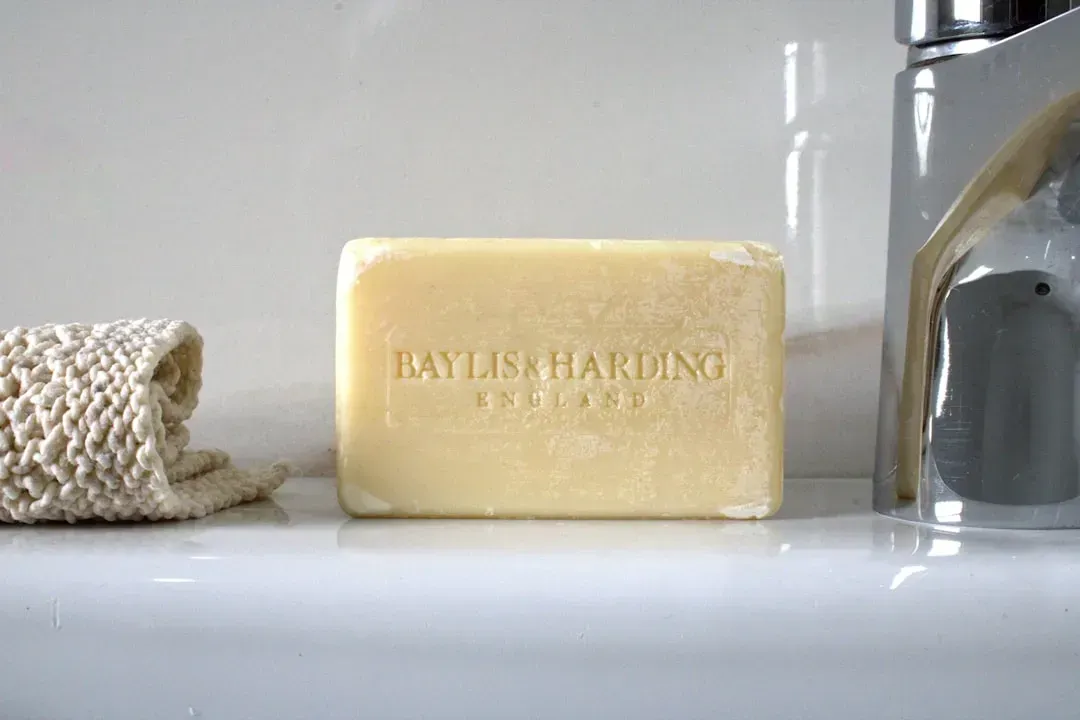
Back in the 1970s, the penalty for lying, swearing, or saying a dirty word was to get your mouth washed out with soap. Parents treated this as a practical, proportionate response to bad language. It was so widespread that it barely registered as unusual among families of that era.
Pupils who swore or “spoke back” could be required to wash their mouths with soap, sometimes literally rubbed into the teeth and on the tongue. This hygienically questionable habit could make the child sick or cause allergic reactions. From a modern standpoint, forcing children to ingest substances is actually classified as a form of corporal punishment, a fact that would genuinely alarm most Gen Alpha parents.
4. Kneeling on Hard Surfaces

4. Kneeling on Hard Surfaces (Image Credits: Pexels)
Some students were forced to kneel on hard surfaces, occasionally even on rice or pencils, for long periods. The idea was to cause pain without leaving marks. This punishment had roots in religious and military-style discipline and was treated as a way to instill humility and obedience. Parents and teachers alike considered it a legitimate corrective measure.
Such punishment was particularly prevalent in rigorous religious or military-style schools. It was also used at home, especially in households with strong Catholic or conservative traditions. The deliberate infliction of sustained physical discomfort on a kneeling child would now be considered abuse in most Western countries.
5. The Wooden Spoon
5. The Wooden Spoon (Image Credits: Unsplash)
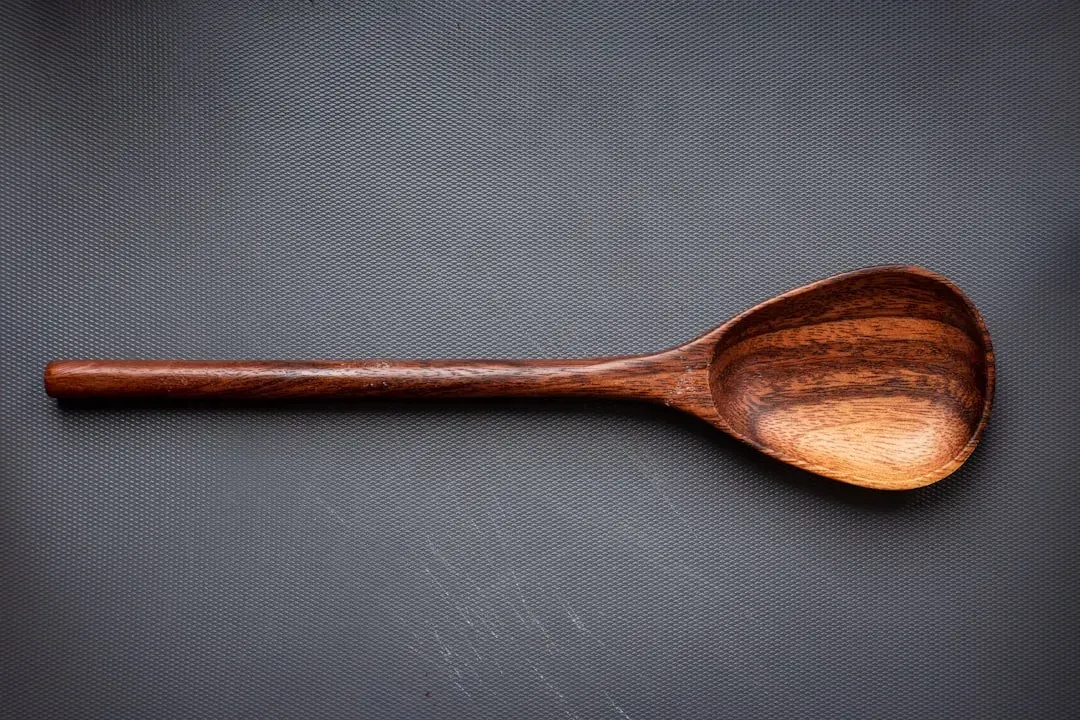
The wooden spoon has a long history as both a cooking utensil and, in Boomer households, a disciplinary tool. It was within easy reach, it stung, and it required no special preparation. For many kids growing up in the 1950s and 60s, the sight of a parent reaching for the kitchen drawer carried a very specific kind of dread.
The wooden spoon was among the common implements used in physical punishment alongside belts, hairbrushes, and paddles. Research later confirmed what many suspected: any spanking was associated with increased risk of abuse, and there were strong associations between abuse and spanking with an object. Yet for decades, the wooden spoon sat in kitchen drawers across the world without a second thought.
6. Standing in the Corner

6. Standing in the Corner (Image Credits: Pexels)
A standard discipline for a misbehaving child back in the 1970s was to be sent to a corner to stand there facing the wall for a set amount of time. This was considered a milder form of punishment, one that involved no hitting and left no marks. It was humiliating and physically demanding in its own quiet way, requiring a child to stand perfectly still while the rest of the household carried on normally.
Standing in the corner as a standard discipline has since been replaced with what is now called a “time out.” The modern time-out typically involves a child sitting calmly in a designated spot, sometimes with the option to self-regulate. Corner-standing with the express purpose of humiliation is a different concept entirely, and one most contemporary parenting experts would not recommend.
7. The Dunce Cap
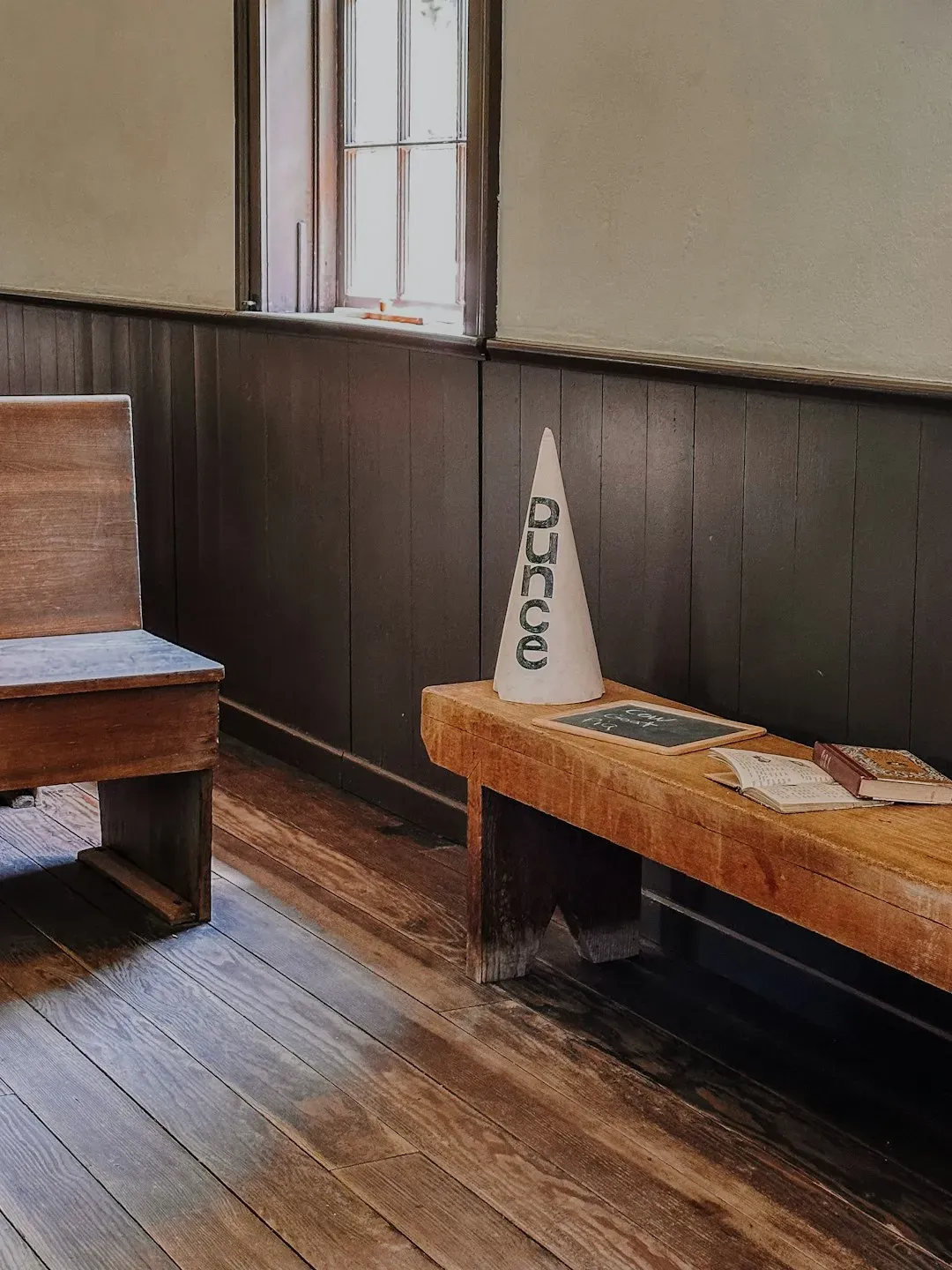
7. The Dunce Cap (Image Credits: Unsplash)
Even though more prevalent during earlier decades, a few schools in the 1970s, particularly parochial or rural ones, continued to use dunce caps. The conical hat designated a child as “stupid” and condemned them to stand or sit for long periods in the corner. Humiliation in front of others was the whole point of the ritual. It functioned as a public shaming exercise, designed so that the social embarrassment would do the disciplinary work.
In classrooms today, the emphasis is on psychological safety and emotional wellbeing. Consequences for poor behavior are now discussed, with children taking ownership for their outcomes, rather than simply being given a punishment. The notion of singling a child out in front of their peers with a physical marker of stupidity sits at the extreme opposite end of that philosophy.
8. The Ruler Across the Knuckles

8. The Ruler Across the Knuckles (Image Credits: Pexels)
Teachers, particularly in Catholic schools, wielded wooden rulers to slap students’ knuckles for writing mistakes or disobedience. The stinging pain was designed as a deterrent, particularly among left-handed students who were frequently “corrected” to use their right hand. Bruising and swelling were not unfamiliar side effects. This practice was delivered without hesitation and treated as entirely routine classroom management.
Teachers commonly hit children on the hand with a wooden ruler, and in many schools this required no formal justification. The combination of physical pain and forced behavioral correction in an academic setting is something that would prompt an immediate call to child services today. For Boomers, it was simply Tuesday afternoon in third grade.
9. Being Sent to Bed Without Dinner

9. Being Sent to Bed Without Dinner (Image Credits: Pexels)
Another typical punishment that is rarely practiced today was getting sent to your room without any supper. Hunger was considered a powerful motivator, and so it was treated as an effective form of discipline. Not only was the child denied nourishment, they were also secluded from the rest of the family as they enjoyed their evening meal and general family time.
Modern pediatric guidance strongly discourages using food as a punishment or reward, partly because of the complicated relationship it can create with eating and partly because of the basic welfare concern of withholding meals from a child. One of the most notable differences between Boomer and modern parenting is the approach to discipline and authority, with Boomers tending to favor a hierarchical, rules-based approach where respect for authority was central. Denying dinner fit neatly into that framework.
10. Extended Grounding with Total Isolation

10. Extended Grounding with Total Isolation (Image Credits: Pexels)
As kids got older and too big to spank, the next most effective threat was to be grounded for a whole month. Modern parents don’t usually go to that extreme anymore. A day or two, a week at most, seems to be the extent of time kids get grounded these days. A month without seeing friends, attending activities, or leaving the house was considered a perfectly proportionate response to serious misbehavior.
Today’s parenting culture tends to focus on the relationship between parent and child, not severing it. According to a study from Lurie Children’s Hospital of Chicago, roughly three out of four millennial parents say they practice gentle parenting, and nearly three quarters think their parenting style is better than that of past generations. A full month of isolation simply doesn’t fit that model, and most Gen Alpha parents would consider the long-term emotional cost too high to justify it.
11. Public Whipping Endorsed by Society at Large

11. Public Whipping Endorsed by Society at Large (Image Credits: Pexels)
In a 1954 Gallup survey, Americans were asked to reflect on their teenage years and name the most effective form of punishment for children who refused to behave. The top answer, given by roughly two out of five respondents, was what the poll called “whipping,” encompassing a variety of responses including “beating,” spanking, use of the strap or stick, and other forms of physical punishment. This was not a fringe opinion. It was the mainstream view.
In line with this regard for physical discipline, more than half of adults in the 1954 poll said they thought school officials should have the right to give pupils a “licking.” When asked to name the oldest age at which a child should be spanked, nearly a third thought this was appropriate through the ages of twelve to fourteen. It was only in the late 20th century and early 21st century that public opinion turned decisively against corporal punishment, and in many countries it has since been banned. The cultural acceptance that once surrounded physical punishment of children is, for most Gen Alpha parents, almost impossible to imagine.
Looking back at this list, it’s worth separating two things: the intent of parents and the impact of their methods. Most Boomer parents genuinely believed they were doing right by their children, drawing on practices that had been normalized for generations. Research into the harmful physical and psychological effects of corporal punishment in childhood and later life, and the links with other forms of violence, has since added compelling arguments for moving away from the practice. The shift in how we raise children isn’t just about softness versus strictness. It’s about what the evidence now tells us about what actually helps kids grow into healthy, secure adults.