
Most kitchens run on a familiar rotation of pairings: tomato and basil, chicken and lemon, chocolate and vanilla. There is nothing wrong with those combinations, but professional chefs tend to lean on a different, slightly riskier playbook when they are cooking for themselves. Their pairings often sound odd on paper, yet they hold together because of shared chemical compounds, contrasting textures, or a balance of fat, acid, salt, and heat that home cooks rarely experiment with on a weeknight.
The following eleven combinations show up again and again in professional kitchens and in interviews with working chefs, even though they rarely make it onto a home cook's grocery list. Each one has a logic behind it, whether that is flavor compound overlap or a simple contrast that wakes up the palate.
Miso and chocolate
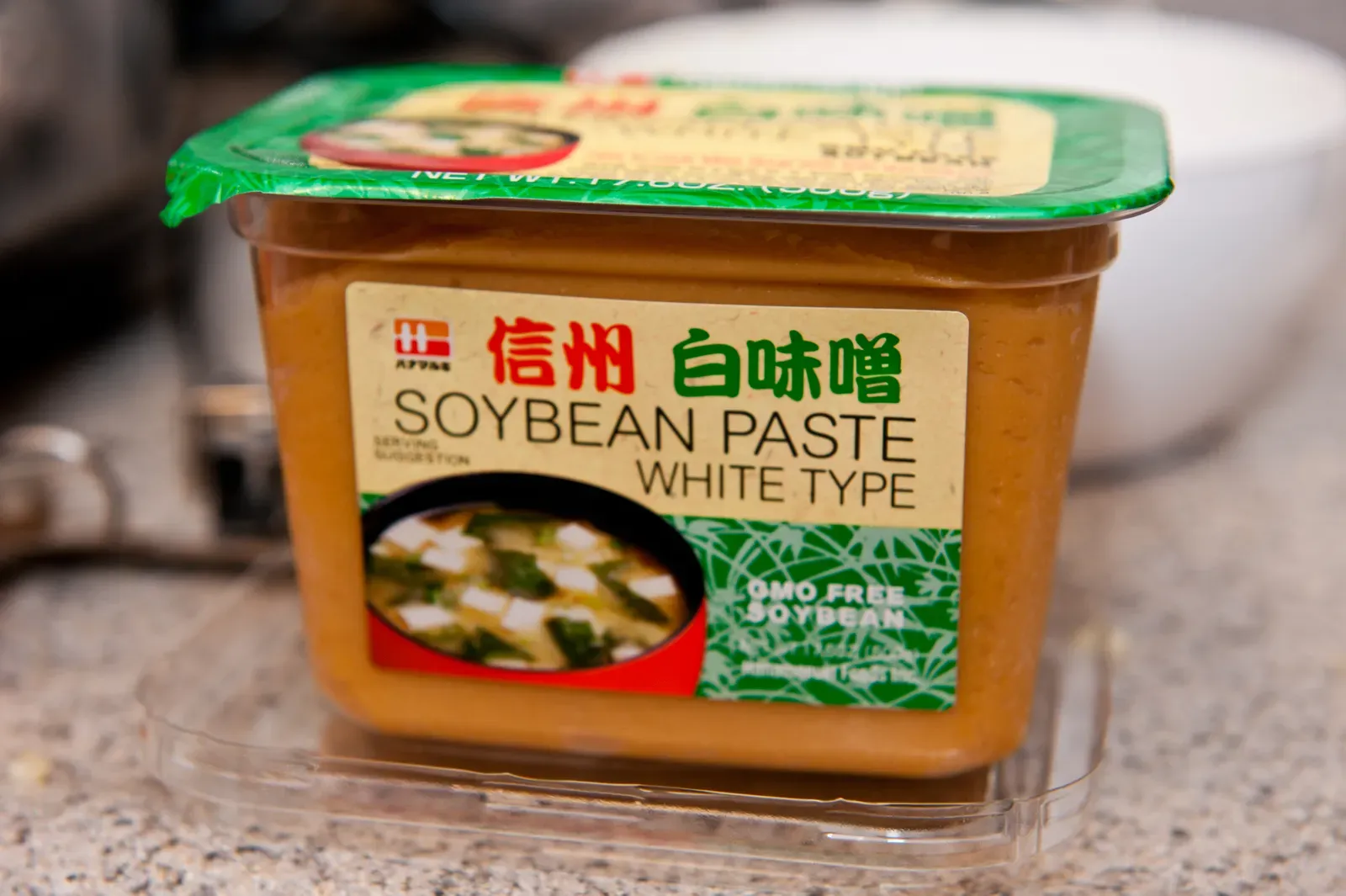
Miso and chocolate (By star5112, <a href="https://commons.wikimedia.org/w/index.php?curid=118085571" target="_blank" rel="noopener">CC BY-SA 2.0</a>)
Fermented soybean paste and cocoa sound like they belong in separate cookbooks entirely, but pastry chefs have quietly used miso in dessert kitchens for years. Miso brings glutamates, the same savory compounds found in soy sauce and parmesan, which deepen the perceived richness of dark chocolate without making it taste salty in an obvious way. The fermentation also adds a slight funk that keeps a chocolate dessert from tasting flat or one-note.
Home bakers tend to skip this pairing because miso feels like a savory-only ingredient, reserved for soup or glazed fish. In practice, a small spoonful whisked into melted chocolate or brownie batter rounds out sweetness the way a pinch of salt does, just with more complexity. It works especially well in caramel, where the fermented notes echo the toasty sugar without competing against it.
Watermelon and soy sauce

Watermelon and soy sauce (Image Credits: Pexels)
This combination shows up on tasting menus more than it shows up in backyard barbecues, largely because raw watermelon reads as a dessert or breakfast fruit to most people rather than something to season with an umami-heavy sauce. Soy sauce contains glutamates that intensify the fruit's natural sweetness while cutting through its wateriness, producing a flavor that tastes closer to a savory broth than a fruit salad. A few chefs pair it further with lime and chili for a version that leans into Southeast Asian flavor profiles.
The hesitation among home cooks usually comes down to unfamiliarity rather than taste, since the two ingredients occupy such different aisles of a grocery store. Once tried, the pairing tends to convert skeptics quickly because the saltiness makes the watermelon taste more intensely like itself rather than masking it. It is a common trick in modern Japanese and Korean-influenced kitchens, where salt and fruit are treated as natural partners.
Blue cheese and honey
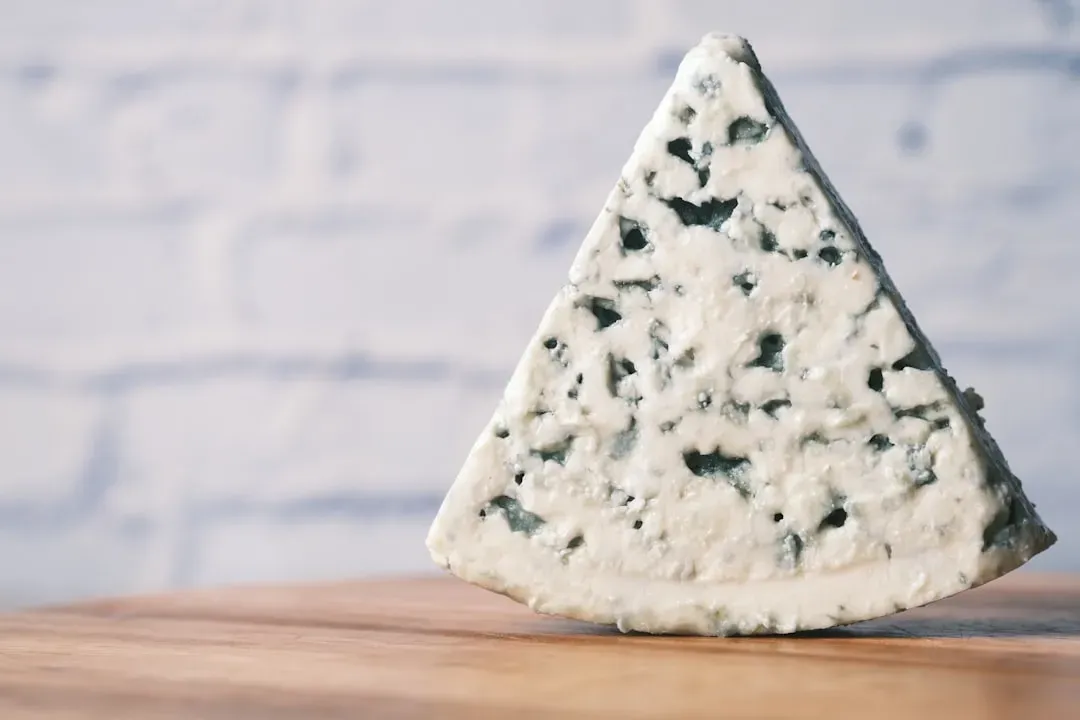
Blue cheese and honey (Image Credits: Unsplash)
Cheese boards have popularized this pairing somewhat, but most home cooks still treat blue cheese as a garnish for salads or wings rather than something worth pairing deliberately with a sweetener. The sharp, salty funk of blue cheese needs something viscous and sweet to balance its intensity, and honey's floral notes soften the cheese's bite without erasing its character. Chefs often use a specific varietal, like buckwheat or wildflower honey, because their earthier flavors complement the cheese's tang better than a neutral clover honey would.
The reason this stays underused at home likely comes down to portion habits. Most people eat blue cheese crumbled into small amounts rather than in a slice large enough to justify a drizzle of honey alongside it. Restaurants serve it as a standalone course specifically to give the pairing room to shine, which is a presentation home cooks rarely replicate.
Strawberries and black pepper
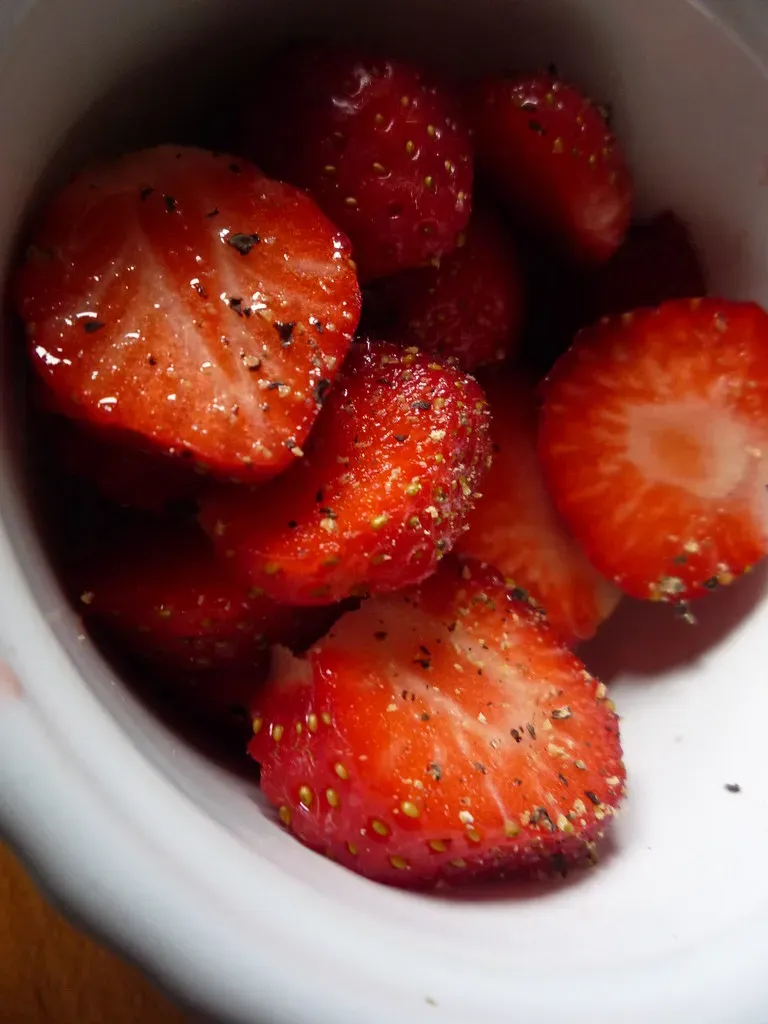
Strawberries and black pepper (Girl Interrupted Eating, Flickr, <a href="https://creativecommons.org/licenses/by/2.0/" target="_blank" rel="noopener">CC BY 2.0</a>)
Black pepper contains piperine, a compound that adds a subtle heat and slightly woody aroma, and when it meets the sugar and acidity of ripe strawberries, it creates a more complex profile than sugar alone provides. Chefs have used this trick in simple syrups, macerated fruit salads, and even ice cream bases for years, treating pepper as a seasoning for fruit the same way it seasons meat. The heat is meant to be barely perceptible, just enough to make the sweetness feel more three-dimensional.
Home cooks tend to reserve pepper strictly for savory dishes, which keeps this pairing out of most kitchens despite how easy it is to execute. A light grind over macerated strawberries, finished with a bit of balsamic vinegar, produces a dessert topping that tastes far more sophisticated than the ingredient list suggests. The trick works particularly well in late summer when strawberries are at their sweetest and can handle the added spice without becoming overwhelmed.
Coffee and orange

Coffee and orange (LIVENpix, Flickr, <a href="https://creativecommons.org/licenses/by-sa/2.0/" target="_blank" rel="noopener">CC BY-SA 2.0</a>)
Citrus oils and roasted coffee compounds share some overlapping aromatic notes, which is why chefs and bartenders alike have used orange peel to brighten coffee-based desserts and drinks for a long time. The bitterness of coffee needs an acidic counterpoint, and orange provides that lift without introducing the sharper sourness that lemon or lime would bring. This pairing shows up in tiramisu variations, chocolate-orange coffee cakes, and even in savory braises where coffee grounds are used as a rub.
At home, coffee tends to stay confined to the breakfast cup, rarely making the leap into baking or savory cooking where its bitterness could actually serve a dish. Adding orange zest to a coffee-based marinade for short ribs, for instance, cuts through the richness of the meat while the coffee adds a deep, almost smoky undertone. It is a combination borrowed heavily from Mexican mole traditions, where chocolate, coffee, and citrus notes often appear together in the same sauce.
Cucumber and dill with fish sauce
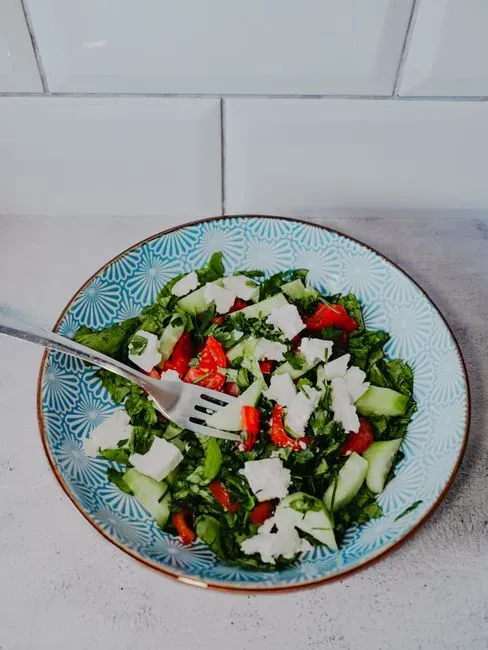
Cucumber and dill with fish sauce (Image Credits: Pexels)
Cucumber and dill are already a familiar pairing in salads and pickles, but chefs frequently add a small amount of fish sauce to the mix, which most home cooks would never think to do outside of Southeast Asian cooking. Fish sauce brings concentrated glutamates and a salty depth that plain salt cannot replicate, rounding out the cooling, herbaceous quality of cucumber and dill with something savory and slightly funky. The amount used is typically small enough that the fish sauce flavor itself disappears, leaving only a background richness.
This combination rarely appears in Western home kitchens because fish sauce carries a reputation for being pungent straight out of the bottle, which discourages experimentation. Diluted properly in a dressing alongside lime juice and a touch of sugar, it transforms a simple cucumber salad into something closer to a Thai or Vietnamese side dish. Chefs at Southeast Asian-influenced restaurants have leaned on this formula for years specifically because it balances cooling, salty, sour, and sweet elements in one bite.
Bacon and maple with black coffee

Bacon and maple with black coffee (WordRidden, Flickr, <a href="https://creativecommons.org/licenses/by/2.0/" target="_blank" rel="noopener">CC BY 2.0</a>)
Sweet and salty pairings are common enough at breakfast tables, but chefs often add a bitter component like black coffee into the mix, either brewed into a glaze or dusted in as fine grounds. The bitterness balances what would otherwise be an overly sweet and fatty combination, giving the palate a break between bites. Coffee-cured bacon has become something of a signature dish in several modern American restaurants for exactly this reason.
Home cooks stick to the simpler maple and bacon pairing partly out of convenience, since brewing coffee specifically to incorporate into a glaze feels like an extra step for a breakfast dish. A quick fix involves whisking a tablespoon of strong espresso into maple syrup before brushing it onto bacon partway through cooking. The result caramelizes into a glaze that reads as more restaurant-style than the usual syrup drizzle.
Peaches and basil with balsamic
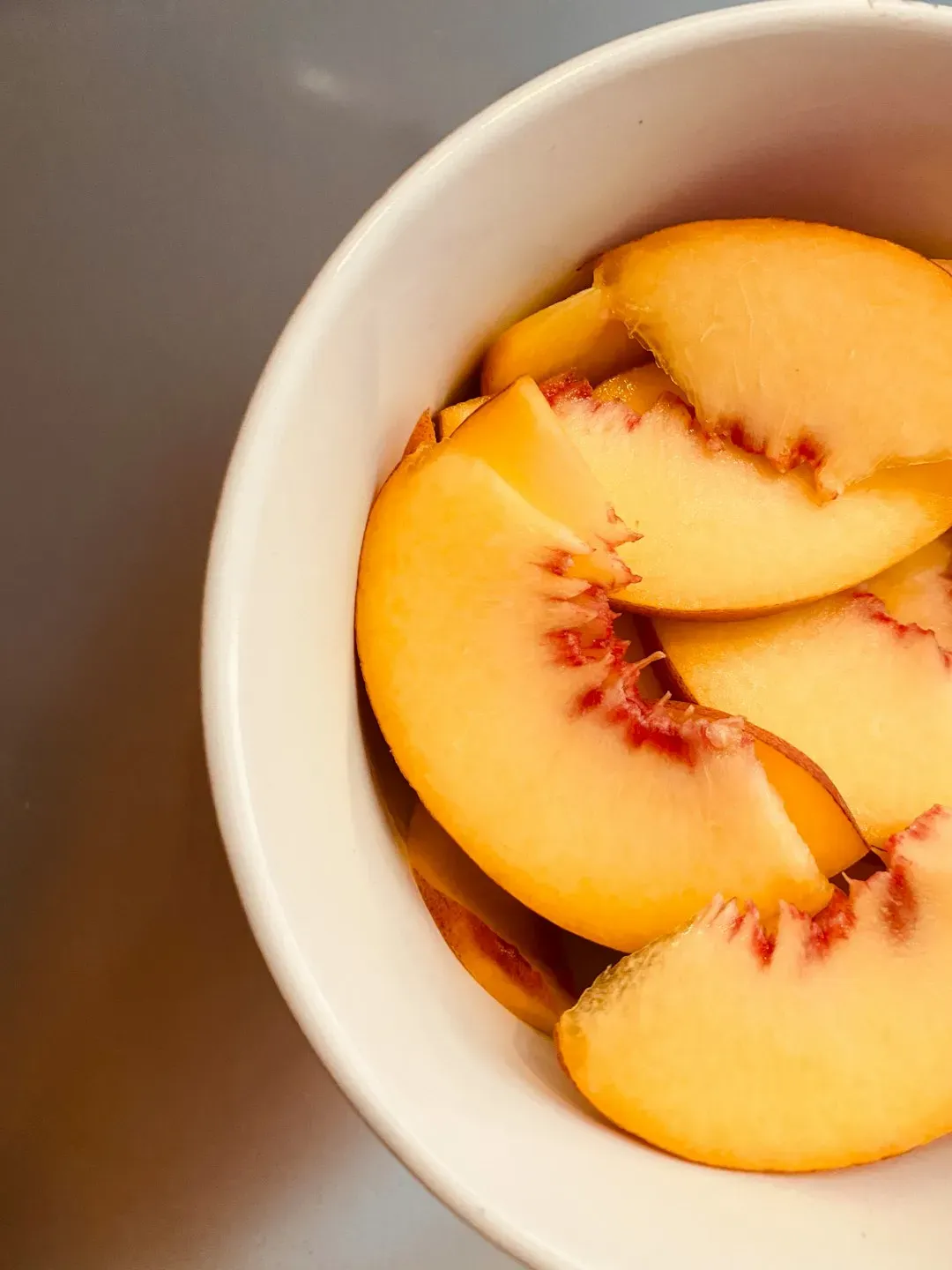
Peaches and basil with balsamic (Image Credits: Unsplash)
Tomatoes get most of the attention when it comes to basil pairings, but stone fruit, particularly peaches, share a similar sweetness and acidity profile that basil complements just as well. Chefs often finish a peach and basil salad with a reduction of balsamic vinegar, which adds a syrupy sweetness and tang that ties the fruit and herb together. This combination frequently appears on summer restaurant menus as a starter salad, sometimes with the addition of burrata or prosciutto.
Home cooks who grow basil tend to default to Italian applications almost exclusively, pairing it with tomato, mozzarella, and olive oil out of habit rather than necessity. Swapping the tomato for a ripe peach and finishing with balsamic instead of a plain vinaigrette produces a dish with the same underlying architecture but a completely different personality. It works particularly well in late summer when peaches are at peak ripeness and their sugar content can stand up to the vinegar's acidity.
Anchovy and caramel

Anchovy and caramel (originally posted to Flickr as Profiteroles!, <a href="https://commons.wikimedia.org/w/index.php?curid=10361455" target="_blank" rel="noopener">CC BY 2.0</a>)
This pairing sounds jarring to most people, largely because anchovies carry a strong association with pizza toppings or Caesar dressing rather than dessert applications. Chefs who use it typically dissolve a small amount of anchovy into a caramel sauce, where the fish's saltiness and umami depth enhance the caramel's toasted sugar notes in a way that plain salt cannot fully replicate. The anchovy flavor itself becomes undetectable in small quantities, functioning more like a flavor enhancer than a distinct ingredient.
Salted caramel has become mainstream over the past decade, but very few home recipes push the concept further into savory fish territory, largely due to squeamishness about combining seafood with dessert. Professional pastry chefs have used anchovy paste in caramel sauces served over ice cream or drizzled onto tarts specifically because it deepens the flavor without any fishy aftertaste when dosed correctly. It is a technique borrowed loosely from the broader culinary principle that salt sources with built-in umami tend to outperform plain table salt in rich, sweet applications.
Grapefruit and rosemary
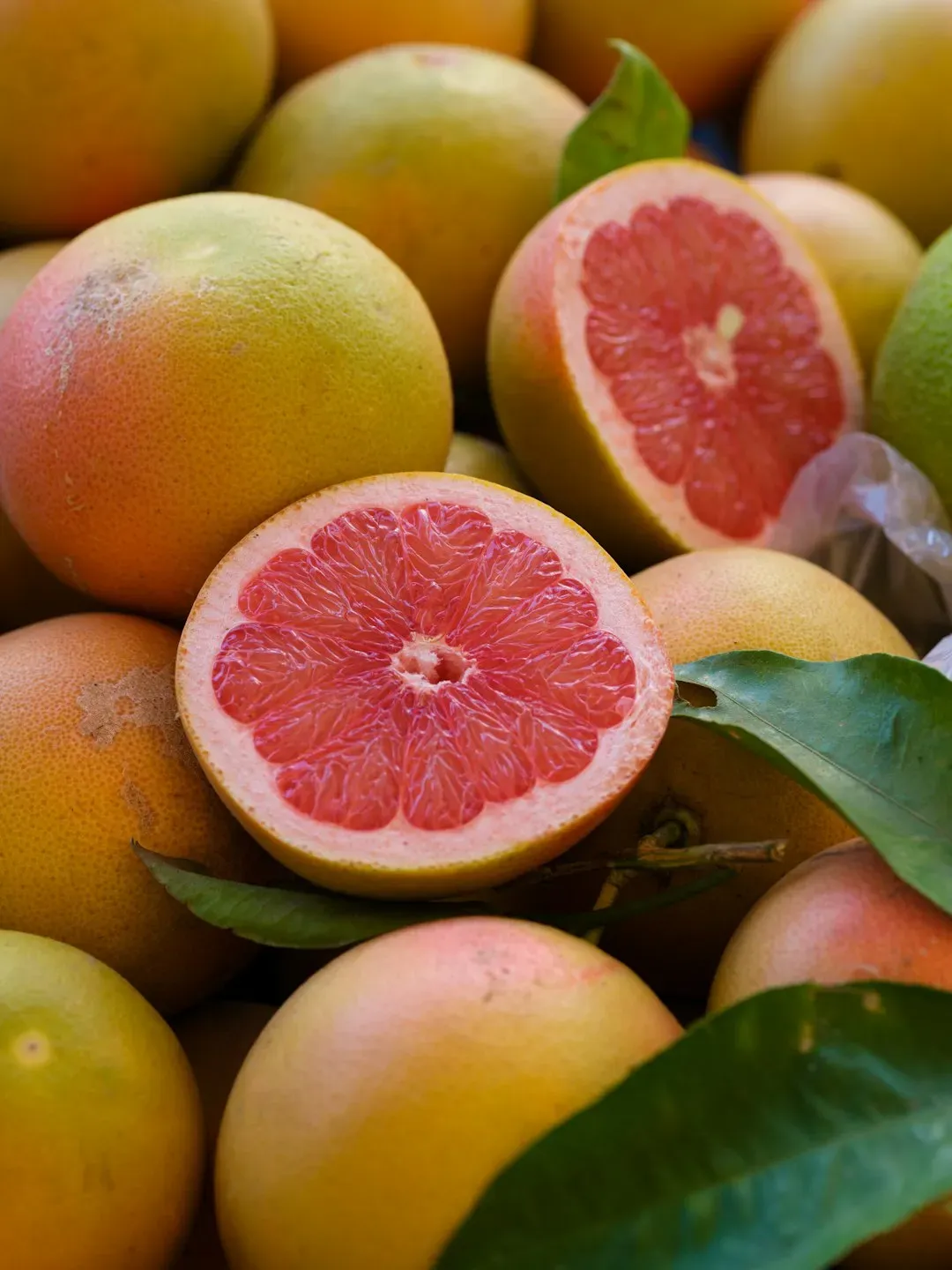
Grapefruit and rosemary (Image Credits: Unsplash)
Citrus and herbs pair naturally enough, but grapefruit specifically gets overlooked in favor of lemon or orange, even though its bitterness interacts differently with woody herbs like rosemary. The herb's piney, slightly resinous quality cuts through grapefruit's bitterness rather than fighting it, producing a more balanced flavor than either ingredient offers alone. Chefs frequently use this pairing in cocktails, glazes for roasted meats, and in simple syrups for desserts.
Home cooks reach for rosemary almost exclusively in savory applications involving chicken, potatoes, or bread, rarely considering it as a partner for fruit. A rosemary-infused simple syrup poured over grapefruit segments, or a rosemary sprig muddled into a grapefruit cocktail, shows how well the two work together once given the chance. The combination has gained some traction in craft cocktail menus over the past few years, which is likely the most common place a home cook would encounter it before trying it themselves.
Seaweed and butter
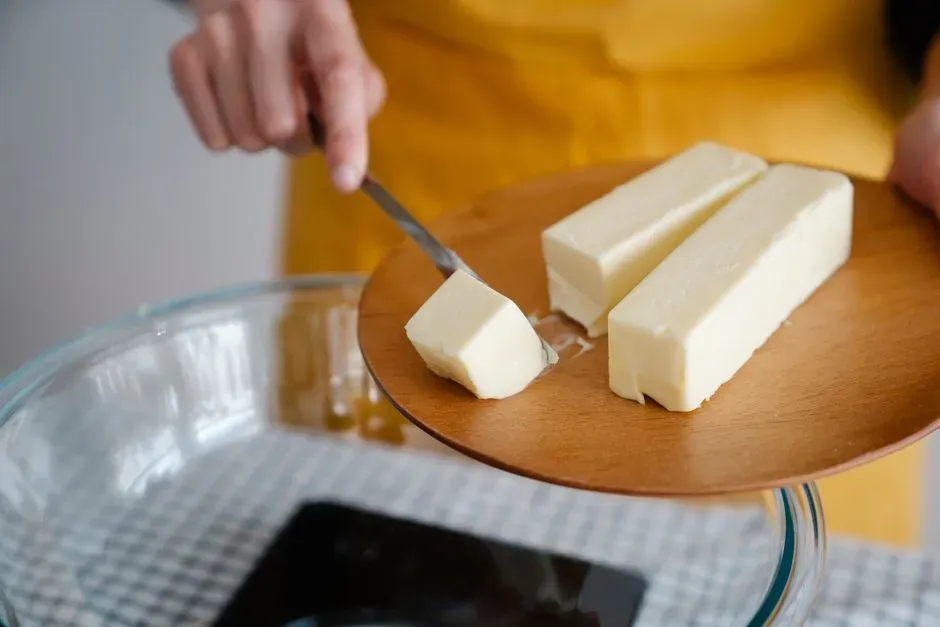
Seaweed and butter (Image Credits: Pexels)
Dried seaweed, particularly nori or dulse, contains natural glutamates that intensify umami flavor, and when blended into softened butter, it creates a compound butter that chefs use to finish fish, vegetables, and even steak. The ocean-forward flavor of the seaweed pairs surprisingly well with butter's richness, producing something that tastes deeply savory without needing additional salt. This technique has roots in both French compound butter traditions and Japanese seasoning practices, making it a genuine cross-cultural pairing rather than a novelty invention.
Seaweed remains an ingredient most home cooks associate strictly with sushi rolls or miso soup, rarely considering it as a pantry staple for everyday cooking. Crumbling a sheet of nori into softened butter, along with a pinch of salt, creates a finishing butter that elevates simple grilled fish or steamed vegetables considerably. Chefs at seafood-focused restaurants have used variations of this technique for years, often keeping the exact composition of their compound butters closely guarded as part of a dish's signature flavor.
Taken together, these combinations share a common thread: they rely on contrast, whether that is sweet against bitter, salty against sweet, or umami-rich ingredients layered into places home cooks rarely expect them. None of them require rare ingredients or complicated techniques, just a willingness to treat the pantry a little less rigidly than habit usually allows. The gap between professional and home kitchens often comes down less to skill and more to a simple willingness to experiment with pairings that sound unusual until the first bite proves otherwise.