
Most people think lawn care ends the moment they push the mower back into the garage. The grass looks tidy, the edges are clean, and the job feels done. That’s a reasonable assumption – but it’s also where a lot of quiet, expensive damage quietly begins.
What you do in the hours immediately after mowing has a real effect on how your lawn recovers, how healthy it stays, and how much money you’ll spend fixing problems later. Some of these mistakes are surprisingly common, and most of them are easy to avoid once you know what to look for.
1. Leaving Grass Clippings in Dense Clumps on the Lawn
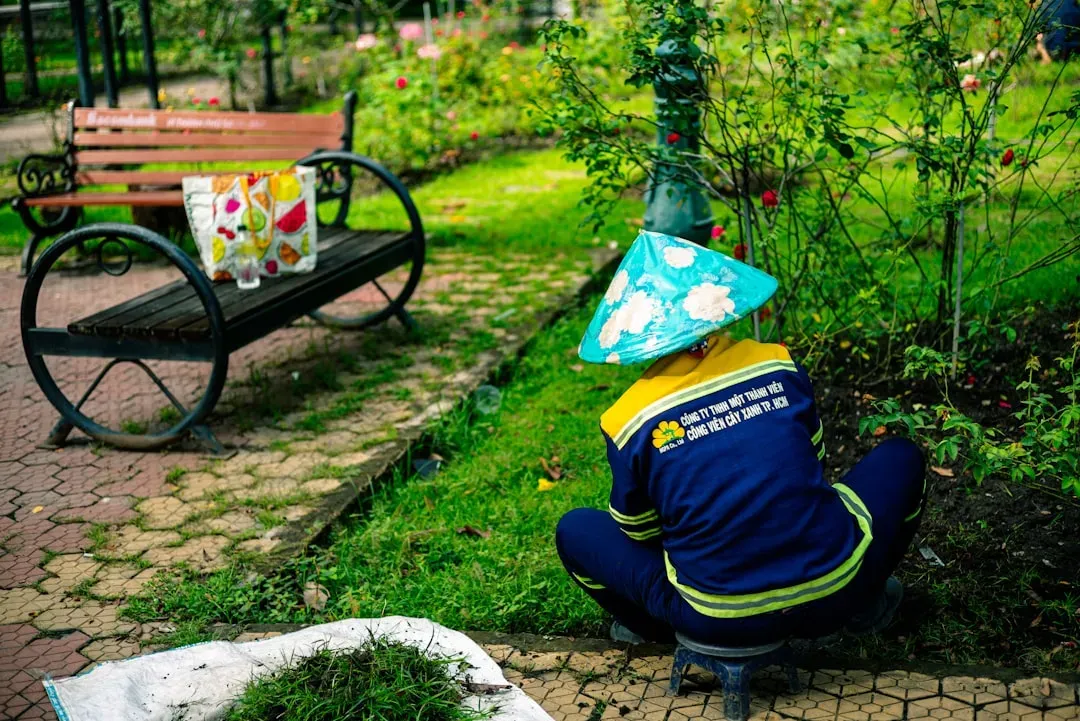
1. Leaving Grass Clippings in Dense Clumps on the Lawn (Image Credits: Unsplash)
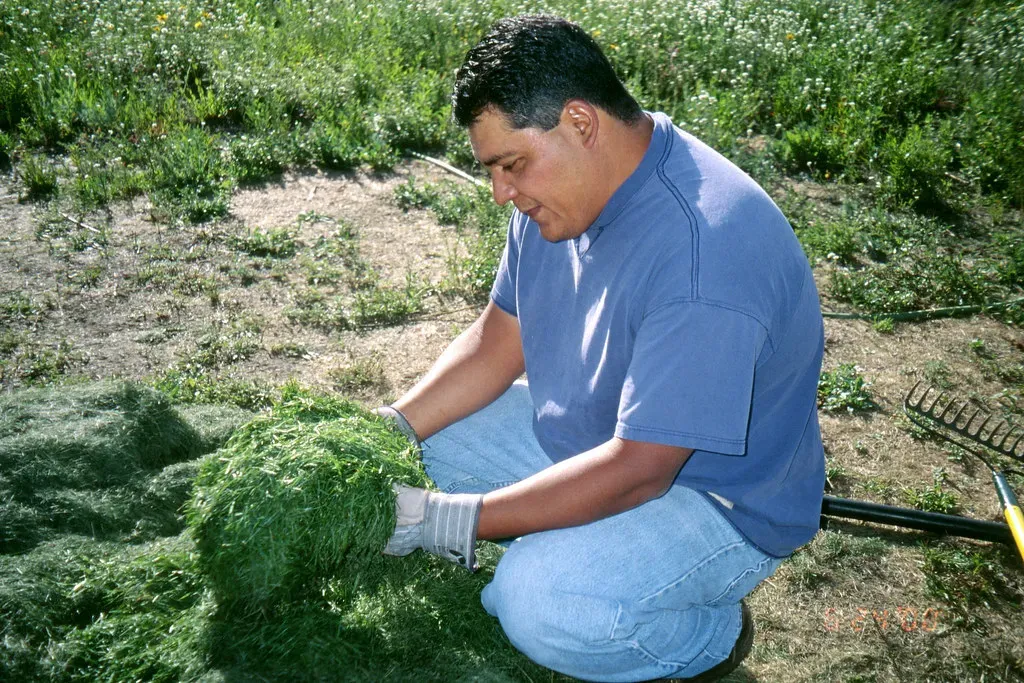
While bagging and removing grass clippings may seem like the obvious choice, leaving them in place where they can feed and fertilize your lawn is often the better option. This practice, called "grasscycling," aids in retaining moisture and adds nutrients to the soil. The trouble only starts when the clippings pile up into thick mats rather than distributing evenly.
Don't leave clippings in clumps on your lawn. Clumps can smother the grass underneath, leaving bald spots. Instead, use a rake to spread the clippings evenly across the surface. Those piles can block sunlight and trap moisture, and after a day or two, the grass below can turn yellow or develop a slimy look. It's a fixable problem – but only if you catch it early.
2. Watering Your Lawn at the Wrong Time of Day Right After Mowing
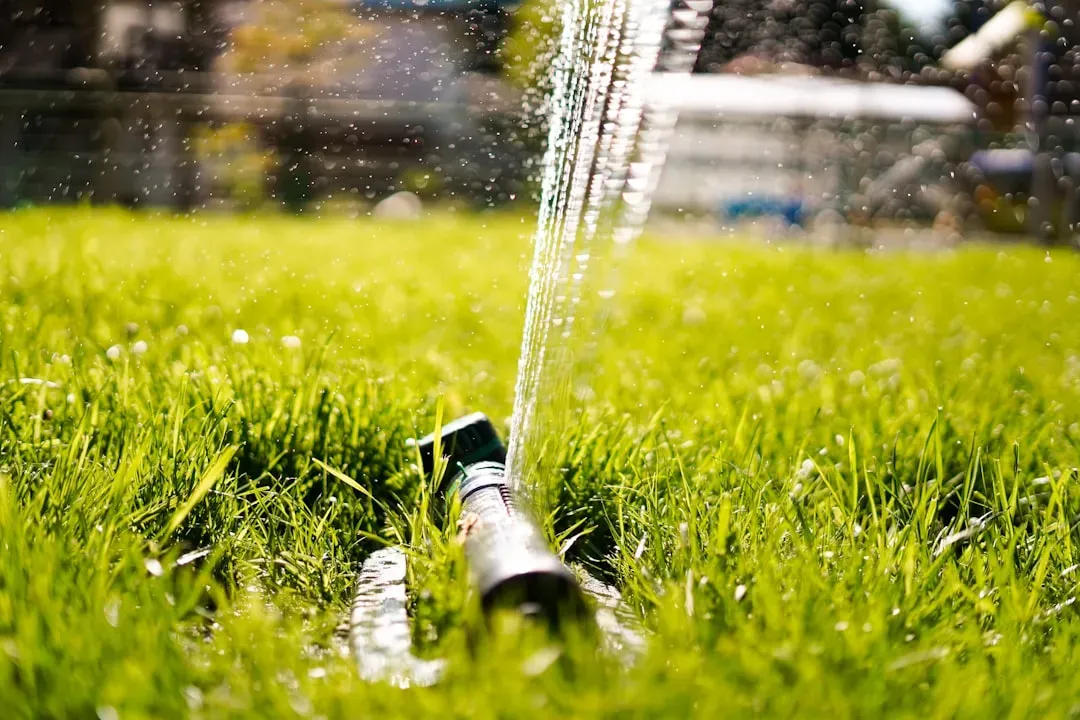
2. Watering Your Lawn at the Wrong Time of Day Right After Mowing (Image Credits: Unsplash)
Most lawns need about one to one and a half inches of water per week, including rainfall. Watering early in the morning, before 10 a.m., reduces evaporation and allows grass to absorb moisture efficiently. When you water at the wrong time, especially late in the evening after mowing, the lawn stays damp overnight and creates conditions where fungal disease can take hold.
Mowing at the wrong time can stress your grass and hinder its health. Midday mowing under the hot sun increases water loss, while early morning mowing on damp grass can cause clumping and promote disease. The best time of day to mow the lawn is late afternoon or early evening when the grass is dry and the heat has subsided, allowing it to recover overnight. Keep that same timing logic in mind when you reach for the garden hose.
3. Skipping the Mower Deck Cleanup
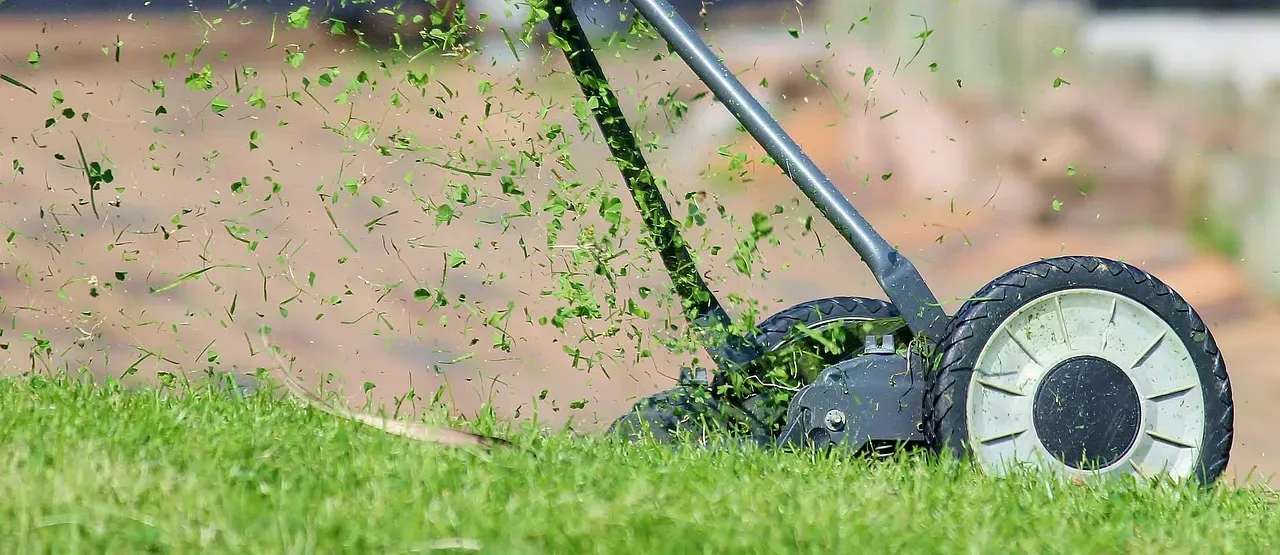
3. Skipping the Mower Deck Cleanup (Image Credits: Pixabay)
After trimming the grass in the summer heat, the last thing you want is another chore to take care of. Nonetheless, it's important to clean your lawn mower deck after you trim the turfgrass, since grass clippings are harder to clean off once the grass dries. If you don't clean your lawn mower, grass clippings corrode the mower deck or cause the mower to overheat.
When the deck retains moisture, it creates the ideal environment for rust to form. Additionally, the act of mowing essentially slices open your grass blades, making them vulnerable to things like fungus, and if the clippings underneath your deck are carrying that fungus, you can spread it out to the rest of your lawn. A five-minute rinse after every mow is genuinely worth it in the long run.
4. Fertilizing Immediately After Mowing Without Waiting
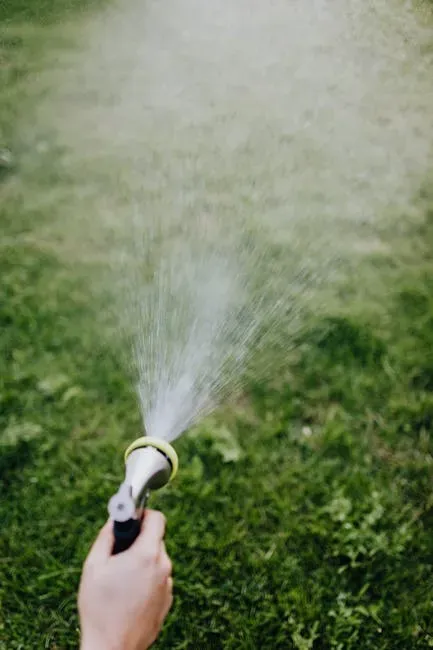
4. Fertilizing Immediately After Mowing Without Waiting (Image Credits: Pexels)
It's better to wait a few hours after mowing before you apply fertilizer to your lawn to minimize nitrogen burn, but doing it in this order ensures that the product won't be removed from your fertilized lawn. Freshly cut grass is more open and slightly stressed, making it more susceptible to chemical burn from fertilizer applied too aggressively.
If you don't water after a fertilizer application, the fertilizer will sit on the grass blades and be of no help to your lawn. It needs to get into the soil to be of use. Additionally, you risk fertilizer burn if you don't water after fertilizing. Granular fertilizer sitting on grass blades in the hot sun can scorch your lawn within hours. Timing and sequencing here actually matter more than most homeowners realize.
5. Ignoring Thatch Buildup After Repeated Mowing Sessions
5. Ignoring Thatch Buildup After Repeated Mowing Sessions (Image Credits: Pixabay)
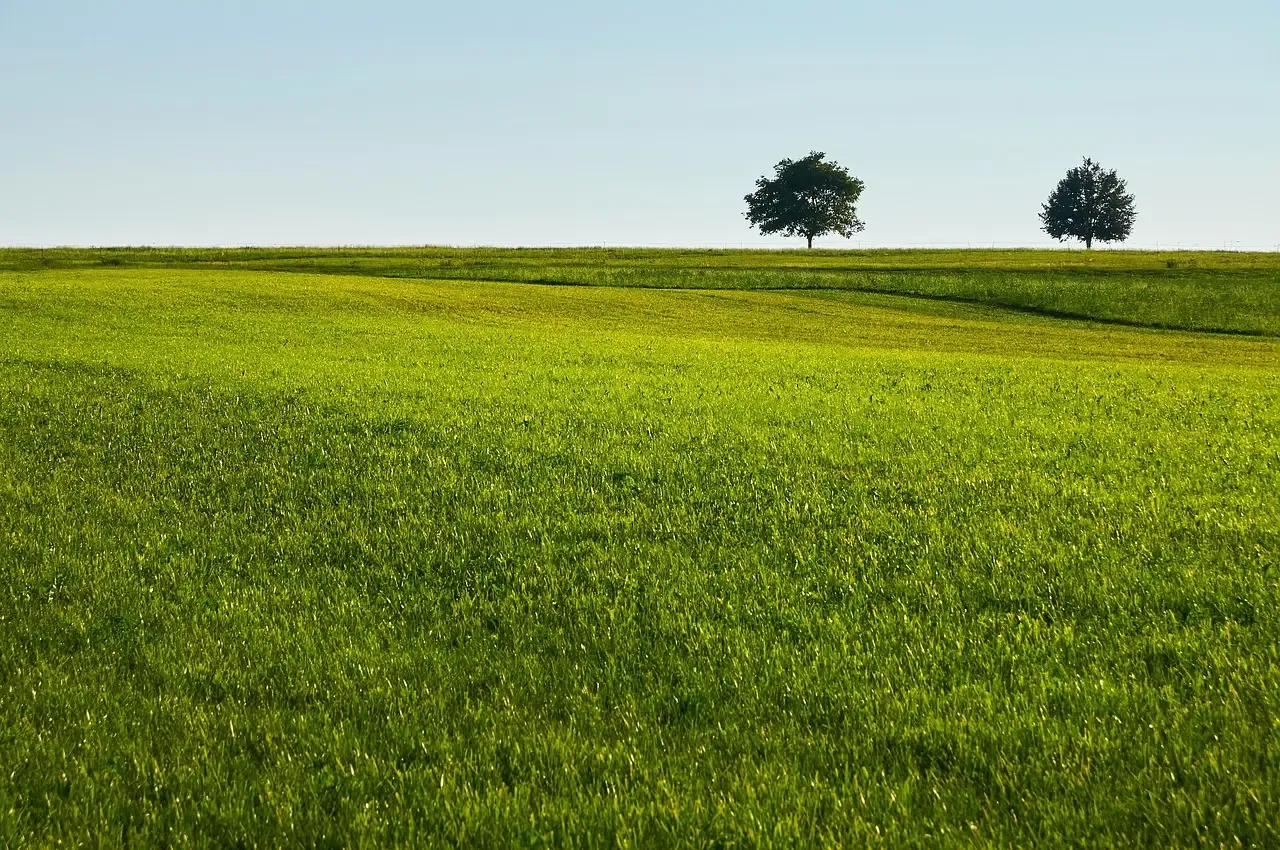
If your lawn feels spongy or water sits on the surface after rain, you might have a thatch problem – a layer of organic matter that builds up between the soil surface and the grass. Dethatching can break up that layer, improve airflow, and let clippings decompose completely. Many homeowners mow regularly for years and never address the thatch layer forming underneath.
You'll typically need to dethatch every two to three years, but it depends on your grass type and how you care for it. If you overfertilize or have compacted soil, thatch will build up faster. The primary contributors to thatch buildup are too-frequent watering, overwatering, and soil compaction. Left unaddressed, a thick thatch layer begins to choke the grass from below.
6. Ignoring Clipping Buildup on Driveways and Sidewalks
6. Ignoring Clipping Buildup on Driveways and Sidewalks (Image Credits: Flickr)
Freshly cut grass clippings blown onto hard surfaces create a mess that's harder to clean than you'd expect – and can even stain concrete over time. Freshly cut grass can stick to and stain concrete driveways and sidewalks. It looks like a minor inconvenience, but once those clippings dry and break down on paved surfaces, they become genuinely difficult to remove.
If clippings land in a curb and gutter area, sweep them up so they don't get into storm drains or be carried to nearby water resources where they can negatively impact water quality. This is a step almost everyone overlooks, though it has both aesthetic and environmental consequences. A quick cleanup pass with a blower or broom takes minutes and saves real hassle later.
7. Watering Too Much (or Too Little) Right After Mowing
7. Watering Too Much (or Too Little) Right After Mowing (Image Credits: Pexels)
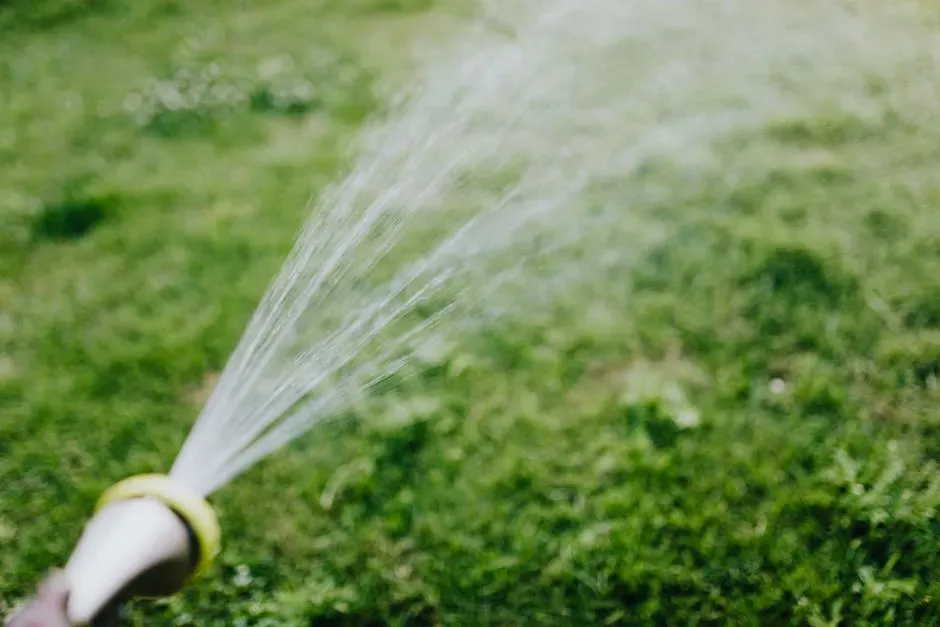
Watering every day is a common lawn care mistake. It can cause your lawn to develop shallow roots. Frequently watered lawns actually require more water and are more vulnerable to dry spells. Deep watering makes your lawn healthier and more drought-tolerant. After mowing, the lawn is slightly stressed, and the instinct to compensate with extra water can actually make things worse.
One of the most common mistakes homeowners make is overwatering immediately after fertilizing. While water is essential, too much of it can wash nutrients past the roots before the grass has a chance to absorb them. The goal is to apply enough water to dissolve the fertilizer and move it slightly into the soil, not to drench the entire lawn. The same principle applies to a freshly mowed lawn: measured and well-timed watering beats generous but careless watering every time.
8. Failing to Check Mower Blades After the Session
8. Failing to Check Mower Blades After the Session (Image Credits: Pixabay)
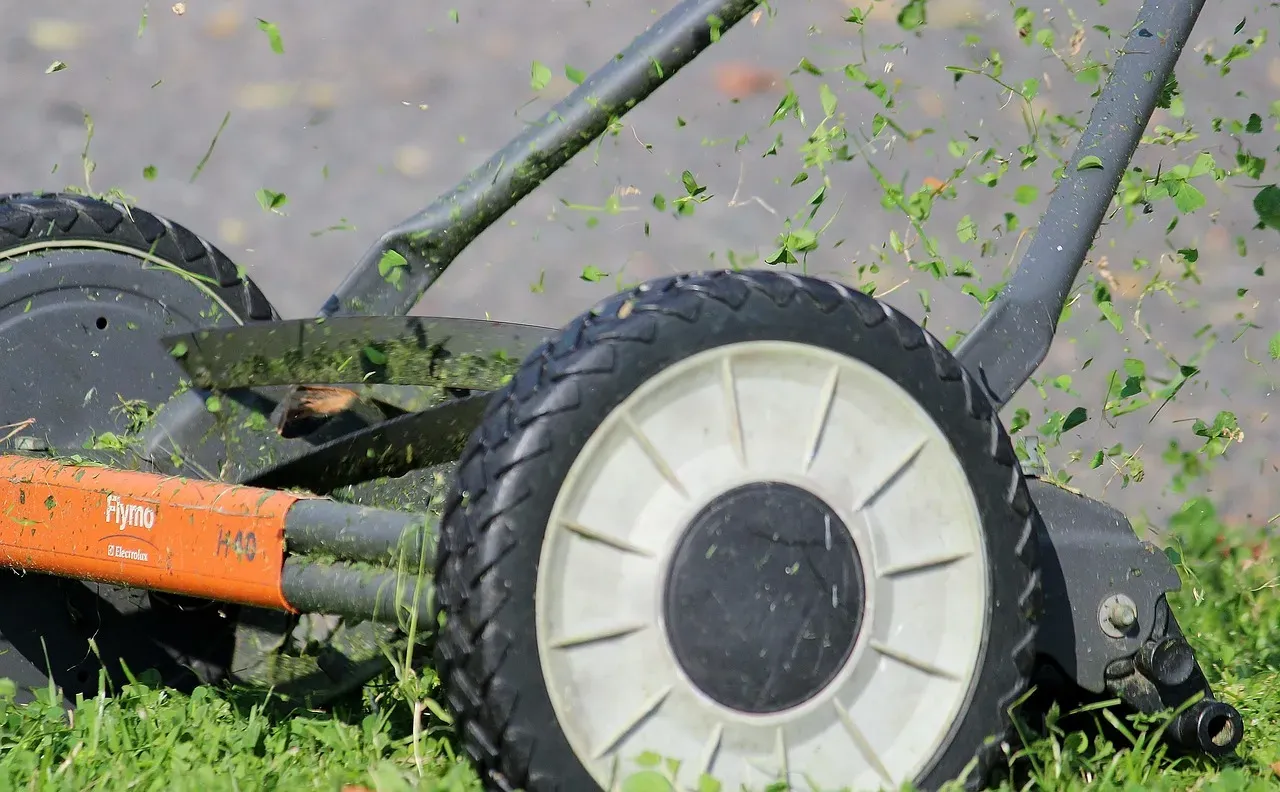
Instead of making clean cuts, dull blades tear the grass, leaving behind jagged, shredded tips that quickly turn brown. This not only makes your lawn look uneven and sickly, but the ragged edges also create ideal entry points for diseases and pests. Torn grass loses more moisture through its damaged leaf tips, causing the lawn to dry out faster, especially in hot weather.
Over time, repeated mowing with dull blades leads to widespread stress across the entire yard, reducing its density and inviting opportunistic weeds to take hold. Dull mower blades tear the grass instead of cutting it cleanly, resulting in a ragged, brown appearance and increasing the risk of disease. Sharpen your mower blades regularly, ideally after every 20 to 25 hours of mowing. A quick inspection after each mow catches problems before they compound.
9. Allowing Heavy Foot Traffic Too Soon After Mowing
9. Allowing Heavy Foot Traffic Too Soon After Mowing (Image Credits: Unsplash)
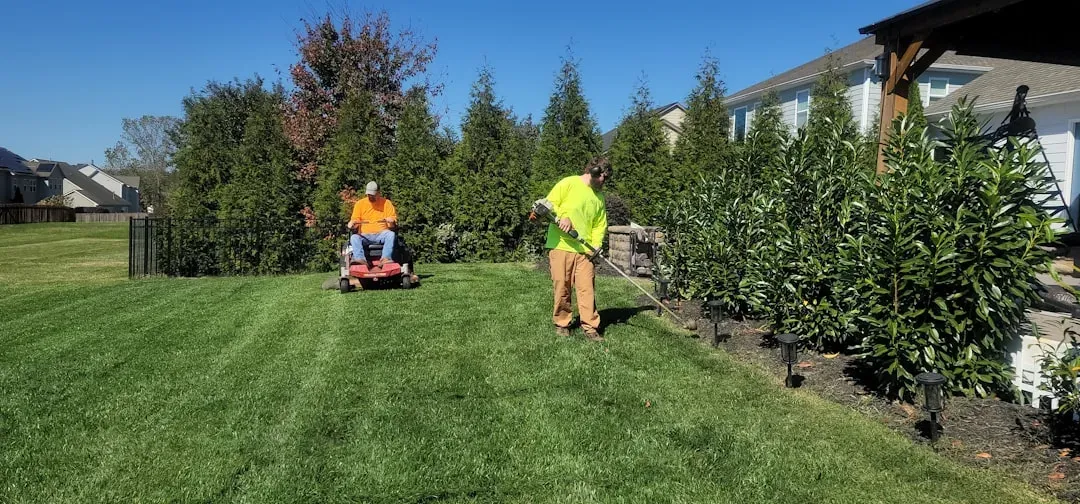
After a lawn fertilizer service or mowing session, give your lawn time to absorb the nutrients before allowing mowing or heavy foot traffic. Wait a few days before mowing to avoid putting excess stress on your grass. This principle extends directly to foot traffic as well – freshly cut grass blades are open and temporarily vulnerable.
If your lawn sees lots of foot traffic, mowing compacts the soil even more. Aeration breaks it up and allows roots to breathe. Aerate your lawn annually to improve airflow and allow nutrients to penetrate the soil. Letting kids or pets loose on a freshly mowed lawn immediately after cutting isn't just cosmetically damaging – it can contribute to the long-term soil compaction that makes future lawn care harder and costlier.
10. Mowing in the Same Direction Every Single Time
10. Mowing in the Same Direction Every Single Time (Image Credits: Pexels)
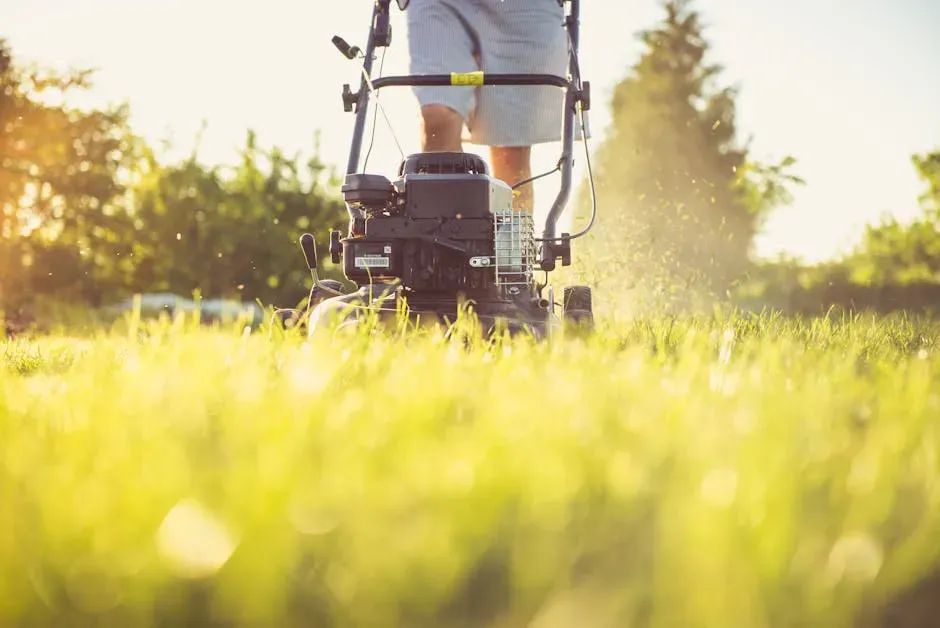
Using the same mowing pattern every week may feel routine, but it creates subtle, long-term damage to your lawn. Constantly mowing in the same direction leads to compacted soil along your mower's wheel tracks, making it harder for water, air, and nutrients to reach the roots. Grass blades also begin to lean in one direction, resulting in a less uniform appearance and encouraging uneven growth. Over time, ruts can form where the mower wheels repeatedly travel, which can collect water and contribute to disease or pest infestations.
To prevent this, alternate your mowing patterns – switch between vertical, horizontal, and diagonal directions to ensure even coverage and healthier grass. Pair this habit with annual aeration to relieve compaction and promote strong root development. It's one of the simplest adjustments in lawn care and one of the most consistently overlooked.
11. Waiting Too Long Before the Next Mow
11. Waiting Too Long Before the Next Mow (Image Credits: Pexels)
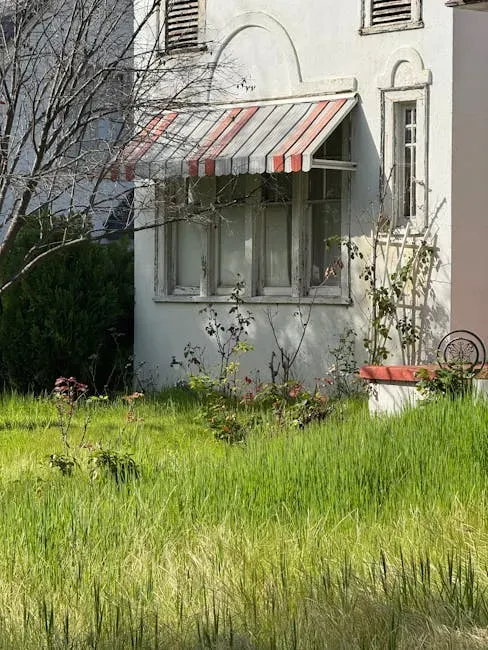
Mowing is a chore that's easy to put off – the grass will still be there in a couple of days. Delay is bad for your grass, though. The taller it gets, the more you'll cut off when you finally mow. The more you cut off, the more you'll "shock" the grass. That weakens each individual plant and leads to other problems later on.
It also opens up the turf canopy and allows weeds to bully their way in. If you plan to leave clippings, mow frequently. Cutting about once a week during the growing season helps maintain a dense, vigorous lawn and prevents clippings from clumping. Consistency is genuinely the single best thing you can do for your lawn's long-term health – more than any product, any fertilizer, or any treatment routine.
The pattern here is worth noting: most of these mistakes don't announce themselves. Damaged grass from dull blades, compacted soil from repetitive mowing routes, or a corroding mower deck all develop gradually, over many sessions, until the cost of fixing them is suddenly much higher than the cost of preventing them would have been. The post-mow window is short. A few small habits, done consistently, make all the difference across a season.