
Most parents want to be involved in their child’s education. That instinct is genuinely good. The problem is that a growing number of well-intentioned habits have quietly crossed into territory that makes teachers’ jobs significantly harder, day after day. What feels like advocacy or support from a parent’s side of the desk can feel like interference, distrust, or chaos from the other side of the classroom.
Student behavior in the classroom is not improving, and teachers want parents to do more. An Education Week survey found nearly two thirds of teachers reporting that classroom behavior has gotten worse over the past year. Much of what drives that frustration traces back not just to students, but to patterns set at home. These are the eleven habits that educators consistently say push them closest to the edge.
1. Undermining Consequences the Moment They're Handed Down
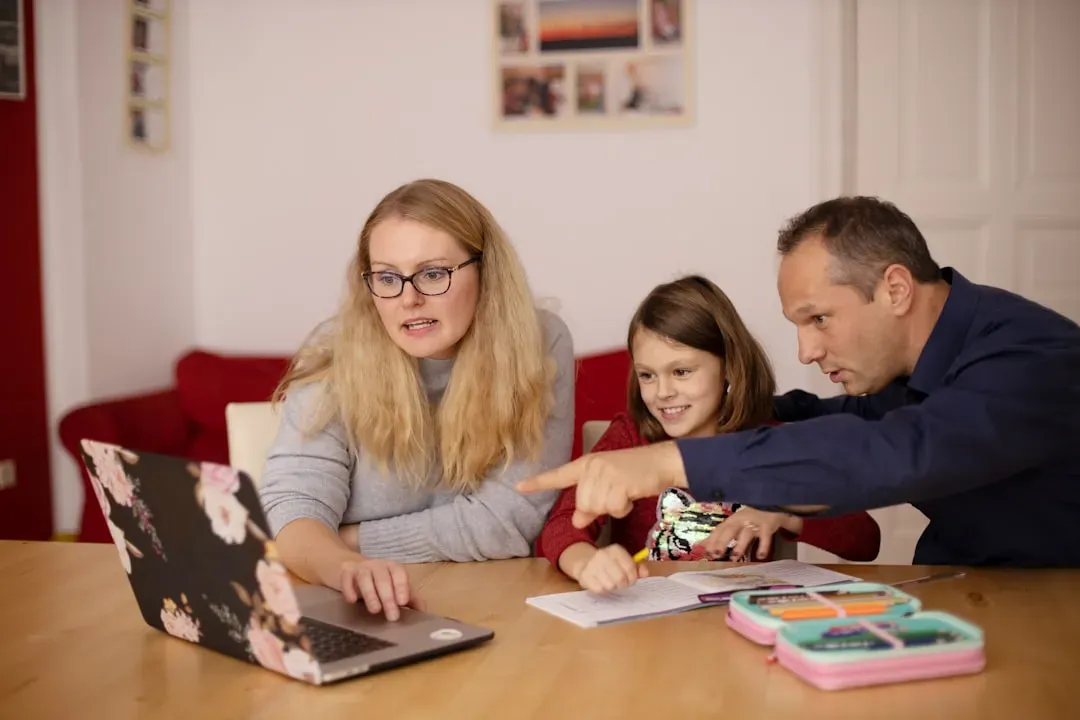
1. Undermining Consequences the Moment They're Handed Down (Image Credits: Unsplash)
A student disrupts class. A consequence is assigned. Almost immediately, a parent intervenes until the consequence is softened or reversed. Over time, that pattern sends a message: consequences are negotiable and authority is conditional. Children absorb that lesson quickly. This cycle is one of the most common complaints teachers raise, and for good reason.
In a major EdWeek survey, over half of teacher respondents said that limiting parents' ability to undermine the consequences their kids receive would have a "major positive impact" on student behavior. When children watch their parents successfully lobby their way out of a detention, the lesson isn't that the teacher was wrong. The lesson is that rules bend for those who push hard enough.
2. Not Holding Children Accountable for Misbehavior at School

2. Not Holding Children Accountable for Misbehavior at School (Image Credits: Unsplash)
Most teachers say parents do too little when it comes to holding their children accountable if they misbehave in school. Nearly four in five teachers surveyed said exactly that. It's a striking number, and one that reflects how frequently educators feel they're dealing with behavioral fallout that has no reinforcement back home.
Experts say parental support can make or break student behavior in the classroom. Teachers consistently point to the parents who make clear from day one that they will back up the school on discipline as the households whose kids rarely cause problems. The contrast with families who look the other way is stark and felt immediately in the classroom.
3. Treating Every School Morning as Optional
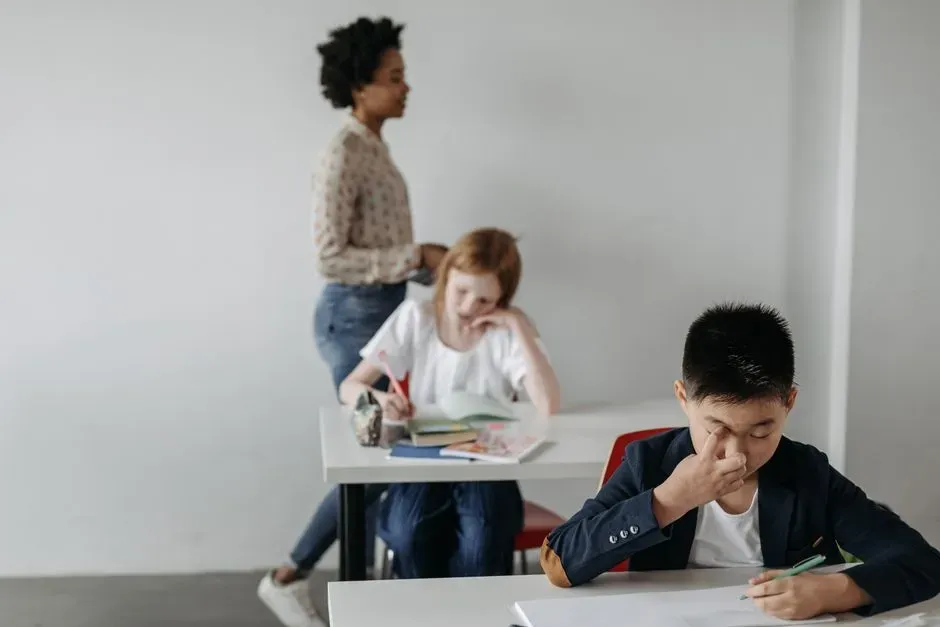
3. Treating Every School Morning as Optional (Image Credits: Pexels)
Roughly two thirds of teachers say parents do too little when it comes to ensuring their children's attendance in school. Chronic absenteeism has become a genuine crisis in many districts, and teachers bear the brunt of it every single day when they have to reteach content, manage uneven class dynamics, and help repeatedly absent students catch up.
Parents frequently say their child was tired, slept in, wasn't feeling well, or that their child "just isn't ready" for a full week of school. Teachers hear these explanations constantly. The cumulative disruption to a child's learning, their social connections, and the classroom routine is real and measurable, regardless of how each individual absence is framed.
4. Never Reinforcing Academic Habits at Home
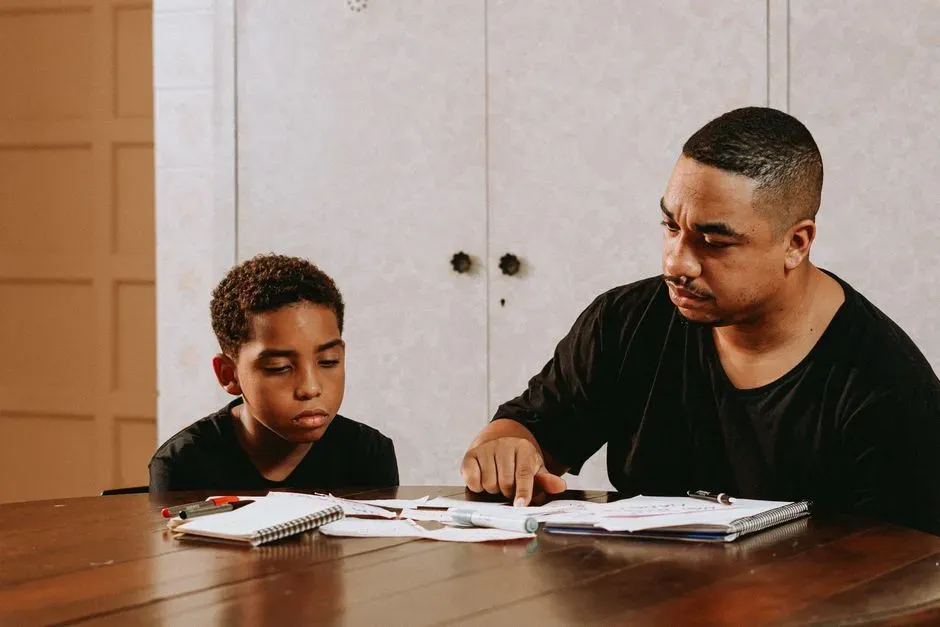
4. Never Reinforcing Academic Habits at Home (Image Credits: Pexels)
Many teachers attribute learning struggles not to disabilities, but to a lack of reinforcement at home, where academic habits like reading or completing assignments are simply not being prioritized. Homework sent home vanishes. Books go unread. The gap between what school asks and what home supports continues to widen.
Close to seven in ten teachers say parents do too little to help their children with their schoolwork. This doesn't mean parents need to tutor their kids at a graduate level. It means something as simple as asking what was assigned, creating a quiet space to do it, and making clear that school matters at home as much as it does between 8 and 3.
5. Chatting Up the Teacher During Drop-Off
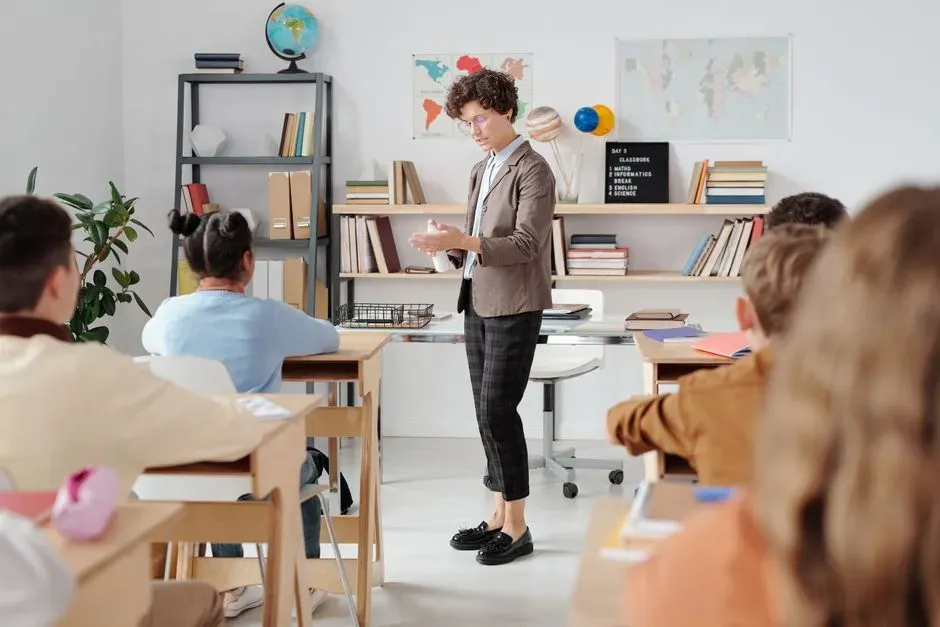
5. Chatting Up the Teacher During Drop-Off (Image Credits: Pexels)
Parents want to connect with their child's teacher, which is understandable. Teachers, however, have a job to do. Even a friendly "How was your weekend?" first thing Monday morning can throw off the entire day's schedule. Drop-off is one of the most logistically complex moments of a teacher's day, not a social window.
Most teachers ask parents to wait at a designated pickup spot outside the classroom at the end of the day precisely because that time is chaotic, and having parents present adds to the disorder rather than easing it. A quick wave and a clean goodbye is almost always more appreciated than a lingering conversation about homework concerns or last week's field trip.
6. Hovering Over the Classroom Like an Auditor

6. Hovering Over the Classroom Like an Auditor (Image Credits: Pexels)
Parents who get too involved in their child's school life can become a roadblock for the teacher in the classroom. These parents may offer suggestions to the teacher on how they can do their job better. The impulse often comes from care, but the effect on the teacher is something closer to being micromanaged in their own workspace.
When a parent is in the classroom, it feels a bit like having a boss standing over you watching your work. Teachers become self-conscious of everything, including the messy classroom, the kid who isn't listening, and the student in the corner making noise. That self-consciousness chips away at the natural rhythm of a lesson in ways that quietly hurt every student in the room.
7. Expecting Daily or Hourly Communication Updates
7. Expecting Daily or Hourly Communication Updates (Image Credits: Pexels)
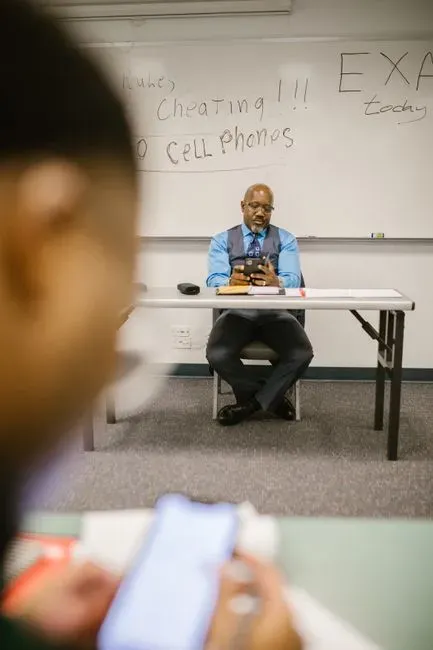
When teachers suspect a parent expects daily or even hourly updates on a child's progress, it's a significant burden. Some teachers make the mistake of supplying their personal cell phone number to parents to make communication easier, which almost always backfires. What starts as accessibility quickly becomes a boundary problem that eats into evenings, weekends, and prep time.
When there is a vacuum in communication, an overinvolved family will rush right in with questions and expectations. Schools that clearly communicate from the beginning how progress will be measured and whom to contact generally see far fewer communication-related conflicts. Still, the expectation that a teacher should be reachable around the clock reflects a misunderstanding of the job that many educators find genuinely exhausting.
8. Making Endless Excuses Instead of Setting Expectations
8. Making Endless Excuses Instead of Setting Expectations (Image Credits: Pexels)
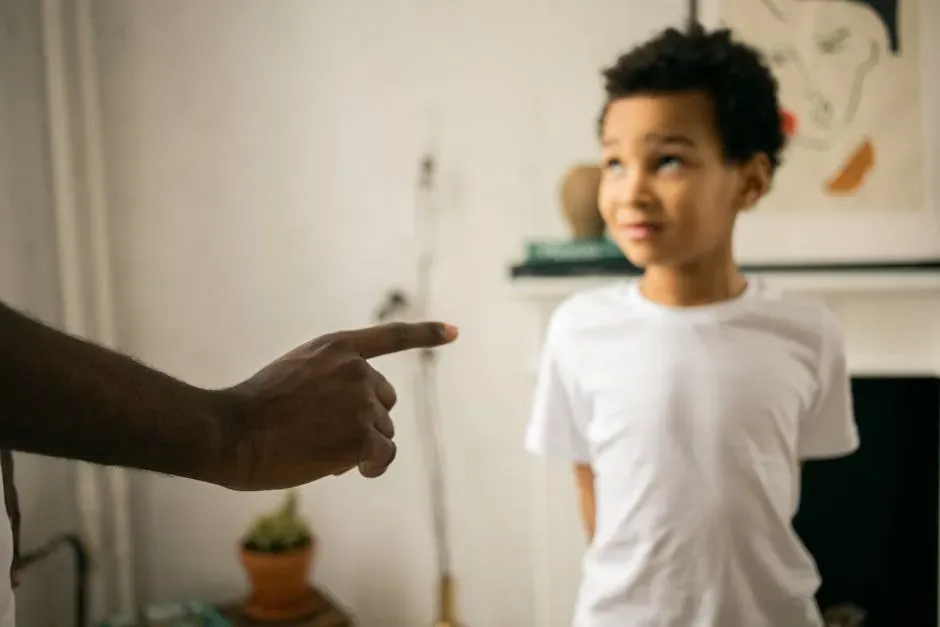
The causes of today's spike in misbehavior are multiple, including permissive parenting, screen addictions, pandemic-era disruptions, and a broader erosion of behavioral norms. Teachers understand the context. What frustrates them is when parents respond to that context with explanations rather than with action, treating every behavioral issue as something that happened to their child rather than something their child chose to do.
Thoughtful parents who teach their children that they are not the center of the universe raise kids who learn to be accountable for the consequences of their own choices. These children do not expect constant rewards for ordinary civil behavior and tend to appreciate structure and boundaries. The contrast with children raised on steady excuses is visible the moment they walk into a classroom.
9. Letting Screen Time Replace Basic Parenting

9. Letting Screen Time Replace Basic Parenting (Image Credits: Unsplash)
Teachers say they can tell which children go home and just sit in front of a tablet all day. A good portion of a teacher's day is spent redirecting the behavior of those students. Unlimited, unsupervised screen time doesn't just affect attention spans. It shapes social skills, tolerance for boredom, and the ability to sit through anything that isn't immediately stimulating.
The discussion among educators reflects a broader concern about how student habits are formed outside school hours. While schools play a central role in education, habits around respect, responsibility, and persistence often begin outside the classroom. When those hours are dominated by passive screen consumption, it shows in nearly every aspect of how a child participates in school.
10. Refusing to Let Children Experience Failure

10. Refusing to Let Children Experience Failure (Image Credits: Unsplash)
Helicopter parenting implicitly involves parents making decisions for their children, reducing children's need to problem solve and make their own choices. The area of the brain responsible for planning, judgment, impulse control, and decision-making is directly affected by how often children are allowed to practice those skills independently. When parents short-circuit every struggle before it lands, the developmental cost is real.
Research links constant parental intervention to fear of failure and reduced autonomy in adolescence and adulthood. When parents are always present to prevent problems or clean up messes, children are denied the opportunity to learn through failure, disappointment, and loss. Teachers see this play out in students who fall apart at the first sign of a difficult assignment, a bad grade, or a social conflict they have to navigate alone.
11. Being Disrespectful Toward School Staff
11. Being Disrespectful Toward School Staff (Image Credits: Unsplash)
Research based on in-depth interviews with teachers, school leaders, and policy-level managers found that parental aggression toward teachers takes various forms, most commonly rudeness, shouting, intimidation, and verbal threats. These behaviors create complex challenges that affect teachers both personally and professionally. The problem is more widespread than most outsiders assume.
Nearly four in ten teachers say parents at least sometimes communicate with them in a disrespectful way. That's a significant share of the profession dealing with hostility from the very people who are supposed to be partners in a child's education. Student misbehavior is already cited as one of the top contributors to low teacher morale, which has continued to decline. When parental disrespect is layered on top of that, it becomes one of the clearest drivers of teacher burnout and attrition in an already strained profession.
None of this is about vilifying parents. Most of the habits on this list come from a place of love, anxiety, or simple unawareness. The school-home relationship works best when both sides trust each other enough to let each do their job. For teachers, that trust starts with small, consistent signals that parents are willing to hold the line at home, and let the school hold it too.