
There’s a lot of noise about what separates generations from one another. Social media feeds are full of generational conflict: what older people don’t understand, what younger people have gotten wrong, and who carries more entitlement than gratitude. The actual truth is quieter and more interesting than any of that.
Younger people, including Millennials and Gen Z, do notice the older adults around them. They notice what holds up, what rings false, and what they quietly file away for later. Some people earn respect without even trying, and it usually comes down to a few quiet habits that speak louder than words. Here’s what those habits and green flags actually look like, based on what we know about how generations really perceive each other.
Green Flag 1: Staying Curious Without Needing to Be the Expert

Green Flag 1: Staying Curious Without Needing to Be the Expert (Image Credits: Unsplash)
One of the traits younger people genuinely respect in their elders is the willingness to keep learning, especially from someone younger. The older adults younger generations quietly admire aren't stuck. They're curious. That openness to being taught something new, without turning every conversation into a story about how they did it better back in their day, signals real confidence rather than defensiveness.
Psychologists are among those pioneering a multigenerational movement that connects different age groups in work, communities, and schools in an effort to improve people's well-being and tackle societal challenges. Curiosity is the engine behind that connection. When an older person genuinely engages with a new idea instead of dismissing it, it creates a kind of mutual respect that's hard to manufacture and impossible to fake.
Green Flag 2: Modeling Emotional Maturity Under Pressure
Green Flag 2: Modeling Emotional Maturity Under Pressure (Image Credits: Pexels)
Younger generations are acutely aware of how people behave when things go sideways. Emotional steadiness in difficult moments stands out, especially in a time when stress levels across all demographics are running high. Two generations are grappling with financial insecurity, high stress levels, and mounting climate anxiety, which makes visible emotional regulation from older adults all the more instructive and memorable.
Gen Z stands out for working to develop emotional and relationship skills they believe will help differentiate them in an increasingly technology-driven world, including actively improving their emotional intelligence. When they see those same qualities lived out naturally in older people, rather than performed in a workshop, it reinforces that emotional maturity is something worth building over a lifetime. It's one of the clearest green flags there is.
Green Flag 3: Genuine Commitment to Others Without Keeping Score
Green Flag 3: Genuine Commitment to Others Without Keeping Score (Image Credits: Pexels)
There's a persistent stereotype that older generations are primarily self-interested, particularly when it comes to resources and opportunities. Research tells a different story. Despite stereotypes that they merely care about their own self-interests, research shows that older people are actually much more altruistic and support generational equity much more often than most believe. Younger people who experience that altruism firsthand don't forget it.
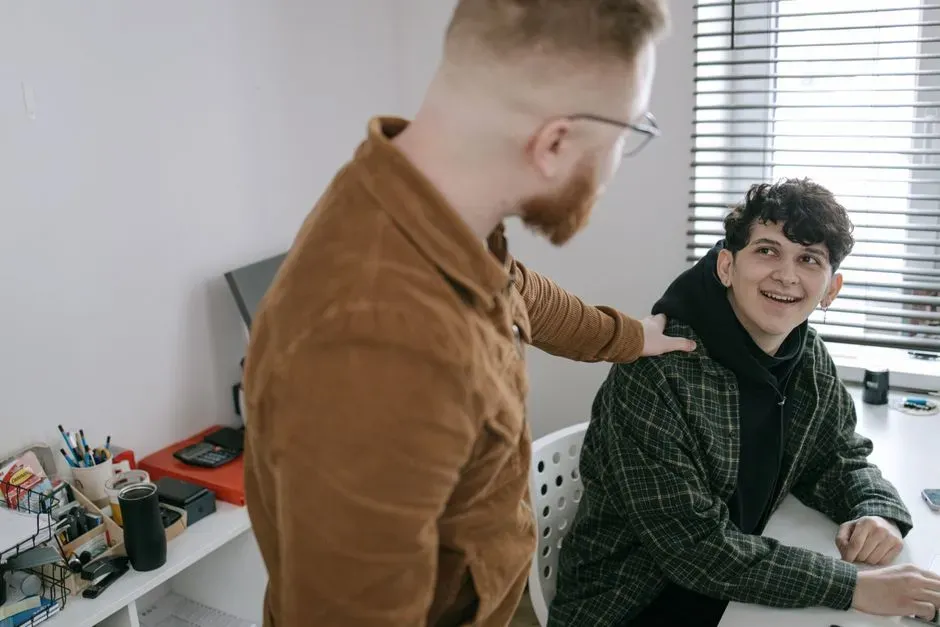
That older people can garner favorable views by assisting younger ambitions fits with noted socio-cultural theories. Being perceived as appropriately assisting younger generations may suggest a degree of competence to go along with the traditional high-warmth stereotype of older people. In practical terms, this looks like a mentor who makes a genuine introduction, a parent who doesn't attach conditions to support, or a colleague who shares credit without hesitation. Small acts, but lasting impressions.
Green Flag 4: Prioritizing Real Relationships Over Surface-Level Connections
Green Flag 4: Prioritizing Real Relationships Over Surface-Level Connections (Image Credits: Unsplash)
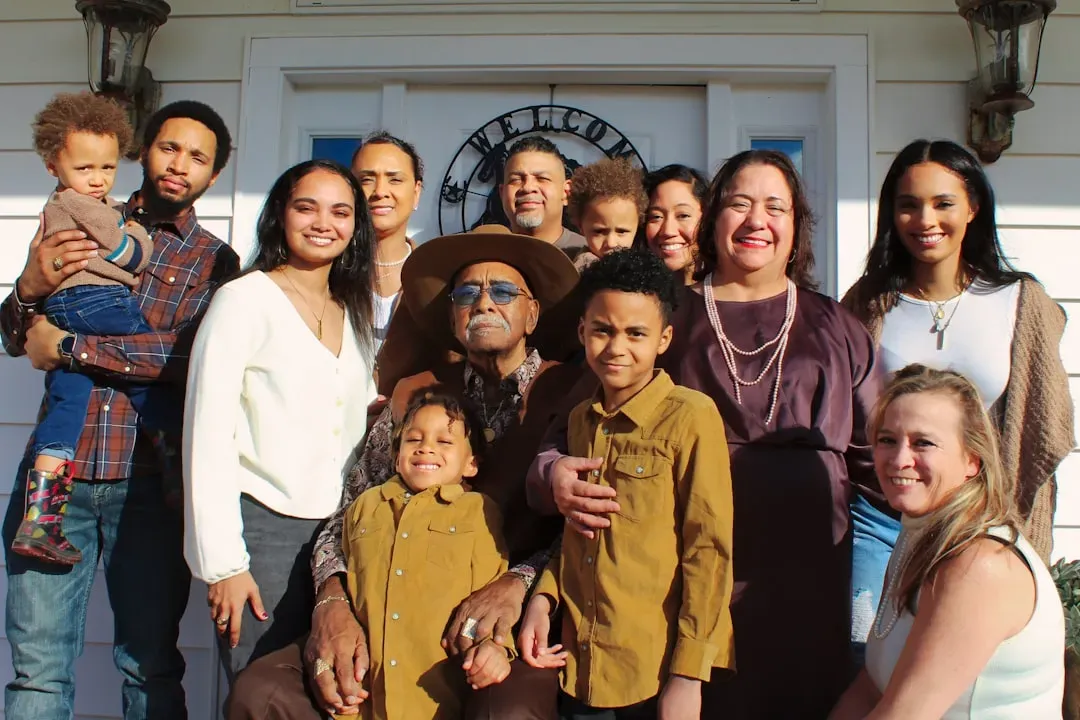
In a world saturated with digital interaction, genuine human presence is surprisingly rare and quietly striking. According to a study by Stanford University, relationships are a critical component in well-being, particularly as we age. The study suggests that when older adults are able to connect with a younger generation, such as their children or grandchildren, they tend to experience more mental and physical health benefits. Younger people feel that difference, even if they can't always articulate it.
Thanks to declining birth rates and increasing life expectancy, for the first time in history there are relatively equal numbers of people in every age group in the United States. Yet the generations in American society today are segregated more than ever. That's exactly why an older person who actually shows up, listens without an agenda, and invests in a real relationship across the generational divide stands out so clearly. It's become rarer, which makes it more valuable.
Green Flag 5: Demonstrating That Stability and Meaning Can Coexist

Green Flag 5: Demonstrating That Stability and Meaning Can Coexist (Image Credits: Pexels)
Work-life balance remains the top priority for both Gen Z and Millennials when choosing an employer, and that priority didn't appear from nowhere. Younger people grew up watching older adults navigate careers and life choices, and many drew quiet conclusions from what they saw. The older adults who managed to build something stable while still living with evident purpose left a mark. Those who sacrificed everything for status or stayed in miserable situations for the sake of appearances left a different kind of lesson.
Rather than accepting this as inevitable, younger generations are actively restructuring their lives around wellbeing, rejecting the notion that success is measured primarily by traditional markers. A lot of that reframing has been shaped by watching elders who either modeled a better balance or demonstrated the cost of ignoring it. Many Gen Z respondents expressed gratitude for guidance and support they'd received from their parents and grandparents and hoped to emulate positive values their elders instilled in them, including a strong work ethic and deep care and concern for their families.
The 7 Habits Younger People Never Forget
The 7 Habits Younger People Never Forget (Image Credits: Unsplash)
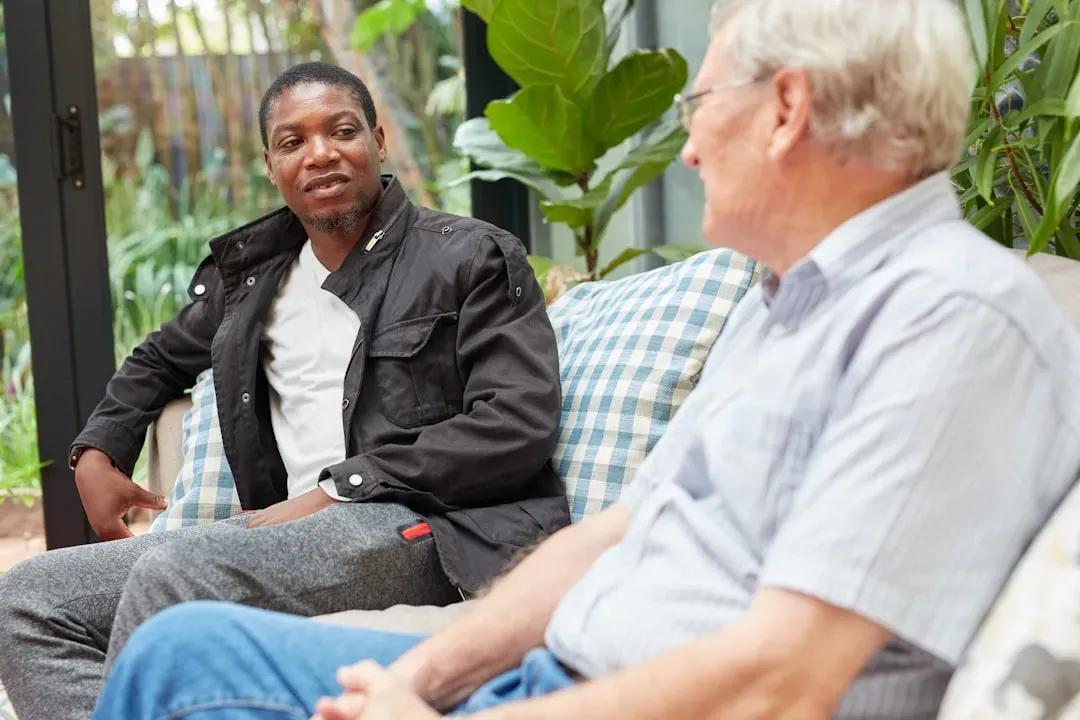
Beyond broad green flags, there are specific behaviors that tend to stick in the memory of younger people long after the moment has passed. Showing up consistently, without fanfare, is one of them. Reliability is more impressive than grand gestures, and younger people notice who actually delivers on what they say.
Keeping confidences is another. The person who doesn't gossip, doesn't share what was said in private, and doesn't use information as social currency earns a particular kind of respect that's nearly impossible to recover once lost. Related to that is the habit of admitting when you're wrong. The advice that an elderly person can give is admirable, as it is often given after decades of experience, but an elder who can also say "I was mistaken about that" carries far more weight than one who cannot.
Respecting younger people's time is another habit that registers deeply. Canceling without notice, running consistently late, or treating a younger person's schedule as less important than one's own sends a clear signal about how much the relationship is actually valued. The older adults who treat a 25-year-old's time with the same consideration they'd offer a peer are remembered warmly.
Asking good questions rather than offering unsolicited advice rounds out the list of habits younger people genuinely carry with them. Seniors have a wealth of knowledge to share, whether through daily activities like delicious cooking or vivid storytelling, or through larger life lessons such as dealing with loss or avoiding regrets. The best of those interactions happen when the older person leads with curiosity rather than instruction. That approach, more than almost any other, is what younger people quietly try to replicate as they grow older themselves.
Emerging evidence suggests that people not only categorize themselves and others based on age but also in terms of their generational membership, and those perceptions are shaped by the accumulated weight of daily habits. What gets passed down between generations isn't always wisdom spoken aloud. More often, it's the texture of how someone lived their ordinary days, the small choices they made when no one was watching, that younger people absorb and carry forward without even realizing it.