
Walk into a home where old-school manners are genuinely lived rather than just talked about, and you notice something almost immediately. It’s not any single object or rule. It’s more of an atmosphere, a quiet sense that this household has agreed, either explicitly or without ever saying so out loud, on how people should treat one another.
Etiquette refers to a set of conventional guidelines that dictate appropriate behavior within a specific social class or community, and it embodies a sense of decorum and politeness often passed down through generations rather than formally documented. Social research and behavioral studies have spent decades trying to understand what that upbringing actually looks like in practice. What they keep finding is that it shows up in very tangible, observable things inside the home itself.
A Proper Dining Table Used Daily
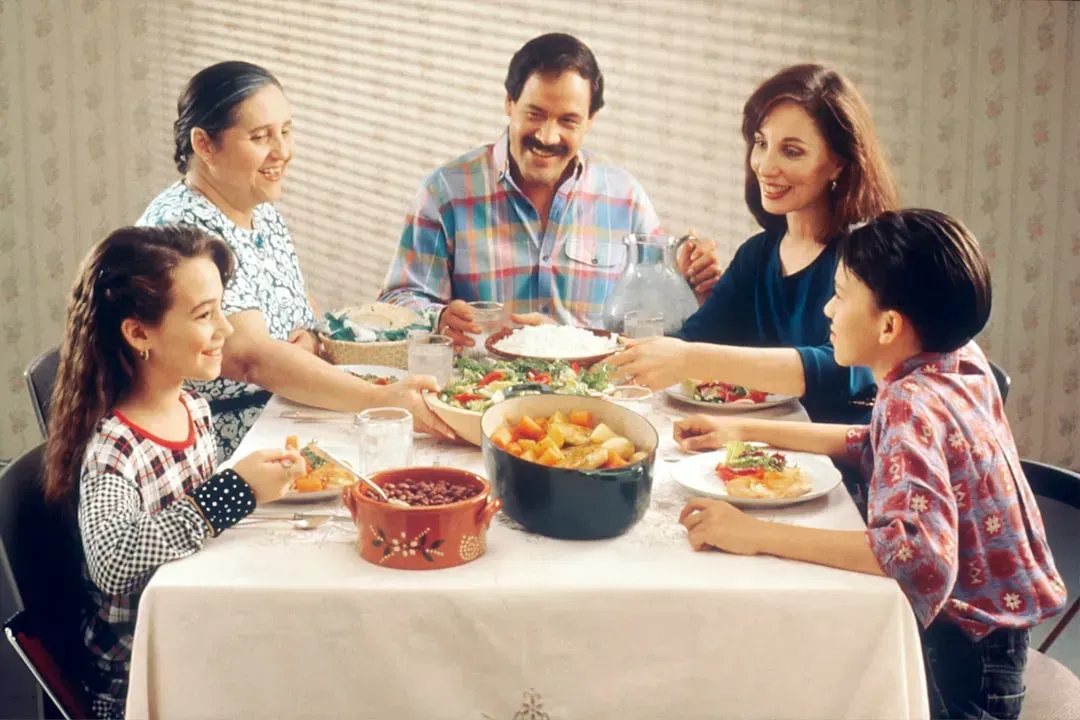
A Proper Dining Table Used Daily (Image Credits: Unsplash)
In the heart of every home, a dining table is more than just a surface to dine on. It’s where memories are made, stories are shared, and bonds are strengthened, a place where meals become more than sustenance and transform into moments of connection. Homes grounded in old-school manners don’t reserve the dining table for special occasions. It gets used every day, and that consistency is exactly the point.
The dining table also serves as a training ground for social etiquette and manners, where children learn important social skills such as table manners, courteous behavior, and respectful communication, which are essential for navigating social situations both at home and in the wider community. Research consistently ties regular family dining to stronger social development in children, and it often starts with simply having a dedicated table that everyone actually sits around.
Cloth Napkins
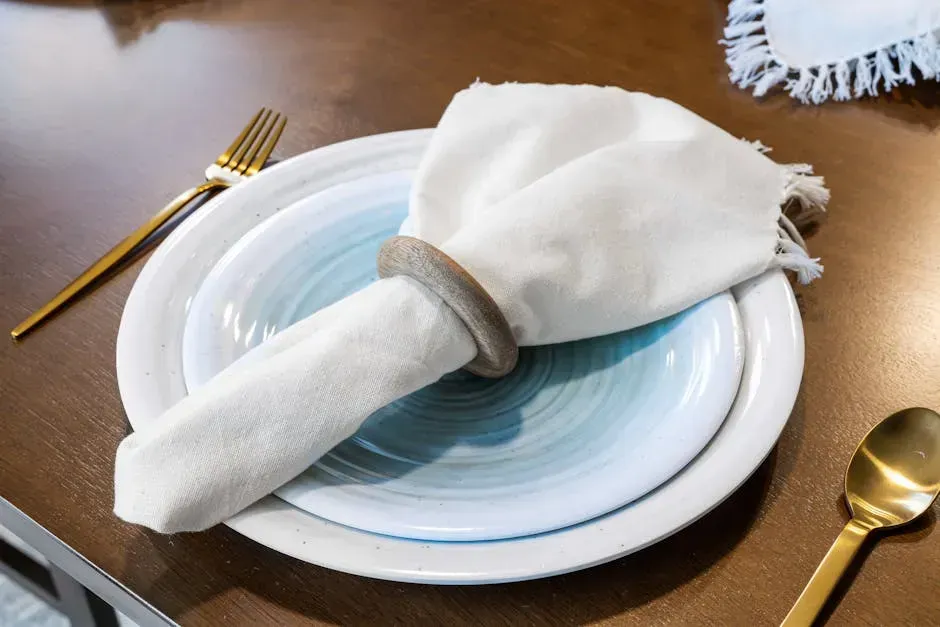
Cloth Napkins (Image Credits: Pexels)
Cloth napkins that go on your lap stay on your lap until the meal is completely finished, then get placed loosely to the left of your plate. Not on the chair when you get up temporarily, not tucked into your shirt, not left crumpled on the table. This is one of those small rituals that signals a household where dining etiquette has been taught deliberately and over time.
A tablecloth extending 10 to 15 inches past the edge of the table may be used for formal dinners, while placemats may be used for breakfast, lunch, and informal suppers. Cloth napkins tend to appear alongside tablecloths in these households, both of them quiet markers of a family that treats mealtimes as something worth preparing for rather than just getting through.
A Full Place Setting With Correct Utensil Placement
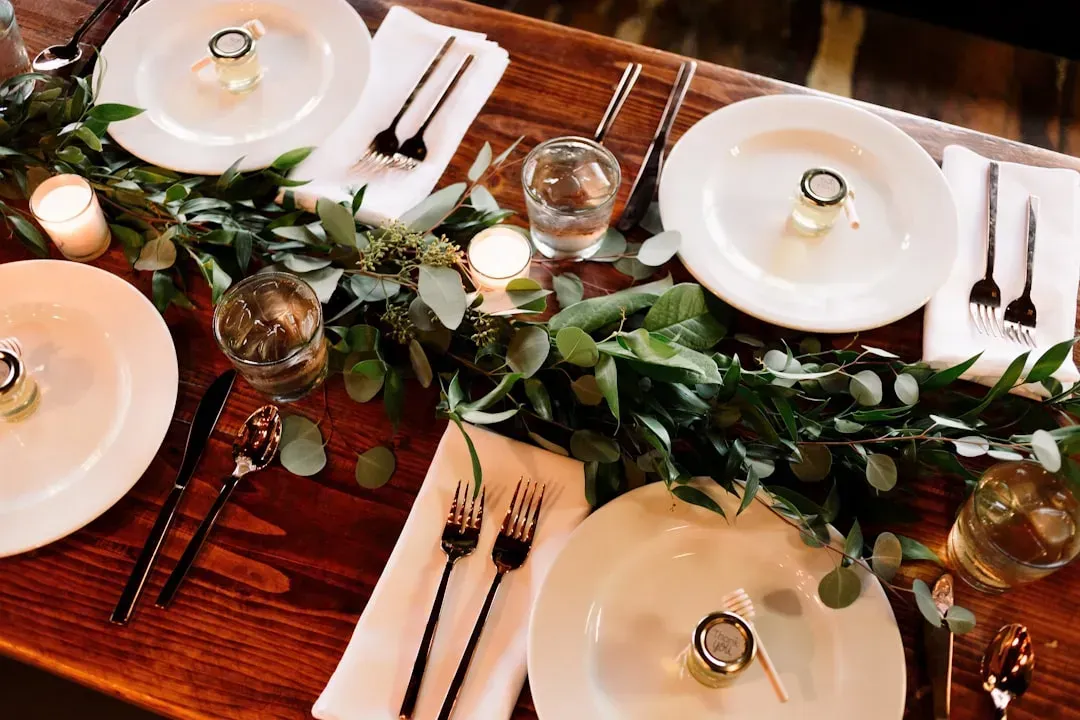
A Full Place Setting With Correct Utensil Placement (Image Credits: Unsplash)
Modern etiquette provides the smallest number and types of utensils necessary for dining. Only utensils which are to be used for the planned meal should be set, and hosts should not have more than three utensils on either side of the plate before a meal. In homes where manners matter, the table is set before people sit down, not assembled on the fly once food is already getting cold.
Knowing which glassware and flatware to use when eating can be somewhat confusing, but you will rarely go wrong moving “from the outside in,” employing the instruments and vessels furthest from your plate at the start of the meal and progressing closer to the plate with each course. Children raised in these homes often learn this rule early, sometimes without realizing they’re being taught at all. It becomes second nature.
A Guest Room That's Genuinely Prepared

A Guest Room That's Genuinely Prepared (Image Credits: Unsplash)
A prepared guest room, not a storage space that gets hastily cleared out, is a recurring feature in homes built around the idea that hosting carries real responsibility. It takes a lot of planning to put together even a simple meal for people, and genuine expressions of gratitude will be appreciated. To make a winning impression, thanks can start as soon as guests walk in the door. That same spirit extends to how overnight guests are received.
Emily Post wrote a daily newspaper column and later a series of books offering thousands of tips on all manner of life, including wedding and party planning, table settings, polite behavior at the dinner table, and tips on correspondence. Her influence shaped the modern understanding of hosting as an active expression of respect, not just an inconvenience to manage. A proper guest room reflects that same philosophy.
Stationery and Handwritten Note Supplies

Stationery and Handwritten Note Supplies (Image Credits: Unsplash)
The day after any event, etiquette tradition calls for writing a brief but personable “thank you” note to express gratitude for a lovely evening. In homes where this practice is kept alive, you’ll typically find notecards, stamps, and good pens somewhere accessible, not buried in a junk drawer. The habit is kept ready because it gets used.
It’s always important for a guest to express their gratitude by writing a thank-you note. Parents will be pleased to receive a simple letter thanking them for their hospitality, but going the extra mile and sending a handwritten note makes a genuinely good impression. Social studies on prosocial behavior consistently find that homes where written expressions of thanks are practiced tend to produce children with stronger empathy skills and greater social awareness.
A No-Phone Policy at the Table

A No-Phone Policy at the Table (Image Credits: Pexels)
Your phone belongs in your bag or pocket during a meal. While some etiquette purists demand phones be turned off entirely, most all can agree on where it should never be: on the table. Leaving your phone out in plain sight sends the message that more interesting things are on the screen than are in front of you. Homes grounded in manners treat this less as a rule and more as a given.
Upper-middle-class families often have explicit, enforced policies about devices at dinner. It’s about respecting the meal, respecting conversation, and treating dinner as sacred family time. Whether posted on the wall or simply understood, that boundary around mealtime is one of the most consistent things researchers and etiquette scholars observe across households with strong mannered traditions.
Books on Etiquette or Social Conduct
Books on Etiquette or Social Conduct (Image Credits: Pexels)
The rules of etiquette were never really formally recorded but rather were passed along from generation to generation and standardized along the way. The concepts inherent in a particular etiquette rarely undergo change, and although tweaked from time to time, they are still considered part of the specific manner of behavior required by good breeding or procedure under certain circumstances. Still, many households that take manners seriously do keep reference texts around.
The Schlesinger Library at Harvard holds an extensive collection of materials related to etiquette, that is, the rules pertaining to and expectations for behavior in the home and in society, covering social etiquette, letter writing, health and hygiene, home economics, and child rearing. Books like these show up on bookshelves in homes where good conduct is treated as a learnable, teachable skill rather than something people are simply born with or without.
Consistent Mealtime Rituals

Consistent Mealtime Rituals (Image Credits: Pexels)
In religious households or formal institutions, a family meal may commence with saying grace. Whether religiously motivated or not, homes built on old-school manners almost universally have some kind of opening ritual at the table. It creates a shared signal that mealtime has officially begun and that the moment deserves a certain kind of attention.
Waiting for everyone to be seated and served before starting to eat, ensuring that guests are seated comfortably first, are small practices that signal a home where collective experience takes priority over individual hunger. The act of coming together at the dining table to share meals creates a cherished family ritual. Whether it’s a weekly Sunday dinner, a holiday feast, or a nightly gathering, these rituals provide a sense of continuity and tradition that children find comforting and stabilizing.
Proper Seating Arrangements for Guests
Proper Seating Arrangements for Guests (Image Credits: Pexels)
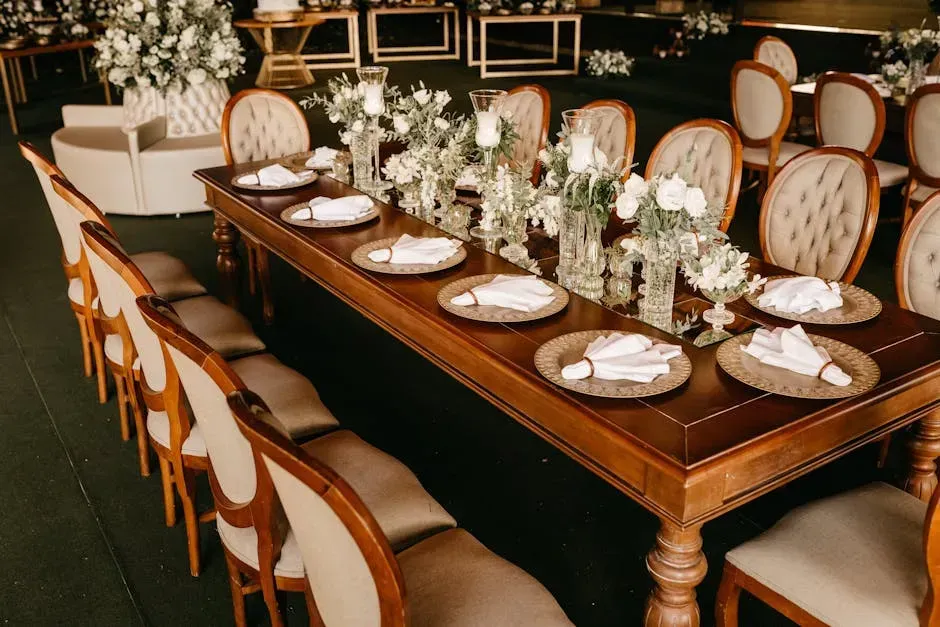
Respecting any seating arrangements made by the host is a basic principle of formal dining etiquette. In households that were raised on old-school manners, guests don’t just sit anywhere. There’s a host who thinks about who should sit next to whom, and that consideration is treated as part of the hospitality itself rather than unnecessary fuss.
Traditionally in European countries, the host or hostess takes the first bite unless the host invites others to start. The host begins after all food for that course has been served and everyone is seated. These small gestures, deliberate seating, waiting for the host, acknowledging the hierarchy of the table, are all signals of a household where social customs have been actively cultivated rather than left to chance.
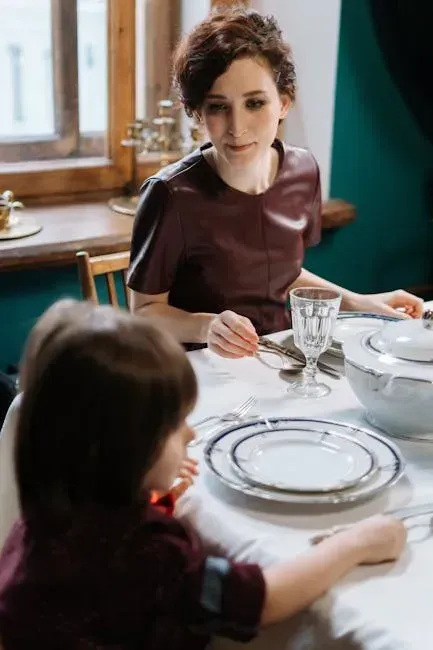
Children Taught to Ask to Be Excused

Children Taught to Ask to Be Excused (Image Credits: Pexels)
At family meals, children are often expected to ask permission to leave the table at the end of the meal while adults remain talking, though this varies extensively by country, culture, and family. In homes where old-school manners are embedded in daily life, this expectation is non-negotiable and it starts young. The habit of asking before leaving reinforces the idea that the table is a shared space, not a personal one.
Research highlights the long-term impact of early social skill development, noting that children with strong social skills often perform better academically, experience fewer behavioral challenges, and feel more connected to their peers. The mannerisms children exhibit begin in the home. Something as simple as asking to be excused teaches children to acknowledge others before they exit a shared moment, a skill that extends well beyond the dinner table.
A Culture of Verbal Courtesy Throughout the House

A Culture of Verbal Courtesy Throughout the House (Image Credits: Pexels)
Manners are more than just polite words or gestures. They reflect how we value others and ourselves. Good manners show consideration, empathy, and social awareness. In homes built on old-school principles, the words “please,” “thank you,” and “excuse me” are treated as non-optional vocabulary from an early age, and adults use them too, not just as lessons for children but as genuine practice.
Kids learn via observation, so it’s up to parents to set a good example. Not only is it important to teach manners, but practicing your own courteous behavior helps reinforce the lessons. Your tone of voice, your attitude, and your method of delivery will be imitated by your children. The homes where this takes root most durably are the ones where verbal courtesy isn’t saved for guests or special occasions. It’s just how people talk to each other every day.
What these eleven things share is that none of them are particularly expensive or rare. A cloth napkin, a notecard, a place setting, a no-phone rule. The objects themselves are ordinary. What makes them meaningful is the consistent intention behind them, the quiet daily decision to treat other people, including the people you live with, as worth the effort.