
Most people picture millionaires living in sprawling mansions, driving flashy cars, and ordering bottles of wine that cost more than a month’s rent. The reality is often completely different. Research going back to Thomas Stanley and William Danko’s landmark book “The Millionaire Next Door” revealed that most millionaires live in middle-class neighborhoods, drive modest cars, and avoid ostentatious displays of wealth. That finding hasn’t aged much.
According to research from “The Millionaire Next Door” and Dave Ramsey’s Millionaire Studies, most millionaires didn’t get rich acting rich. They kept it simple, stayed focused, and avoided expenses that drained their income. The list below captures exactly where that discipline shows up most consistently.
1. Brand-New Cars

1. Brand-New Cars (Image Credits: Unsplash)
Cars often shed roughly sixty percent of their original purchase price within the first five years, which makes it genuinely hard to justify spending so much on something that only depreciates. Frugal millionaires understand this math intuitively, which is why showroom floors rarely see them.
Instead of buying brand new, many millionaires purchase certified pre-owned vehicles, search for good deals on vacations, may upgrade to economy plus on an airline but won’t pay for first class, and keep their cell phones as long as they work without feeling the need to upgrade every time new technology comes out. The pattern is the same across the board: pay for function, not for freshness.
2. Daily Coffee Shop Habits

2. Daily Coffee Shop Habits (Image Credits: Unsplash)
A five-dollar coffee doesn’t sound like much until you add it up. That’s roughly eighteen hundred dollars a year, gone. Smart millionaires don’t waste money on a daily latte habit when brewing at home costs a fraction of the price. A high-quality coffee maker and good beans give them the same luxury without the markup.
It’s not really about the coffee. It’s about recognizing how small, automatic spending decisions compound into serious money over time. Frugal millionaires often skip the coffee shop run and brew their own at home, sometimes investing in a good coffee maker and their favorite beans, knowing it saves them considerably in the long run.
3. Extended Warranties

3. Extended Warranties (Image Credits: Pexels)
Millionaire Steve Adcock, who publishes the Millionaire Habits newsletter, says one thing you’ll never see him spend on is extended warranties on household appliances and electronics from big-box stores. In his words, you’re probably not going to use it and it’s just additional profit for the store. Instead, he puts a little cash into his emergency fund each month to cover repairs.
Most extended warranties are priced to profit the retailer, not the buyer. Wealthy people recognize this trap immediately and walk right past it without blinking. Self-insuring through a dedicated savings buffer is simply the smarter financial move.
4. Fast Fashion and Disposable Clothing

4. Fast Fashion and Disposable Clothing (Image Credits: Unsplash)
The ultra-wealthy tend to steer clear of fast fashion traps, which can lead to wastefulness and overspending. A big reason why some high earners may never become truly wealthy is because they are materialistic in what they invest in. Clothing is one of the clearest places this shows up.
Self-made millionaire Jonathan Sanchez maintains a low clothing budget by keeping things straightforward. He doesn’t overthink his outfits and keeps a small closet of simple, timeless clothes. Going casual means jeans and a T-shirt or polo; a formal event calls for a suit and tie. Fewer, better pieces beat a rotating closet full of throwaway trends every time.
5. Oversized Homes They Don't Need

5. Oversized Homes They Don't Need (Image Credits: Pexels)
Bigger doesn’t always mean better, and millionaires who understand wealth-building get this. A massive home comes with equally massive expenses: higher taxes, costly upkeep, and endless maintenance. They choose homes that fit their needs instead of chasing square footage just for the sake of it. The smartest ones prioritize location, efficiency, and long-term value.
While most people see their home as the biggest status symbol they can buy, millionaires view it primarily as shelter. Roughly sixty percent of millionaires live in homes worth less than five hundred thousand dollars, and Warren Buffett still lives in the same house he bought in 1958 for thirty-one thousand five hundred dollars. That kind of consistency is rarely accidental.
6. Consumer Debt and Interest Charges

6. Consumer Debt and Interest Charges (Image Credits: Unsplash)
Except for their home mortgages, frugal millionaires avoid all consumer debt. Nearly three-quarters of millionaires have never carried a credit card balance in their entire lives. When they want something they can’t yet afford, they save up and pay cash for it later instead of borrowing money.
They understand that every dollar spent on interest is a dollar that can’t be invested to build their future. Millionaires know you simply can’t build wealth while paying compound interest to someone else. It’s a straightforward equation that most people choose to ignore.
7. Frequent Restaurant Dining and Food Delivery

7. Frequent Restaurant Dining and Food Delivery (Image Credits: Pexels)
One complete waste of money, in the opinion of many financial experts, is dining out often and ordering delivery. With all the fees that come along with delivery apps, you can easily end up spending double what your actual meal is worth. Many successful, wealthy people don’t allocate their budget to eating out frequently or ordering in.
Many wealthy people prefer to cook food themselves at home. This is not only a way to save money but also an opportunity to lead a healthier lifestyle. Mark Cuban, with a net worth of over five billion dollars, still prefers home-cooked meals with his family rather than dining out at fancy restaurants. The habit is ordinary. The outcome, compounded over decades, is not.
8. Luxury Travel Upgrades

8. Luxury Travel Upgrades (Image Credits: Unsplash)
You won’t find frugal millionaires throwing money at five-star resorts and first-class flights just to feel fancy. Travel, to them, is about experiences, not showing off. Real millionaires book comfortable accommodations, but they don’t need private villas. Some of the most rewarding trips don’t come with a luxury price tag.
Many frugal millionaires choose economy class even though they could easily afford first. They understand that all seats land at the same time, so why pay extra for a few hours of luxury when that money can go toward actual experiences at the destination? The flight is transportation. The destination is the point.
9. Name-Brand Cleaning and Household Products

9. Name-Brand Cleaning and Household Products (Image Credits: Unsplash)
A fancy label doesn’t make a cleaner work better. Millionaires aren’t fooled into buying overpriced, name-brand cleaning supplies when cheaper alternatives exist that work just as well. Many stick to basics like vinegar, baking soda, and other budget-friendly options that get the job done without the markup. If a two-dollar product works the same as a ten-dollar one, they see no reason to pay extra just because it’s wrapped in prettier packaging.
This kind of thinking applies broadly, not just to cleaning supplies. Being frugal doesn’t mean buying whatever is cheapest. It’s not worth sacrificing quality to save just a few dollars. For investment items like a mattress, sofa, or refrigerator, frugal millionaires research and read all the product reviews. They’d rather own things that survive multiple uses than constantly replace them because they were poorly made.
10. Unnecessary Banking Fees and Late Charges

10. Unnecessary Banking Fees and Late Charges (Image Credits: Unsplash)
According to financial advisor insights, millionaires rarely pay ATM fees, bank fees for wire transfers, or monthly fees for their bank accounts. If you have the means to open a bank account, you can often avoid these fees by choosing a bank with no monthly fees, no minimum deposit or balance requirements, and no overdraft fees. Wealthy people also avoid late fees specifically by setting up autopay for their credit cards and other bills.
These fees are invisible drains. They don’t hurt in a single moment, but over years they represent real money spent on absolutely nothing. The truly wealthy don’t waste money on things that don’t add genuine value to their lives. They question every expense, avoid lifestyle inflation, and understand that every dollar wasted on something meaningless is a dollar that can’t work for them in investments.
11. Impulse Purchases and Status Spending
11. Impulse Purchases and Status Spending (Image Credits: Unsplash)
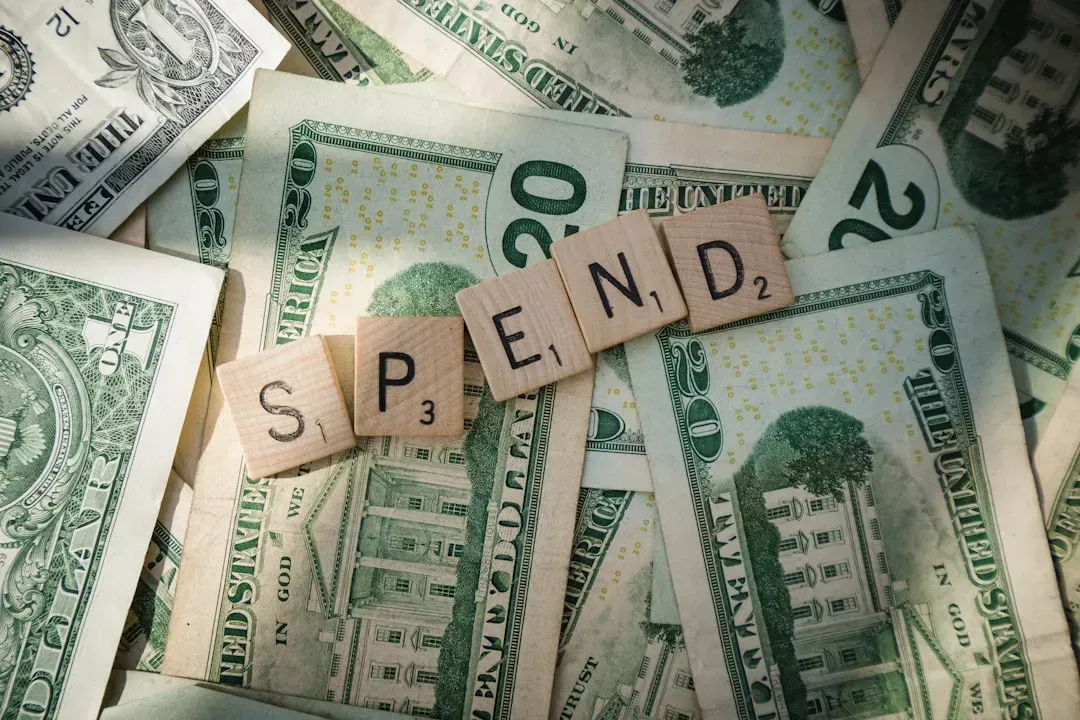
The average monthly spend on impulse buys fell to around one hundred fifty dollars per person in 2024. This doesn’t mean impulse buying is disappearing, just that impulse spending trends are shifting due to inflation and buyer caution. Even so, the wealthy were already ahead of this curve long before inflation forced anyone’s hand.
The super-rich are well aware that being able to afford something doesn’t make it a good purchase. Rather than spending to inflate their lifestyle, they save to maintain their wealth for the long term. In fact, roughly nine out of ten millionaires use coupons when they shop and aren’t embarrassed by it. They look for deals without sacrificing quality, and they purchase items that last longer rather than constantly replacing poorly made products. The willingness to pause before spending, no matter how small the sum, is one of the most underrated habits in building lasting wealth.
Frugality at the millionaire level isn’t about scarcity or deprivation. It’s a quiet form of discipline that compounds silently in the background. Approximately two-thirds of high-net-worth income is saved, translating to a remarkable average of six hundred twenty-one thousand dollars saved each year among one studied community of high-net-worth individuals. The things they choose not to spend on are just as important as where they do put their money. Every skipped impulse buy, every avoided fee, every sensible car driven for an extra three years is another dollar redirected toward something that actually grows.