
There’s a particular kind of comfort that children describe when talking about time spent with their grandparents. It isn’t simply about being spoiled or escaping the rules at home. It runs deeper than that. Research increasingly confirms what many families have long sensed: grandparents occupy a genuinely unique position in the emotional and developmental lives of children, one that neither parents nor teachers can fully replicate.
Life expectancy has grown substantially over the past century, which means more grandparents can now enjoy sustained, lasting relationships with their grandchildren from early childhood well into adolescence and adulthood. That extended window of connection matters enormously. What grandparents do with that time, often in quiet and unremarkable ways, shapes the texture of family life for generations to come.
Telling Stories That Carry Family History Forward
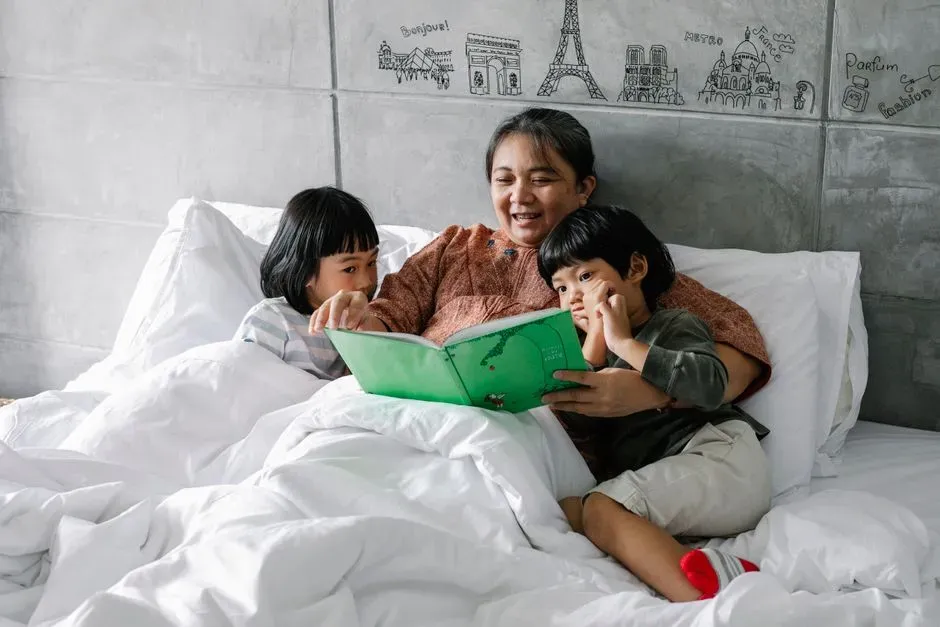
Telling Stories That Carry Family History Forward (Image Credits: Pexels)
Grandparents, more than anyone else, are the keepers of the family stories. They serve as a living bridge between the past and the future of a family. The stories they tell aren't just entertainment. They transmit identity, resilience, and a sense of where a child fits in the larger sweep of their family line.
Storytelling is an ancient tradition that grandparents can share with their grandchildren. Whether through oral stories, reading together, or writing down family history, storytelling is a powerful way to connect generations. Listening to and telling stories helps children develop language skills, expand their vocabulary, and improve comprehension. Storytelling also offers cultural awareness, as stories often reflect the values and traditions of a particular heritage.
Cooking Traditional Recipes Together
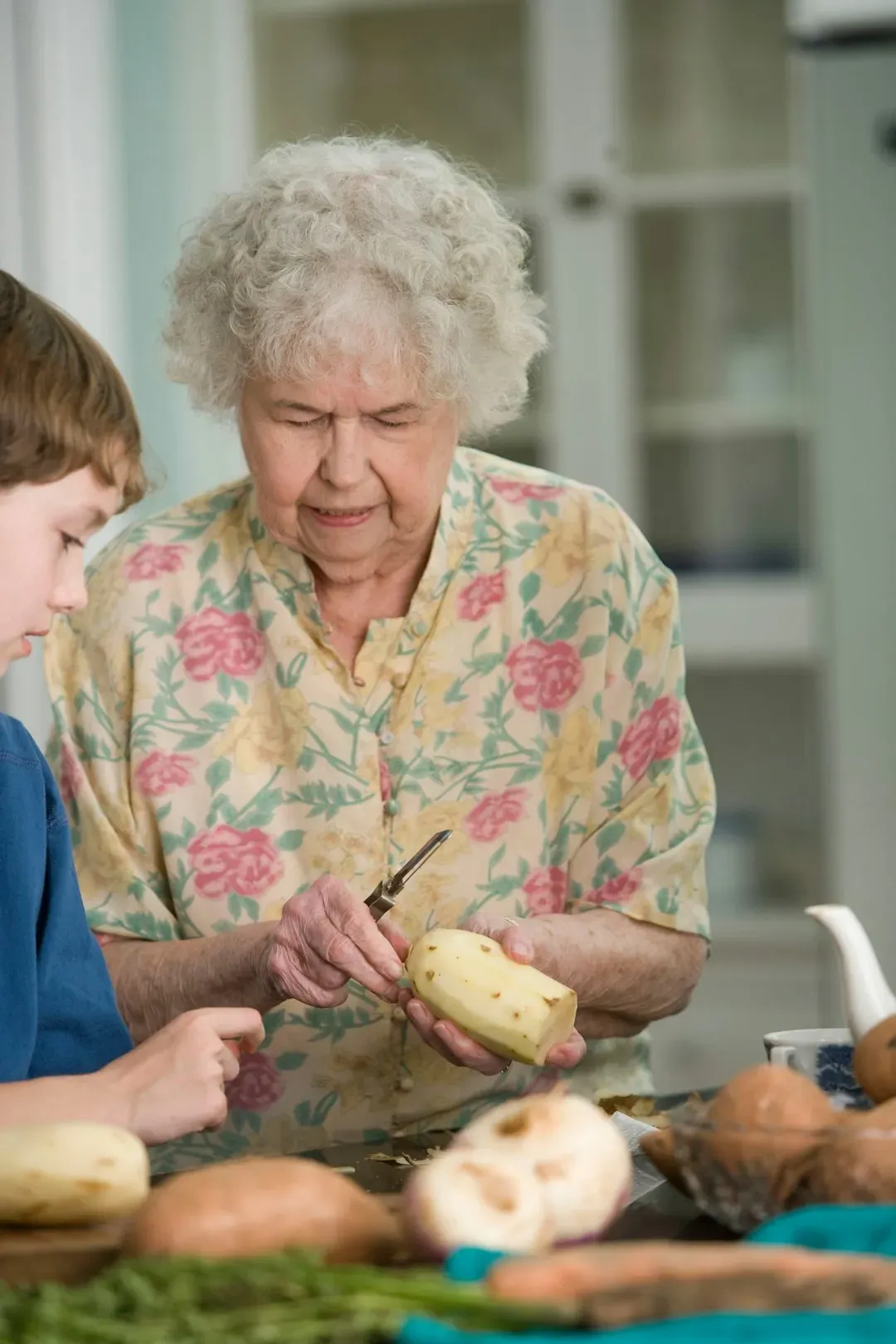
Cooking Traditional Recipes Together (Image Credits: Unsplash)
Learning to cook traditional recipes helps grandchildren connect with their roots, offering a cultural connection that ties them to their family history. The kitchen becomes a classroom where history, culture, and love all get stirred into the same pot. It's one of the few places where a child and a grandparent can be genuinely useful to each other at the same time.
Spending time together in the kitchen is a great way to introduce younger generations to traditional family recipes and create lasting memories. Families keep traditions alive through recipes handed down to each new generation, and creating memories together in the kitchen is important. Cooking also enhances creativity and teaches patience as children learn to follow instructions and wait for the delicious outcome.
Offering Unconditional Emotional Support

Offering Unconditional Emotional Support (Image Credits: Unsplash)
Grandparents provide emotional support, life experiences, and caregiving support and serve as role models. Like parents, grandparents love unconditionally, which helps a child feel safe and secure. That feeling of safety isn't trivial. It shapes how children manage stress and approach the world throughout their lives.
Studies have found that children who have a strong relationship with their grandparents are less likely to experience symptoms of depression and anxiety. In addition to offering emotional support during challenging times, grandparents can play a critical role in helping their grandchildren develop emotional regulation skills. By modeling healthy emotional expression and providing guidance on coping with strong emotions, grandparents can help their grandchildren learn to manage their feelings in healthy and constructive ways.
Acting as a Buffer During Difficult Times
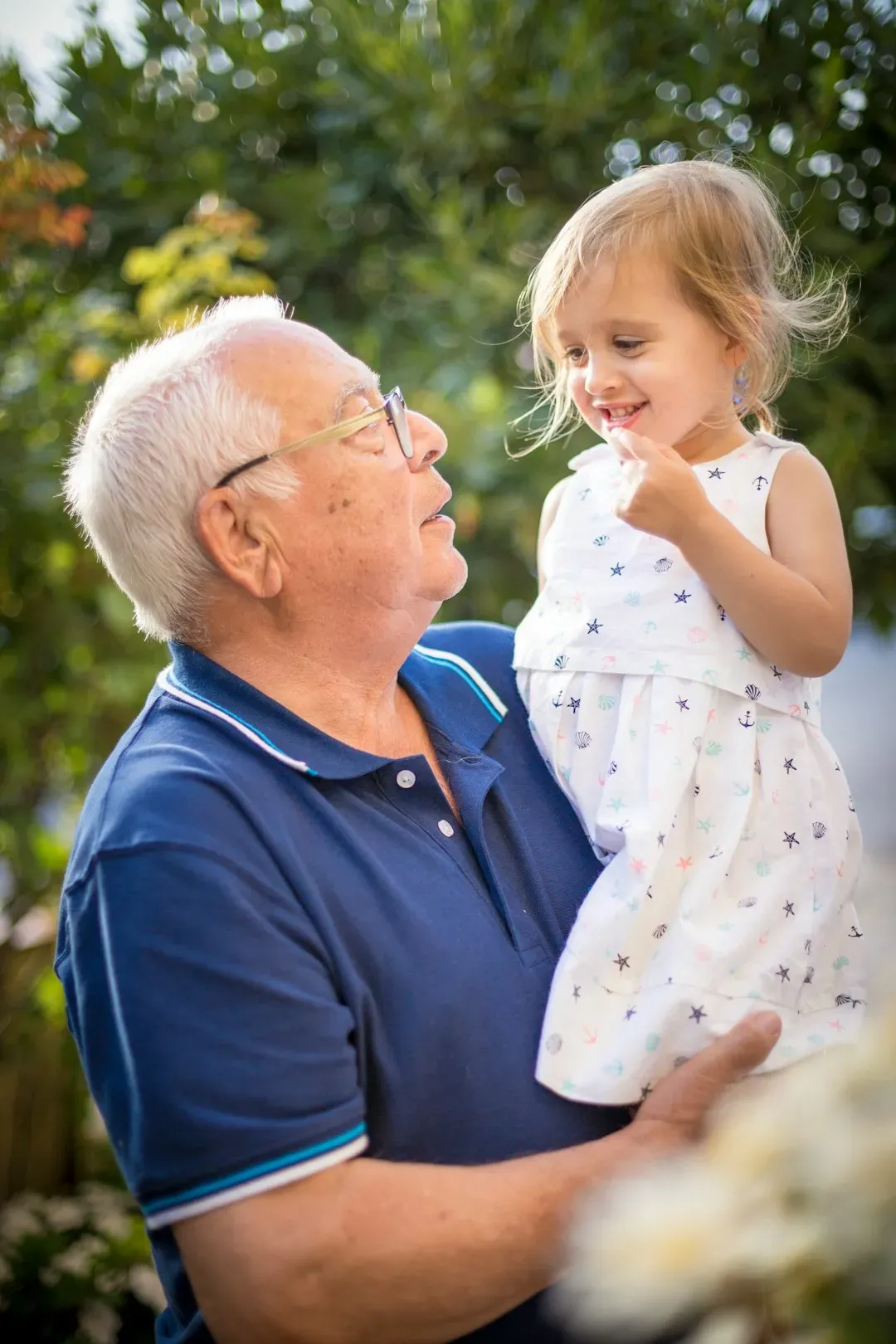
Acting as a Buffer During Difficult Times (Image Credits: Unsplash)
Research has shown that grandparents can promote emotional well-being through meaningful relationships, acting as a buffer against stress, which is especially valuable for children experiencing instability such as single or blended family contexts with limited alternative care options. This buffering role is something grandparents provide almost instinctively, simply by being present and consistent.
Even in parent-led American families, grandparents play a supportive, buffering role against the potential negative effects of lower socioeconomic circumstances on children's cognitive development. The protective effect of a warm grandparent relationship shows up across different family types, income levels, and cultural backgrounds, making it one of the more robust findings in family research.
Passing Down Cultural Values and Traditions
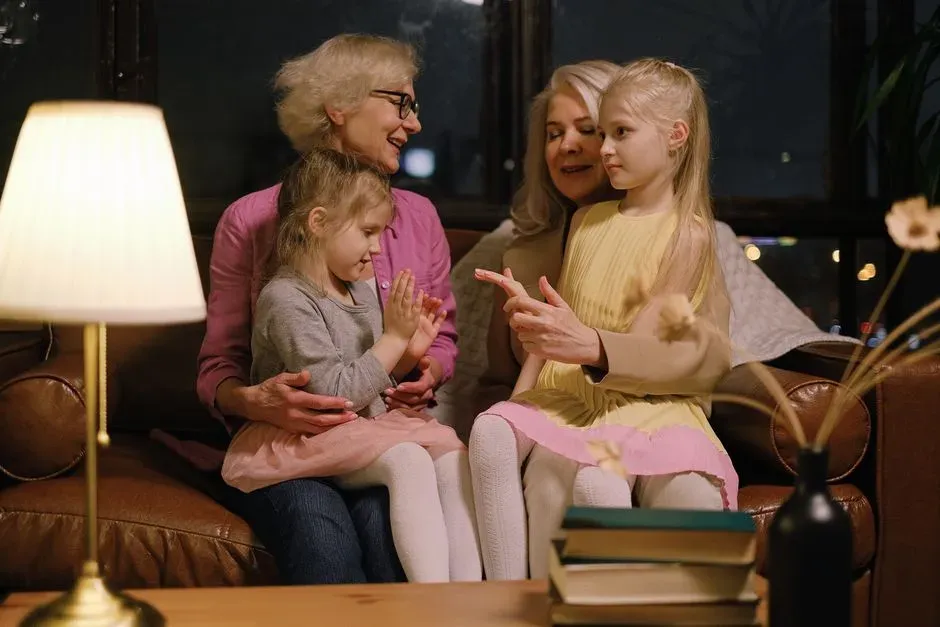
Passing Down Cultural Values and Traditions (Image Credits: Pexels)
Through storytelling and shared experiences, grandparents reinforce social values such as respect for elders, community engagement, and personal responsibility. These values don't get transmitted through lectures. They seep in through repeated interaction, through watching how a grandparent behaves at the dinner table or handles a disagreement with grace.
Grandparents help teach family culture, tradition, and history. They play a pivotal role in passing down cultural values, rituals, and customs, enriching their grandchildren's sense of identity and belonging. Passing down traditions not only preserves the family's culture but also strengthens family identity, helping each generation feel connected to their roots.
Creating and Protecting Family Rituals
Creating and Protecting Family Rituals (Image Credits: Unsplash)
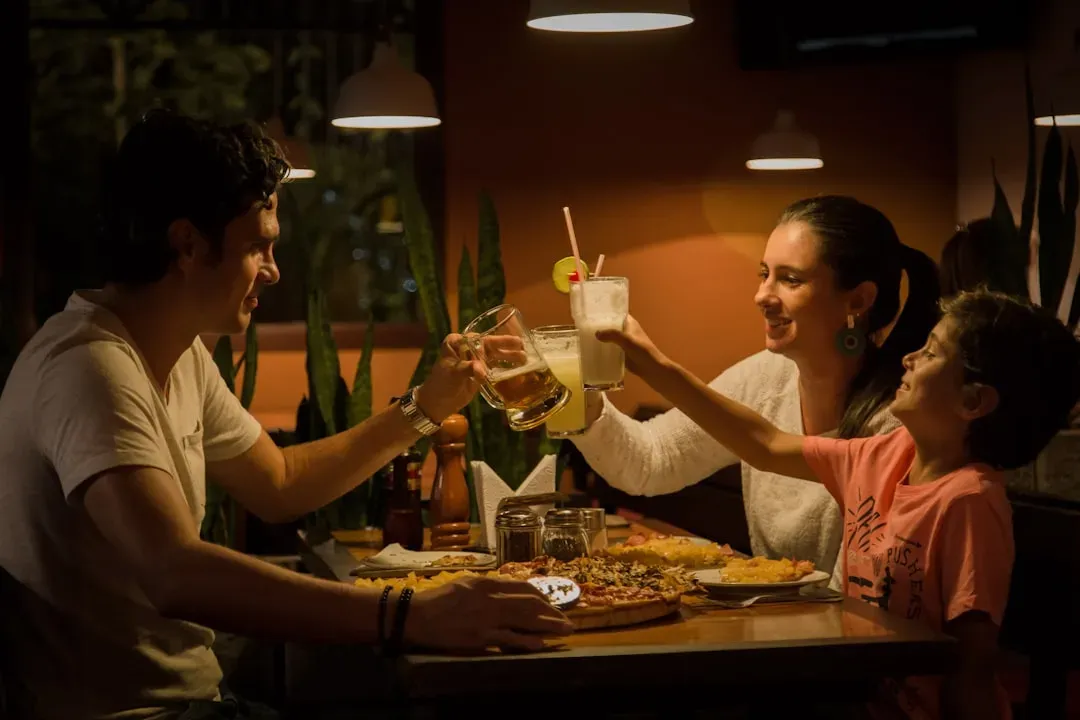
Research consistently shows that families who maintain regular traditions experience enhanced emotional wellbeing, better communication, and stronger connections. Grandparents are often the architects of those traditions, the ones who insist on the Sunday dinner, the holiday cookie baking, or the annual fishing trip, year after year.
Family rituals trigger the release of oxytocin, often called the "love hormone," which is associated with trust and emotional closeness. These shared experiences create a sense of belonging that children carry into adulthood. Grandparents who created and protected those rituals gave children an emotional vocabulary they carry forever.
Being Fully Present Without Distraction
Being Fully Present Without Distraction (Image Credits: Pexels)
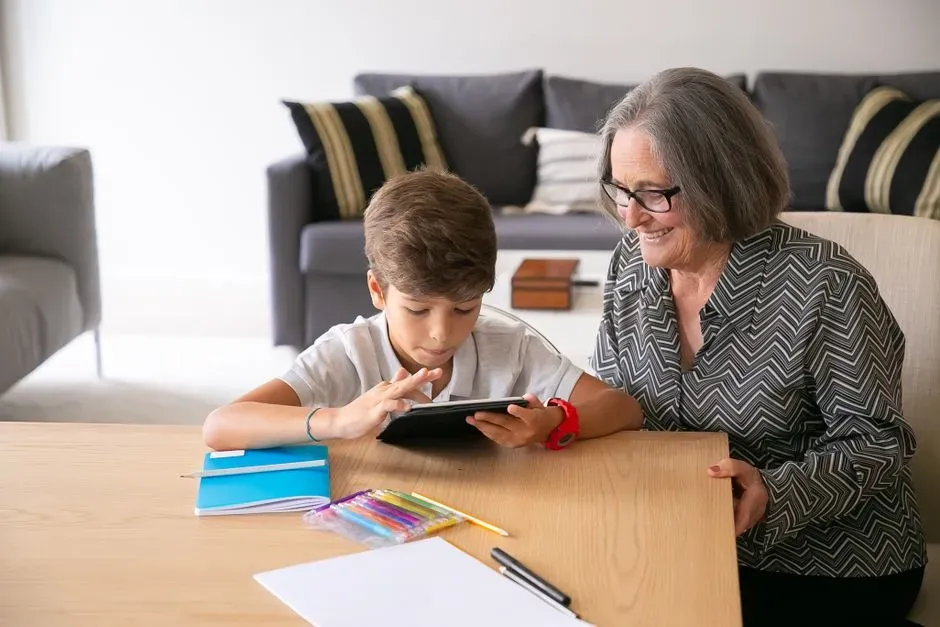
While parents might be preoccupied with making ends meet, grandparents can be fully present. This presence allows for deeper conversations and sharing life lessons that parents might not have the bandwidth to address. That undivided attention is something children notice, even if they can't quite articulate why it feels different.
Children look to trusted grandparents as another role model in their lives and pick up on how their grandparents not only act but react to certain situations. When grandchildren spend time around grandparents often, they learn how people they trust, besides their parents, act in different situations. Watching a grandparent move through the world patiently leaves a quiet but lasting impression.
Supporting Grandchildren's Cognitive and Educational Growth
Supporting Grandchildren's Cognitive and Educational Growth (Image Credits: Pexels)
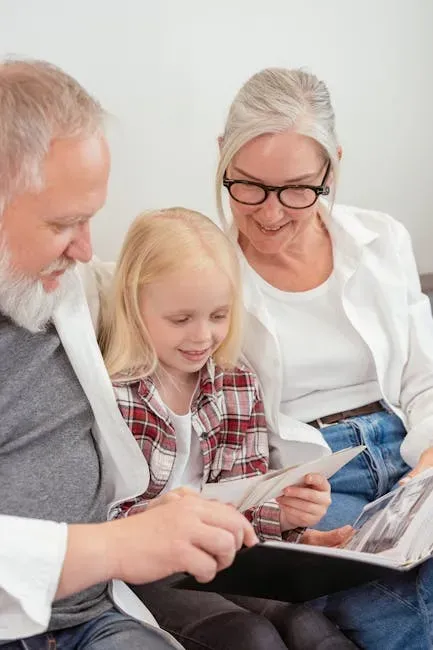
The profound effect of grandparents on key aspects of their grandchildren's development, including cognitive and verbal abilities, mental health, and overall wellbeing, has been documented in multiple research reviews. This influence doesn't require formal tutoring or structured lessons. It happens naturally through conversation, reading together, and simply answering a child's questions thoughtfully.
By spending time with their grandchildren, grandparents create enriched learning environments and model behaviors that can positively influence educational outcomes, especially for children from low socioeconomic backgrounds and those in single-parent families. Research also shows children in multigenerational households often achieve higher test scores, with studies indicating superior educational attainment linked to grandparental involvement.
Teaching Practical Life Skills
Teaching Practical Life Skills (Image Credits: Unsplash)
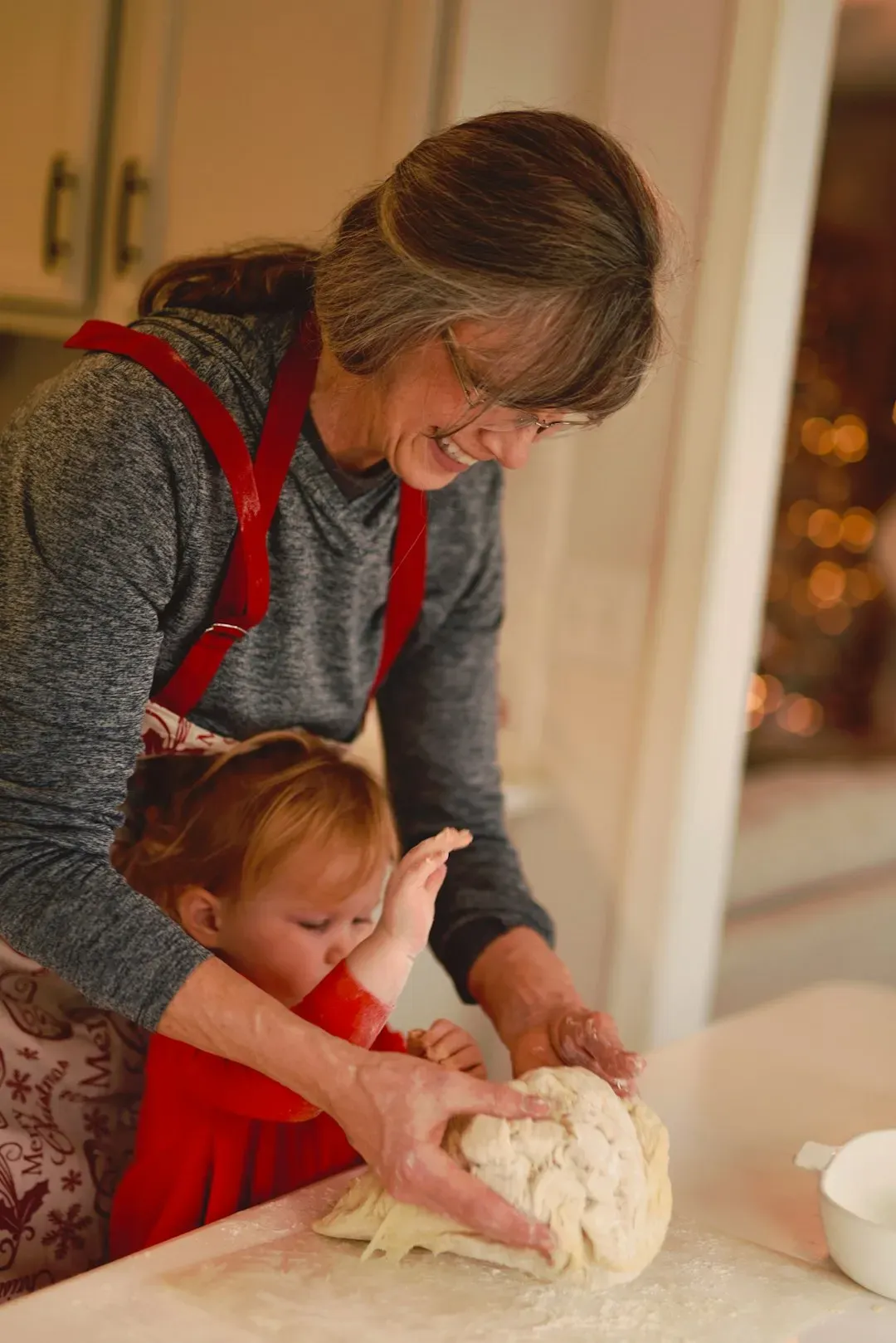
Intergenerational learning, where knowledge and skills are passed between generations, is a priceless exchange. For grandparents, this interaction strengthens their bond with their grandchildren and imparts valuable life skills that may not be as readily available in the modern world. From practical hands-on activities to life lessons grounded in experience, grandparents have much to offer.
Teaching grandchildren to cook is one way grandparents pass down a valuable life skill, while also passing down favorite recipes and cooking traditions. Gardening together not only boosts physical activity but is an ideal way to teach children about plants and how to grow healthy food. Whether it's fixing a leaky faucet, knitting a scarf, or growing tomatoes from seed, these shared skills become heirlooms in their own right.
Staying Connected Across Distance

Staying Connected Across Distance (Image Credits: Pexels)
Increased migration means that fewer children than before live close to their grandparents, yet newer avenues for communication such as video calls and modern gadgets may facilitate contact between grandparents and grandchildren independent of distance. The bond doesn't require proximity to remain strong. It requires consistency and genuine effort.
Small gestures, like sending care packages or scheduling a weekly call, can strengthen ties between different generations. Shared hobbies, storytelling, and letter exchanges provide real substance to those interactions. Whether grandparents live close by or far away, consistent and open communication shapes a healthy relationship with grandchildren.
Modeling Resilience and the Long View of Life
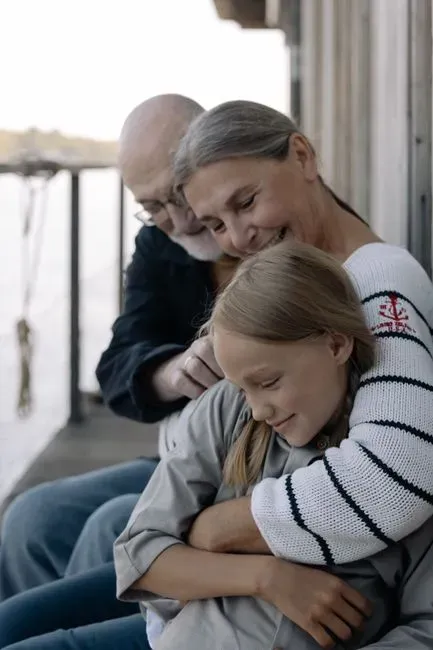
Modeling Resilience and the Long View of Life (Image Credits: Pexels)
When grandparents demonstrate perseverance, loyalty, hard work, and patience in their own lives, these qualities become tangible and attainable for younger generations. There's something irreplaceable about watching someone who has navigated decades of life continue to show up with warmth and steadiness. It teaches children, without a single lesson plan, that hard things are survivable.
Grandparents are aware of the dynamics of life and share their valuable life lessons to help the newer generation learn and grow. Due to longer life expectancies and age-related socioemotional strengths, grandparents are well-positioned to play roles that contribute positively to their grandchildren's emotional development. Prior research shows that strong emotion regulation and social skills, as well as familial social support, serve individuals well during emerging adulthood, a time when emotional wellbeing is especially challenged.
The thread running through all eleven of these behaviors is remarkably simple: presence, consistency, and a willingness to share. No single act transforms a family. It's the accumulation of small, repeated gestures, a recipe passed down, a story told at the right moment, a phone call that comes every Sunday, that builds the kind of family bond that outlasts any one generation.