
There’s a quiet frustration that runs through a lot of relationships, one that rarely gets named clearly. Women often feel that men are emotionally unavailable or indifferent, while men frequently feel misunderstood or unfairly judged for how they handle their inner world. Neither experience is entirely wrong. They’re just looking at the same reality from opposite sides of a gap that research is slowly helping to explain.
The truth is that men do process emotions differently, and this is shaped by a mix of biology, brain wiring, and decades of socialization. Understanding those differences doesn’t excuse emotional neglect, but it does open up room for genuine empathy. These eleven points aren’t excuses. They’re explanations, and there’s a meaningful difference between the two.
1. Silence Isn't the Same as Not Caring

1. Silence Isn't the Same as Not Caring (Image Credits: Unsplash)
When a man goes quiet during or after conflict, it’s easy to read that as indifference or stonewalling. But for many men, silence is actually a form of emotional regulation, not rejection. Emotional withdrawal in relationships often stems from nervous system overwhelm rather than indifference, and when someone becomes emotionally distant, it’s rarely about not caring – it’s usually about feeling overwhelmed or afraid that engaging will make things worse.
Many men didn’t grow up learning how to navigate emotional conflict safely. If disagreement in the family meant criticism, withdrawal, or escalation, silence can feel like the least dangerous option. So instead of saying “I’m overwhelmed,” men often say nothing. Unfortunately, that silence is often experienced by partners as rejection, indifference, or abandonment, creating a painful cycle on both sides.
2. Their Brains May Genuinely Struggle to Put Feelings Into Words

2. Their Brains May Genuinely Struggle to Put Feelings Into Words (Image Credits: Unsplash)
Research has shown that men have fewer connections between their left and right brain hemispheres. Because the right hemisphere deals with emotion and the left hemisphere controls speech, this deficit of connections could help explain why men find it challenging to talk about their feelings. This isn’t a convenient excuse. It’s a structural difference with real functional consequences.
This phenomenon, known as normative male alexithymia, reflects a struggle that is both personal and cultural. At its core, alexithymia refers to the difficulty in identifying and expressing emotions, a challenge that can be particularly pronounced among men due to traditional gender roles. Some men have mild deficits in emotional vocabulary, while others have been so thoroughly disconnected from their inner life that they experience emotions almost entirely as physical states: tension, headache, fatigue, appetite changes.
3. They Feel Emotions Just as Deeply – They Just Show It Differently
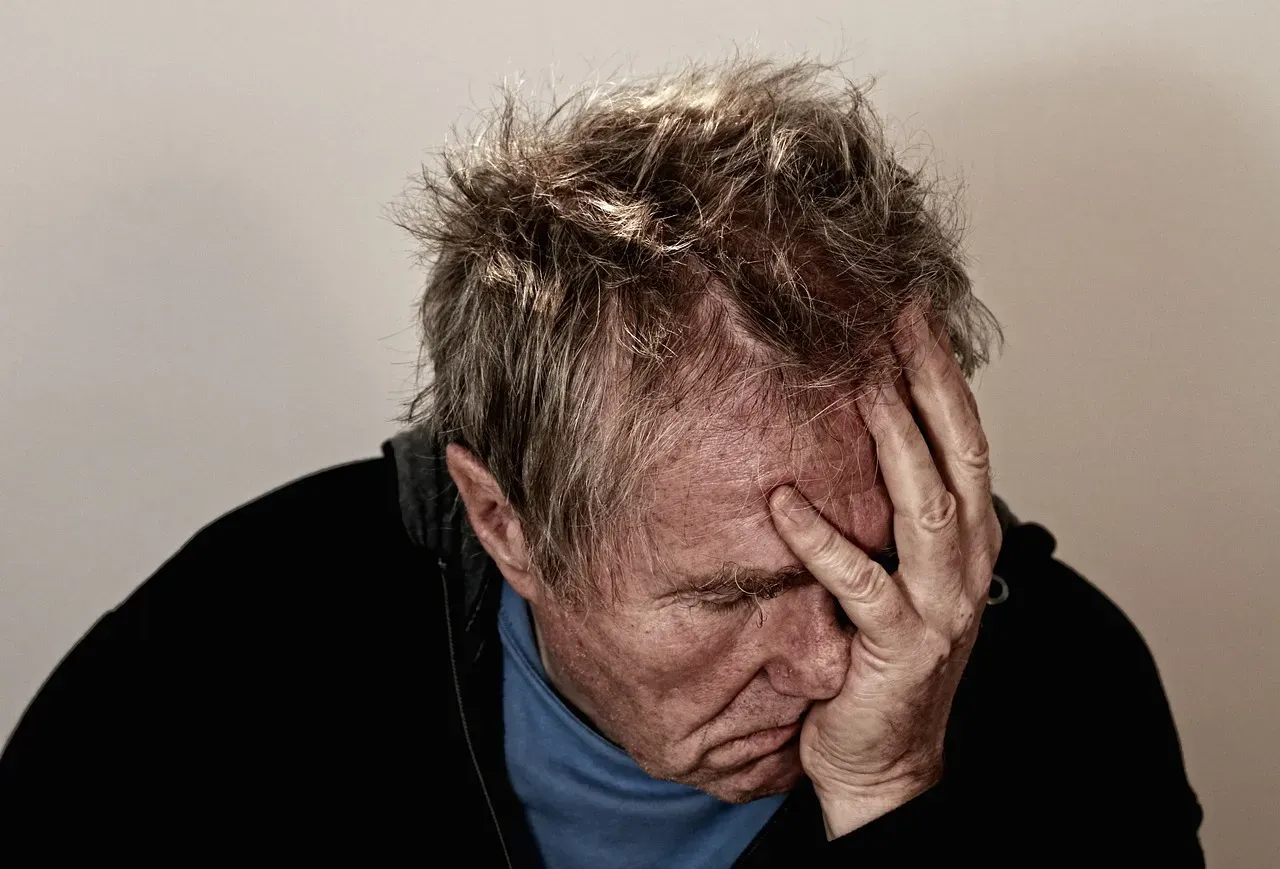
3. They Feel Emotions Just as Deeply – They Just Show It Differently (Image Credits: Pixabay)
Studies show that while both genders experience similar emotions, they process and express them differently. These distinctions, rooted in biology, upbringing, and social expectations, often impact how individuals relate to others, especially in personal relationships. Men aren’t walking around emotionally hollow. The feelings are there – they just tend to surface through behavior rather than language.
Some studies of emotional processing indicate that men and boys are able to identify the specifics of emotional arousal in themselves and others as well as women do. One study of 1,285 men and women found that while women were more proficient at verbalizing feelings, men and women were equally proficient at identifying feelings. The gap isn’t in what they feel. It’s in how they talk about it, or whether they talk about it at all.
4. Socialization Trained Them to Suppress, Not Just to "Man Up"
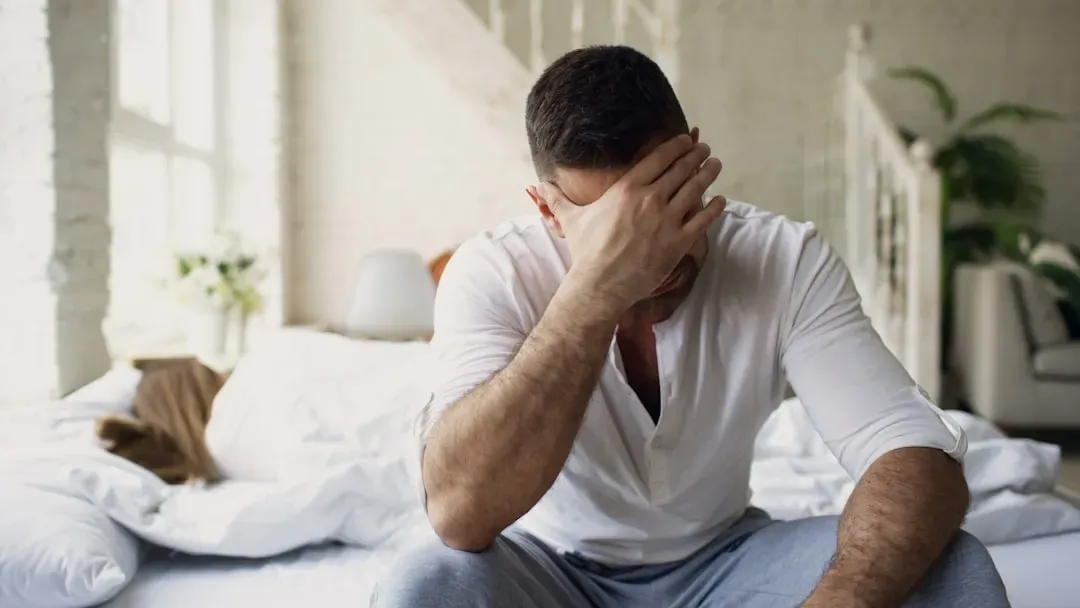
4. Socialization Trained Them to Suppress, Not Just to "Man Up" (Image Credits: Unsplash)
The Gender Socialization Theory posits that societal norms encourage women to express emotions more openly, particularly in interpersonal contexts, whereas men are socialized to exhibit emotional restraint. This conditioning begins early and runs deep, layering expectations over a boy’s natural emotional range before he even has the language to question them.
Society shapes boys into men who conform to traditional masculine gender roles by raising them under the influence of traditional masculine ideology. Research has shown that the greater one endorses traditional masculinity, the higher levels of alexithymia are observed, in addition to interpersonal difficulties. This directly confronts the popular stereotype that boys are simply hardwired to be less emotional, since developmental evidence suggests that socialization shapes gender-appropriate emotional behavior and may account for gender differences in emotional awareness and expressivity.
5. They Tend to Process Emotions Through Action, Not Words
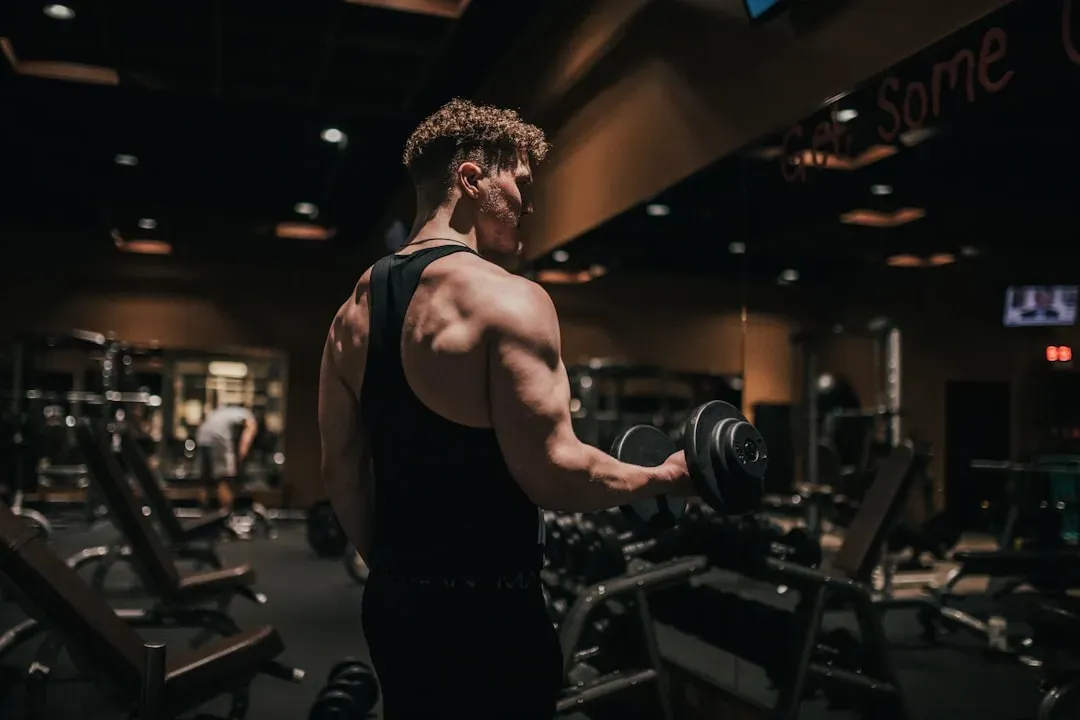
5. They Tend to Process Emotions Through Action, Not Words (Image Credits: Unsplash)
Ask a man how he’s feeling after a hard week and he might shrug and go fix something in the house, hit the gym, or lose himself in a long drive. This isn’t avoidance in the clinical sense. Research in the Journal of Personality and Social Psychology highlights that men tend to use problem-focused coping strategies more frequently, which can lead to quicker emotional recovery. Action is genuinely therapeutic for many men, not a distraction from emotion but a route through it.
According to the National Institute of Mental Health, cultural expectations around masculinity play a significant role in discouraging men from acknowledging emotional distress or asking for help. Instead of talking through emotions, many men internalize distress or channel it into work, distraction, or withdrawal. Understanding this pattern means recognizing that a man cleaning the garage at midnight might actually be working through something real.
6. Emotional Memory Works Differently for Them

6. Emotional Memory Works Differently for Them (Image Credits: Unsplash)
A large-scale study with nearly 3,400 test subjects demonstrated that women rated emotional image content, especially negative content, as more emotionally stimulating than their male counterparts did. In the case of neutral images, however, there were no gender-related differences in emotional appraisal. In a subsequent memory test, female participants could freely recall significantly more images than male participants.
This difference in emotional memory isn’t a sign that men care less about shared experiences. It’s known that women often consider emotional events to be more emotionally stimulating than men do, and earlier studies have shown that emotions influence memory – the more emotional a situation is, the more likely we are to remember it. This raises the question of whether women often outperform men in memory tests partly because of how they process emotions. Men may remember the facts of an event without carrying the same emotional charge around it.
7. The Amygdala Responds Differently Under Stress

7. The Amygdala Responds Differently Under Stress (Image Credits: Pexels)
Neuroimaging meta-analyses have found that women show greater amygdala activation for negative emotion, while men show greater amygdala activation for positive emotion. This distinction in how the brain’s emotional center responds to different kinds of stimuli helps explain why men and women can sit through the same difficult event and walk away with very different emotional reactions to it.
Neuroimaging studies suggest that males more efficiently regulate emotion than females by showing less prefrontal cortex activity – suggesting less effort – for similar amygdala activity, meaning similar regulation outcome. In plain terms, men’s brains may expend less visible effort reaching emotional equilibrium, which can make their internal experience look deceptively calm from the outside.
8. Vulnerability Carries a Different Kind of Risk for Them
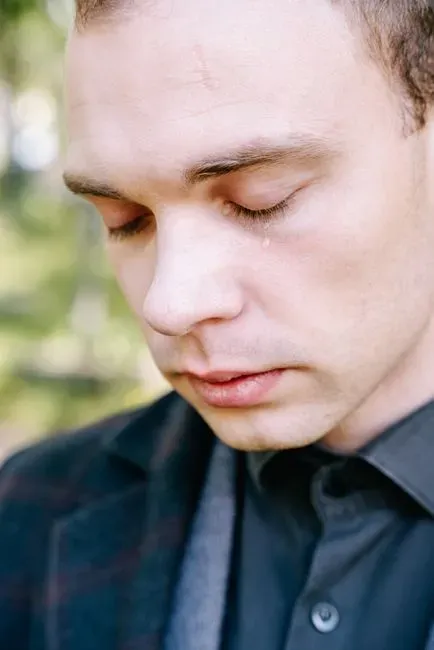
8. Vulnerability Carries a Different Kind of Risk for Them (Image Credits: Pexels)
Men’s reluctance to open up emotionally is not due to a lack of feeling – it’s a profound and complex struggle rooted in culture, fear, and a lifetime of societal conditioning. For many men, expressing vulnerability isn’t just uncomfortable. It can feel genuinely dangerous, connected to deep fears about respect, rejection, and identity.
The masculine socialization process has been hypothesized to encourage men to devalue and restrict much of their emotional experiencing. Research on 208 men found that men reporting greater gender role conflict also acknowledged greater levels of alexithymia and fear of intimacy, even after controlling for socially desirable responding. That fear of intimacy isn’t coldness. It’s often a protective response that formed long before the current relationship existed.
9. Bottling It Up Has Real Health Costs
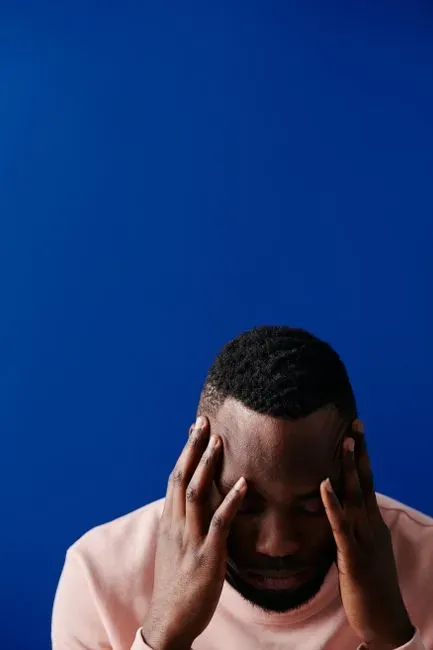
9. Bottling It Up Has Real Health Costs (Image Credits: Pexels)
Studies show that men who bottle up their emotions are more likely to experience stress, depression, and anxiety. This affects not only their personal well-being but creates a ripple effect throughout the relationship. The stoic exterior doesn’t protect men from emotional pain – it just delays and compounds it, sometimes turning inward in ways that become harder to address over time.
Research consistently shows that men are less likely than women to seek emotional support or mental health care, even while experiencing comparable levels of stress and anxiety. According to the National Institute of Mental Health, cultural expectations around masculinity play a significant role in discouraging men from acknowledging emotional distress or asking for help. The silence isn’t strength. It’s often a survival habit that outlives its usefulness.
10. They Often Need More Time Before They Can Talk

10. They Often Need More Time Before They Can Talk (Image Credits: Pexels)
Timing matters enormously in emotional conversations with men. Pressing for immediate emotional engagement after a conflict or stressful event often backfires, not because men don’t want to connect, but because they haven’t finished processing internally yet. Research indicates that normative male alexithymia operates on a continuum influenced by socialization processes, and mild forms may lead to mere suppression of feelings while more severe cases can result in repression or even dissociation from one’s emotions altogether.
Evidence suggests that the eventual transition from silence back to dialogue is critical: when withdrawal is followed by repair-oriented communication, it may facilitate reflection. Giving a man space to land emotionally before expecting a conversation isn’t giving up on the conversation. It’s often what makes the conversation possible in the first place.
11. They Want Emotional Connection – They Just Haven't Always Been Taught How
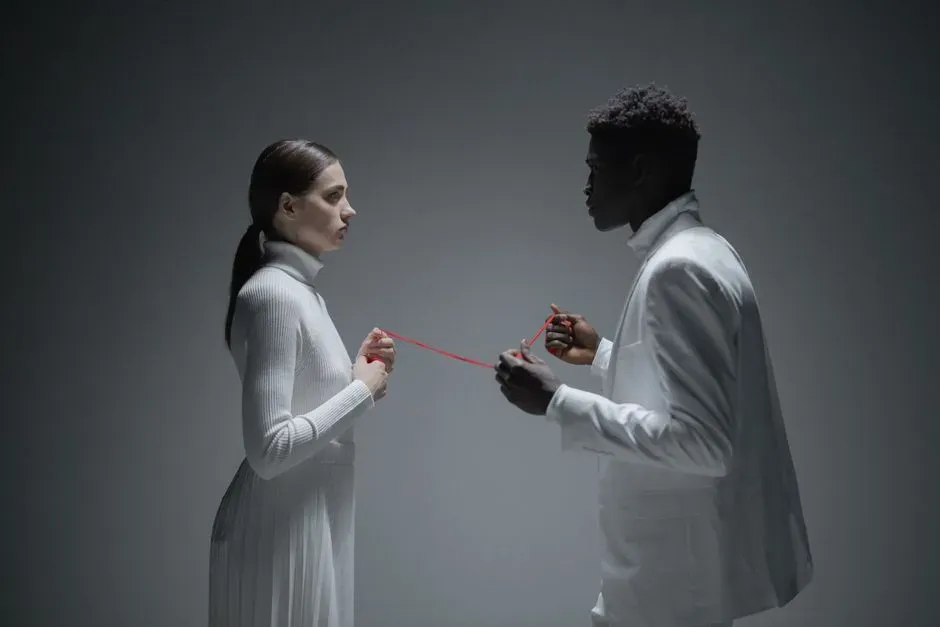
11. They Want Emotional Connection – They Just Haven't Always Been Taught How (Image Credits: Pexels)
Emotional intelligence isn’t about showing fewer emotions but about understanding and communicating them in a healthy way. By recognizing their own traits, men can develop greater emotional awareness and build stronger relationships through self-acceptance. The desire for closeness is there. What’s often missing is the roadmap, because emotional fluency was rarely modeled or taught.
Normative male alexithymia was coined by psychologist Ronald Levant to reflect the degree to which emotional unawareness in men is a learned, culturally produced outcome rather than an innate deficit. He wasn’t born unable to talk about feelings – he was trained that way. That’s important. What is learned can, with patience and the right environment, be unlearned or at least renegotiated. The capacity for emotional depth is there. It usually just needs a safer context to emerge.
Understanding how men process emotions differently isn’t about lowering expectations in relationships. It’s about replacing frustration with a more accurate picture of what’s actually happening beneath the surface. Biology, brain structure, and decades of cultural conditioning all shape how a man experiences and expresses his inner life. None of that makes emotional growth optional, but it does make it a more nuanced conversation. The difference between “he doesn’t care” and “he doesn’t yet know how to show it” is enormous, and it’s worth sitting with that distinction before drawing conclusions.