
Moving into a new neighborhood has a way of sharpening your senses. Everything feels a little louder, a little brighter, a little more worth paying attention to than it will a year from now. Longtime residents tend to stop registering the small stuff, the details that once stood out have quietly faded into background noise.
That gap between fresh eyes and settled routine is where some of the most telling observations happen. Below are eleven things that new arrivals almost always clock right away, even as their neighbors who’ve lived there for a decade barely give them a second thought.
1. The exact rhythm of trash and recycling day

1. The exact rhythm of trash and recycling day (Image Credits: Unsplash)
New residents learn the collection schedule fast, mostly because getting it wrong means a week of overflowing bins on the curb. They notice which side of the street gets picked up first, whether recycling runs biweekly or weekly, and how strict the neighbors are about sorting bottles from cardboard. It’s a small logistical detail, but it’s one of the first routines a household has to build from scratch.
Longtime residents, by contrast, have this memorized so deeply they barely think about it anymore. They set the bins out on autopilot, sometimes without even checking a calendar. For someone new, though, it’s an early test of how organized or informal a block actually is.
2. How loud the street really is at different hours
2. How loud the street really is at different hours (Image Credits: Pexels)
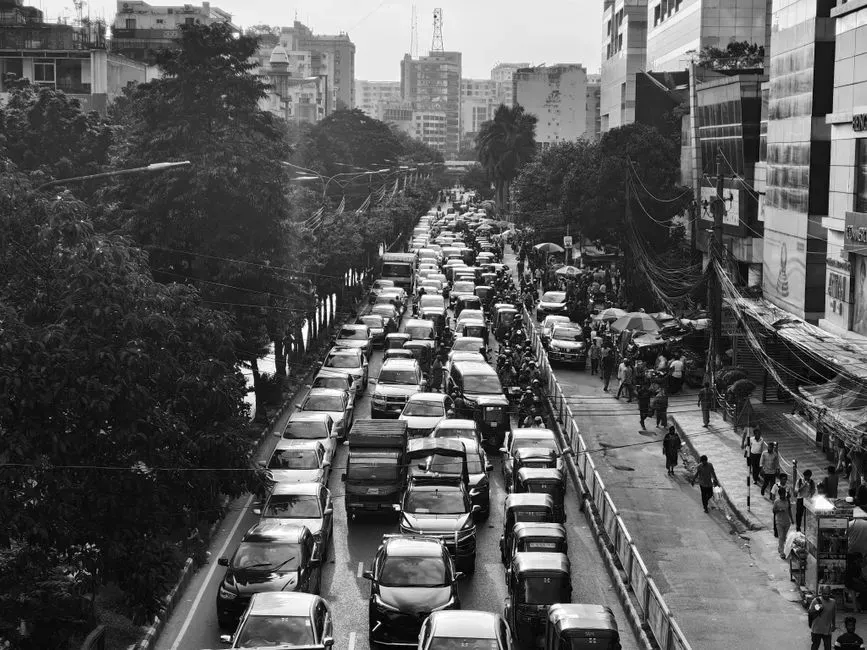
Nobody fully understands a street’s soundscape until they’ve slept there for a few nights. New neighbors pick up on delivery trucks rumbling through early mornings, a nearby highway hum that shifts with wind direction, or a neighbor’s dog that barks reliably around the same time each evening. These are things a quick daytime visit before moving in almost never reveals.
Residents who’ve been around for years have simply tuned it out, the way people stop hearing a ticking clock in their own home. For the newcomer, though, the noise pattern often becomes one of the first things they mention to friends or family when describing the new place.
3. Who actually maintains the shared spaces
3. Who actually maintains the shared spaces (Image Credits: Unsplash)
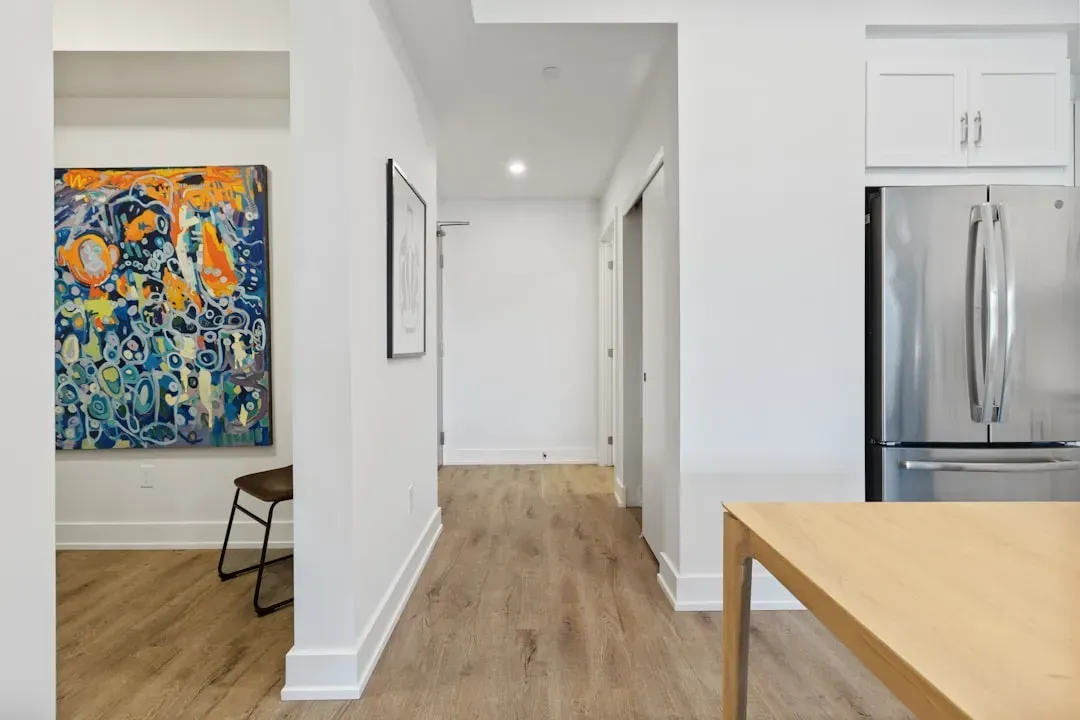
Shared driveways, communal gardens, hallway lighting in apartment buildings, someone is always doing the unglamorous work of keeping these areas functional. New residents notice this quickly because they’re suddenly wondering who to ask when a bulb burns out or a hedge needs trimming. They pay close attention to whether it’s a rotating informal duty among neighbors or something handled by a property manager or HOA.
Longtime residents often know the answer so well they forget it was ever a question. They’ve absorbed the unwritten system of who does what, and it no longer registers as information worth sharing. That silence can leave a new arrival guessing for weeks.
4. The parking situation nobody explains upfront
4. The parking situation nobody explains upfront (Image Credits: Unsplash)
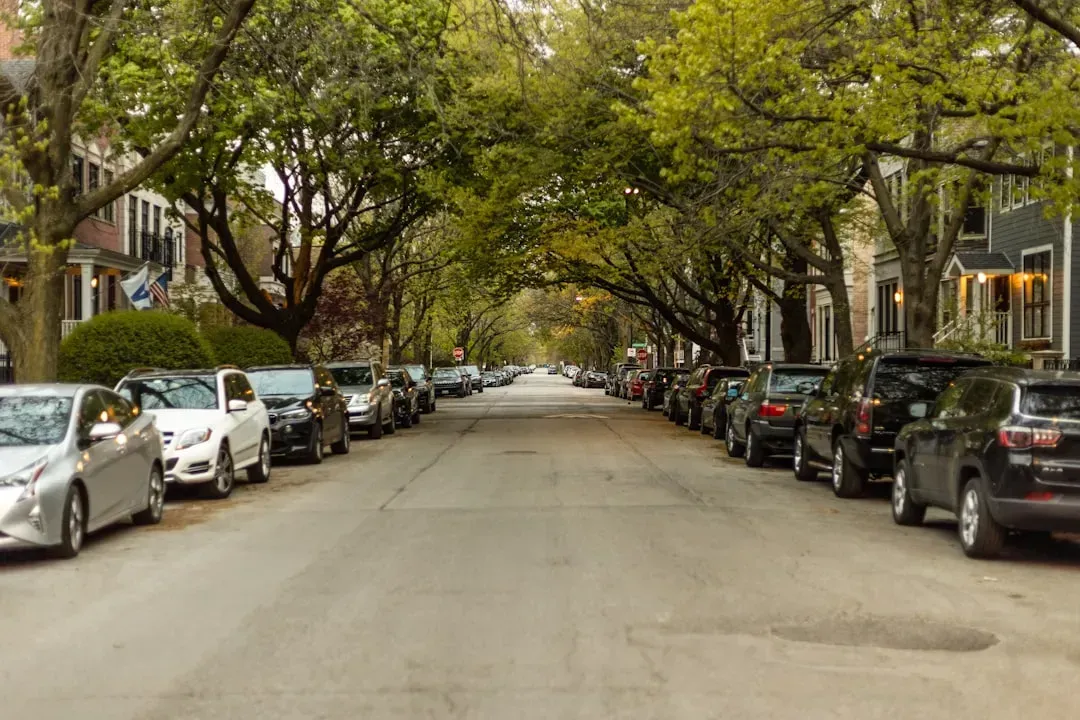
Street parking rules, informal spot claims, and permit requirements are rarely spelled out anywhere official, yet they matter immediately to someone with a car and no assigned space. New neighbors notice which spots are unofficially “taken” by unspoken agreement, and they learn fast if a street sweeper comes through on a specific morning each week. In cities with permit zones, this is often one of the first bureaucratic errands new residents have to sort out.
People who’ve lived on the block for years navigate this without thinking, the same way they navigate their own kitchen in the dark. They’ve forgotten there was ever a learning curve. For the new arrival, though, a poorly explained parking culture can be a genuine early source of friction.
5. Which neighbors are friendly versus simply polite
5. Which neighbors are friendly versus simply polite (Image Credits: Unsplash)
There’s a real difference between a wave hello and an actual invitation to stop by, and new residents pick up on that distinction almost instinctively. They notice who makes eye contact and lingers for small talk versus who offers a quick nod and keeps walking. This social mapping happens surprisingly fast, often within the first few weeks of moving in.
Longtime residents already know the social landscape so well that they no longer consciously categorize people this way. The dynamics were sorted out years ago and simply became part of the neighborhood’s unspoken fabric. A newcomer, meanwhile, is essentially reading the room for the first time.
6. How well the streetlights and sidewalks are actually maintained
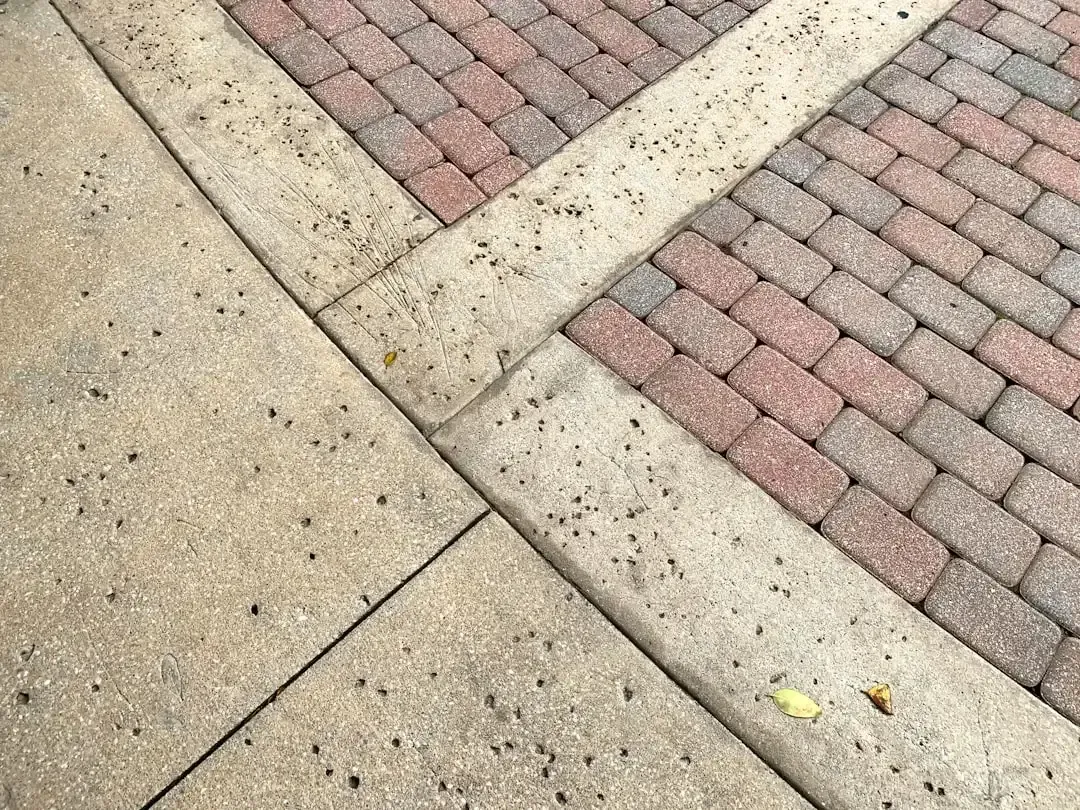
6. How well the streetlights and sidewalks are actually maintained (Image Credits: Unsplash)
Cracked pavement, a streetlight that’s been out for months, or a pothole that never seems to get filled, these are the kinds of infrastructure gaps new residents spot almost immediately because they’re walking the area with fresh attention. They often notice these issues before they’ve even unpacked all their boxes. It becomes an early data point about how responsive local government or property management tends to be.
People who’ve lived there for years have usually stopped seeing these flaws, having mentally rerouted around the broken sidewalk slab so many times it no longer registers as a problem. It’s simply part of the walk now. The new resident, on the other hand, is still forming their first impressions of how well the area is cared for.
7. The smell of the neighborhood

7. The smell of the neighborhood (Image Credits: Pixabay)
Every area has a scent profile, whether it’s a nearby bakery, a factory a few blocks over, or just the specific mix of vegetation and weather common to that climate. New residents notice this almost immediately because their nose hasn’t adjusted yet. It can range from pleasant, like fresh bread each morning, to less appealing, like a nearby industrial site or a stretch of road prone to standing water after rain.
Longtime residents have essentially stopped smelling it altogether, a well documented phenomenon called olfactory adaptation where the brain filters out constant background scents. What was once noticeable simply becomes invisible over time. For someone new, it’s often one of the very first sensory impressions of the place.
8. What time the neighborhood actually wakes up and quiets down
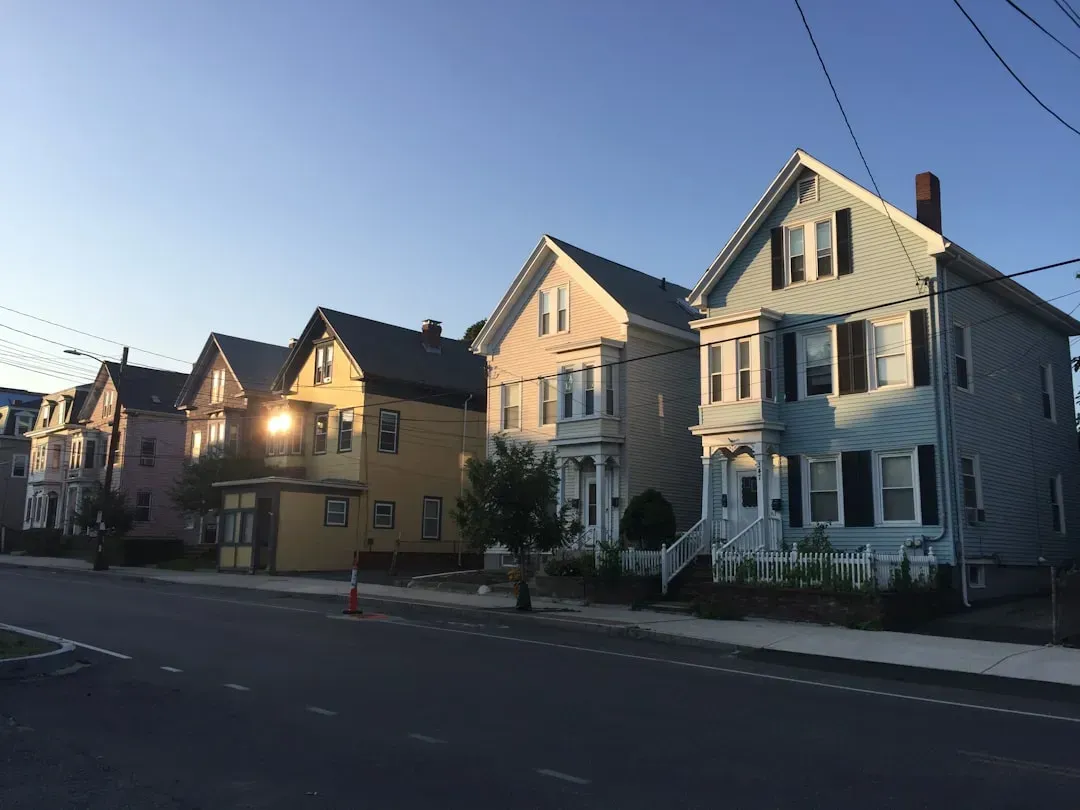
8. What time the neighborhood actually wakes up and quiets down (Image Credits: Unsplash)
Every block has its own daily rhythm, and new residents figure this out surprisingly quickly by paying attention to when lights turn on, when cars start pulling out of driveways, and when the street finally goes quiet at night. Some neighborhoods are early risers with joggers and dog walkers before sunrise, others stay dark and still until well into the morning. This pattern tells a new arrival a lot about the kind of community they’ve moved into.
Residents who’ve lived there for years follow this rhythm so automatically that they’ve stopped noticing it as a pattern at all. It’s just how their day naturally unfolds. The newcomer, meanwhile, is still actively observing and adjusting their own schedule to match.
9. How reliable the internet and cell signal actually are

9. How reliable the internet and cell signal actually are (Image Credits: Pexels)
New residents often discover connectivity quirks almost immediately, whether that’s a dead zone in one corner of the house, a provider that consistently underdelivers on promised speeds, or a cell signal that drops near a specific spot on the block. These details rarely come up in listings or tours, so they land as a surprise. It becomes an early, very practical concern, especially for anyone working remotely.
Longtime residents have typically already adapted, whether that means switching providers years ago or simply learning to avoid the one room where the signal is weak. They stopped thinking about it once they found a workaround. The new resident, though, is still in the process of discovering where those weak spots are.
10. The unwritten rules around lawns, decor, and curb appeal
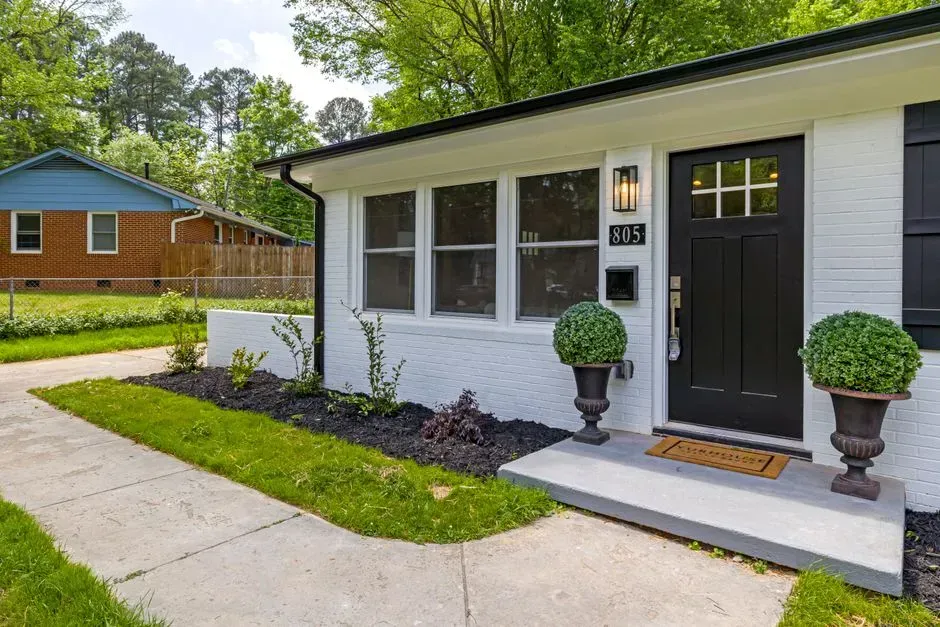
10. The unwritten rules around lawns, decor, and curb appeal (Image Credits: Pexels)
Some neighborhoods have a strong informal standard for how lawns should look, whether holiday decorations are expected or frowned upon, or how visible a garbage can should be from the street. New residents pick up on these unwritten expectations fast, often because a neighbor’s comment or a passing glance makes the standard clear. HOA-governed communities formalize a lot of this, but even informal blocks tend to have their own quiet consensus.
Longtime residents have long since internalized these norms, so much so that they don’t experience them as rules at all, just as how things are done. They may not even remember when or how they learned them. A newcomer, by comparison, is often the one figuring out through trial and error where the line actually sits.
11. Which local businesses are genuinely trusted by the community

11. Which local businesses are genuinely trusted by the community (Image Credits: Unsplash)
New residents quickly notice which shops, restaurants, or repair services have loyal regulars versus which ones seem to turn over staff or ownership frequently. They pay attention to which place has a line out the door on a Saturday morning and which storefront always seems half empty. This kind of observation helps a newcomer figure out where the neighborhood actually spends its money and trust.
Longtime residents already have their go-to spots decided, often based on years of habit rather than active comparison. They’re not weighing options anymore, they’re just returning to what already works for them. The new arrival, meanwhile, is still piecing together the neighborhood’s real favorites from scratch.
Taken together, these eleven observations show just how much fresh perspective reveals about a place that familiarity quietly erases. The details a new neighbor notices in the first few weeks often say more about a block’s real character than anything a longtime resident would think to mention.