
There’s a particular kind of awareness that settles in when you visit a parent after 70. You notice things. Small things. The fridge is organized differently, or they go to bed earlier than they ever used to, or they start talking about the past with a kind of tenderness that wasn’t there before. These shifts are rarely dramatic. They happen slowly, without announcement.
Most adult children observe these changes but say nothing. Sometimes out of respect, sometimes out of uncertainty about what to say, and sometimes because the changes feel too human, too close, to reduce to a conversation. Here are eleven of those quietly noticed things.
Going to Bed Much Earlier Than They Used To
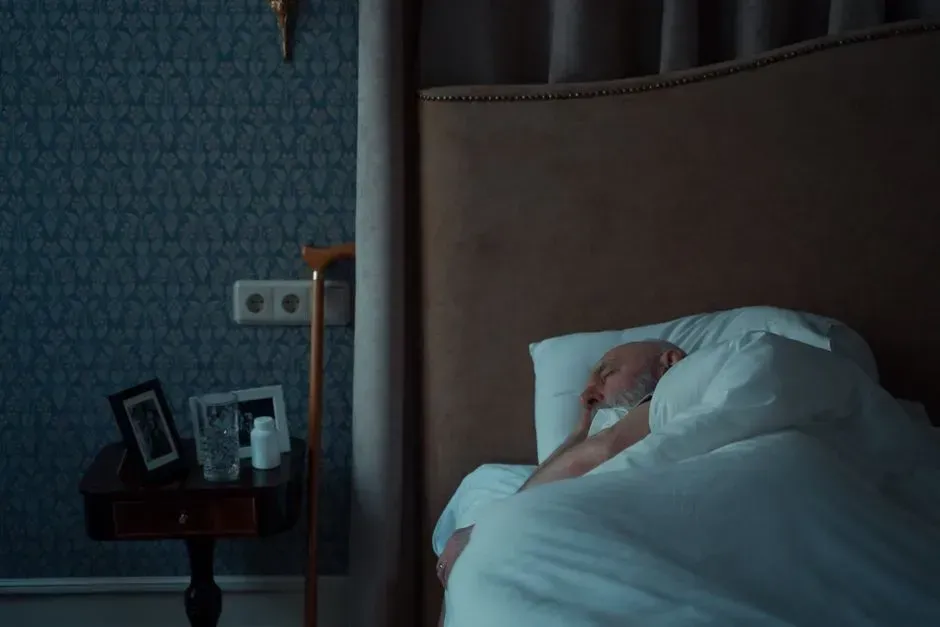
Going to Bed Much Earlier Than They Used To (Image Credits: Pexels)
When you’re older, you spend less time each night in deep sleep and more in lighter phases, and you might wake up more and have trouble going back to sleep. For many people over 70, this translates into heading to bed earlier simply to compensate. The ten o’clock news that once marked the end of the day gives way to eight-thirty, then sometimes earlier still.
Many older adults find themselves falling asleep and waking earlier, though they still need seven to eight hours a night. Children often notice this shift during visits, seeing a parent wind down long before the evening is over, without quite knowing whether it’s worth mentioning.
Eating Noticeably Less at Meals

Eating Noticeably Less at Meals (Image Credits: Pexels)
The sense of smell can begin to diminish after the age of 70, caused partly by a loss of mucous production and nerve endings in the nose, and this loss of smell can decrease enjoyment and interest in eating. Plates come back half-finished. Portions get smaller. A parent who once cooked elaborate meals may suddenly seem uninterested in food altogether.
Poor appetite is common in older age, with estimated prevalence figures ranging between roughly one in seven and nearly one in three in community-dwelling populations. A fading appetite in seniors is rarely about a single factor; it’s often a complex mix of changing tastes, underlying health issues, and the natural effects of aging. Children notice the smaller portions but rarely ask directly.
Becoming More Guarded About Their Health

Becoming More Guarded About Their Health (Image Credits: Unsplash)
Many parents work hard to avoid worrying their children, hiding health concerns, emotional struggles, or loneliness because they do not want to create stress for their family. Ironically, this desire to protect loved ones can significantly increase their isolation. A cough gets waved off. A fall goes unmentioned for weeks. A new medication quietly added to the list.
This guardedness comes from a place of love, not deception. Older adults who have spent decades as the caretakers in a family often find it genuinely difficult to reverse that dynamic. Depression in older adults does not always look like sadness; it may instead appear as a loss of interest in activities, fatigue, reduced motivation, social avoidance, and increased time spent alone. Children pick up on these signs but often hold back, unsure how to open the door without making a parent feel scrutinized.
Withdrawing from Social Plans They Once Loved

Withdrawing from Social Plans They Once Loved (Image Credits: Pexels)
Behavioral changes in older adults can range from increased withdrawal from social activities and routines, with older adults showing a reluctance to engage in previously enjoyed hobbies or activities, preferring solitude or isolation instead. The bridge club attendance drops off. Dinner invitations get declined more often. The explanation is always gentle and vague.
A person’s ability to connect with others and their surroundings is closely linked to their sensory perception, and deterioration in hearing or vision can cause embarrassment, leading to withdrawal from cherished hobbies or social activities. Nearly half of adults over 65 experience social isolation, making it a common and significant concern for older adults. The withdrawal is gradual enough that children often rationalize it before they confront it.
Gripping Routines with Unusual Tightness

Gripping Routines with Unusual Tightness (Image Credits: Pexels)
Lunch at exactly noon. The same walk at the same time each morning. Television programs watched in the same order every evening. After 70, routines stop being habits and start feeling like infrastructure. Disrupting one can set off a disproportionate reaction, which children often observe with quiet surprise.
For some, regression to familiar patterns acts as a coping mechanism for stress, and when faced with overwhelming changes, older adults might revert to simpler, more familiar behaviors to manage feelings of anxiety or loss of control. As one long-standing observation holds, old habits are hard to break, and many seniors resist changes to their routines. What looks like stubbornness from the outside is often a quiet strategy for staying grounded.
Talking About the Past More Often and More Vividly

Talking About the Past More Often and More Vividly (Image Credits: Pixabay)
Stories from forty or fifty years ago start surfacing with remarkable detail. A parent who rarely mentioned their own childhood suddenly wants to describe the street they grew up on, the smell of a grandmother’s kitchen, an old friend who moved away decades ago. The past becomes more present.
This reminiscing is a recognized and largely healthy part of aging. It helps people make sense of the arc of their lives, preserve identity, and feel connected to meaning. Traumatic experiences from earlier in life, such as loss, may resurface in later years, impacting emotional well-being and coping strategies. Children often listen without knowing quite how to respond, unsure whether to engage deeply or simply let the stories flow.
Becoming More Careful With Money in Small Ways

Becoming More Careful With Money in Small Ways (jenny downing, Flickr, <a href="https://creativecommons.org/licenses/by/2.0/" target="_blank" rel="noopener">CC BY 2.0</a>)
It is not uncommon, as people age, for them to begin pinching pennies because they’re worried about their financial future. This rarely shows up as a dramatic announcement. It’s the parent who stops ordering dessert, who starts cutting grocery coupons again after years away from the habit, or who quietly cancels a streaming subscription and never mentions it.
Financial anxiety in later life is tied to real concerns about longevity, medical costs, and outliving savings. These worries tend to operate quietly beneath the surface. Children notice the new frugality but often hesitate to bring it up, unsure whether it signals genuine financial trouble or simply a shift in priorities that deserves to be respected.
Napping Much More During the Day

Napping Much More During the Day (Image Credits: Pexels)
Retired older adults have more flexible sleep schedules, have more opportunity to nap during the day, are more sedentary, and are less involved in social activity than before, and older adults may nap more frequently due to both biological changes and lifestyle changes that accompany aging. The afternoon nap that was once a rare indulgence becomes a daily fixture, sometimes extending for hours.
Poor sleep quality in older adults can be related to the lifestyle changes that often come with aging. Retirement may lead to a less structured sleep-wake schedule, and other significant life changes, such as loss of independence and social isolation, can increase stress and anxiety, which can also contribute to sleep issues. Children visiting in the afternoon sometimes find a parent asleep in the chair, and most simply cover them with a blanket and wait.
Letting Household Tasks Slide Without Saying Why

Letting Household Tasks Slide Without Saying Why (Image Credits: Unsplash)
The garden that was once meticulously tended starts looking a bit overgrown. A corner of the house accumulates mail that would once have been sorted immediately. Windows go unwashed, shelves go undusted. It’s not laziness. It’s fatigue, or pain, or both, often going unspoken.
Living with daily discomfort caused by arthritis or other chronic illnesses naturally affects emotional well-being, making it harder for seniors to keep their spirits high, and a previously cheerful parent might seem unusually subdued when their symptoms affect their daily functioning more than they let on. Children notice the slide but struggle with how to offer help without implying a parent can no longer manage independently.
Showing Less Patience With Noise and Stimulation

Showing Less Patience With Noise and Stimulation (Image Credits: Pexels)
Family gatherings that once energized a parent now seem to wear them down. Loud conversations, overlapping voices, televisions in multiple rooms. What was once a lively household feels overwhelming. A parent slips away early, or sits at the edge of the room, which is different from the person who used to be at the center of it.
Seniors with certain cognitive changes can become overstimulated by noise, conversation, crowds, and activity, and if they seem agitated or disoriented in places they know well, it could be a sign of a more serious issue. Many seniors also rely on multiple medications to manage their health, and some prescriptions can trigger irritability, lethargy, or heightened sensitivity as side effects. Children pick up on the withdrawal but tend to give it space rather than name it.
Becoming Genuinely More Sentimental About Objects and People

Becoming Genuinely More Sentimental About Objects and People (Image Credits: Pexels)
A parent who once brushed off sentiment suddenly holds onto certain objects with unexpected feeling. An old photograph, a worn piece of jewelry, a coffee mug that belonged to someone long gone. They might start giving things away too, pressing a meaningful item into a child’s hands during an ordinary visit with no particular explanation.
Aging often comes with emotional challenges that can shift a person’s behavior, and seniors may experience grief after losing a spouse, close friends, or even a beloved pet. As parents get older, it can be both confusing and moving to witness them undergo these shifts, and personalities evolve naturally throughout a person’s life but the changes can seem more pronounced in later years. Children receive these gestures and sometimes only later understand what was quietly being said.
Most of these eleven things exist in a space that families instinctively treat with care. Noticing is one thing. Knowing what to do with the noticing is something else entirely. The silence children keep around these observations isn’t always avoidance. Sometimes it’s a form of tenderness, a way of honoring a parent’s dignity while staying close enough to catch whatever comes next.