
There’s a particular quality some people carry that’s hard to name but easy to recognize. It has nothing to do with wealth, designer clothes, or the right address. Being raised with class isn’t about being wealthy or belonging to high society. It’s about the values instilled in you – respect, consideration, humility, and grace. These aren’t things they remind themselves to do in the morning. They simply became who they are.
The people who seem effortlessly good at social situations aren’t working from a different rulebook. They’ve just internalized the underlying principle deeply enough that the rules feel natural rather than imposed. What follows are eleven of those deeply ingrained habits – the ones that quietly separate people with real class from everyone else in the room.
1. They Treat Everyone in the Room the Same
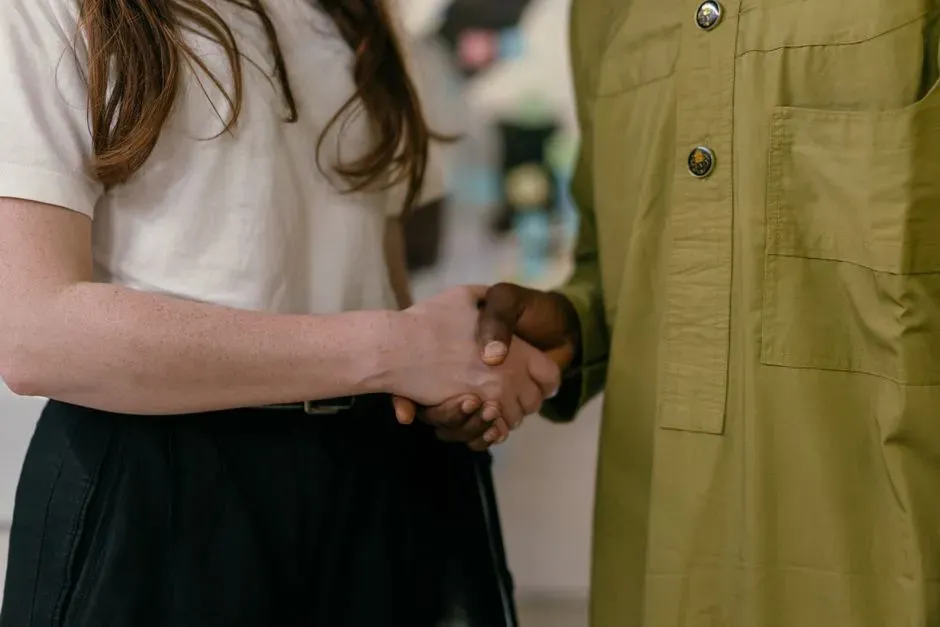
1. They Treat Everyone in the Room the Same (Image Credits: Pexels)
A person raised with class doesn’t only acknowledge the CEO at the table or the host of the dinner party. They greet the receptionist, the waiter, the cleaner – anyone they encounter – with equal warmth and sincerity. This isn’t a performance of humility. It’s a genuine reflection of how they see people.
Greeting others is more than a polite formality; it communicates respect. A classy person understands that status doesn’t determine worth. They’ll make eye contact, smile genuinely, and often use someone’s name if they know it. That small habit alone can make a room feel warmer.
2. They Keep Their Composure When Things Go Wrong

2. They Keep Their Composure When Things Go Wrong (Image Credits: Pexels)
Upper-class parents emphasize emotional restraint very early on. Not emotional suppression, but emotional discipline. You’ll almost never see them yelling at someone in public, making a spectacle, or losing control over small inconveniences. Even when something goes wrong, they correct it with composure, not chaos.
They say “please” and “thank you,” they maintain eye contact, and they acknowledge effort. If something goes wrong, they address it politely instead of snapping or belittling. In a world that rewards loudness, this kind of restraint is genuinely rare and genuinely powerful.
3. They Never Need to Raise Their Voice

3. They Never Need to Raise Their Voice (Image Credits: Pexels)
Truly upper-class people rarely raise their voices. They speak in a calm, even tone that signals confidence without needing to dominate anyone. The voice stays level whether they’re placing an order, handling a disagreement, or running a meeting. That evenness itself becomes a form of authority.
For those raised with privilege, confidence appears as a calm, steady presence that never needs to shout or prove itself. They stand tall without stiffness, make eye contact without staring someone down, and speak their mind without steamrolling others in conversation. It’s the kind of self-assurance that doesn’t need an audience.
4. Their Table Manners Are Automatic, Not Performative
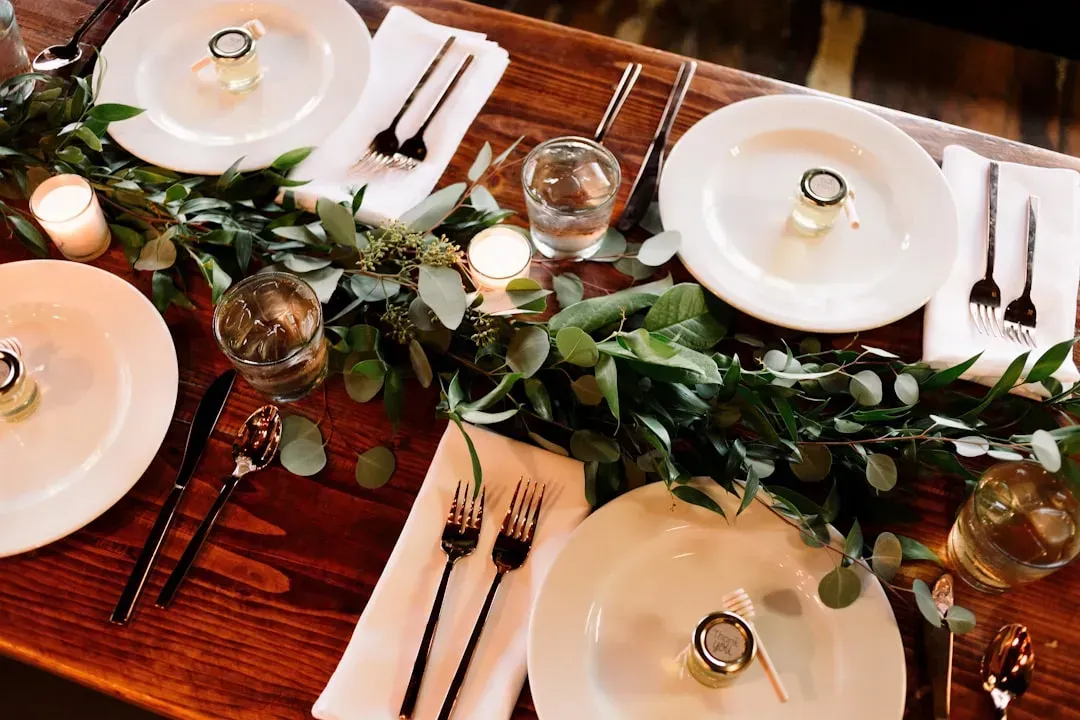
4. Their Table Manners Are Automatic, Not Performative (Image Credits: Unsplash)
People raised with class instinctively place the napkin on their lap without needing to be told. They use it gently throughout the meal, dabbing – not wiping – their mouth. They never tuck it into their collar, wave it around, or leave it untouched on the table. When they leave the table mid-meal, they place it neatly on their chair, not their plate.
Whether at a restaurant or at home, the way you eat says a lot about you. Using utensils correctly, chewing quietly, and waiting your turn to speak all signal refinement. Even casual meals feel elevated when shared with good manners. For people raised with real class, none of this requires thought.
5. They Give Their Full Attention When Someone Is Speaking

5. They Give Their Full Attention When Someone Is Speaking (Image Credits: Unsplash)
Few things look less refined than scrolling while someone is talking. Giving your full attention shows respect and presence. People raised with class do this automatically, without needing to be reminded to put their phone down. The person in front of them simply takes priority.
Remember to listen to what other people are saying, rather than reloading your conversation internally. That’s the detail most people miss. Real listening isn’t just staying quiet until it’s your turn to speak. It means actually tracking what the other person is saying and responding to it honestly.
6. They Carry Themselves With Physical Ease

6. They Carry Themselves With Physical Ease (Image Credits: Unsplash)
Fidgeting, slouching, and wild hand gestures are noticeably absent from their physical vocabulary. Every movement carries a certain economy – nothing excessive, nothing rushed. They sit comfortably without collapsing into furniture, and their hands rest naturally rather than drumming nervously on tables.
Their movements are fluid and deliberate, devoid of fidgeting or nervous habits. They navigate social situations with a quiet ease, their gestures measured and their expressions serene, conveying an air of composure that commands respect. This isn’t stiffness. It’s the opposite – a settled comfort in their own body.
7. They Speak With Precision Without Being Pretentious

7. They Speak With Precision Without Being Pretentious (Image Credits: Unsplash)
Etiquette experts can’t stress enough the undeniable power of articulate conversation. With infinite words in our vocabulary, choosing ones that articulate our thoughts and intentions can make the difference between coming across as refined or otherwise. People with real class do this naturally because they were raised around careful, considered speech.
Even when discussing everyday topics, their speech patterns reveal years of practice expressing complex ideas clearly. They pause to think rather than filling silence with meaningless sounds. This measured approach to communication signals both education and self-awareness. Thoughtful silence, for them, is never awkward.
8. They Express Gratitude Genuinely and Often

8. They Express Gratitude Genuinely and Often (Image Credits: Unsplash)
Showing genuine gratitude is timeless etiquette that never goes out of style. Showing appreciation through genuine gestures, thank-you notes, and small acts of kindness is something people with class do without calculating the return. They were raised in environments where acknowledgment was a habit, not a strategy.
Politeness is the key to good etiquette. Remembering to say “please” or “thank you” shows gratitude and respect in any situation. These simple words can transform the way people feel. It’s a small detail, but it leaves a big impression. For someone raised with real class, those words are as automatic as breathing.
9. They Include the People on the Edges of a Group

9. They Include the People on the Edges of a Group (Image Credits: Pexels)
The ones raised right pay attention to the overlooked people in a group and include them in the conversation too, instead of treating them like a background character. This habit often goes completely unnoticed by everyone except the person being included – which is precisely what makes it so meaningful.
The notion of true etiquette is that you have a natural respect for those around you; you acknowledge, factor in and accommodate the needs of others as you flow through moments in life. It doesn’t mean you are a victim by putting everyone else first, but it does mean that you respect all people. Even if it doesn’t benefit you one bit to do so.
10. They Never Embarrass Others Over Social Slip-Ups

10. They Never Embarrass Others Over Social Slip-Ups (Image Credits: Unsplash)
If someone forgets their napkin or eschews the order of cutlery, they do not draw attention to it at the expense of their reputation. Good manners are intended to make other people feel comfortable. Pointing out someone else’s mistake at a dinner table isn’t sophisticated. Quietly letting it pass is.
Etiquette is a code of behavior or a set of conventional requirements that influence expectations for behavior in a particular social class, group, or community. Etiquette implies a sense of decorum or propriety and observance of polite behavior in a society. The rules of etiquette were never really formally recorded but rather were passed along from generation to generation. Those who absorbed them youngest carry them most lightly.
11. They Let Their Reputation Speak for Itself
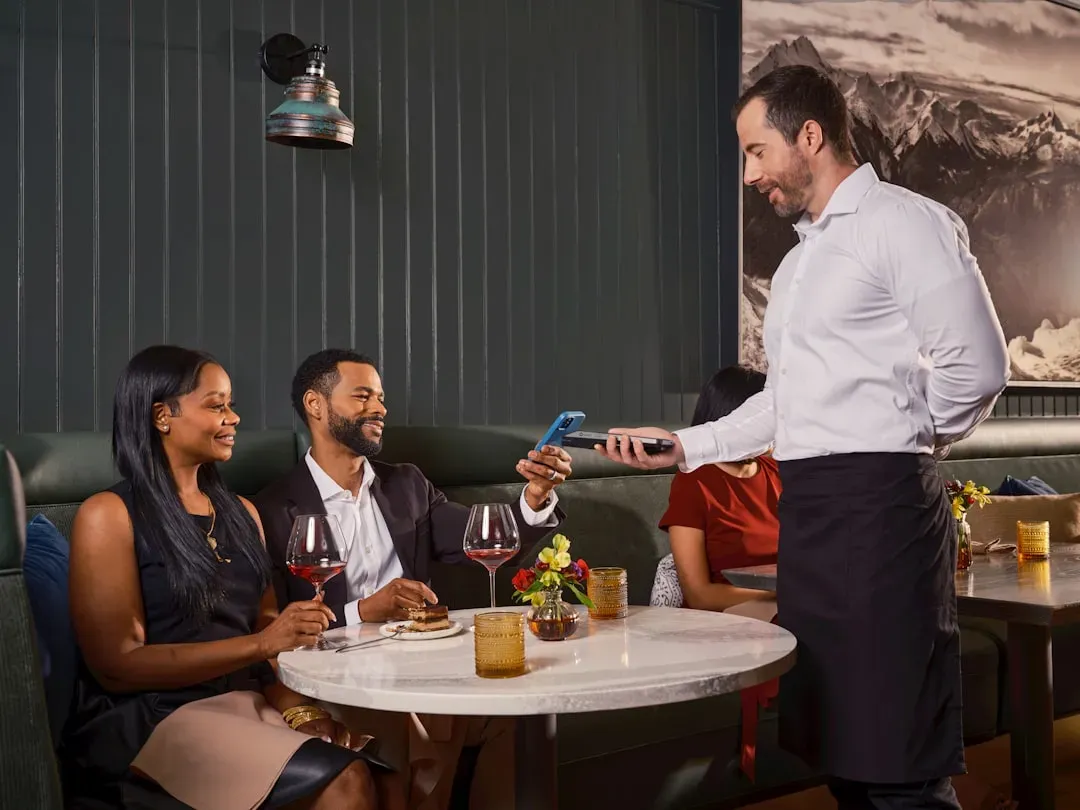
11. They Let Their Reputation Speak for Itself (Image Credits: Unsplash)
There was a saying among restaurant staff in high-end dining: the real money is quiet. The guests who truly came from wealth were unfailingly polite because they believed their behavior reflected their upbringing. Meanwhile, the loudest, most dramatic guests were usually the ones trying to project status instead of naturally having it.
The truly classy presence is not about flaunting wealth and adopting haughty behaviors. Instead, it has much to do with character traits and habits, many of which are universally admired and respected. People raised with genuine class rarely talk about themselves at length, rarely name-drop, and rarely need to convince anyone of anything. The way they move through the world does the talking for them.
What ties all eleven of these habits together is something simple: consideration. Not the performative kind, but the deeply practiced, barely conscious kind that becomes inseparable from how a person exists in the world. The commonly accepted behaviors that shape how society functions aren’t restrictions on authenticity. They’re the shared language through which people signal care, respect, and good faith. People raised with real class learned that language early – and never had to think about it again.