
There’s a version of wealth that gets a lot of airtime: the sports cars, the designer bags, the sprawling vacation homes. Then there’s the version that actually builds lasting financial security, and it looks nothing like that. For a lot of people who’ve accumulated genuine, lasting wealth, the turning point came not from earning more but from quietly deciding to stop buying certain things once they hit their 40s.
The wealth paradox runs deep: those with the most money often spend it differently than those aspiring to wealth. While social media showcases extravagant lifestyles, many wealthy individuals maintain surprisingly frugal habits that help them build and maintain their fortunes behind closed doors. The shift typically becomes clearest around the 40s, when the stakes feel real and the runway to retirement no longer feels infinite. Here’s what they stopped buying, and why it mattered.
1. Brand-New Luxury Cars
1. Brand-New Luxury Cars (Image Credits: Unsplash)
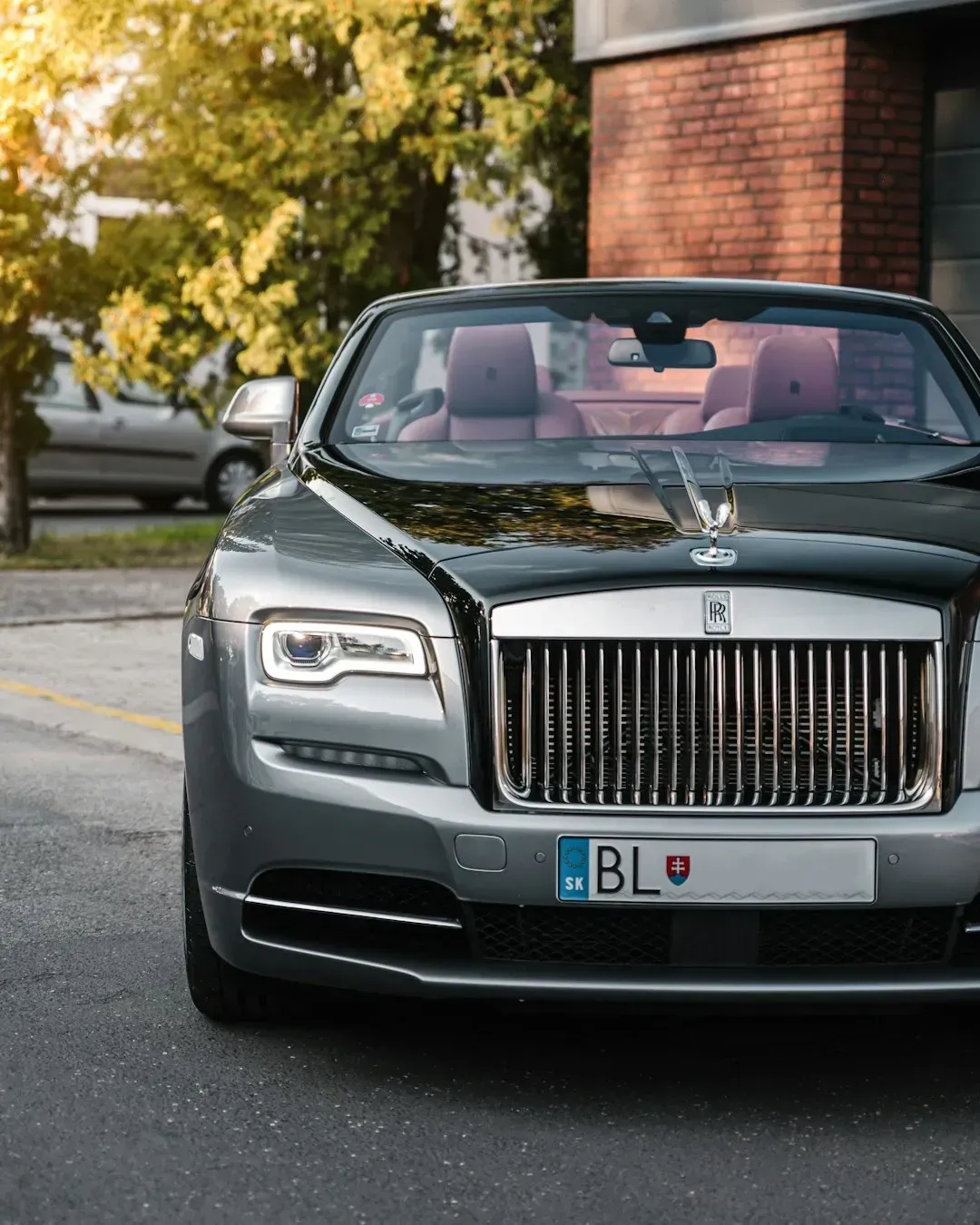
Among the most frequently cited expenditures that millionaires consciously avoid are new and luxury vehicles. Millionaires know that vehicles are depreciating assets that lose value significantly as soon as you drive them off the lot. The mathematics of car ownership rarely favors the buyer of a fresh-off-the-lot luxury model, and people who understand compounding know exactly where that lost value could have gone instead.
A study of 10,000 U.S. millionaires found that most of them avoided driving expensive luxury brands. Instead, nearly one third of all millionaires drove Toyotas and Hondas. Millionaires tend to drive reliable, used cars that last and maintain their value, often holding on to them for years instead of frequently trading them in for upgrades.
2. Impulsive, Unplanned Purchases

2. Impulsive, Unplanned Purchases (Image Credits: Unsplash)
Impulse buying is the enemy of wealth building, and the rich know this. Many wealthy people follow what financial advisors call the “24-Hour Rule,” waiting at least one full day before making any significant purchase. This buffer period allows emotions to settle and rational thinking to prevail. It sounds almost too simple, but the habit has a compounding effect of its own.
The average American consumer may spend up to $5,400 per year on impulse purchases, or about $450 per month, according to a study in the International Journal of Consumer Studies. Multiply that across a decade and it’s not just money lost. It’s also the investment returns that money never generated. By implementing a simple waiting period, wealthy individuals avoid buyer’s remorse and accumulate fewer unnecessary possessions.
3. Fast Fashion and Trend-Driven Clothing

3. Fast Fashion and Trend-Driven Clothing (Image Credits: Unsplash)
Millionaires who understand long-term wealth don’t waste cash swapping out their wardrobe just because some designer says certain styles are out of date. They stick to classic, well-made clothing that lasts. A quality blazer, a simple dress, or a solid pair of shoes never goes out of style. The capsule wardrobe approach isn’t just an aesthetic preference. It’s a financial one.
The logo-heavy wardrobe is a billboard you pay to wear. Billboards serve the advertiser. Wealthy buyers lean toward “stealth wealth”: quietly made clothes whose value hides in stitching and fabric rather than a large emblem. In a world of fast fashion, TikTok trends and next-day delivery, the high net worth individuals Fortune spoke to said they try to keep their discretionary spending as minimal as possible, preferring the impact it has on their finances.
4. Unused or Redundant Subscriptions

4. Unused or Redundant Subscriptions (Image Credits: Unsplash)
According to a Bango survey, the average person spends more than $1,000 annually on streaming services that they often don’t even use. That figure doesn’t even account for software subscriptions, gym memberships with autopay, and digital tools that get opened once and forgotten. Wealthy people in their 40s tend to audit these costs ruthlessly and cut everything that doesn’t deliver clear, consistent value.
Millionaires don’t just earn wealth, they protect and grow it through smart spending and investing habits. They avoid unnecessary expenses like overpriced extended warranties, trendy gadgets, and small daily purchases that quietly add up. At the same time, they focus on areas that deliver lasting value, such as health, education, experiences, professional guidance, and quality assets.
5. Oversized, Trophy Homes

5. Oversized, Trophy Homes (Image Credits: Unsplash)
Wealthy people play a different game when it comes to real estate: they buy a home that fits their actual usage and put the rest into flexible, compounding investment vehicles. They also factor in carrying costs including insurance, maintenance, and commuting time as part of the real price. The sticker price of a home is rarely the full story, and people who’ve built real wealth understand that the gap between what a house costs to buy and what it costs to own can be enormous.
A recent survey by Ramsey Solutions found that 94% of millionaires still live in middle-class or modest neighborhoods, and nearly two thirds drive vehicles that are at least two years old. Warren Buffett, one of the wealthiest people in the world, still lives in the same modest home he purchased in 1958 for $31,500. The pattern is consistent and hard to ignore.
6. Extended Warranties and Retailer Protection Plans

6. Extended Warranties and Retailer Protection Plans (trenttsd, Flickr, <a href="https://creativecommons.org/licenses/by/2.0/" target="_blank" rel="noopener">CC BY 2.0</a>)
The checkout screen pops up: “Protect your purchase for only $49.99!” Here’s the unglamorous truth from years of reading product loss data: most extended warranties are profit centers for retailers. Wealthy people in their 40s have typically learned this lesson at least once and don’t pay for it twice. They’ve also come to understand that self-insuring, by simply setting aside money, is almost always the better mathematical choice.
While many people fall into common financial pitfalls, millionaires tend to sidestep these traps through disciplined spending and strategic decision-making. By recognizing and avoiding common money traps, you can adopt habits that align with long-term financial success. Extended warranties are a textbook example of a purchase that feels responsible but quietly transfers wealth from buyer to retailer.
7. The Latest Tech Gadgets on Release Day

7. The Latest Tech Gadgets on Release Day (Image Credits: Unsplash)
Gadgets are tools, not trophies. Upgrading every cycle is a ritual that benefits marketing departments more than users. Wealthy operators buy for reliability, security, and workflow fit, then run devices to end-of-life. That’s not frugality; it’s total cost of ownership logic over time. Skipping one upgrade cycle on a smartphone, for instance, can free up several hundred dollars that quietly disappears from most people’s budgets year after year.
Delaying a tech upgrade by one cycle, unless a security or workflow gap is actually costing money, is a concrete way to redirect funds. The saved cash can go into an emergency buffer or investment account instead. Wealthy people often become more frugal as their net worth increases, not less. Gadget restraint is one of the clearer signs of that shift.
8. Keeping Up With Status-Symbol Spending

8. Keeping Up With Status-Symbol Spending (Image Credits: Pixabay)
As income grows, it’s easy to let spending follow suit, upgrading homes, cars, and habits until you’re saving noticeably less. This slow drift toward a more expensive lifestyle, even without realizing it, is known as lifestyle creep. Millionaires resist this by aligning spending with their long-term goals instead of letting purchases become comfort-driven defaults.
The wealthy play a different game. Their core asset isn’t a handbag or a car; it’s optionality: the ability to say no, to walk away, to choose time over theater. When you’re optimizing for options, conspicuous consumption looks like a tax on insecurity. Giving up the status-symbol treadmill in your 40s is less a sacrifice than a trade for something far more valuable: financial freedom.
9. Convenience Food Spending and Daily Delivery Habits

9. Convenience Food Spending and Daily Delivery Habits (Image Credits: Pexels)
Many wealthy people skip daily convenience spending that adds up fast. Food delivery apps, expensive coffee runs, and impulse buys at checkout are seen as money traps that drain wealth without adding real value. By focusing on smarter, high-impact spending rather than habitual small purchases, millionaires make their money work harder for them over time.
While their peers might enjoy eating out a couple of times a week, many wealth-focused individuals choose to cook for themselves, even buying frozen groceries because they’re cheaper than fresh. A five-dollar coffee doesn’t sound like much, until you add it up. That’s $1,800 a year, gone. Smart millionaires don’t waste money on a daily latte habit when brewing at home costs a fraction of the price.
10. Luxury Brand Logos as Social Proof

10. Luxury Brand Logos as Social Proof (Image Credits: Pexels)
The upper class has given luxury brands the cold shoulder in recent years. High-fashion products are getting more expensive, but that cost increase hasn’t correlated with a rise in innovation or quality. People who’ve built genuine wealth in their 40s tend to lose interest in paying a premium for a logo, particularly when they’ve realized the logo is doing work for the brand, not for them.
The rich don’t need to outsource self-worth to a designer clasp. They also know most luxury items are positional goods, meaning their value is social, not intrinsic, and they depreciate anyway. Wealthy individuals often prioritize value over luxury brand names. The rich understand that value isn’t found in logos or prestige, but in the quality, utility, and longevity of what they purchase.
11. Spending Without a Purposeful Financial Plan

11. Spending Without a Purposeful Financial Plan (Image Credits: Pexels)
The top financial goal for high-net-worth individuals is achieving financial independence, where passive income is sufficient to support their lifestyle. Reaching this goal typically requires significant wealth accumulation, and most members at higher net worth levels earn more in annual passive income than they spend. Getting there requires not just earning, but directing every dollar intentionally. Spending without a plan is, in effect, spending against yourself.
According to the 2024 Long Angle High-Net-Worth Spending Study, approximately two thirds of high-net-worth individuals’ income is saved rather than spent. That kind of savings rate doesn’t happen by accident. A consistent pattern among wealthy individuals is their spending hierarchy: they aggressively allocate money toward things that appreciate or generate income, while being surprisingly tight-fisted about everything else. Letting go of purposeless spending in your 40s isn’t about austerity. It’s about finally deciding that your money works for your future rather than for a curated image of your present.
The real shift that happens for wealthy people in their 40s isn’t dramatic. It rarely involves a single revelation. It’s usually a quiet accumulation of smaller decisions, each one trading short-term comfort for long-term leverage. What they gave up, it turns out, was mostly things that were never really serving them in the first place.