
There’s a certain quiet shift that tends to happen somewhere after 60. The frantic mental chatter of earlier decades – the constant measuring, second-guessing, and comparing – begins to fade. Many women describe it not as giving up, but as finally putting down a very heavy bag they’d been carrying for years without realizing just how much it weighed.
The interesting thing is that so many of these worries turned out to be optional. Looking back, women across a wide range of backgrounds point to many of the same concerns as the ones that consumed the most energy and delivered the least return. These are eleven of the most commonly cited ones.
1. What Their Body Looks Like

1. What Their Body Looks Like (Image Credits: Pexels)
Body image anxiety is remarkably common across every decade of a woman's life. Several studies report that roughly 40 to 80 percent of midlife and older women struggle with body image concerns at some point. That's a staggering portion of the female population carrying quiet distress about their own reflection for most of their adult lives.
Women over 60 report lower levels of self-objectification than younger women in their 20s and 30s, and studies show that older women compare themselves less and less to cultural ideals. Many women say they simply wish they'd arrived at that ease sooner, rather than spending their younger years at war with a body that was, in hindsight, completely fine.
2. What Other People Think of Them
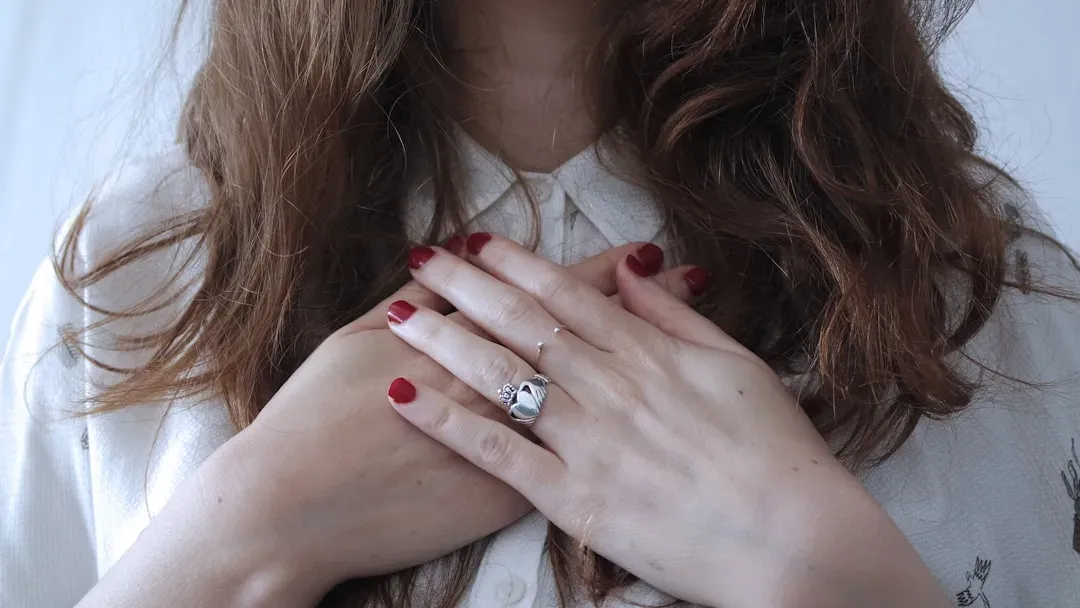
2. What Other People Think of Them (Image Credits: Unsplash)
People who genuinely don't care what others think aren't cold or detached – they've simply reached a level of self-knowledge that makes external validation feel like background noise. Women over 60 frequently describe this shift as one of the most liberating changes of later life, though many wish it had arrived at 35 instead of 65.
The approval of others is something many women chased exhaustingly through their careers, their social circles, and even their families. Looking back, a huge amount of decision-making energy went into managing impressions rather than building a life that genuinely fit. That energy, most agree, could have been so much better spent.
3. Their Appearance on Any Given Day
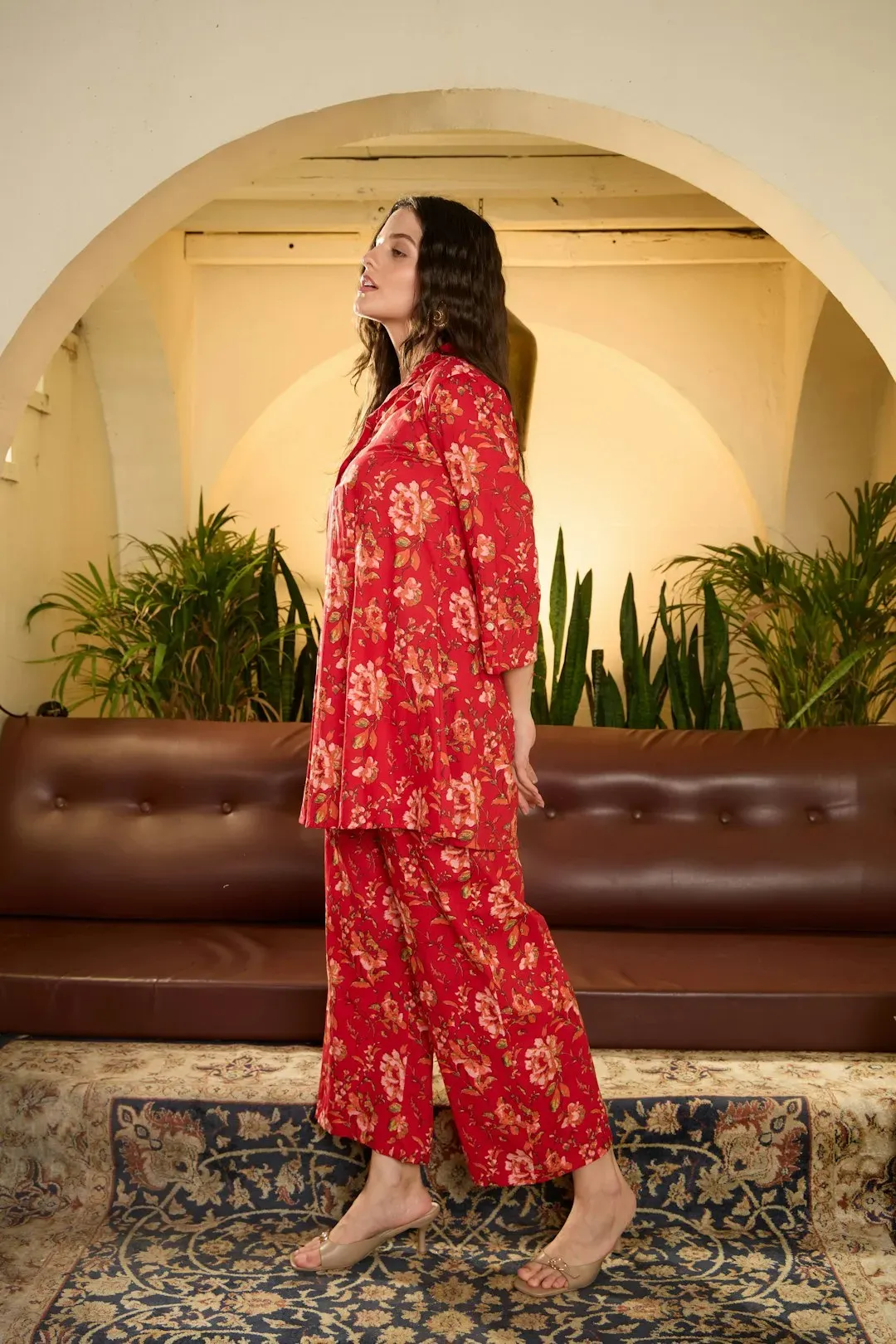
3. Their Appearance on Any Given Day (Image Credits: Unsplash)
Psychologists call the act of dressing for one's own comfort "authentic self-expression," and studies show it actually makes people more attractive to others. When you stop apologizing for your gray hair, your comfortable shoes, or your decision to skip the makeup, you emit a kind of confidence that draws people in.
Women who've passed 60 describe how much mental space getting dressed used to occupy. The outfit calculations, the concern about looking too casual or too formal, the endless second-guessing. Most now reach for what feels right without a second thought, and they overwhelmingly wish they'd done it decades sooner.
4. Whether They Were Aging Too Quickly
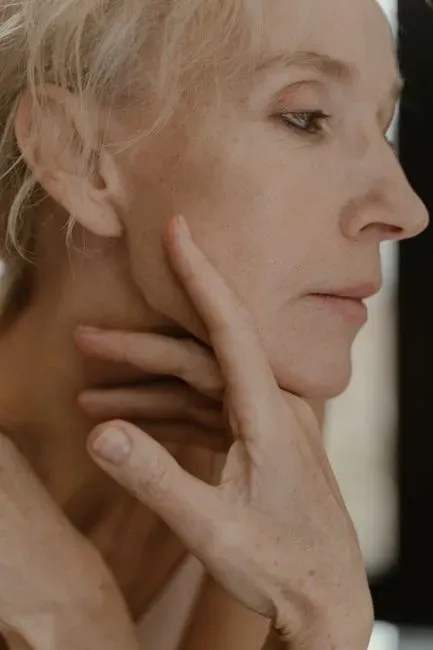
4. Whether They Were Aging Too Quickly (Image Credits: Pexels)
Ironically, worrying about aging may actually make the biological process move faster. Having greater anxiety about growing old was associated with accelerated epigenetic aging, as measured by established biological clocks, and these biological changes could potentially contribute to physical decline and increased vulnerability. The worry itself carries a real physiological cost.
Research shows that health-related concerns are more common and persist over time, while worries about beauty and reproductive health may fade with age. According to researchers, the study is a reminder that mental and physical health across the lifespan are intimately connected. Women who've moved past their preoccupation with visible aging frequently describe an unexpected side effect: they feel younger than they did when they were frantically trying not to look old.
5. Pleasing Everyone at Once

5. Pleasing Everyone at Once (Gage Skidmore, Flickr, <a href="https://creativecommons.org/licenses/by-sa/2.0/" target="_blank" rel="noopener">CC BY-SA 2.0</a>)
People-pleasing tends to peak in midlife. The pressure to be the perfect mother, employee, partner, friend, and daughter simultaneously leads many women into a chronic state of self-erasure. Saying yes when they meant no became so automatic that many didn't even notice they were doing it.
Research shows that taking action – including nurturing relationships on one's own terms – can lead to transformative changes in women's well-being during and after midlife. Women over 60 who've shed the compulsion to please everyone tend to describe their relationships as more honest, more reciprocal, and genuinely more satisfying than the ones they'd carefully managed for approval decades earlier.
6. Getting Everything Done Perfectly
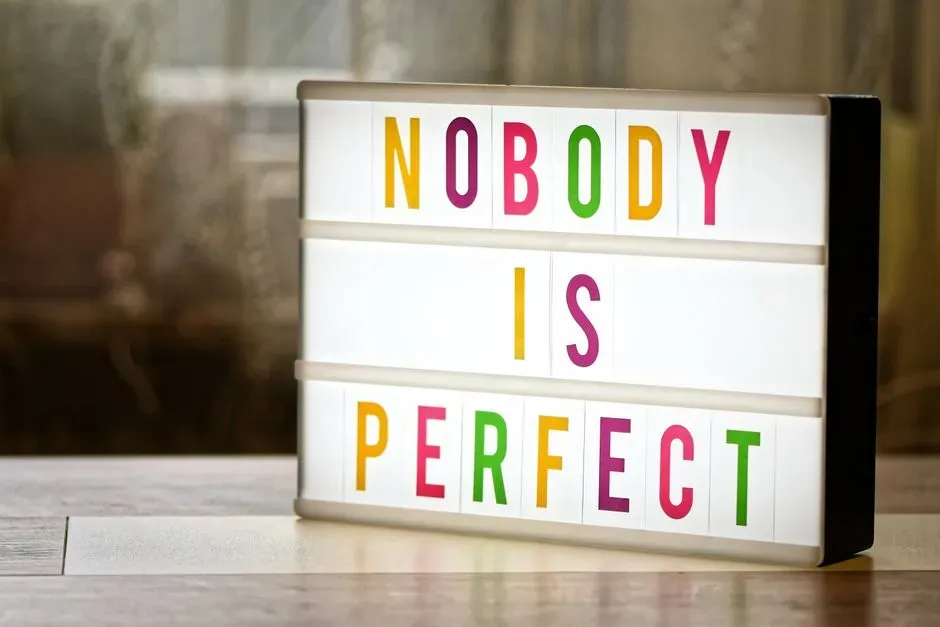
6. Getting Everything Done Perfectly (Image Credits: Pexels)
Perfectionism is a slow drain. For many women, the years between their 30s and 50s were marked by an invisible internal standard that nothing quite met. The dinner party, the work presentation, the birthday party for the kids – each carrying a faint but persistent anxiety that it wasn't quite good enough.
Research from the long-term Study of Women's Health Across the Nation found that fewer daily hassles were related to better life satisfaction in later years. Women who've loosened their grip on perfection consistently describe a quieter inner life, more presence in the moment, and far less of that low-grade hum of not being enough. Most express genuine regret that they waited so long to let it go.
7. Their Career Trajectory and Professional Status

7. Their Career Trajectory and Professional Status (Image Credits: Pexels)
The anxiety around career advancement, salary comparisons, and professional identity absorbs enormous amounts of mental energy for many women through their 30s, 40s, and 50s. Most women workers over 50 have seen or experienced age discrimination on the job, and two-thirds of women over 50 who are working or looking for work say that older workers face age discrimination in the workplace today. The system wasn't always fair, yet the self-blame often ran deeper than the structural problem ever warranted.
Many women over 60 look back and realize that they defined their worth almost entirely through their professional output for decades. The insight that tends to arrive later is simple: the job was one part of a life, not the whole thing. Letting go of status anxiety, they say, freed up space for almost everything else that actually mattered.
8. Becoming a Burden to Others

8. Becoming a Burden to Others (Image Credits: Unsplash)
Among adults under 65 who think about their later years, roughly two thirds say they feel worried about the future. Top concerns include future health problems, not having enough money, and becoming a burden to their family. The fear of dependency runs particularly deep in women who spent their most active decades as the primary caretakers of others.
Yet women past 60 who've worked through this fear tend to describe it as largely premature and often self-undermining. Asking for help, accepting support, and allowing reciprocity in relationships turns out to strengthen bonds rather than weaken them. The dread of being a burden, many realize, was itself a kind of burden they were carrying alone and entirely unnecessarily.
9. Keeping Up Social Obligations

9. Keeping Up Social Obligations (Image Credits: Pexels)
There's a particular exhaustion that comes from attending every event, returning every call, and maintaining every relationship out of obligation rather than genuine connection. Nurturing positive and supportive relationships is vital for well-being, and research demonstrates that having a strong social support network positively affects various aspects of life satisfaction and psychological health. The key word, women over 60 often point out, is "supportive."
Thinning the social calendar – keeping the friendships that energize and quietly releasing the ones that drain – is something many women describe as one of the better decisions of later life. The worry that cutting back would lead to isolation turns out to be largely unfounded. Fewer but more genuine connections tend to carry far more satisfaction than a crowded calendar ever did.
10. Their Financial Choices from the Past

10. Their Financial Choices from the Past (Image Credits: Unsplash)
Financial regret has a long half-life. Many women spend years revisiting past decisions – the investment not made, the career pivot taken too late, the years spent out of the workforce – with a harsh internal audit that serves very little practical purpose. Among Americans 60 and older, commonly cited life regrets include not saving more money and making better investments. The regret is understandable, but the rumination rarely changes anything.
Research from a large Pew survey found that those who have reached older age are more confident and serene about life than younger adults, who find themselves unsure or even fearful of the future. Nearly half of those 65 and older describe themselves as aging very or extremely well. Women in that group often credit a genuine acceptance of past financial imperfection – and a shift toward making the most of what's there now – as central to that sense of ease.
11. Whether They Were Living Life the "Right" Way
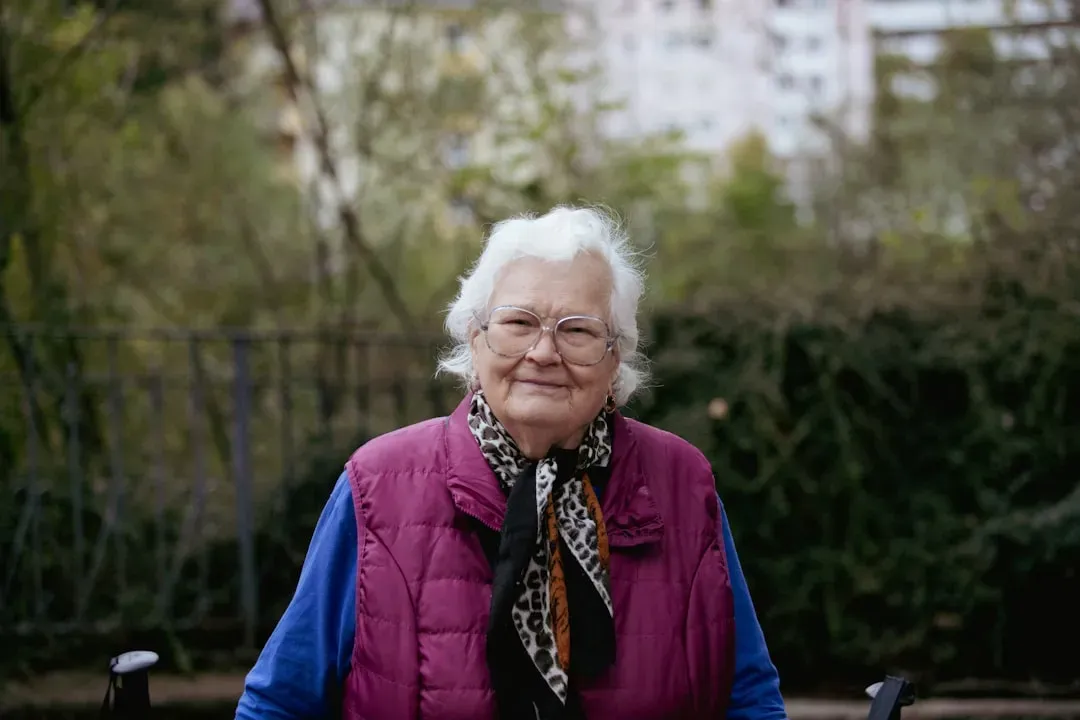
11. Whether They Were Living Life the "Right" Way (Image Credits: Unsplash)
Researchers following women over time found that their moods improved significantly as they aged. The drop in negative moods corresponded with a notable drop in the prevalence of depression between the ages of 60 and 70. Some of that mood improvement almost certainly tracks with a quieter relationship to the question of whether life is being lived correctly.
The subjective aging framework suggests that aging is not just a physiological process but also how individuals perceive, evaluate, and experience their age-related changes. Awareness of these changes and attitudes toward aging are crucial aspects of older adults' self-experience, and these factors are consistently associated with life satisfaction, well-being, and mental health. Women who've stopped measuring their lives against some external template tend to describe a kind of spaciousness that, for many of them, came far later than it needed to. That, perhaps more than any single item on this list, is the one they wish they'd found sooner.
The recurring theme across all eleven is that the worry itself consumed more life than the things being worried about ever actually did. Most of these concerns weren't protecting anyone from anything. They were simply the background noise of a culture that often asks women to prove, manage, and minimize themselves continuously. Recognizing that – even gradually, even late – turns out to be worth quite a lot.