
Splitting the check, tipping, handing over a card. It sounds simple enough, but the last five minutes of a restaurant meal are where good manners quietly go to die. Servers and etiquette experts alike say the payment moment reveals more about a diner's character than almost anything else that happens at the table, and small missteps there tend to stick in people's memory longer than the food does.
1. Snapping your fingers or waving to get the server's attention
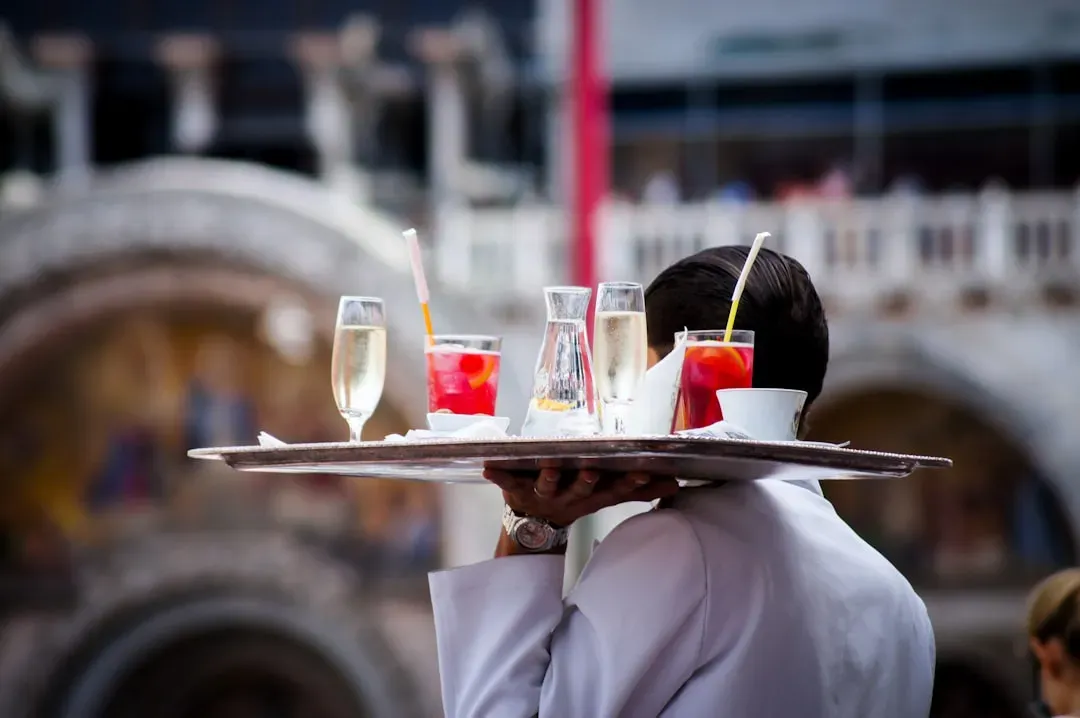
1. Snapping your fingers or waving to get the server's attention (Image Credits: Unsplash)
Trying to flag down a server for the check by snapping fingers, whistling, or waving an arm across the room is one of the fastest ways to come across as entitled. Servers are usually juggling several tables at once, and treating them like they should drop everything the second you're ready to leave reads as dismissive of their time and workload.
A simple eye contact and a small hand gesture, like a subtle "writing" motion in the air, is the accepted nonverbal cue in most restaurants. If eye contact isn't happening, waiting a moment or politely asking a passing staff member is far less jarring than trying to summon someone like a genie.
2. Grabbing the bill before anyone else can see it
2. Grabbing the bill before anyone else can see it (Image Credits: Pexels)
When the check arrives and one person immediately snatches it up without a word, it can feel less like generosity and more like a power move, especially if that person hasn't offered to pay for everyone. It puts other diners in an awkward spot where they're unsure whether they still owe money or how to react.
If you intend to pay for the whole table, saying so out loud before reaching for the folder avoids the confusion. If you're just the closest person to where the server set it down, sliding it toward the center of the table is a more neutral move than claiming it as your own.
3. Making a show of calculating everyone's exact share
3. Making a show of calculating everyone's exact share (mikecohen1872, Flickr, <a href="https://creativecommons.org/licenses/by/2.0/" target="_blank" rel="noopener">CC BY 2.0</a>)
Splitting a bill down to the last cent, complete with a phone calculator and a itemized breakdown of who ordered the extra guacamole, can turn a relaxed meal into an audit. It signals that the money matters more than the company, which is an uncomfortable note to end on.
Most groups do better rounding up slightly or agreeing to split evenly, especially when the difference between shares is small. Saving the penny-counting for situations where the gap is genuinely significant keeps the mood intact.
4. Questioning or arguing with the server about the charges
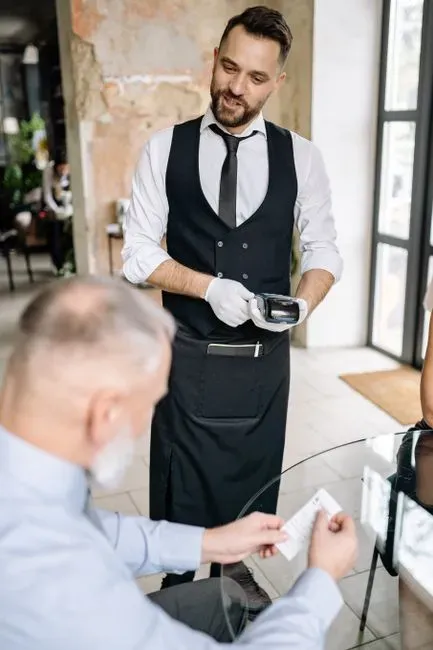
4. Questioning or arguing with the server about the charges (Image Credits: Pexels)
Mistakes on a bill do happen, and it's fair to ask for a correction. Doing it in a sharp or accusatory tone in front of other diners, however, puts the server on the defensive and makes everyone at the table uncomfortable.
A calm, quiet request like pointing out an item that wasn't ordered usually gets resolved quickly and without drama. Servers generally want to fix genuine errors, so approaching it as a simple correction rather than a confrontation keeps the interaction civil.
5. Tipping based on a fixed personal rule regardless of service
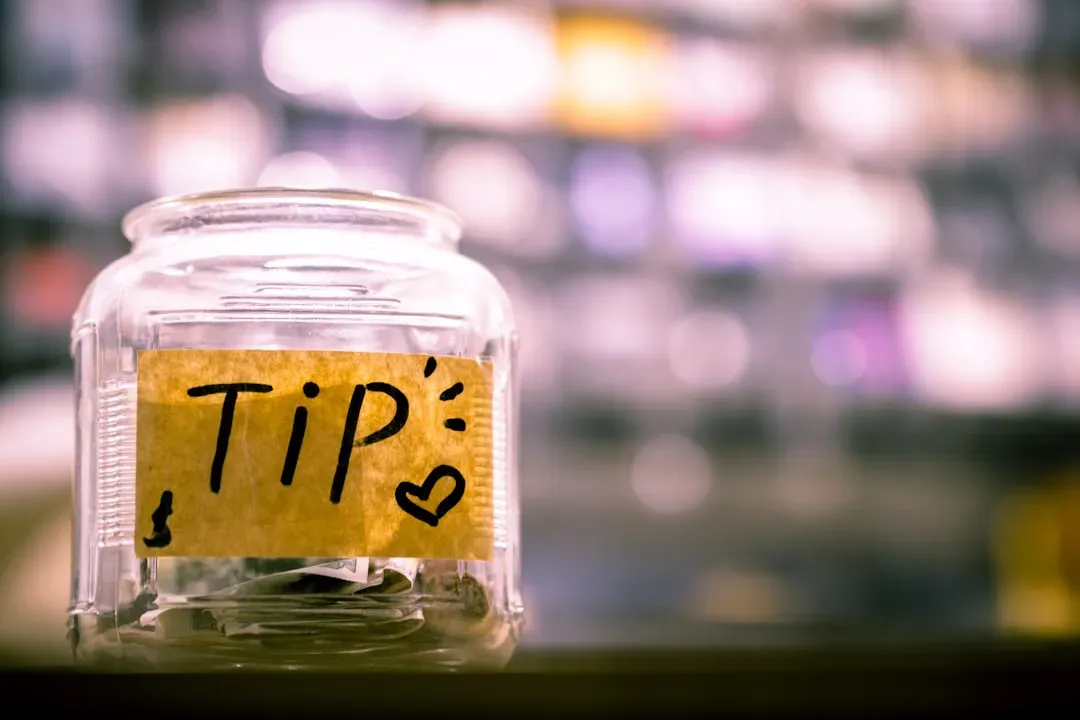
5. Tipping based on a fixed personal rule regardless of service (Image Credits: Unsplash)
Some diners stick rigidly to a flat percentage no matter what happened during the meal, while others announce loudly that they never tip more than a certain amount as a matter of principle. Broadcasting a tipping philosophy at the table, especially a stingy one, can come across as tone-deaf to the people who served you.
In the United States, where servers often rely on tips to supplement a lower base wage, a standard of around eighteen to twenty percent for good service remains the widely cited benchmark among etiquette guides. Adjusting for genuinely poor service is reasonable, but doing so silently rather than as a public statement avoids putting anyone on the spot.
6. Leaving a cash tip in coins or heavily wrinkled bills
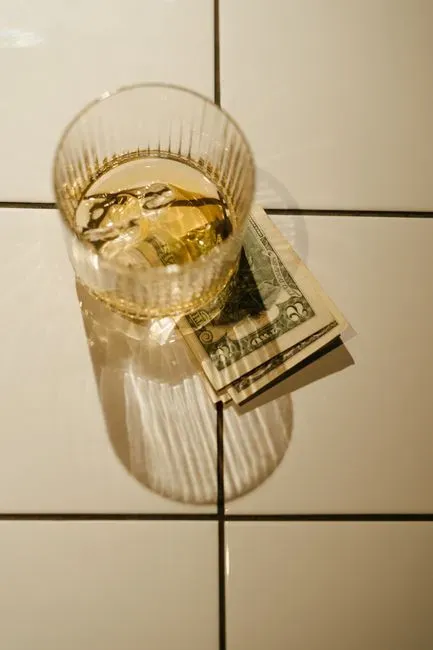
6. Leaving a cash tip in coins or heavily wrinkled bills (Image Credits: Pexels)
There's an old but persistent habit of leaving a tip made up entirely of loose change or crumpled singles pulled from the bottom of a bag. Even when the total amount is fair, the presentation can feel like an afterthought or, worse, a small insult.
If cash is the plan, folding the bills neatly and leaving them in a reasonably tidy stack takes almost no extra effort. It signals that the gesture was intentional rather than something scraped together at the last second.
7. Assuming a card machine or app split will work without checking first
7. Assuming a card machine or app split will work without checking first (Image Credits: Pexels)
Digital payment splitting through apps has become far more common in recent years, and many restaurants now support splitting a bill directly on the card reader. Assuming this feature exists and holding up the whole table while trying to figure it out on the fly, without asking a server first, can create unnecessary delays and frustration for both staff and other diners.
A quick question when the check is dropped off, such as asking whether the bill can be split by item or by number of guests, sorts this out before it becomes a group project. Restaurants that don't offer easy splitting usually appreciate knowing in advance so they can suggest an alternative, like one person collecting cash from the table.
8. Letting one person's late payment hold up the whole table
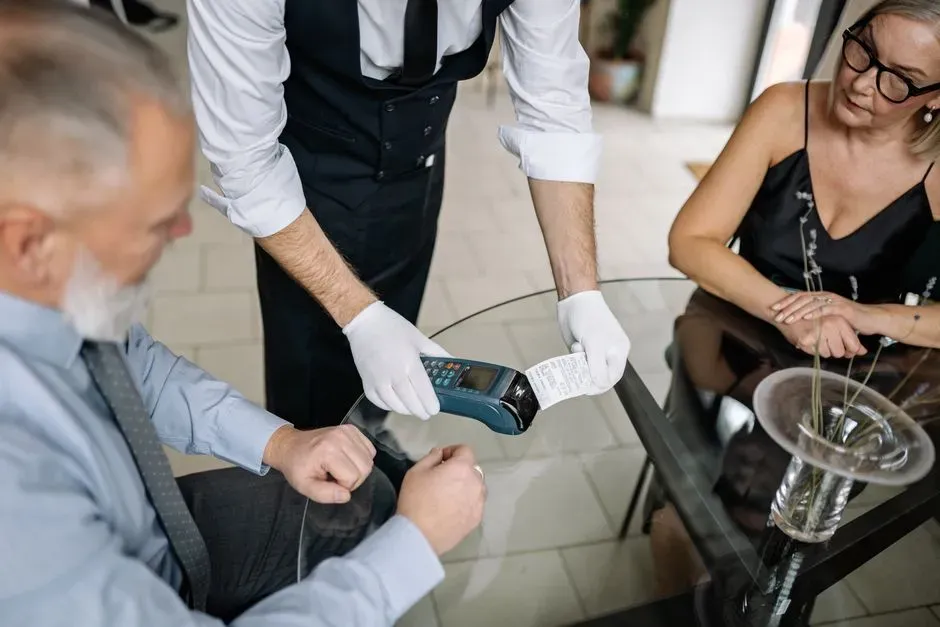
8. Letting one person's late payment hold up the whole table (Image Credits: Pexels)
Everyone has probably sat through the moment where one person can't find their card, or insists on running to an ATM, while the rest of the table waits in silence. It shifts an uncomfortable amount of attention onto that person and can make the closing minutes of a meal feel tense rather than relaxed.
Being upfront early in the meal about payment method, especially if cash is needed and an ATM run might be involved, gives the group time to plan around it. A little advance notice turns a potential holdup into a non-issue.
9. Commenting out loud on how expensive the bill turned out to be
9. Commenting out loud on how expensive the bill turned out to be (Image Credits: Pexels)
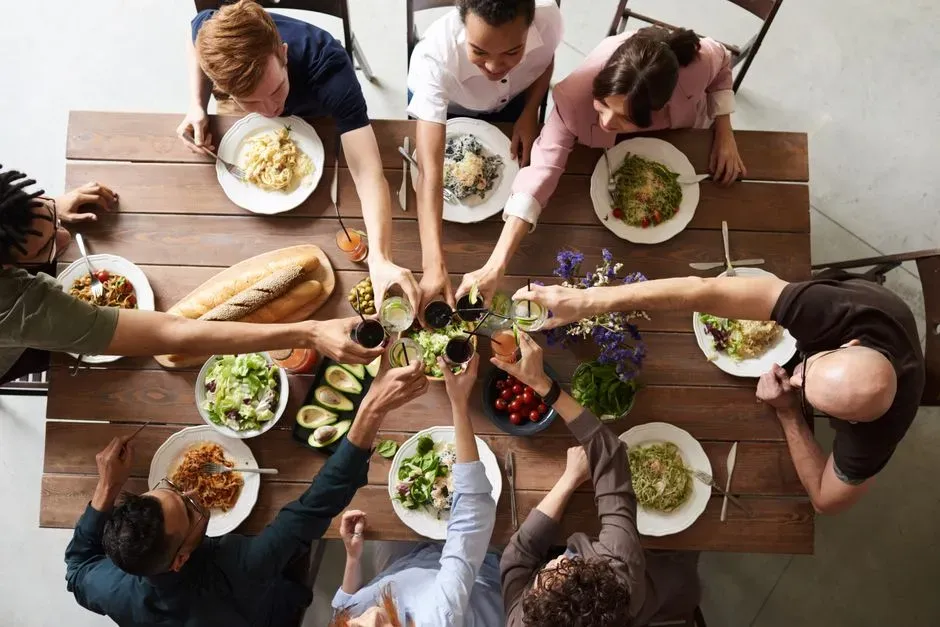
Groaning audibly at the total, especially in a group setting where someone else is treating or where the bill is being split, can make other diners feel judged for their choices or guilty for ordering what they wanted. It also puts pressure on whoever suggested the restaurant in the first place.
If the price genuinely came as a surprise, it's a conversation better had privately or after the group has parted ways. Reacting calmly in the moment keeps the focus on the shared experience rather than the receipt.
10. Insisting on paying the entire bill despite repeated objections
10. Insisting on paying the entire bill despite repeated objections (Image Credits: Unsplash)
Generosity is admirable, but pushing to cover the whole check after someone has clearly and repeatedly said they'd like to contribute can tip into being overbearing. It can make the other person feel like their preference doesn't matter or that they're being treated as unable to pay their own way.
A single firm offer to pay is generous. Continuing to insist after a clear no starts to feel more like a display of control than kindness, so accepting a compromise, such as splitting the next round of drinks, tends to land better.
11. Walking away the moment the payment goes through
11. Walking away the moment the payment goes through (Image Credits: Pexels)
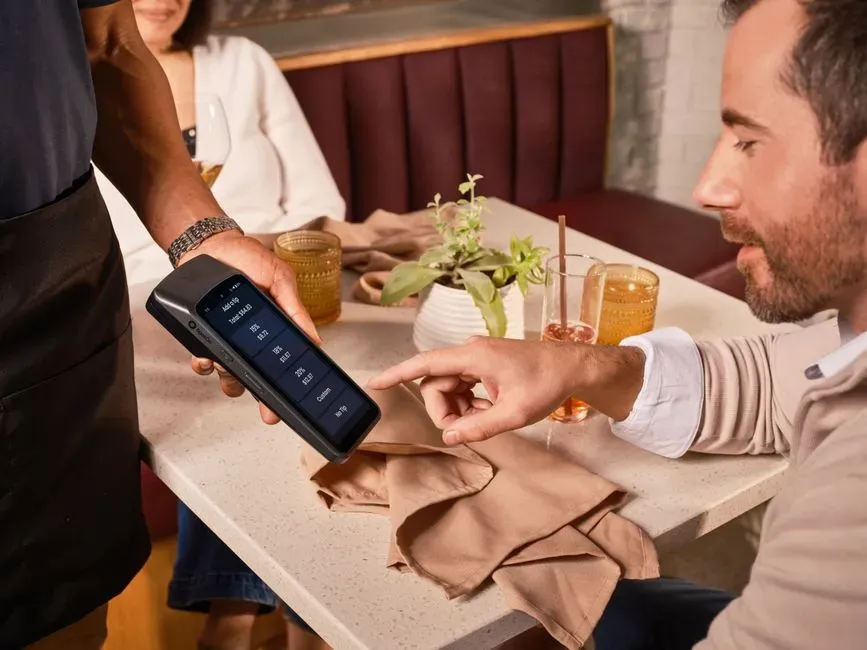
Once the card is processed or the cash is left, some diners are up and out the door within seconds, without a word to the server who just spent the last hour or two attending to the table. It can feel abrupt, as if the interaction was purely transactional from start to finish.
A brief thank you on the way out, even just a nod or a couple of words, costs nothing and closes the meal on a warmer note. Servers remember which tables treated them like people rather than a line item on a shift report, and it tends to shape how future visits go.
None of these habits are catastrophic on their own, and most people have probably done at least one of them without thinking twice. The payment stage of a meal moves fast, but a little awareness in those last few minutes goes a long way toward leaving a good impression, both on servers and on everyone else at the table.