
Nobody hands out a rulebook when you become a grandparent. The joy is immediate, the love is obvious, but the expectations? Those tend to surface slowly, often when something goes slightly sideways. A photo posted without permission. A sugar-loaded snack offered right before dinner. A gentle but pointed comment about how things were done differently back in the day.
Grandparenting today is just as fraught with ups and downs as parenting itself. There are many rules, mostly unspoken, to follow, and the generation gap between grandparent and parent can open up the floor for some serious disagreements. Most of these rules are never stated out loud. They live in the quiet tension of family life, felt by everyone but rarely named. Here are the eleven that matter most in 2026.
1. Ask Before You Post: Social Media Is a Non-Negotiable Territory
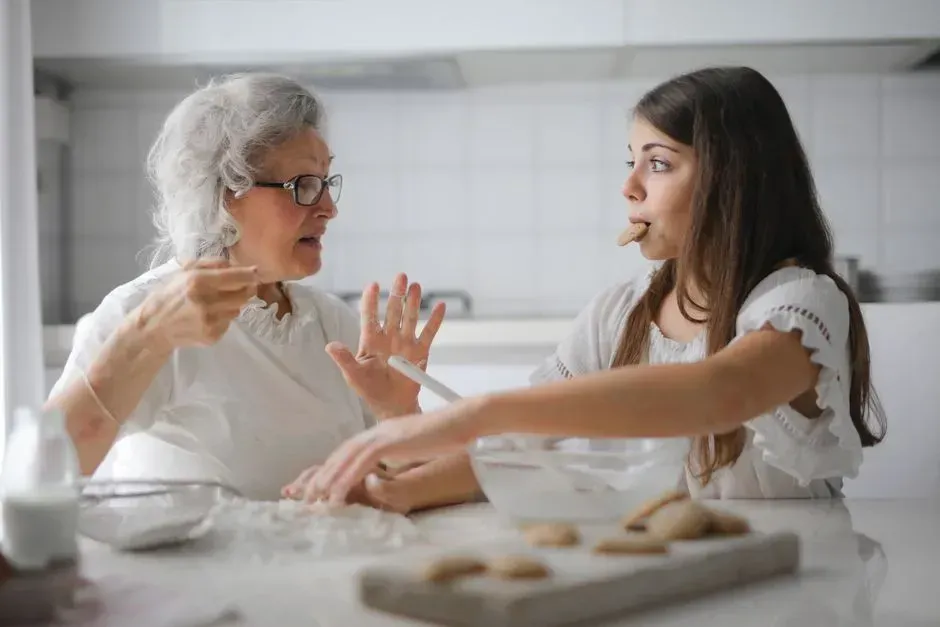
1. Ask Before You Post: Social Media Is a Non-Negotiable Territory (Image Credits: Pexels)
Getting permission before posting any pictures of grandchildren on social media has become one of the most firmly held expectations among today’s parents. This isn’t about distrust. It’s about a world that has changed dramatically since most grandparents were raising their own kids.
Those adorable pictures contribute to a permanent online record of grandchildren that’s out of their control and potentially dangerous. While images of a child may seem cute, there is a potential dark side to sharing photos of your favorite kids. The dangers of cyberstalking, bullying, and privacy violations are exactly why some parents get annoyed at grandparents posting pictures. In short, grandparents shouldn’t post grandkids on social media if the children’s parents have asked for privacy. As with any other child-rearing decision, it’s the parents’ choice to make and the grandparents’ to respect.
2. Keep Schedules Sacred: Routines Are Not Suggestions
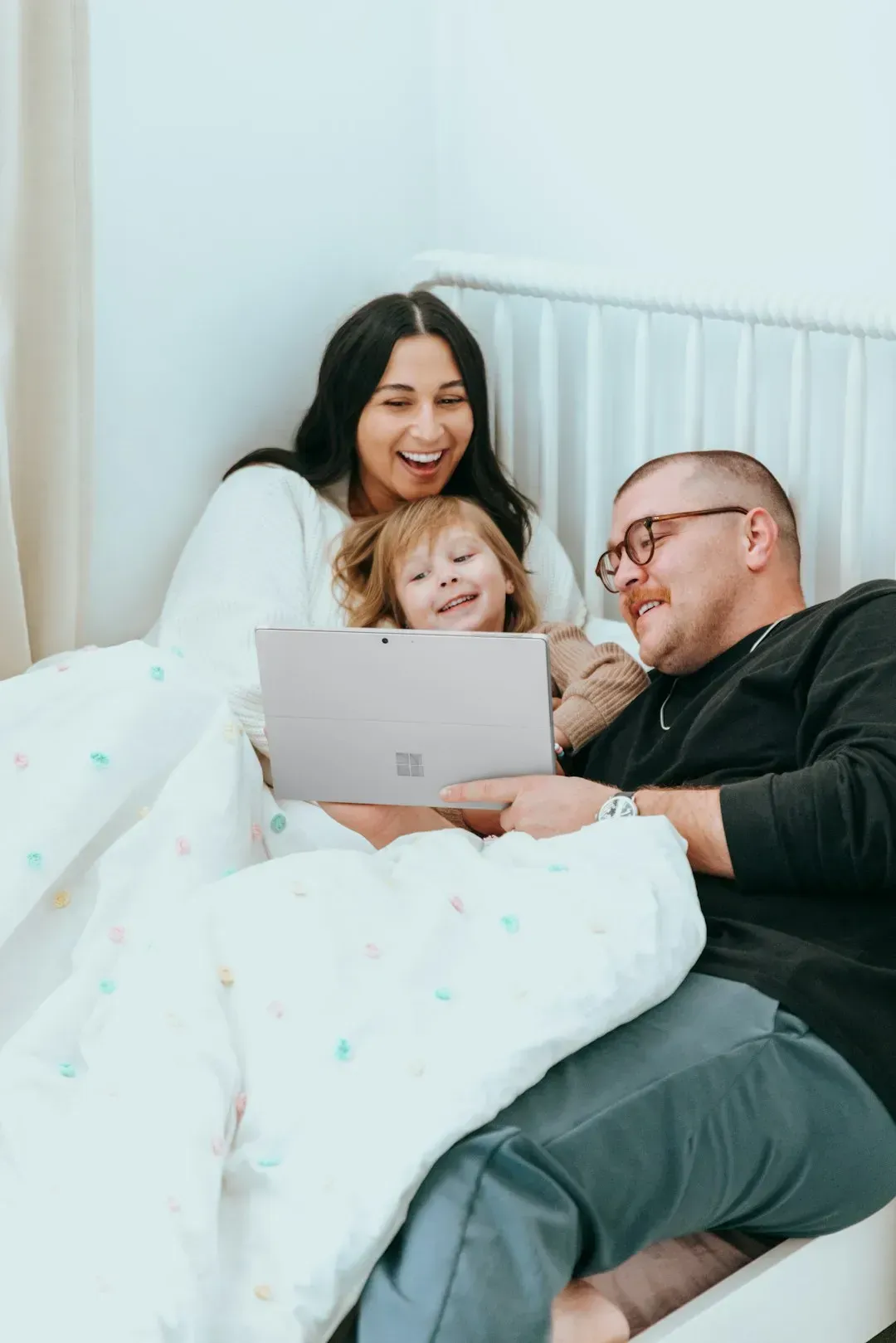
2. Keep Schedules Sacred: Routines Are Not Suggestions (Image Credits: Unsplash)
Changing nap, bedtime, or meal schedules without parent approval is one of the clearest lines parents draw. For young children especially, consistent routines aren’t just a preference. They’re tied to sleep quality, behavior, and overall development. A skipped nap or a 10 p.m. bedtime might feel harmless in the moment but can ripple outward for days.
Disputes most commonly involve discipline, meals, and screen time. Other thorny subjects include manners, safety and health, bedtime, treating some grandchildren differently than others, and sharing photos or information on social media. When grandparents consistently respect the rhythm a household has established, everyone benefits, including the grandchildren themselves.
3. No Secrets Between Grandkids and Their Parents
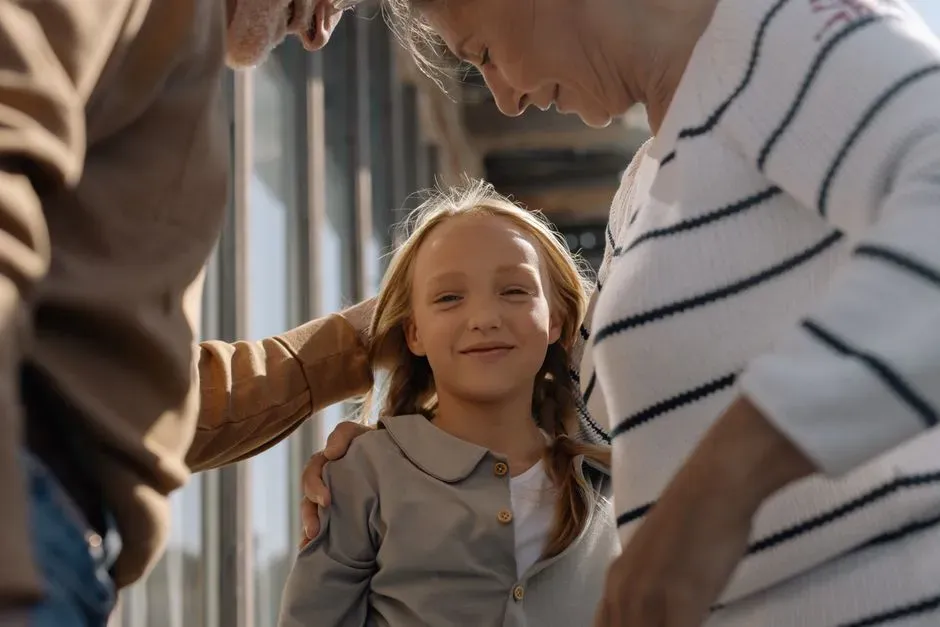
3. No Secrets Between Grandkids and Their Parents (Image Credits: Pexels)
Grandparents should never encourage their grandchildren to keep secrets from their parents, no matter how innocuous the secret may seem. Whether it’s an inside joke, a delayed bedtime, or a special treat like an extra helping of cookies, encouraging kids to keep secrets from their own parents can actually create long-term damage.
Children see their grandparents as authority figures, so those secrets can teach kids that dishonesty is acceptable while also undermining the trust between a child and their parents. What feels like a fun little conspiracy between grandparent and grandchild can quietly erode the foundation of honesty that parents are working hard to build at home.
4. Hold the Unsolicited Advice

4. Hold the Unsolicited Advice (Image Credits: Pexels)
Parenting is hard enough without parents offering unsolicited advice. The reality is that parents don’t cease to be parents when their kids grow up. Grandparents generally have legitimate, hard-earned experiences they want to share. The issue isn’t the wisdom itself. It’s the timing, the frequency, and the delivery that parents quietly push back against.
In modern parenting, the question “Was I asked for this input?” is important. It can be impossible for grandparents to understand how much information is coming at parents today. Behind every parenting choice their adult children make is something important: research, values, or circumstances grandparents might not fully understand. The most effective approach is simple: share it once, then step back. If they want your opinion, they’ll ask.
5. Respect the Food Rules, Including the Sweet Stuff
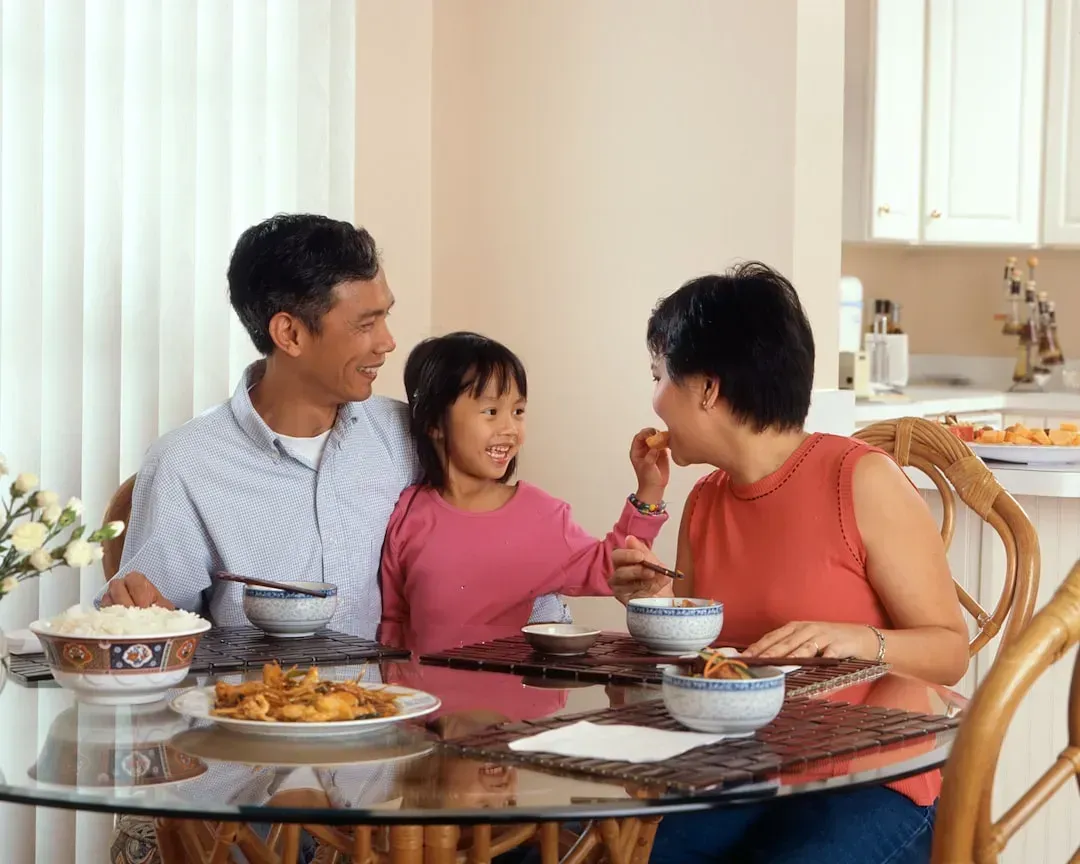
5. Respect the Food Rules, Including the Sweet Stuff (Image Credits: Unsplash)
Food boundaries aren’t about being controlling. They’re about respecting that parents know their children’s needs, allergies, and sensitivities best. When grandparents sneak forbidden foods, they’re not just giving treats. They’re teaching kids that lying and sneaking are acceptable.
Some of the biggest areas of conflict between parents and grandparents often involve what and when kids eat, the clothes they wear, and their sleeping schedule. A child with a food sensitivity or allergy doesn’t stop having that sensitivity because it’s grandma’s house. Parents take these rules seriously, and they expect the same level of care from grandparents who are watching the kids.
6. Screen Time Limits Follow the Children Everywhere
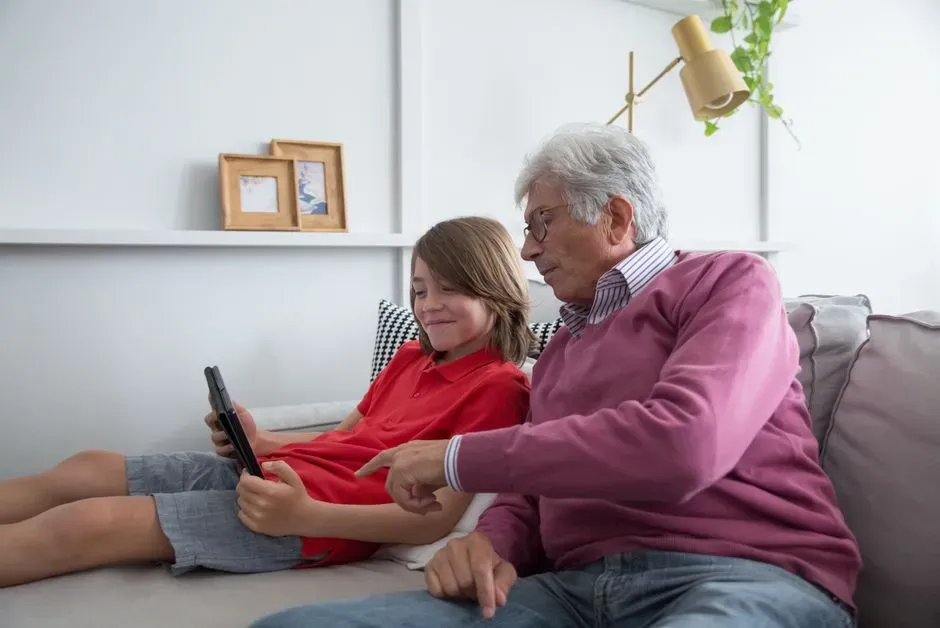
6. Screen Time Limits Follow the Children Everywhere (Image Credits: Pexels)
There’s a good chance the screen time rules parents have for their child are different from the rules grandma and grandpa invoke. Modern parents are much more knowledgeable about the effects of screens, given that tablets simply weren’t a thing in the eighties and nineties. This knowledge gap is real, and parents understand it, but it doesn’t change the expectation.
Grandparents weren’t navigating constant connectivity, social media pressures, or online risks when raising their own children, so sometimes they don’t fully grasp why these boundaries matter as much as they do today. Gently explaining the reasoning behind screen guidelines can help grandparents see that it isn’t about being rigid but about protecting kids and preserving quality time. Most parents aren’t asking for perfection here. They’re asking for effort.
7. Never Criticize Parents in Front of the Children

7. Never Criticize Parents in Front of the Children (Image Credits: Pexels)
Phrases like “Your daddy doesn’t know what he’s talking about” or “Mommy worries too much” might seem harmless, but these comments chip away at parental unity. When grandparents badmouth one parent to the children, they’re creating division in the family unit. That partnership deserves respect, especially in front of the children. Grandparents who can’t manage that basic courtesy need boundaries that protect the family’s cohesion.
This is one of the most silently enforced rules in modern family life, and it rarely gets said aloud until real damage has been done. Children are perceptive. They absorb adult tensions faster than most people expect. Maintaining a unified front, even when you personally disagree with a parenting call, is one of the most valuable things a grandparent can offer.
8. Follow Modern Safety Standards Without Debate
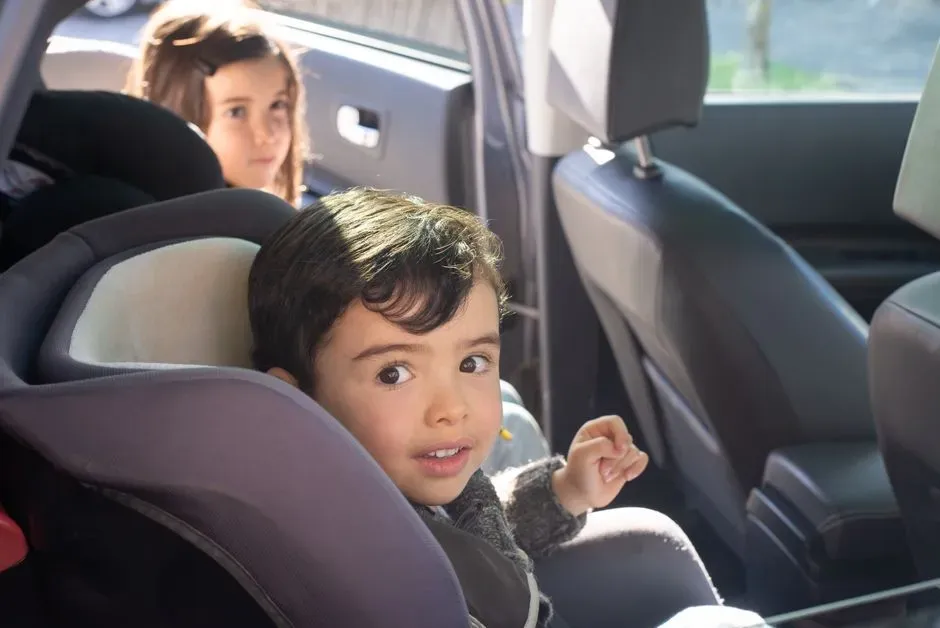
8. Follow Modern Safety Standards Without Debate (Image Credits: Pexels)
Whether it’s car seat safety, food allergies, or basic childproofing, some grandparents treat modern safety standards like suggestions. These aren’t preferences. They’re non-negotiables. If someone can’t follow basic safety rules with children, they shouldn’t be alone with them.
The phrase “that’s not how we did things and you survived” may be a common refrain for grandparents who raised children when there were fewer research-based recommendations around parenting. But when it comes to safety and health, parents need to take a hard stance. It can be helpful to point to newer research on children’s health, such as putting babies to sleep on their back, wearing helmets, and using age-appropriate car seats. Safety guidance evolves for a reason.
9. Wait to Be Invited Before Showing Up

9. Wait to Be Invited Before Showing Up (Image Credits: Pexels)
Showing up unannounced at a grandchild’s home is something today’s parents consistently name as a boundary they need respected. This isn’t about keeping grandparents at arm’s length. It’s about the reality that young families operate on tight schedules, and spontaneous visits can disrupt naptime, work calls, feeding routines, or simply the mental bandwidth of a tired parent having a hard day.
Grandparents walk a delicate path between offering help and respecting autonomy. By honoring boundaries, they encourage mutual respect and create a family environment where each generation feels valued, supported, and understood. A quick text asking if it’s a good time costs nothing and means everything.
10. Spoiling Is Welcome, Within the Parents' Framework
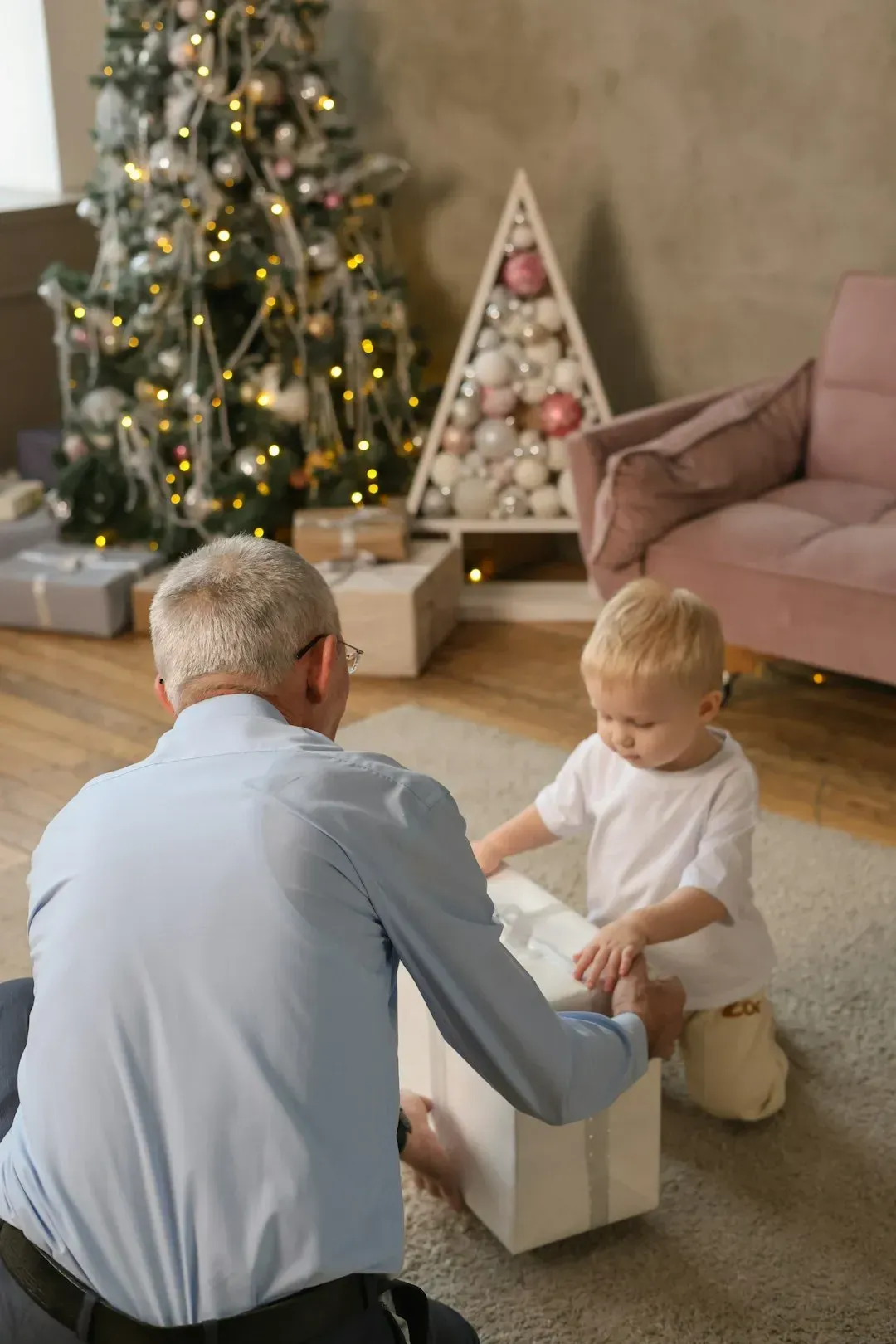
10. Spoiling Is Welcome, Within the Parents' Framework (Image Credits: Unsplash)
Spoiling grandchildren, in consultation with the parents concerning the gifts, is an exciting part of the grandparent experience. The key phrase is “in consultation.” Parents generally want grandparents to be warm, generous, and fun. What they don’t want is for gifts or indulgence to directly contradict values they’re building at home, whether that’s around technology, sugar, money, or behavior.
Asking for guidance on gifts and following parents’ recommendations keeps everyone on the same team. It also prevents the awkward situation where a grandparent gives a gift that has to be quietly removed, which serves nobody well. A quick check-in ahead of birthdays or holidays takes thirty seconds and avoids a week of tension.
11. Respect the Parenting Style, Even When You Don't Fully Get It

11. Respect the Parenting Style, Even When You Don't Fully Get It (Image Credits: Pexels)
Research suggests that intergenerational dynamics influence parenting styles, disciplinary strategies, and emotional support mechanisms. Grandparents often act as a bridge between traditional and modern parenting methods, ensuring continuity while also adapting. That adaptation piece is where things get complicated. What looked like “spoiling” to one generation might look like “gentle parenting” to the next, and both sides are usually convinced they’re right.
Whether it’s about discipline, routines, or dietary choices, honoring the decisions made by the parents shows solidarity. This doesn’t mean grandparents cannot share their insights or experiences. Instead, it’s about offering advice only when asked and remembering that the ultimate responsibility lies with the parents. Respecting their authority fosters trust and ensures a united front in the children’s upbringing.
The grandparent-parent relationship in 2026 is more negotiated than it’s ever been. Research has suggested that children who have a good relationship with their grandparents have fewer behavioral and emotional problems. That outcome is worth working toward, on both sides. The rules listed here aren’t meant to diminish the grandparent role. They exist because the stakes of getting it right are genuinely high, and the families that figure it out together tend to be the stronger for it.