
There was a stretch of years, somewhere between the moon landing and the disco ball, when American dessert tables looked nothing like they do now. Green gelatin sat next to whipped topping. Meringue got set on fire in front of guests. Canned fruit was treated as a luxury ingredient rather than an afterthought.
Most of these dishes did not disappear because they tasted bad. They faded because tastes shifted, ingredients went out of production, or the labor involved simply stopped making sense in a busier world. Here is a look back at eleven desserts that once ruled the potluck table and now barely show up anywhere at all.
1. Watergate Salad
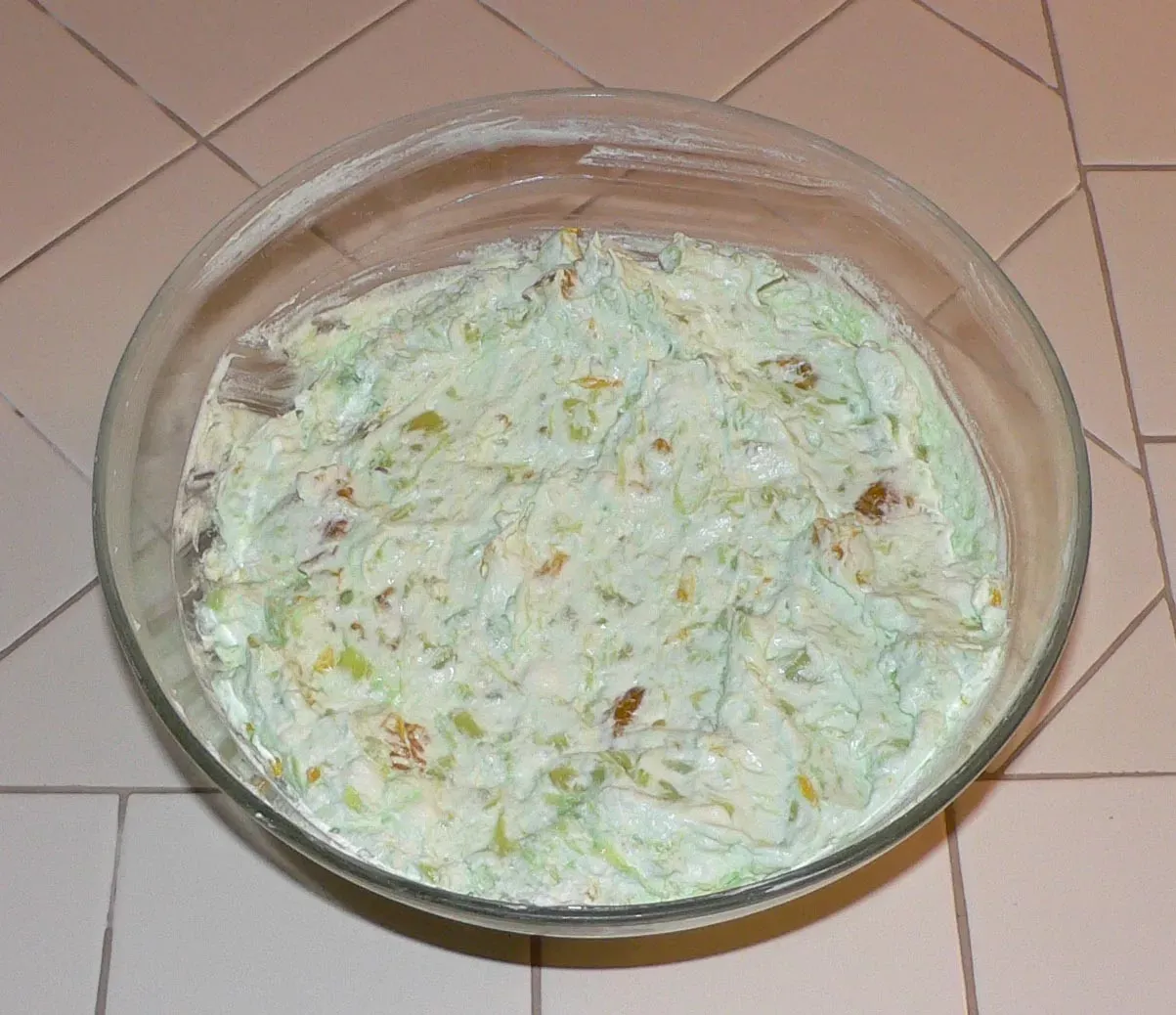
1. Watergate Salad (Image Credits: <a href="https://commons.wikimedia.org/w/index.php?curid=192318" target="_blank" rel="noopener">CC BY-SA 3.0</a>)
Despite the name, this was always a dessert, not a side dish. It combined pistachio pudding, canned pineapple, whipped topping, crushed walnuts or pecans, and marshmallows into a pale green fluff that showed up at nearly every church supper and family reunion. The dish itself predates its famous name, since recipes for pistachio pudding salads were already circulating before anyone linked them to a political scandal.
The story behind the name is murkier than most people assume. Recipes for pistachio pudding salad appeared in newspapers in the early 1970s, but it wasn’t until 1975 that the dish took on the moniker “Watergate salad.” No one has ever definitively tracked down who coined the name or why, but it stuck hard enough that the original title faded into obscurity. Today it survives mostly as a nostalgia piece at holiday gatherings, rarely made by anyone under sixty.
2. Tunnel of Fudge Cake
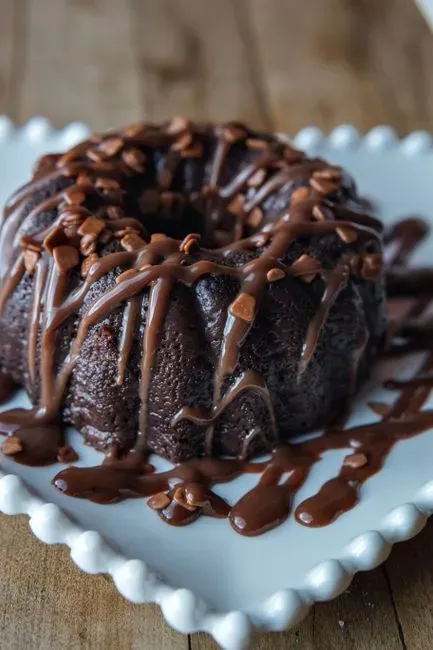
2. Tunnel of Fudge Cake (Image Credits: Pexels)
This one has a strange origin story involving a contest, a mystery ingredient, and hundreds of thousands of confused fans. Ella Helfrich, a home baker from Houston, entered it in the 1966 Pillsbury Bake-Off, and even though it didn’t win first place at the Pillsbury Bake-Off Contest in 1966, it came in second place, Ella Helfrich’s chocolaty creation took over the hearts and kitchens of bakers across the United States. The cake’s gooey center came from a specific frosting mix that Pillsbury later discontinued.
By the 1970s, the cake had become a fixture of suburban kitchens, largely because of the Bundt pan boom it helped trigger. The cake proved just as popular until Pillsbury discontinued the crucial ingredient, Double Dutch Frosting Mix, sometime in the 70s or 80s, prompting angry fans to deluge the company with complaints. Once that ingredient vanished from shelves, so did most home attempts at the original recipe, and the cake slowly slipped out of regular rotation.
3. Baked Alaska
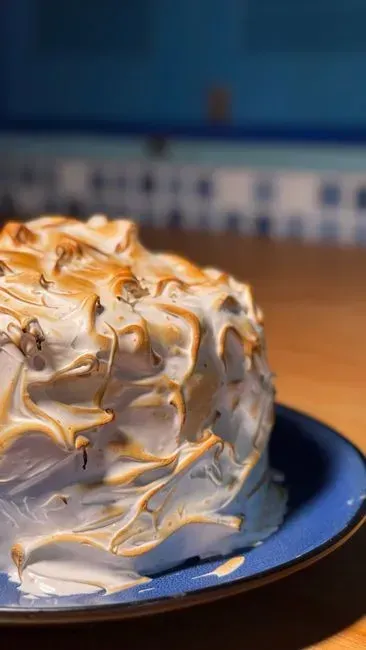
3. Baked Alaska (Image Credits: Pexels)
Few desserts demanded more theater than this one. A base of sponge cake, a dome of ice cream, and a thick meringue coating were baked or torched tableside, creating a dish that was warm on the outside and frozen within. It had been a showpiece since the 19th century, but by the 1970s it had settled into a strange spot as a dinner party trick rather than an everyday treat.
Its decline had less to do with taste and more to do with changing habits. Popularity fell during the 1970s and 1980s, as the country became more health-conscious, and elaborate flambéed showpieces started to feel out of step with simpler cooking. These days, finding it on a restaurant menu, even in Alaska itself, is genuinely rare.
4. Charlotte Russe
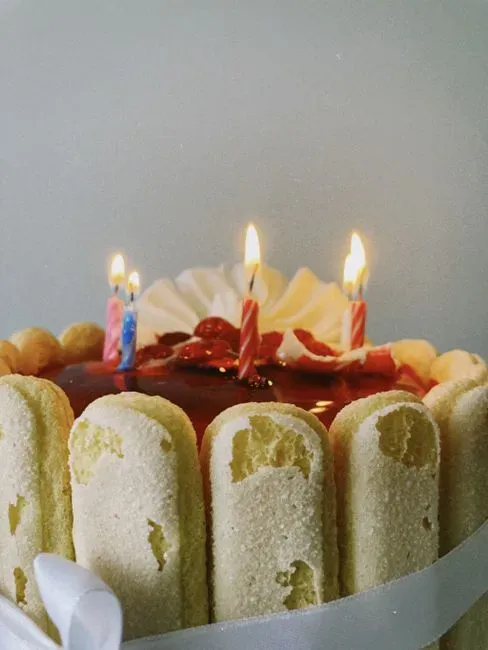
4. Charlotte Russe (Image Credits: Pexels)
This was less a formal dessert and more a street snack, sold from carts and candy stores in cardboard cups with a push-up bottom. Basically, it was a piece of sponge cake topped by a heap of whipped cream with a cherry at its pinnacle, sometimes with fruit or sprinkles, though those were optional. Kids in New York grew up pushing the bottom of the cup upward to work their way through the cream, one sticky bite at a time.
Refrigeration limits made it a seasonal item for decades, and as candy stores gave way to other kinds of shops, the dessert quietly disappeared from most neighborhoods. With many more culinary choices and fast food becoming increasingly popular, folks eventually grew tired of the little gem, and demand sank so low that manufacturers stopped producing the scalloped edge cups with the push-up bottom. A handful of old-school bakeries, mostly in the New York area, still make it, but it is nowhere near the common treat it once was.
5. Grasshopper Pie
5. Grasshopper Pie (Image Credits: Unsplash)
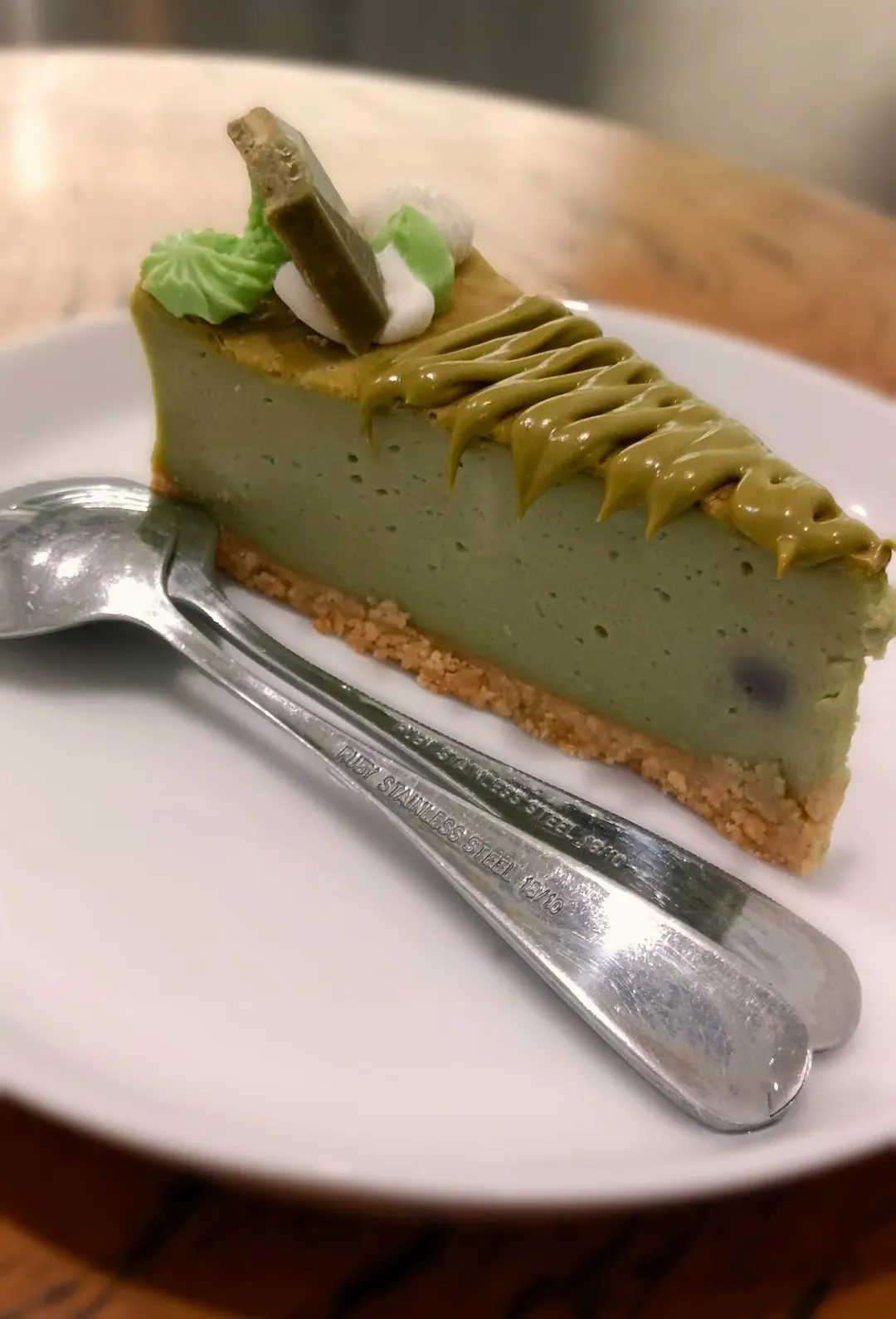
Named after the mint and chocolate cocktail it borrowed its color from, this pie leaned heavily on crème de menthe and crème de cacao folded into whipped cream, all poured into a chocolate cookie crust. It was fashioned from crème de menthe and crème de cacao, mixed with whipped cream, melted marshmallows, and dairy, all encased in a chocolate crust. The bright green filling made it an easy showstopper for dinner parties looking for something a little different from standard fruit pies.
It peaked earlier than some of its dessert-table peers. It reached its peak popularity in the ’60s, and by the 1970s it was already starting to feel a bit old-fashioned next to newer, less boozy-tasting desserts. Liqueur-flavored pies eventually fell out of favor almost entirely, and grasshopper pie now mostly survives as a curiosity in vintage cookbooks.
6. Ambrosia Salad
6. Ambrosia Salad (Image Credits: Flickr)
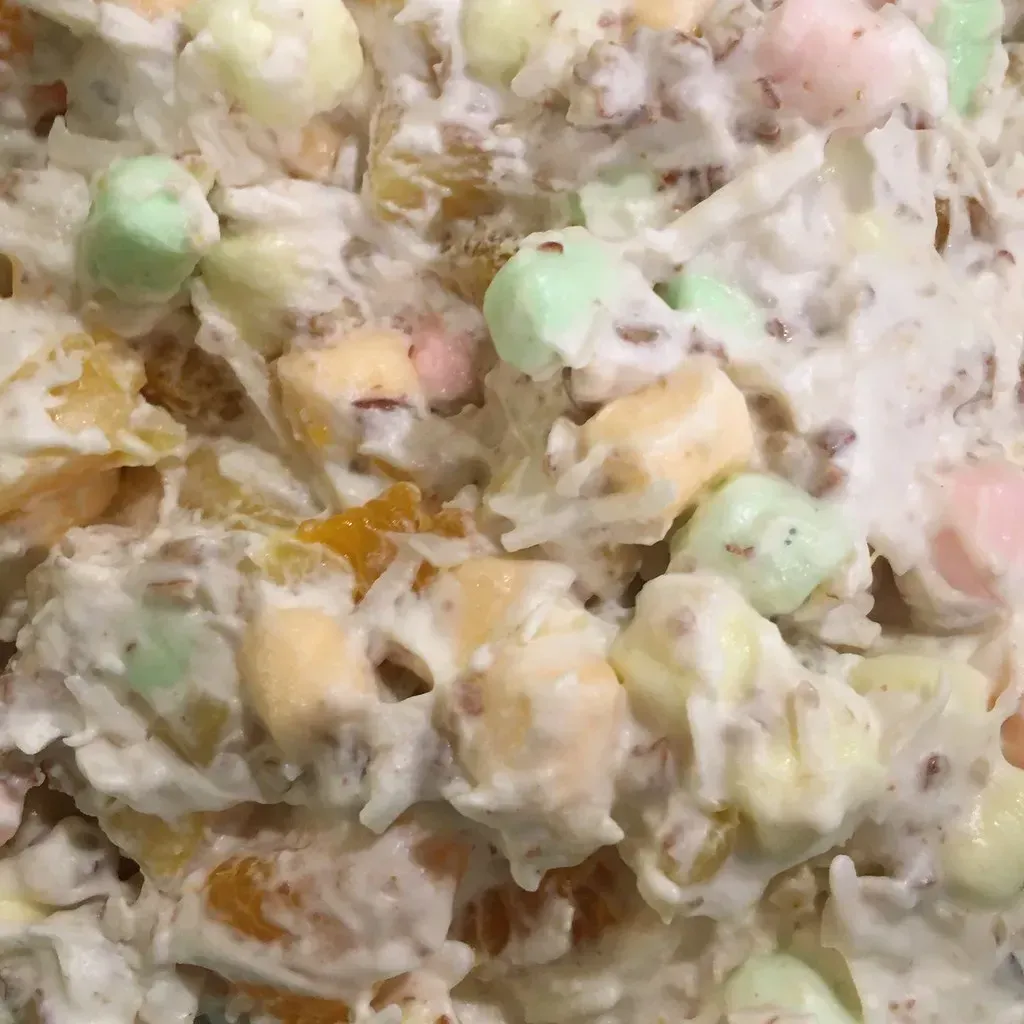
Built from canned mandarin oranges, pineapple, shredded coconut, marshmallows, and a heavy dose of whipped cream, this dish blurred the line between salad and dessert in a way only mid-century American cooking really managed. The classic recipe consists of mandarin segments, slices of pineapple, shredded coconut, and marshmallows mixed together with copious quantities of whipped cream. It showed up constantly at 1970s potlucks because it required no cooking and traveled well in a covered bowl.
Shifting food attitudes eventually pushed it out of regular use. As people moved toward a more health-conscious way of living, the popularity of the ambrosia salad waned, crisp, dressed vegetables or elegant pasta salads were in, fruit drenched in cream was out. It still turns up occasionally around Thanksgiving, usually made by someone’s grandmother, but it has largely disappeared from everyday cooking.
7. Divinity Candy
7. Divinity Candy (Image Credits: Pexels)
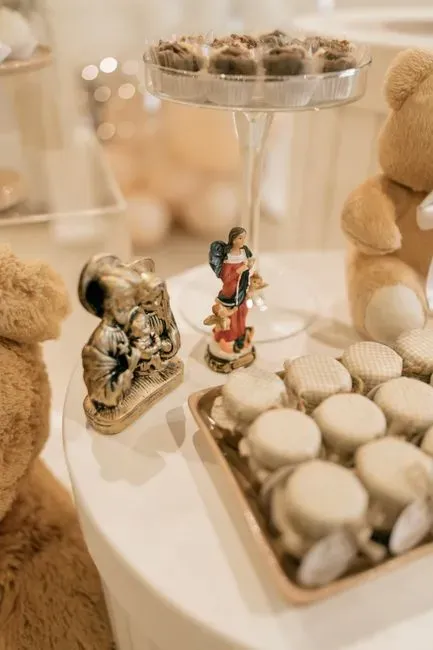
This one belonged squarely to the holiday tin, sitting alongside fudge and peanut brittle every December. Super white, slightly sticky, and incredibly sweet, divinity is like a little piece of heaven that tastes like super-chewy marshmallows. It was especially common in Southern households, where it had been a fixture well before the 1970s but remained a staple through that decade too.
Making it properly required real skill, and that difficulty is a big part of why it faded. You couldn’t open a tin of Christmas goodies without spotting some pristine white mounds or squares of homemade candy, usually studded with pecans or cherries, but getting the sugar syrup to the right temperature without it seizing or weeping took patience most modern cooks skip past in favor of simpler treats. It still exists in some family recipe boxes, but it rarely gets made outside of the holidays, if at all.
8. Cherries Jubilee
8. Cherries Jubilee (SheGotTheBeat, Flickr, <a href="https://creativecommons.org/licenses/by/2.0/" target="_blank" rel="noopener">CC BY 2.0</a>)
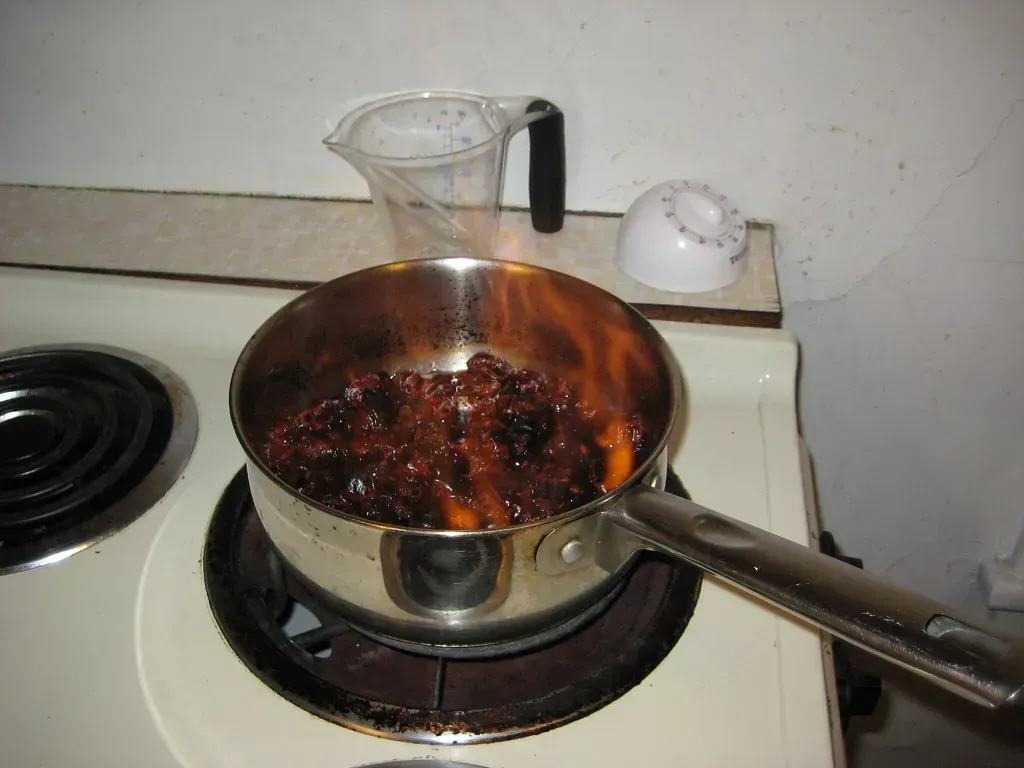
Few desserts captured the theatrical instincts of the era quite like this one, with cherries flambéed in brandy or kirsch and poured flaming over vanilla ice cream. It had been a staple of upscale restaurants for decades before home cooks adopted it, and American cooks who were fascinated with the idea of flambéing desserts kept it in heavy rotation through the 1950s and 1960s dinner party circuit.
By the 1970s, though, tastes were already turning away from that kind of showy tableside cooking. The popularity of Cherries Jubilee declined for the same reasons as Steak Diane or Baked Alaska, no one was looking for excess or theatricality in their foods in the 1970s, as the country dove into recession and the turmoil surrounding the Vietnam War. Today it is almost impossible to find on a restaurant menu, and most people have only encountered it in old cookbooks or black and white cooking show reruns.
9. Jell-O Poke Cake
9. Jell-O Poke Cake (Image Credits: Pexels)
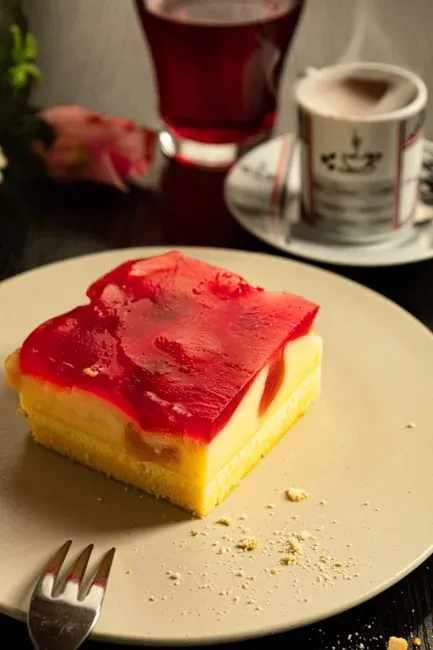
This dessert took a plain white or yellow cake, poked it full of holes, and poured flavored gelatin into every opening before topping it with whipped cream. The result was a marbled, brightly colored slice that looked far more complicated than it actually was to make. It was a favorite of busy home cooks in the 1970s because it needed almost no baking skill and turned a boxed cake mix into something that felt festive.
Its decline tracks fairly closely with the broader retreat of gelatin desserts from American kitchens. As boxed cake mixes lost some of their novelty and homemade or bakery cakes became easier to access, the extra step of poking and pouring stopped feeling worth the effort for most families. It still shows up occasionally at church potlucks in certain regions, but it has mostly been replaced by simpler sheet cakes and store-bought options.
10. Chocolate Fondue
10. Chocolate Fondue (Image Credits: Unsplash)
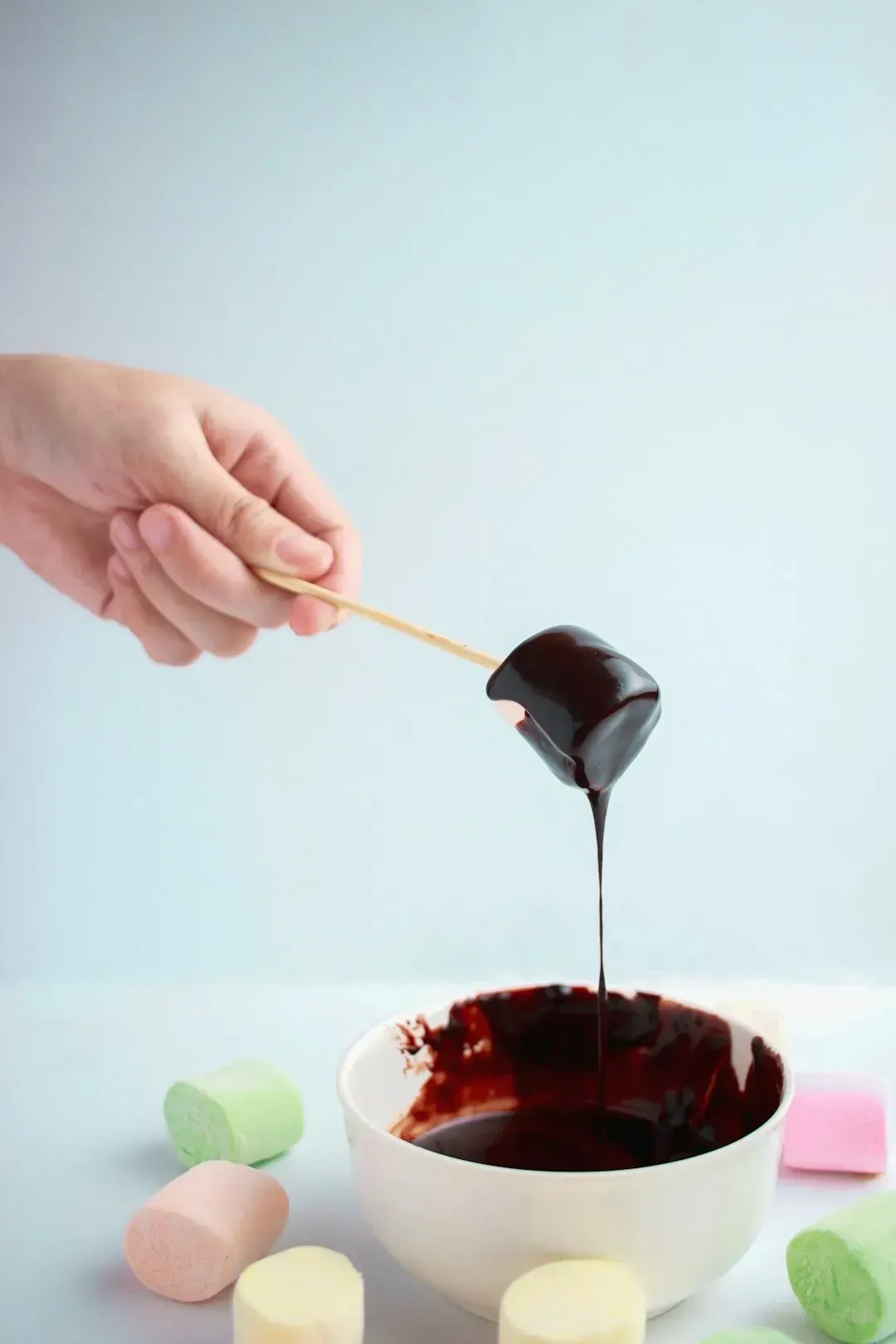
Fondue pots were practically a required wedding gift in the 1970s, and the dessert version, melted chocolate kept warm for dipping fruit, marshmallows, and pound cake cubes, was the centerpiece of countless dinner parties. It fit the decade’s love of interactive, communal eating, where guests gathered around a single pot rather than being served individual plates. The novelty of it, along with the slightly retro glow of the little burner underneath, made it feel like an event rather than just dessert.
As dinner party culture shifted toward simpler, more individually plated courses, the fondue pot slowly retreated to the back of kitchen cabinets and eventually to thrift store shelves. It never fully vanished, since fondue restaurants and the occasional nostalgic dinner party keep it alive, but it is nowhere near the everyday indulgence it once was. Most people under forty have likely never used a fondue pot at all, let alone owned one.
11. Millionaire Pie
11. Millionaire Pie (Image Credits: Million Dollar Pie, <a href="https://commons.wikimedia.org/w/index.php?curid=85109931" target="_blank" rel="noopener">CC BY 2.0</a>)
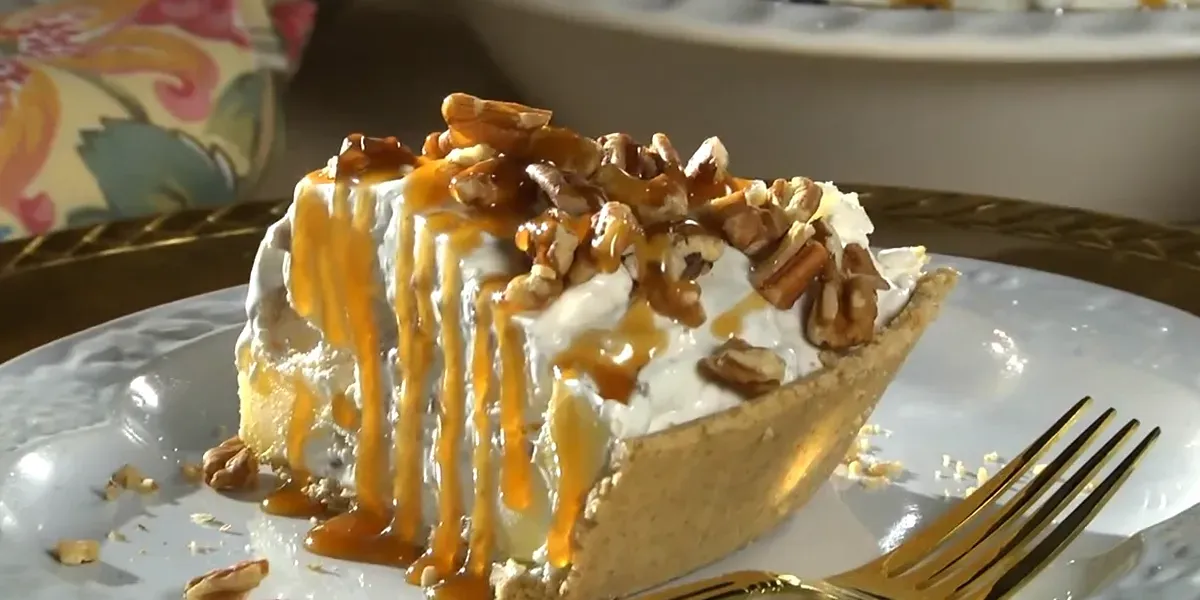
Despite the extravagant name, this was a humble no-bake pie built from crushed pineapple, whipped topping, condensed milk, and pecans, all poured into a graham cracker crust. It earned its name from the rich, creamy texture rather than any expensive ingredients, and it became a Southern potluck regular through the 1970s because it required no oven time at all. The combination of sweet, tangy, and nutty flavors made it an easy crowd pleaser at a time when convenience desserts were at their peak.
Like many no-bake pies of its era, it eventually lost ground to fresher, less heavily processed dessert options as tastes moved away from canned fruit and whipped topping. It still appears in some older community cookbooks and family recipe collections, but it has almost entirely disappeared from restaurant menus and modern baking blogs. Ask someone under fifty about millionaire pie today, and there is a good chance they will have no idea what you are talking about.
These desserts did not disappear because they failed. Most of them were genuinely well loved in their time, showing up at nearly every gathering for a solid decade or more. What changed was the rhythm of everyday cooking, as convenience ingredients fell out of production, health trends reshaped what people wanted on the table, and elaborate tableside theatrics gave way to simpler plating. A few of these treats survive in pockets, kept alive by a specific bakery, a stubborn grandmother, or a nostalgic food blogger, but for the most part they now live mainly in memory and in the pages of decades-old cookbooks.