
Becoming parents reshapes nearly every corner of daily life, and what happens at the dinner table is no exception. The eating routines that worked perfectly fine for two adults on their own schedule can quietly become problematic once children are watching, learning, and forming their own relationship with food.
Children’s eating behaviours are largely determined early in life, and parents have primary influence on the development of those behaviours. That makes the habits couples carry into parenthood far more consequential than most people realize. Some of these habits feel harmless or just practical. A closer look tells a different story.
1. Skipping Breakfast Without a Second Thought
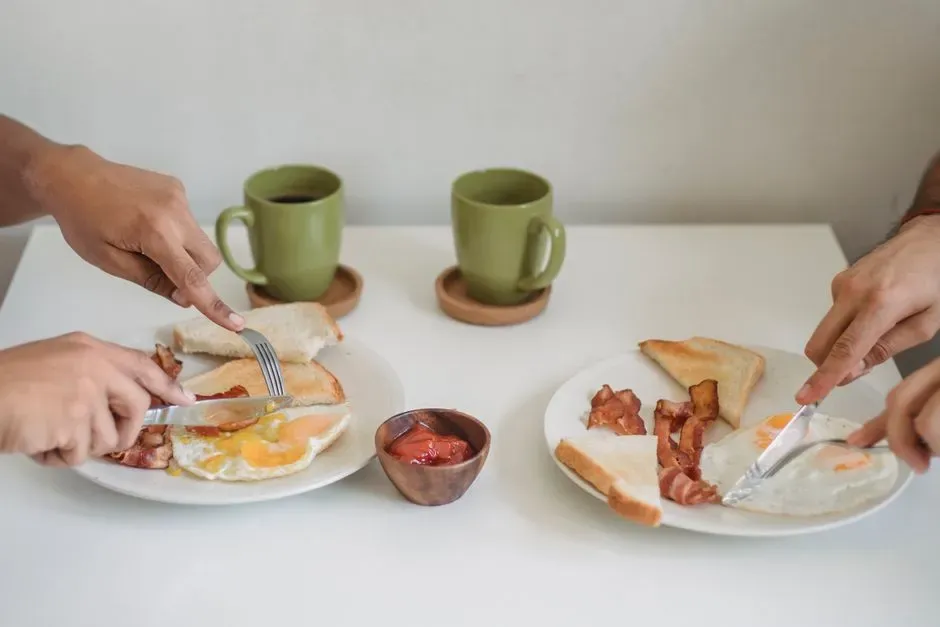
1. Skipping Breakfast Without a Second Thought (Image Credits: Pexels)
A rushed morning that used to end with two adults grabbing coffee on the way out the door is a different situation when kids are in the picture. The development of breakfast habits in children is closely related to the habits of parents, and in a large Japanese study that included over 42,000 children, a significant share of parents skipped breakfast by the time their children were one and a half years old, and this habit was directly mimicked by their children.
Children who don't eat breakfast have elevated daily energy fat intake, along with a reduced intake of protein, vitamins, and minerals, and a stronger appetite for fat-rich snacks, which leads to higher total plasma cholesterol levels. Skipping breakfast together might feel like a shared routine, but for growing kids, the nutritional costs are real.
2. Treating Mealtime as a Solo, Screen-Accompanied Event
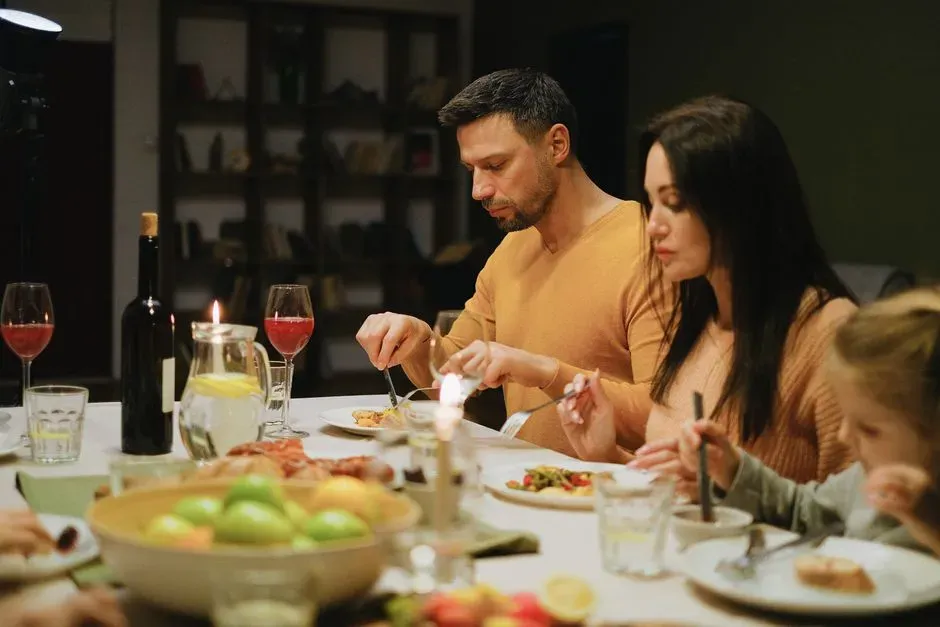
2. Treating Mealtime as a Solo, Screen-Accompanied Event (Image Credits: Pexels)
Many couples settle into the habit of eating separately at different times, phones or laptops nearby. After kids arrive, this pattern becomes harder to justify. A family meal allows for the nourishment of family members, facilitates communication among them, and fosters the development of family relationships. It also serves as a platform for role modelling and social learning of eating habits, creating an environmental setting that can influence children's eating behaviour, nutrition, and overall development.
Research studying children and adolescents from 43 countries found that over half do not have daily family meals, highlighting significant sociodemographic disparities. Eating together consistently isn't just nostalgic or ideal, it's genuinely protective for children's nutritional health and wellbeing.
3. Using Food as a Reward or Bribe
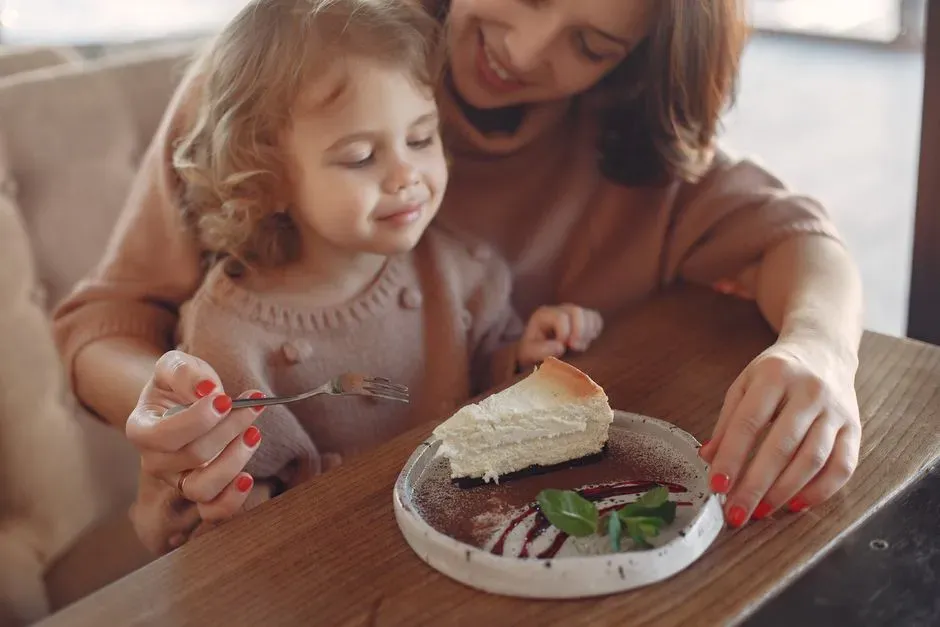
3. Using Food as a Reward or Bribe (Image Credits: Pexels)
Offering dessert to get a child to eat vegetables, or a treat for good behavior at the doctor's office, is one of the most common parenting reflexes there is. It feels effective in the short term. In a study out of Aston University in the UK, researchers looked at children aged three to five years and the feeding practices their parents used, then followed up with those children at ages five to seven. Children were more likely to be emotional eaters at five to seven if their parents had reported using food as a reward when they were younger.
Food is frequently used to reward children for performing desired behaviors, but using food rewards can create a psychological connection to food that goes beyond metabolic need, which may develop disordered eating habits such as emotional eating, binge eating, and food addiction. The short-term cooperation simply isn't worth the long-term trade-off.
4. Eating Different Meals Than the Kids
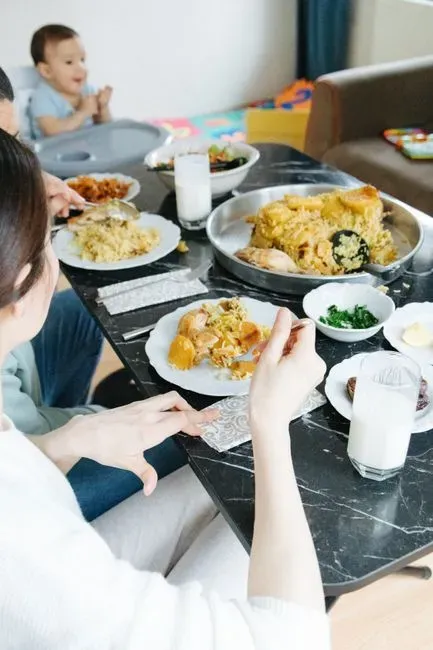
4. Eating Different Meals Than the Kids (Image Credits: Pexels)
It's tempting to cook one simple meal for the children and something more interesting, or convenient, for yourselves. Research found that three in five parents play short order cook for young children who don't like the family meal. While that stat is understandable, it reinforces the idea that children don't need to eat what adults eat, which can backfire.
Research has suggested that obliging a child to accept healthy food through giving advice only, without eating it themselves, is a dead end in nutrition education. Sharing the same plate, quite literally, sends a clearer message than any instruction parents could give at the table.
5. Pressuring Kids to Clean Their Plates
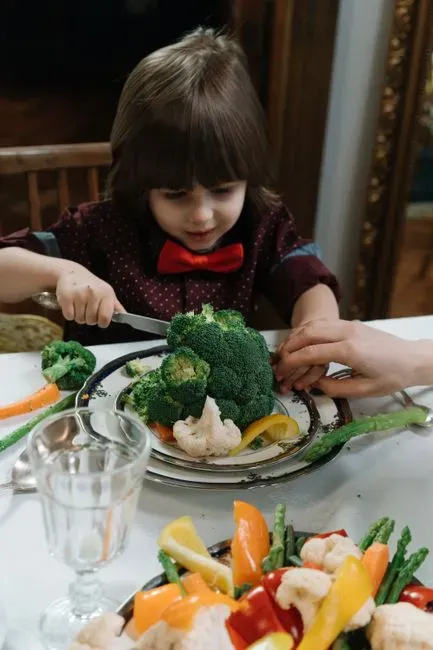
5. Pressuring Kids to Clean Their Plates (Image Credits: Pexels)
Many adults grew up with the "finish everything on your plate" rule and absorbed it as a household norm. Research from the University of Georgia suggests that pressuring children at the dinner table becomes more likely as parents grow increasingly overwhelmed and stressed, and that difficult jobs, too much to do, and financial worries add up and may result in parents engaging in less than ideal behaviors at the dinner table.
Children are better able to self-regulate the amounts of food they eat when they are encouraged by their caregivers to pay attention to what their little bodies tell them about hunger and fullness. Overriding that internal signal, however well-intentioned, teaches kids to ignore their own appetite rather than respect it.
6. Keeping Ultra-Processed Snacks as Household Staples

6. Keeping Ultra-Processed Snacks as Household Staples (Image Credits: Unsplash)
Before kids, stocking the pantry with chips, sugary cereals, and convenience snacks mostly affects just the two of you. Once children are raiding the kitchen on their own, what's available at home shapes what they eat. Research has revealed that parents should be encouraged to model healthful eating behaviors and select foods for home meals that reduce total sugar content and the consumption of junk food in the diets of their children and adolescents.
Research has postulated that the frequent offering of food high in sugar is linked to higher body mass index and overweight risk, and children who are frequently rewarded with food tend to eat more energy-dense snacks in general, and also consume more sugar-containing beverages and less fruit. What sits on your shelves is, quietly, a default diet for your children.
7. Avoiding Vegetables Yourselves
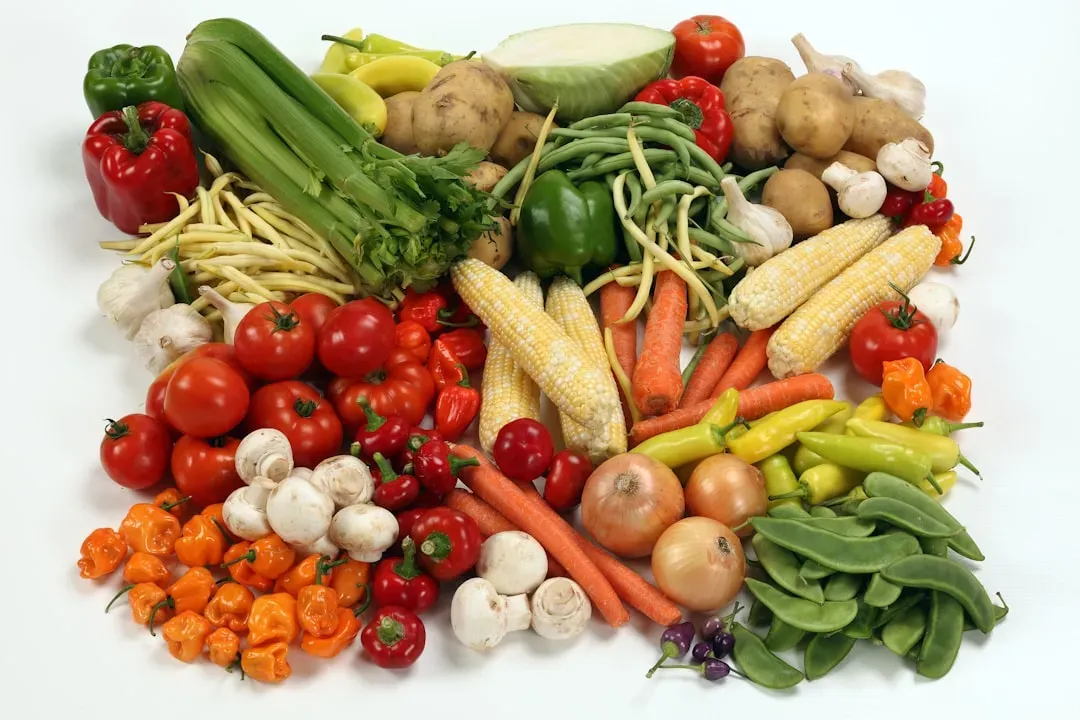
7. Avoiding Vegetables Yourselves (Image Credits: Unsplash)
If one or both partners consistently picks around vegetables or makes faces at certain foods, children notice immediately. Research has shown that the amount of fruit and vegetables children eat is associated with that of their parents, and similarly, the frequency of fast food, desserts, and soda a child consumes mirrors parental patterns.
The parental practices that influenced children most were role modeling and moderate restriction, suggesting that increasing parental encouragement and decreasing excessive pressure could have a positive impact on children's dietary behaviors. A parent who visibly enjoys a variety of vegetables is doing more for a child's diet than any nutritional instruction ever could.
8. Relying Heavily on Takeout and Fast Food
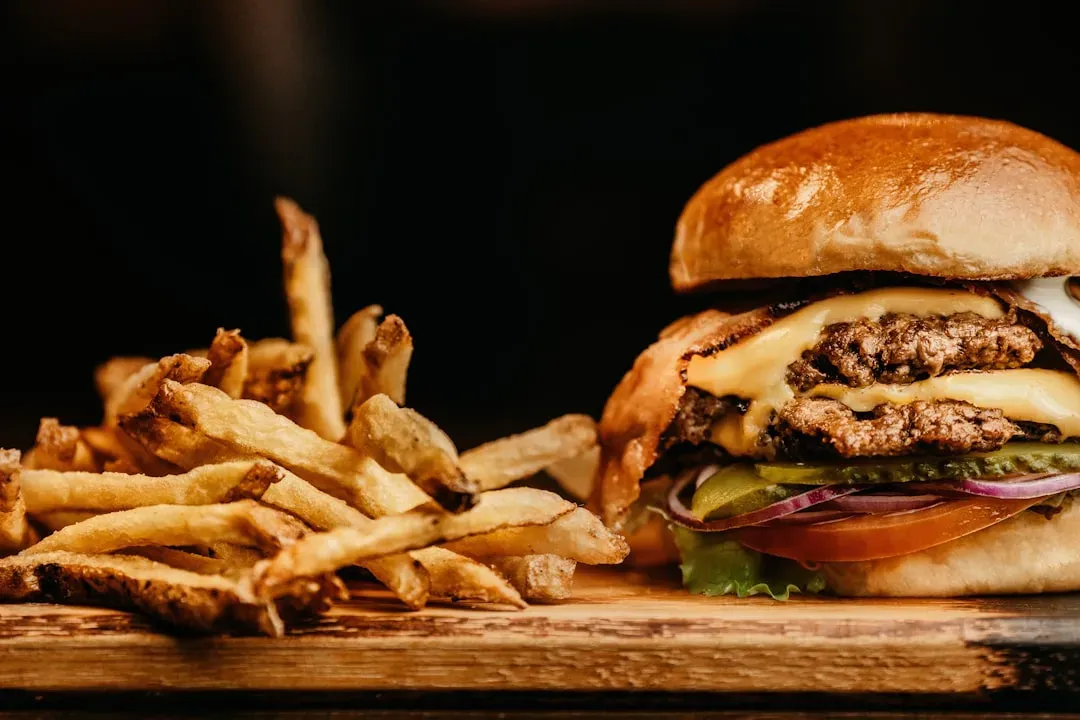
8. Relying Heavily on Takeout and Fast Food (Image Credits: Unsplash)
Busy couples often settle into a takeout rhythm, especially in the early years of parenthood when time and energy feel scarce. It's completely understandable. Still, the frequency matters. Childhood obesity and being overweight are influenced by the family environment, diet, sleep, and mental health, with parents playing a key role in shaping behaviors through routines and practices. Healthy parental habits can encourage positive outcomes, while poor routines and stress often lead to unhealthy weight gain.
A review of both national and international research articles on child nutrition concluded that as children switch to the family diet, a variety of healthy food items provided to children can promote their diet quality and food acceptance. Frequent fast food runs narrow that variety considerably, and over time, shrink what children are willing to eat.
9. Eating Erratically Without Structure or Routine
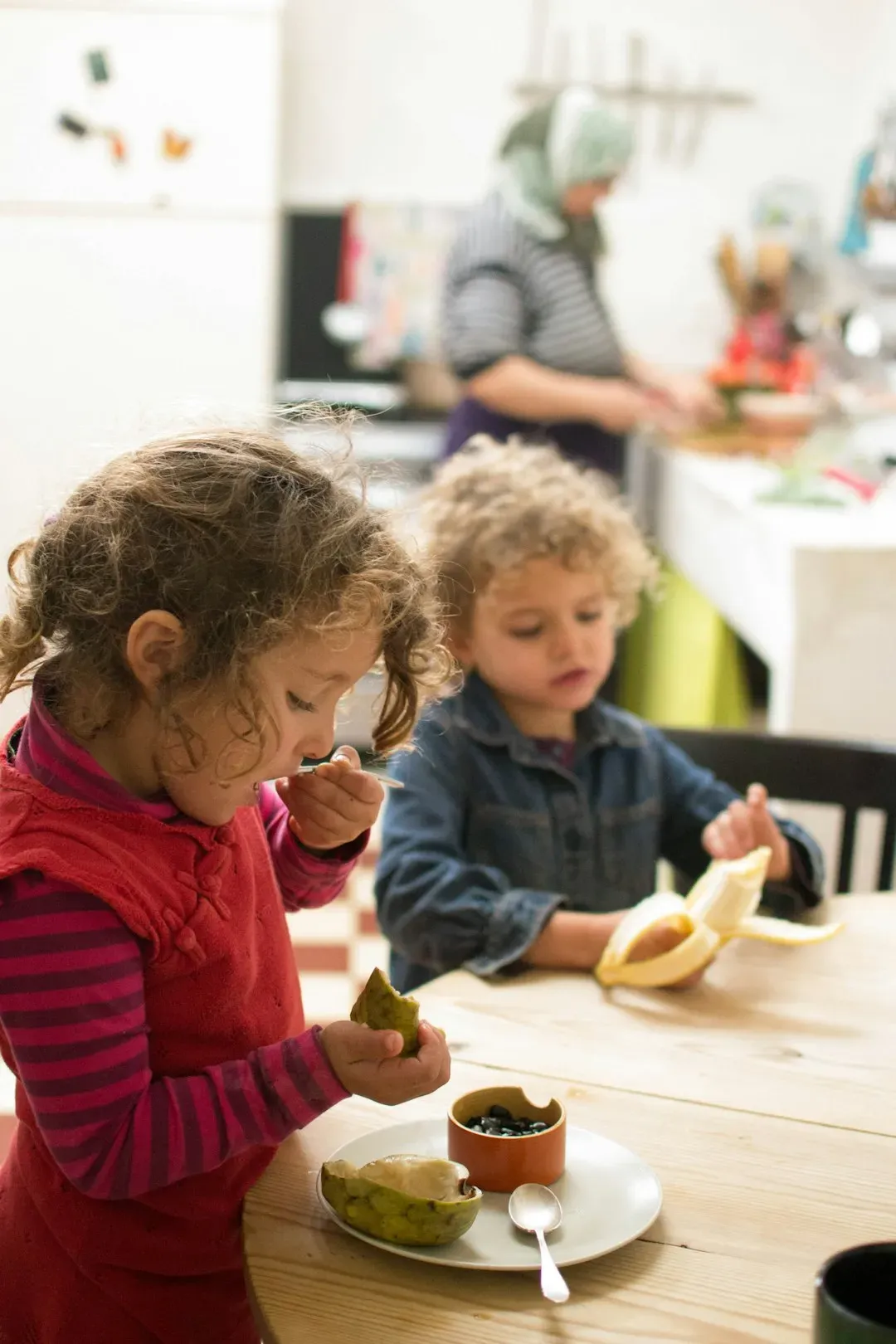
9. Eating Erratically Without Structure or Routine (Image Credits: Unsplash)
Two adults can graze through a day, eat dinner at nine at night, or skip lunch entirely without much consequence. Children function differently. Their developing bodies and blood sugar regulation benefit from consistent meal timing. The daily frequency of eating, eating occasions and times, and eating patterns can influence the digestion and absorption of calories and energy balance.
Avoiding snacks between meals may also help children have a better appetite and increase willingness to eat offered foods. A predictable meal structure isn't just practical, it actually teaches children to eat more intuitively and with less resistance at mealtimes.
10. Talking Negatively About Food or Bodies at the Table

10. Talking Negatively About Food or Bodies at the Table (Image Credits: Unsplash)
Couples often share frank conversations about diets, calorie counts, or body image without thinking much about small ears in the room. Children absorb these comments deeply and early. Parental eating behaviors, both their personal habits and the way parents choose to feed their children, influence eating habits and can lead to either healthy childhood eating behaviors or a lifelong struggle with eating and weight management.
Older children and adolescents may need help addressing bullying about body size, strategies for confronting media images promoting unrealistic body sizes and appearances, and emotional support. Negative mealtime commentary, even aimed at oneself, seeds exactly the kind of self-doubt that parents would want to protect their children from.
11. Ignoring Consistent Meal Disagreements as a Couple

11. Ignoring Consistent Meal Disagreements as a Couple (Image Credits: Pexels)
When parents have different philosophies about food, children often get caught in the middle. One parent is relaxed about sweets, the other is strict. One prioritizes organic produce, the other doesn't care. These mismatches at the table create confusion. Several studies have found that food parenting practices are associated with children's eating behaviours, yet research has also examined whether coparenting quality, defined as the level of cooperation, communication, and mutual support between parents, may moderate these associations.
Coparenting quality encompasses how coparents support and undermine each other in their roles as parents, how they agree or disagree about parenting-related topics, and how they manage the division of parenting labour. A consistent, unified approach to food at home gives children a clearer and more stable foundation than a household divided on the subject.
12. Letting Stress Drive What Gets Served

12. Letting Stress Drive What Gets Served (Image Credits: Unsplash)
Parental stress has a measurable effect on what lands on the table. When partners are overwhelmed, shortcuts multiply, and food quality drifts. Those stressors add up and may result in parents engaging in less than ideal behaviors at the dinner table, and while one mealtime incident may not affect a child's relationship with food, multiple negative experiences related to meals accumulate.
Minimizing overwhelm is important to help parents create positive experiences that reinforce healthy eating behaviors in kids when they're young, so that they have habits to fall back on, and this matters for child health and development because healthy dietary intake is protective against the onset of chronic diseases later in adulthood. Managing stress well isn't just a personal health matter once you have kids. It becomes part of their nutritional environment too.
What couples eat, how they eat, when they eat, and the words they use around food all flow downstream to their children. The patterns formed in those early years tend to stick. Changing a handful of entrenched habits isn't about perfection at the table. It's about recognizing that the family meal, in whatever shape it takes, is one of the most consistent classrooms a child will ever sit in.