
Most parents are trying their absolute best. The packed lunches, the rides to soccer practice, the bedtime stories that run ten minutes longer than planned – all of it comes from a genuine place of love. Yet child development researchers have found, repeatedly, that some of the most common parenting habits create real friction for kids, even when the intentions behind them are entirely good.
The habits below aren’t signs of bad parenting. They’re the kind of well-meaning patterns that sneak into daily life, often inherited from our own upbringings, without parents realizing how they land on the receiving end. Understanding the gap between what parents intend and what children actually experience is where meaningful change begins.
1. Dismissing or Minimizing Their Emotions

1. Dismissing or Minimizing Their Emotions (Image Credits: Pexels)
Dismissing a child’s emotions, whether through phrases like “no reason to be angry” or “you’re acting like a baby,” can make a child feel judged or rejected for their emotional experience, something they often have little control over. It’s a habit that frequently comes from a desire to comfort quickly, but the effect is the opposite of comfort.
When a child is told that their internal emotional experience is wrong over and over, it makes them feel more out of control and less trusting of their own internal experience, which can have lasting negative impacts. It can also damage the relationship between a child and parent. Experts consistently recommend acknowledging the feeling first, even before offering any solution or perspective.
2. Constant Nagging

2. Constant Nagging (Image Credits: Pexels)
Parents often nag because it feels productive. It isn’t. Research on what happens in the teenage brain when a parent nags reveals something striking, with studies led by Jennifer Silk and Ron Dahl showing significant neurological responses to repeated parental criticism and correction. The results aren’t what most parents are hoping for.
Research indicates that teenagers become emotionally activated by nagging, with a decrease in activity in the dorsolateral prefrontal cortex, the regions of the brain related to planning and logical reasoning, and also a decrease in regions related to social cognition. In plain terms, nagging tends to shut down the very thinking and cooperation parents are trying to encourage.
3. Hovering During Independent Tasks
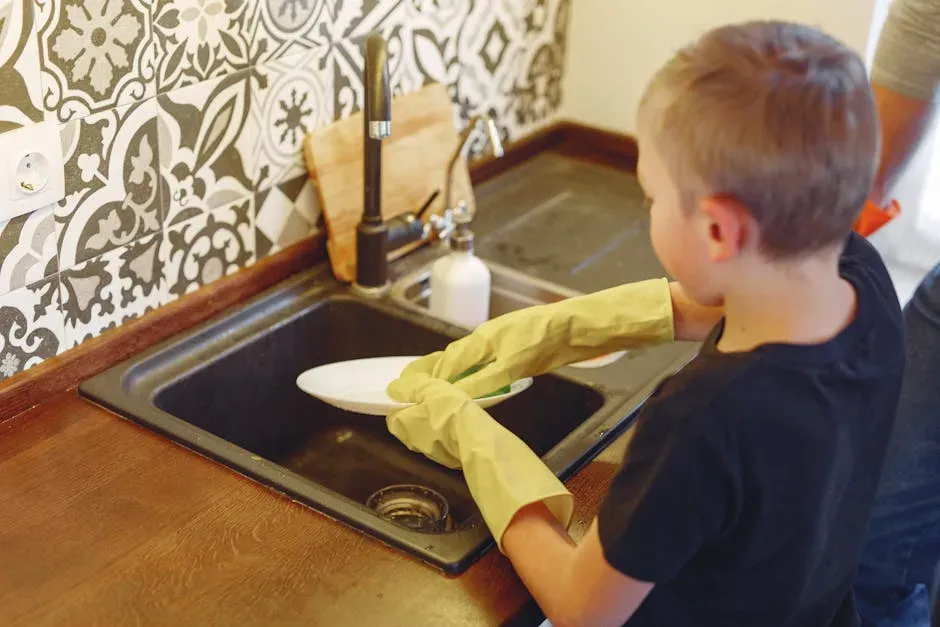
3. Hovering During Independent Tasks (Image Credits: Pexels)
Research led by Stanford education professor Jelena Obradović finds that too much parental involvement when children are focused on an activity can undermine behavioral development. Children who are already engaged don’t need extra input, even when it comes from a caring place.
Researchers found a correlation between high levels of parent involvement when a child is focused on a task and children’s difficulties with self-regulation and other behaviors, especially for children’s emotional executive functions. Too much direct engagement can come at a cost to kids’ abilities to control their own attention, behavior, and emotions. When parents let kids take the lead in their interactions, children practice self-regulation skills and build independence.
4. Comparing Them to Siblings or Peers

4. Comparing Them to Siblings or Peers (Image Credits: Pexels)
Regularly comparing a child to siblings or peers may foster resentment and lower self-esteem rather than motivation. It’s one of those habits that feels like encouragement from the outside but registers as something closer to a verdict on the inside.
A child who is always compared starts believing love is a contest. That script follows them into friendships, relationships, and even their own parenting one day. The better alternative, according to psychologists, is comparing a child to their own past self, acknowledging growth rather than ranking them against others.
5. Excessive Person-Focused Praise

5. Excessive Person-Focused Praise (Image Credits: Unsplash)
Many parents instinctively offer praise as a way to encourage their children, often using general affirmations like “You’re so smart!” While well-intentioned, this common habit is being re-evaluated in light of research showing that excessive or misdirected praise can have unintended negative consequences.
A crucial distinction exists between praising a child’s inherent traits and praising their effort, strategies, or the process they engaged in. Research indicates that person praise can be detrimental, while process praise is more beneficial. Kids who are repeatedly told they’re naturally smart often become more afraid of failure, not less, because they feel they have a fixed identity to protect.
6. Forcing Them to Eat Everything on Their Plate

6. Forcing Them to Eat Everything on Their Plate (Image Credits: Unsplash)
One of the most persistent yet detrimental outdated practices is forcing children to eat, pressuring them to finish every morsel on their plate, or using food as a bribe, reward, or punishment. These are all forms of controlling feeding practices, where the caregiver’s agenda and dominance take precedence over the child’s internal cues and autonomy.
Food should not be used as a reward for good behavior, a punishment for misbehavior, or a tool to control a child’s negative emotions. Children who are regularly pressured at the table often develop complicated relationships with food that can persist well into adulthood. Letting kids follow their own hunger cues builds far healthier long-term habits than any clean-plate rule ever could.
7. Parental Phone Use During Together Time

7. Parental Phone Use During Together Time (Image Credits: Unsplash)
The phenomenon of “parental phubbing,” defined as parents ignoring their children in favor of mobile devices, is scrutinized for its potential impact on child well-being. In today’s digital age, especially in the aftermath of the pandemic, this behavior has become alarmingly pervasive, raising profound concerns about its detrimental impact on children’s psychological and emotional well-being.
Parental phubbing may seem minor or unintentional, but research shows it can have serious psychological consequences. It affects everything from a child’s emotional well-being to their ability to connect with others and succeed in school. Children notice when a screen gets more attention than they do, and the message they quietly absorb is one of low priority.
8. Using Harsh or Critical Language

8. Using Harsh or Critical Language (Image Credits: Gallery Image)
Harsh parenting is defined as regularly engaging in negative coercive behaviors; it can include yelling, name-calling, hitting, criticizing, shaming, and isolating children. A large body of research demonstrates that harsh parenting is bad for kids. Even in milder, non-physical forms, the repeated use of critical or dismissive language takes a toll.
Children with moderately or very harsh parents were less able to regulate their emotions, experienced lower levels of self-esteem, and were less likely to help others compared to children whose parents were not harsh. Occasional yelling does not automatically make someone a bad parent, but frequent yelling can damage a child’s emotional well-being and create fear or insecurity. Consistent, respectful communication is a healthier and more effective approach.
9. Overscheduling and Pushing Early Achievement

9. Overscheduling and Pushing Early Achievement (Image Credits: Pexels)
The pressure for early achievement has reached concerning levels in modern parenting. Parents increasingly push children toward accelerated development milestones, often at the expense of crucial developmental stages. This trend has led to rising anxiety levels among young children and strained family relationships.
Pressuring children to meet excessively high standards, academically, socially, or athletically, can create chronic stress and fear of failure. Unstructured time is not wasted time. Unstructured play “encourages parents to step back and let children explore and imagine on their own terms,” and experts widely regard it as essential to healthy development, not an optional bonus.
10. Inconsistent Rules and Follow-Through

10. Inconsistent Rules and Follow-Through (Image Credits: Pexels)
Unpredictable rules and consequences often create confusion and insecurity. Consistency provides children with a sense of safety and structure. Kids may seem like they’re pushing back against rules, but they actually rely on predictable boundaries to feel secure.
Parents may encourage child noncompliance or defiance by giving in or failing to follow through with their commands. When parents repeatedly threaten consequences that never materialize, children learn to tune out instructions entirely. When children and adolescents have clear rules and boundaries supported by fair outcomes and consequences that parents follow through on consistently, they’re more likely to follow those rules.
11. Posting Their Lives on Social Media Without Permission

11. Posting Their Lives on Social Media Without Permission (Image Credits: Unsplash)
As one expert noted, “We live in a world where everything can easily be shared online, but that doesn’t mean it should be shared.” Children have little control over their digital presence, and letting them decide what moments feel okay to share can help them feel safer and more in control.
It may seem harmless to post cute moments of kids online, but it can create issues around their sense of self. Sharenting often comes from a place where parents need external validation or approval. Still, it’s important to respect a child’s privacy and autonomy and to make sure that they feel valued for who they are and not just how they can be showcased. Older children and teenagers, in particular, are often deeply uncomfortable with having their private moments made public without being asked.
12. Emotionally Distant Presence

12. Emotionally Distant Presence (Image Credits: Unsplash)
Parents who are physically present but emotionally distant can unintentionally leave children feeling unsupported. Emotional responsiveness is critical for secure attachment. Being in the same room is not the same as being genuinely available, and children feel the difference immediately.
Communication, compassion, and understanding in parenting is associated with positive behavioral and mental health outcomes for children and adolescents. Psychological research underscores that children thrive in environments where they feel heard, supported, and valued beyond achievement. It isn’t about being a perfect parent every moment. It’s about the general emotional climate children wake up to every day, and whether it feels warm enough to be honest in.
None of these habits makes someone a bad parent. Most are deeply familiar, passed down through generations or absorbed from the culture around us. Research in developmental psychology consistently shows that certain recurring attitudes and patterns can increase the likelihood of anxiety, low self-esteem, and reduced life satisfaction in children, though experts stress that awareness, not blame, is the goal, as small shifts in parenting behavior can produce meaningful improvements in a child’s happiness and resilience. Awareness is usually where the shift begins.