
Most of us have a closet or storage room that feels less like organized space and more like a time capsule. Old receipts, mystery cables, clothes that haven't fit in a decade. The truth is, a lot of what gets tucked away "just in case" never actually gets used again, and holding onto it can quietly cost more than the space it takes up.
Here's a closer look at twelve common culprits that tend to pile up without ever earning their spot back in daily life.
1. Expired or Long Unused Medications

1. Expired or Long Unused Medications (Image Credits: Pexels)
Medicine cabinets and storage bins often hide bottles of pills that expired years ago, sometimes tucked behind newer ones so they’re forgotten entirely. The FDA has noted that most medications lose potency and can become chemically unstable well past their labeled expiration date, which means they may not work as intended when actually needed.
Beyond effectiveness, expired medications sitting around create real safety risks, especially in homes with children or pets who might mistake pills for candy. Many pharmacies and police stations now offer drug take-back programs specifically so these can be disposed of safely rather than tossed in the trash or flushed, which can contaminate water systems.
2. Duplicate or Broken Electronics Chargers
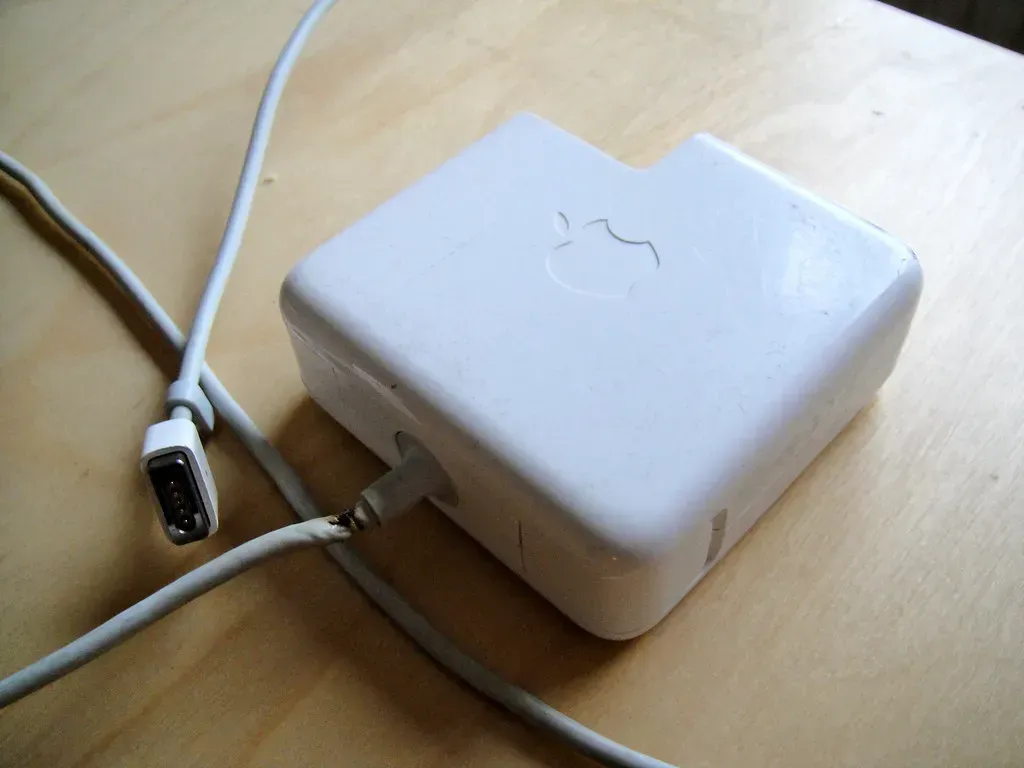
2. Duplicate or Broken Electronics Chargers (hildgrim, Flickr, <a href="https://creativecommons.org/licenses/by-sa/2.0/" target="_blank" rel="noopener">CC BY-SA 2.0</a>)
Nearly every storage room has a tangled nest of chargers, most of which belong to devices that were replaced or discarded years ago. Even chargers still technically compatible often get skipped over because newer, faster charging standards like USB-C have largely replaced older micro-USB cables since the mid-2020s.
Keeping a small labeled set for current devices makes sense, but drawers full of unidentified cords rarely get used again. Many electronics retailers and municipal recycling centers accept old cables and chargers for proper e-waste recycling, which keeps them out of landfills where they can leach heavy metals.
3. Worn-Out or Ill-Fitting Shoes
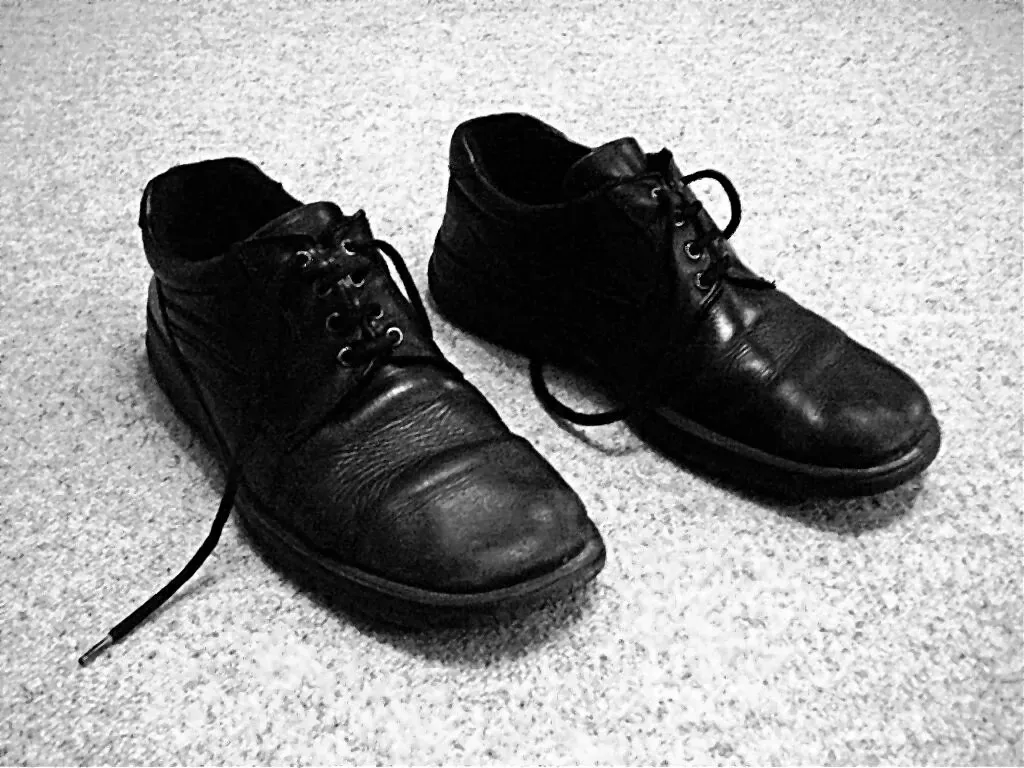
3. Worn-Out or Ill-Fitting Shoes (Uwe Hermann, Flickr, <a href="https://creativecommons.org/licenses/by-sa/2.0/" target="_blank" rel="noopener">CC BY-SA 2.0</a>)
Shoes that no longer fit properly or have visibly worn soles tend to linger in closets far longer than they should, often because people assume they’ll “break them in again” or find a use for them. Podiatrists frequently point out that shoes with compressed cushioning or uneven wear patterns can actually contribute to foot and joint pain if worn regularly.
Unlike clothing, shoes are harder to repurpose once they’ve lost structural support, so donation is only appropriate if they’re still in wearable condition. Many shoe brands, including Nike’s Reuse-A-Shoe program, accept old athletic shoes specifically for recycling into materials used in playgrounds and sports surfaces.
4. Old Paint Cans
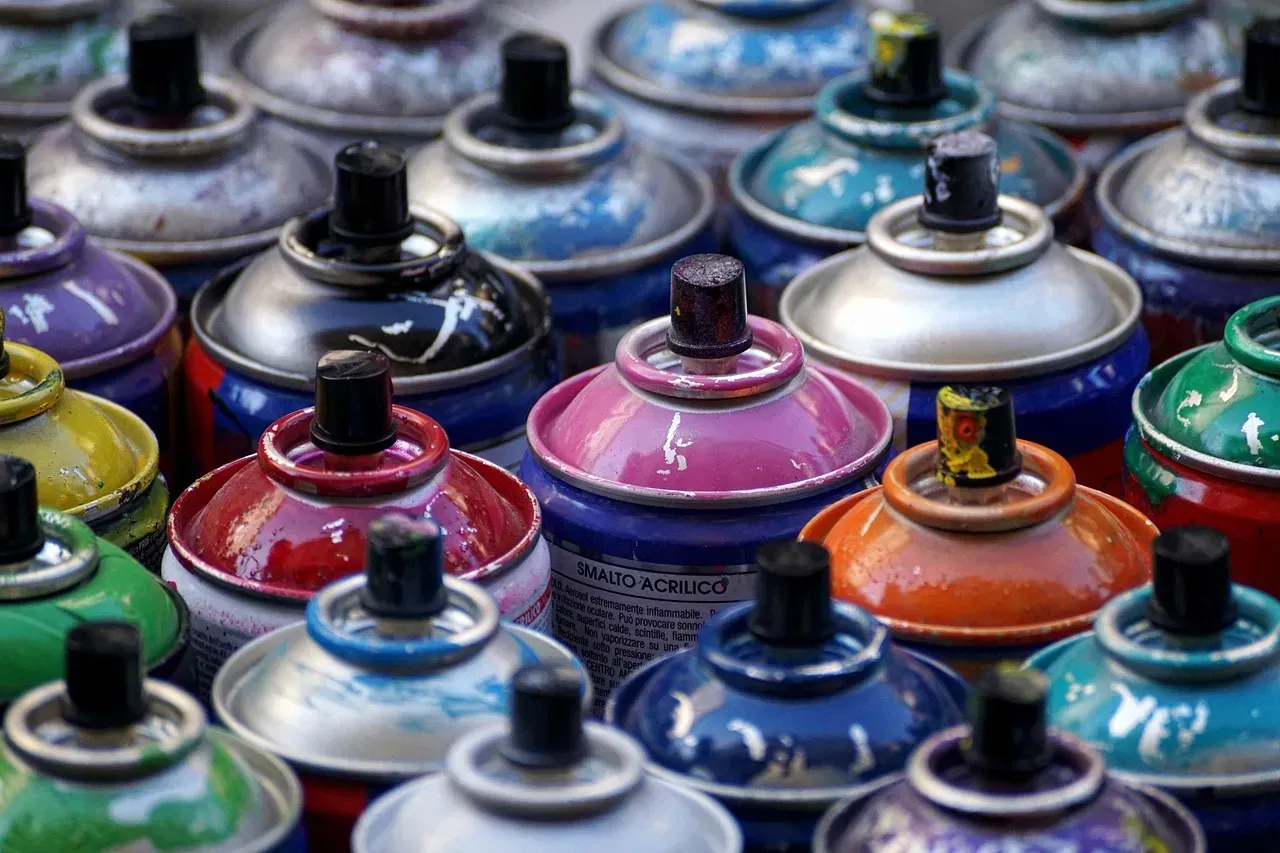
4. Old Paint Cans (Image Credits: Pixabay)
Half-used paint cans often sit in storage rooms for years under the assumption they might be needed for a future touch-up. In reality, paint has a shelf life, typically two to ten years depending on the type, and once it separates, dries out, or develops a strong odor, it’s no longer usable for its intended purpose.
Latex and water-based paints can sometimes be dried out and disposed of with household trash in certain municipalities, but oil-based paints are usually classified as household hazardous waste. Many local waste management programs now offer specific paint drop-off days or facilities, since improperly discarded paint can contaminate soil and groundwater.
5. Outdated Tax Documents and Paperwork

5. Outdated Tax Documents and Paperwork (Image Credits: Pexels)
Filing cabinets and storage boxes tend to accumulate tax returns, pay stubs, and receipts well beyond what’s actually necessary to keep. The IRS generally recommends keeping tax records for three years from the filing date, though it suggests up to seven years in specific situations involving unreported income or bad debt deductions.
Anything older than that window is typically safe to shred, particularly given how much of this documentation is now stored digitally by employers, banks, and the IRS itself. Shredding rather than simply discarding matters here, since old paperwork often contains Social Security numbers and account details that remain useful to identity thieves for years.
6. Single-Use Plastic Bags and Containers
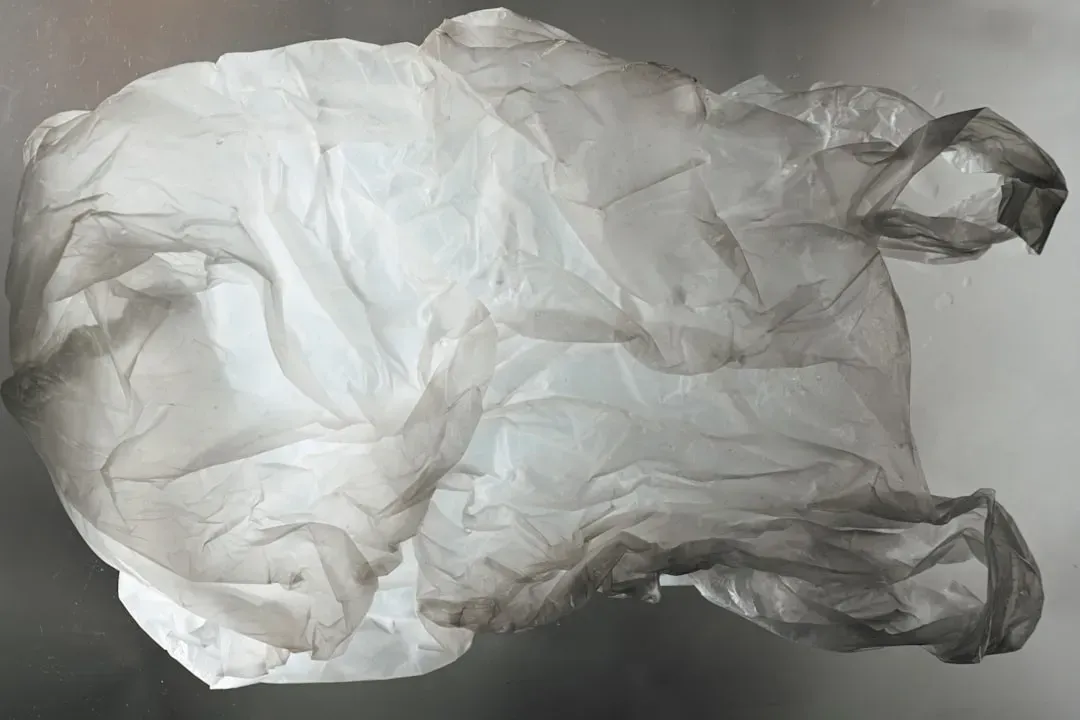
6. Single-Use Plastic Bags and Containers (Image Credits: Unsplash)
Grocery bags stuffed inside other grocery bags, along with mismatched plastic containers missing their lids, are a near-universal storage room feature. While the instinct to reuse them is reasonable, most households accumulate far more than they could ever practically use again.
Many grocery store chains and retailers now have plastic bag recycling bins near their entrances, which is a better option than letting hundreds pile up in a drawer or bin. Containers that are stained, warped, or missing lids are generally not worth keeping, since they’re rarely functional for food storage anyway.
7. Broken or Incomplete Small Appliances
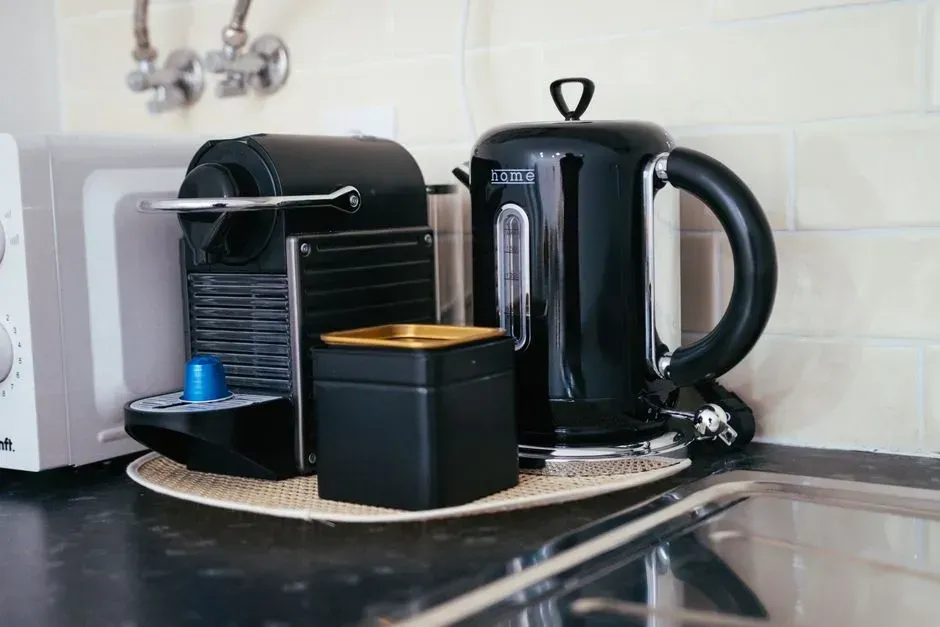
7. Broken or Incomplete Small Appliances (Image Credits: Pexels)
Blenders that stopped working, toasters missing a tray, and mixers with broken attachments often get shelved with vague plans for repair that never materialize. Small appliance repair has become less common as replacement parts grow harder to find and cheaper models make fixing older units less cost-effective.
If an appliance hasn’t been repaired within a reasonable window, usually a matter of months, it’s unlikely to happen. Many communities now host repair cafes or e-waste collection events specifically for small appliances, which is a more responsible option than letting them take up permanent shelf space.
8. Old Phone Books and Printed Directories
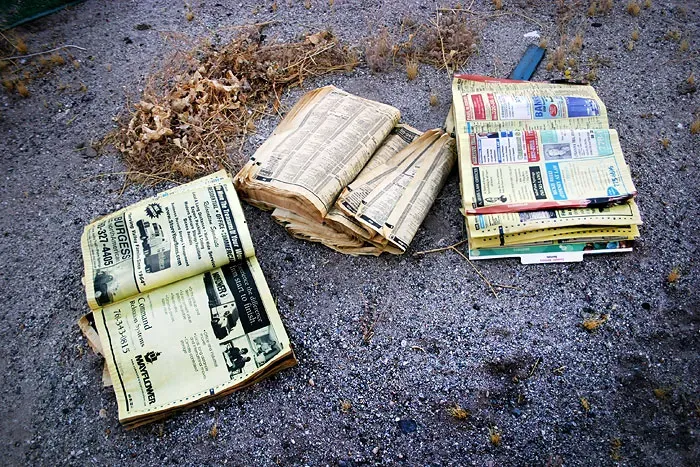
8. Old Phone Books and Printed Directories (Image Credits: By Gentle, <a href="https://commons.wikimedia.org/w/index.php?curid=10847169" target="_blank" rel="noopener">CC BY-SA 3.0</a>)
Phone books and printed local directories were once a household staple, but they’ve become almost entirely obsolete with the rise of online search and mapping tools. Many phone companies stopped mass-distributing residential directories years ago as digital alternatives became the norm.
Despite this, plenty of storage rooms still hold stacks of these directories, sometimes going back a decade or more. They’re recyclable as paper waste in most municipal programs, and keeping them offers no practical benefit given how quickly the listed information becomes outdated.
9. Unused Craft Supplies and Hobby Materials
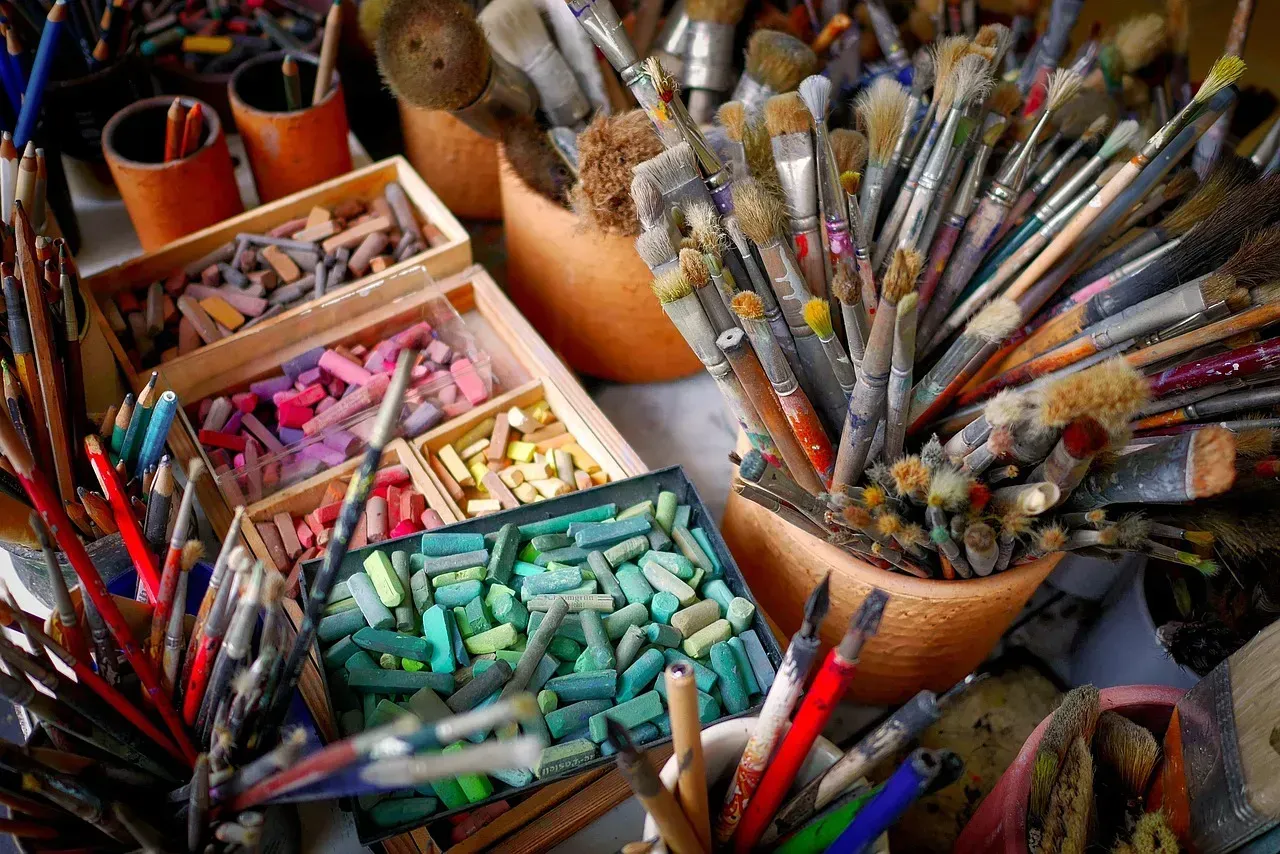
9. Unused Craft Supplies and Hobby Materials (Image Credits: Gallery Image)
Craft closets frequently hold half-finished projects, unopened fabric, and supplies bought for hobbies that were tried once and abandoned. This is a common pattern noted by professional organizers, who often point out that hobby-related clutter tends to accumulate because people feel guilty discarding materials they paid for.
Donating unused craft supplies to schools, community centers, or local art programs is often a better outcome than letting them sit unused indefinitely. Organizations like Goodwill and specialized nonprofits focused on arts education frequently accept these donations in usable condition.
10. Old Cell Phones and Tablets
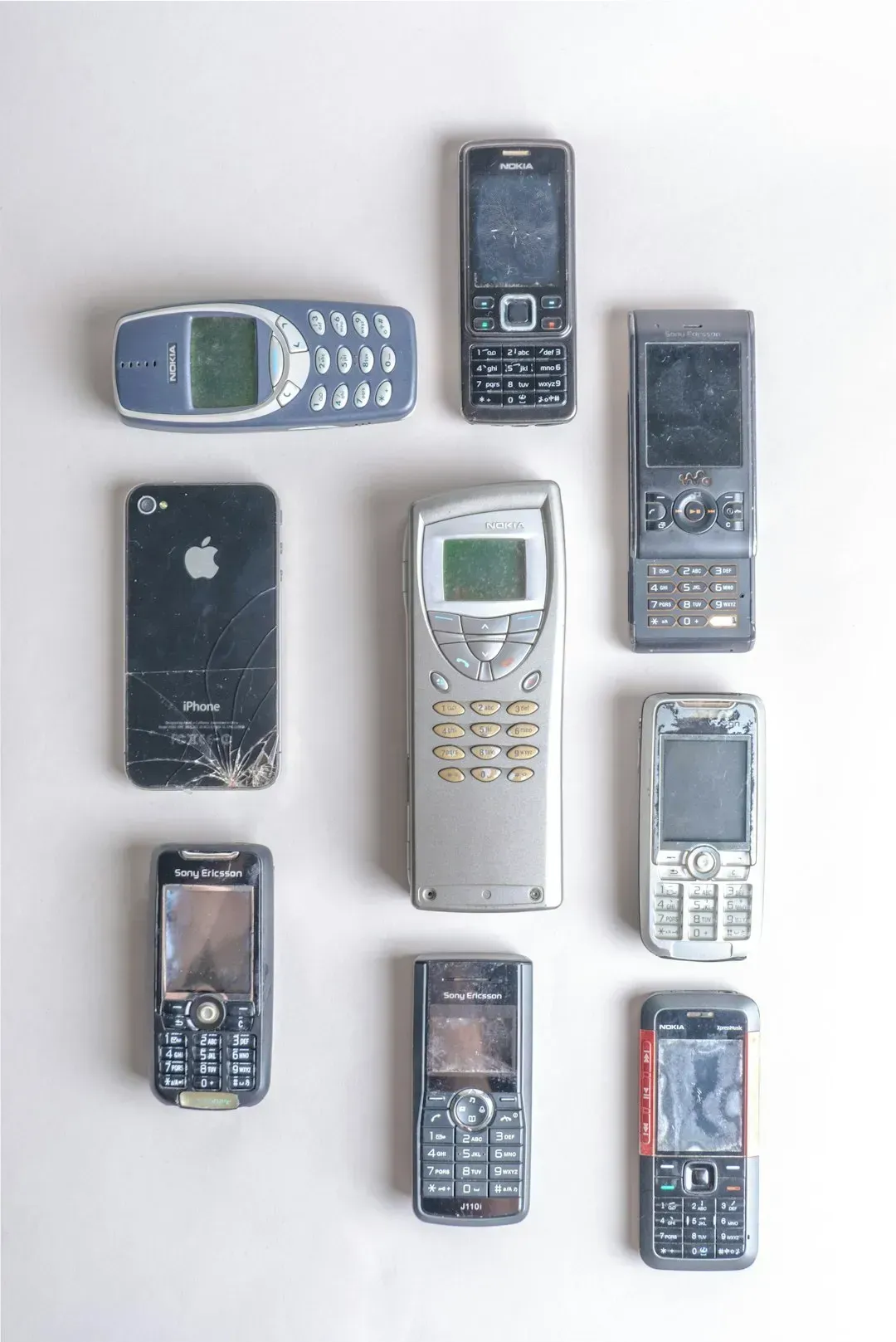
10. Old Cell Phones and Tablets (Image Credits: Unsplash)
Drawers full of outdated smartphones and tablets are extremely common, often kept as backups that never actually get used. Given how quickly mobile technology changes, devices more than a few years old typically can’t run current operating systems or apps reliably, making them impractical even as spares.
These devices contain valuable materials like gold, silver, and rare earth metals, which is why manufacturers including Apple and Samsung run dedicated trade-in and recycling programs. Beyond the environmental benefit, properly recycling old devices also ensures personal data is securely wiped rather than left sitting in storage indefinitely.
11. Expired Sunscreen and Cosmetics

11. Expired Sunscreen and Cosmetics (Image Credits: Unsplash)
Sunscreen, in particular, has a limited shelf life, and the FDA requires expiration dates on these products specifically because their active ingredients degrade over time. Using expired sunscreen means reduced protection against UV rays, which defeats the entire purpose of applying it in the first place.
Cosmetics like mascara, liquid eyeliner, and foundation also have realistic use windows, often just a matter of months once opened, due to bacterial growth risks. Storage rooms and bathroom cabinets often hold these products well past their useful life, and dermatologists generally recommend discarding rather than risking skin or eye irritation.
12. Holiday Decorations That Never Get Used
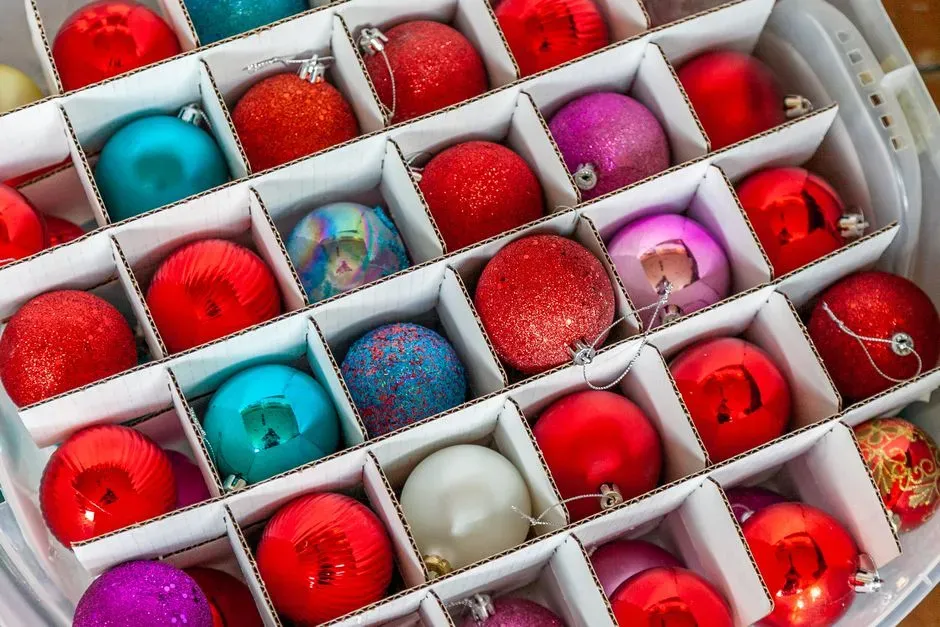
12. Holiday Decorations That Never Get Used (Image Credits: Pexels)
Every household seems to have at least one box of holiday decorations that hasn’t been opened in years, often duplicates or items that were replaced by newer favorites. These take up disproportionate space relative to how rarely they’re actually used, sometimes just once a year at most.
Decorations in good condition are excellent donation candidates for thrift stores or community organizations, particularly around the specific holiday season they’re meant for. Items that are broken, faded, or missing pieces, like strings of lights with dead sections, are generally not worth the storage space they occupy.
Clearing out these categories doesn’t require an all-or-nothing approach. Even tackling one or two areas at a time can free up meaningful space and reduce the mental clutter that comes with storing things indefinitely without a clear purpose.