
Table manners have a funny way of revealing more about a person than they might realize. It’s rarely the big, obvious blunders that catch people’s attention. Instead, it’s the small, almost automatic habits that quietly signal how someone was raised or whether they’ve ever thought about dining etiquette at all. These little slip-ups don’t necessarily mean someone is actually cheap, but they can leave that impression on servers, dates, and dinner companions alike.
Whether you’re at a business lunch, a first date, or a family gathering, these habits tend to stand out for the wrong reasons. Here are twelve everyday dinner table behaviors that might be quietly hurting how others perceive you.
1. Asking for a To-Go Box Before the Meal Is Even Over
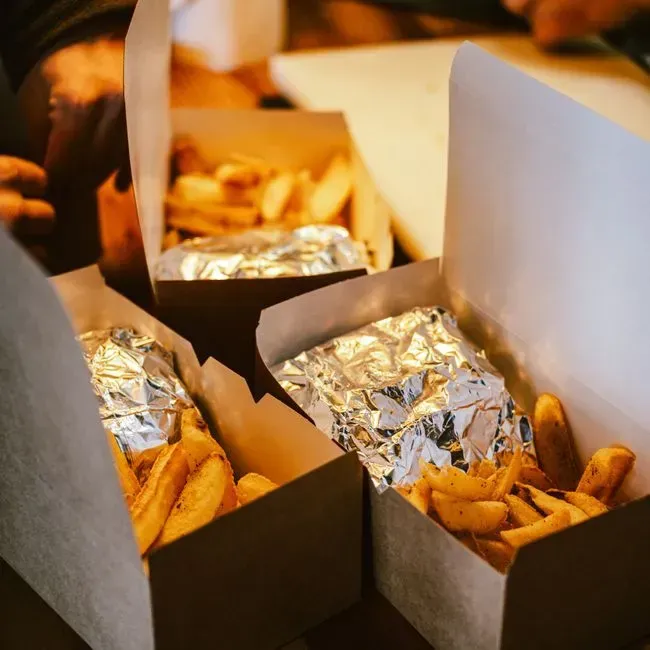
1. Asking for a To-Go Box Before the Meal Is Even Over (Image Credits: Pexels)
There’s a certain rhythm to a shared meal, and rushing to flag down the server for containers before everyone has finished eating disrupts it. It signals impatience and can make it seem like the priority is squeezing every last bit of value out of the plate rather than enjoying the company. Most etiquette guides suggest waiting until the table has collectively finished before boxing up leftovers.
This habit becomes especially noticeable on dates or with new acquaintances, where it can come across as though the meal itself was more important than the conversation. A little patience here goes a long way toward making the whole experience feel unhurried and gracious rather than transactional.
2. Splitting the Bill Down to the Penny

2. Splitting the Bill Down to the Penny (Image Credits: Unsplash)
Pulling out a calculator or a phone app to divide a group bill to the exact cent, including tax and tip adjustments for who ordered the cheaper appetizer, tends to make everyone at the table a little uncomfortable. It turns what should be a casual social moment into an accounting exercise. Most people would rather round up a few dollars than sit through a lengthy negotiation over shared nachos.
Group dining etiquette generally favors simplicity, splitting evenly or having one person cover the tab with an understanding that it will even out over time. Nitpicking every dollar suggests a level of financial anxiety that can feel out of place in a relaxed social setting, even if that’s not the intention.
3. Undertipping or Skipping the Tip Calculation Entirely

3. Undertipping or Skipping the Tip Calculation Entirely (Image Credits: Pexels)
Tipping norms in the United States remain a significant part of restaurant culture, and consistently tipping far below the standard range or leaving nothing at all sends a strong message about priorities. Many etiquette and hospitality experts note that a tip in the range of eighteen to twenty percent for full-service dining is the widely accepted baseline in most American cities. Falling well short of that without a legitimate reason, like genuinely poor service, tends to be noticed by both servers and dining companions.
People at the table often see the tip left behind, whether on a receipt or a cash tray, and it becomes a quiet marker of character. Skimping here, especially in front of others, can undo an otherwise pleasant evening in a single gesture.
4. Loading Up on Free Bread or Appetizers
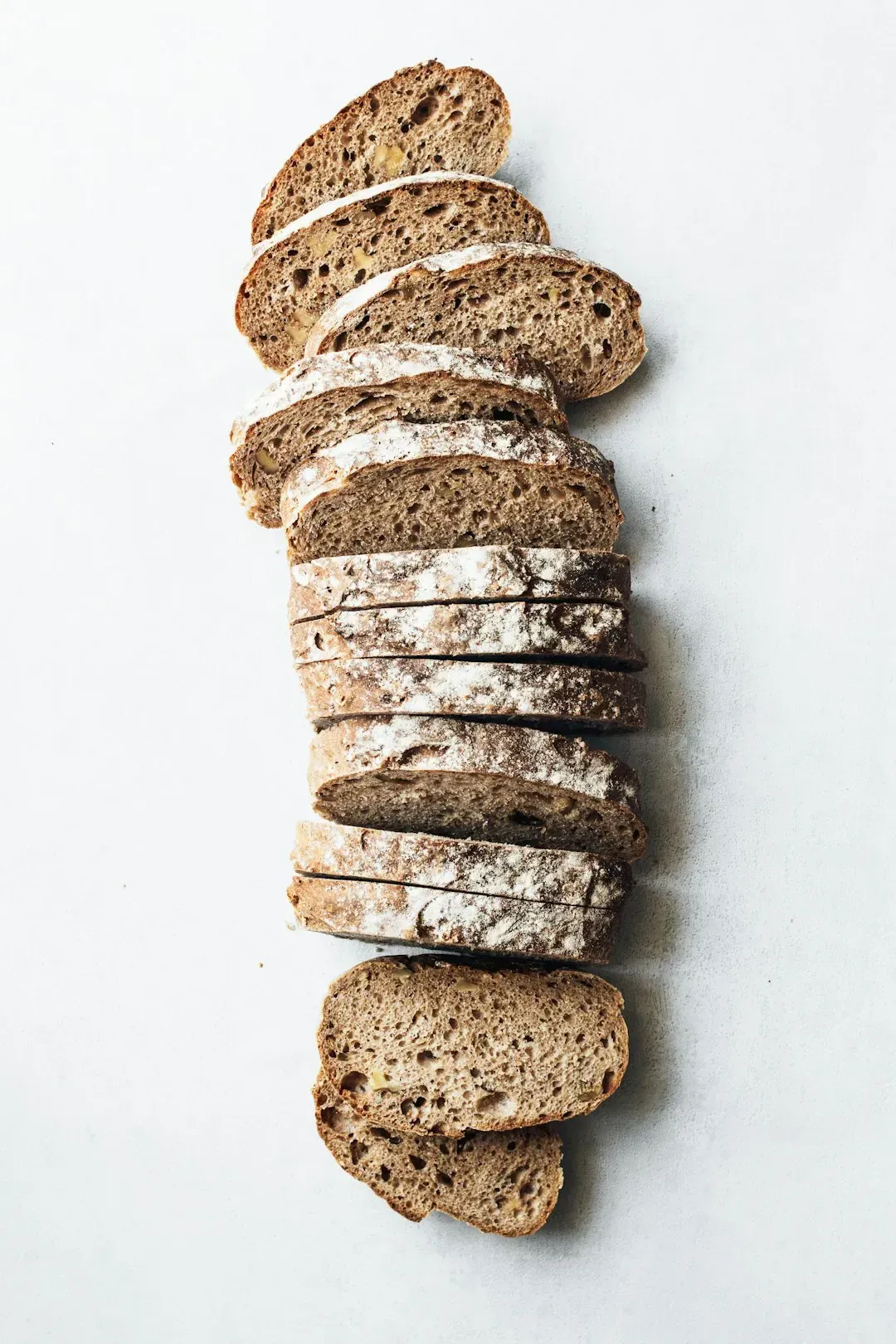
4. Loading Up on Free Bread or Appetizers (Image Credits: Unsplash)
Free bread baskets and complimentary starters are meant to be enjoyed, not treated as an all-you-can-eat opportunity before the main course arrives. Repeatedly flagging down staff for refills of bread, chips, or sauces, especially at a modest restaurant, can come across as trying to fill up on the free stuff to avoid ordering more. It’s a small habit, but it’s one that servers and dining companions tend to pick up on quickly.
There’s nothing wrong with enjoying what’s offered, but moderation matters. Treating a bread basket like a meal substitute rather than a pleasant accompaniment often reads as an attempt to stretch a budget in a way that feels a bit conspicuous.
5. Ordering Tap Water and Nothing Else, Repeatedly

5. Ordering Tap Water and Nothing Else, Repeatedly (Image Credits: Unsplash)
There’s nothing wrong with ordering water instead of alcohol or soda, plenty of people do it for health or budget reasons. The issue arises when it becomes a pattern paired with visible discomfort about the bill or pointed comments about how expensive drinks are. That combination tends to shift the vibe of the table toward financial stress rather than simple preference.
Choosing water is perfectly reasonable on its own. It’s the accompanying commentary, like sighing over drink prices or suggesting others should do the same to save money, that tends to make the choice feel less like a preference and more like a statement about frugality.
6. Reusing Napkins or Taking Extra Ones Home
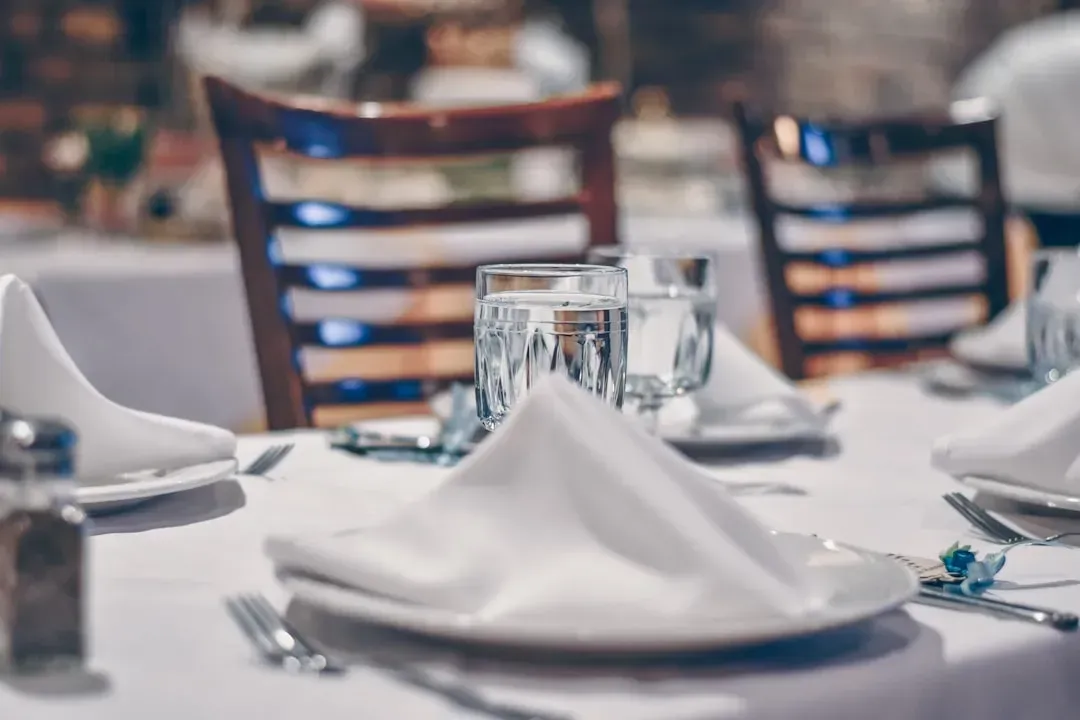
6. Reusing Napkins or Taking Extra Ones Home (Image Credits: Unsplash)
Grabbing a stack of napkins to stuff into a bag for later use, or refusing to take a fresh one when it’s clearly needed, is one of those habits that seems minor but rarely goes unnoticed. Napkins are a small, inexpensive part of the dining experience, and treating them like a scarce resource can come across as excessive frugality rather than practicality.
Restaurants generally expect a reasonable amount of napkin use per guest, and there’s no need to ration them. This particular habit tends to draw quiet attention from servers and dining companions alike, even if no one says anything out loud.
7. Complaining Loudly About Menu Prices
7. Complaining Loudly About Menu Prices (Image Credits: Unsplash)
Restaurant pricing has climbed noticeably in recent years, with menu prices rising alongside broader inflation trends that have affected food costs across the country. Even so, voicing frustration about prices at the table, especially in front of a server or guests who chose the restaurant, tends to create an awkward atmosphere. It shifts the focus from the meal and the company to a financial grievance that others can’t really do anything about.
If a restaurant is genuinely outside someone’s budget, the better approach is choosing a different venue ahead of time rather than airing complaints once seated. Vocal frustration over cost during the meal rarely reflects well, no matter how justified the underlying concern might be.
8. Ordering the Cheapest Item and Announcing It
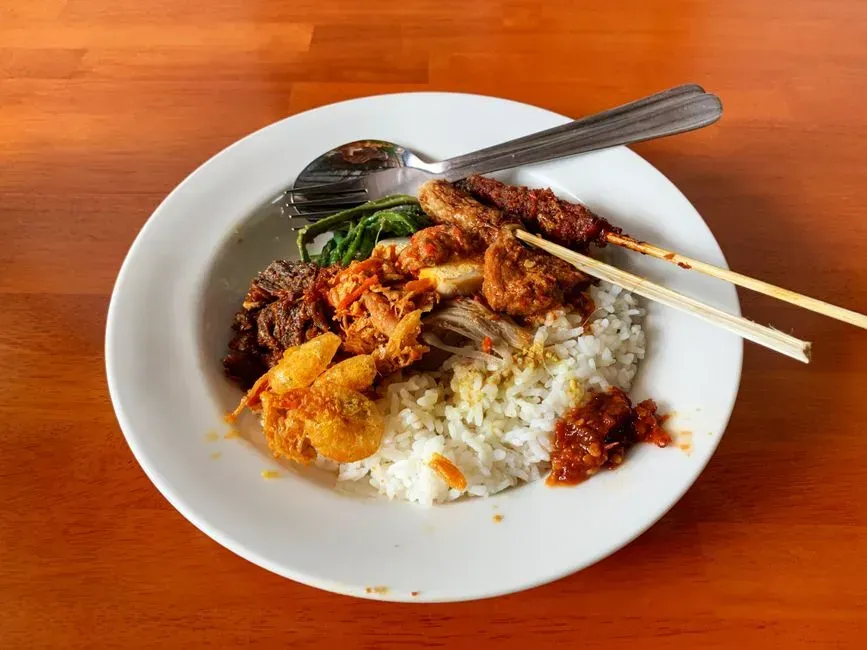
8. Ordering the Cheapest Item and Announcing It (Image Credits: Pexels)
There’s no shame in choosing a budget-friendly dish, plenty of people do it for health, dietary, or personal reasons. What tends to stand out is explicitly announcing the choice as the cheapest option on the menu, sometimes with a laugh or a comment about saving money. That kind of narration draws attention to the decision in a way that a quiet order never would.
Simply ordering what sounds appealing, without commentary on price, keeps the focus on the meal itself. Highlighting the cost of a dish out loud tends to make others at the table feel awkward, even if that wasn’t the intention behind the comment.
9. Pocketing Extra Condiment Packets or Sugar Packets
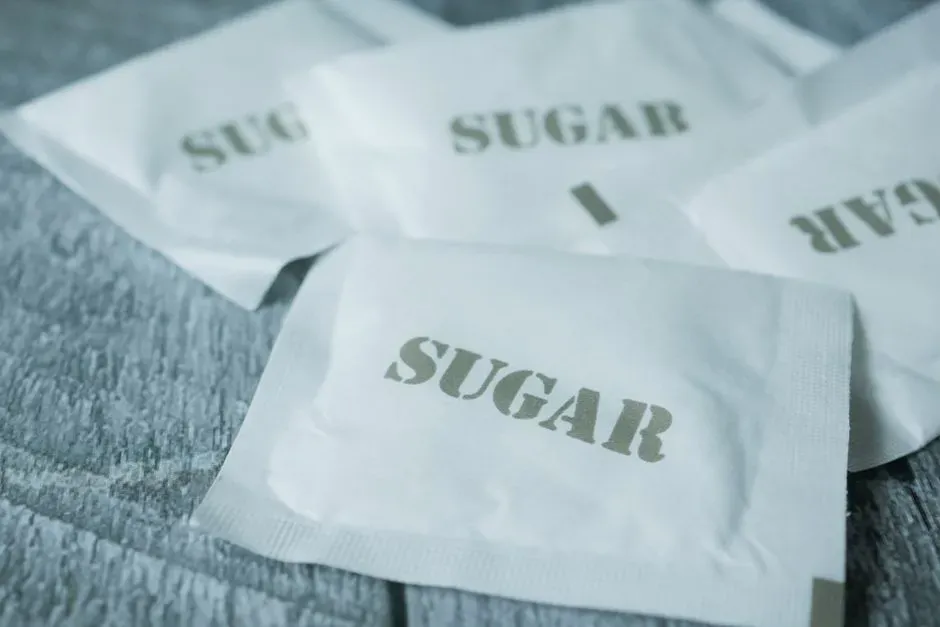
9. Pocketing Extra Condiment Packets or Sugar Packets (Image Credits: Pexels)
Slipping a handful of ketchup packets, sugar packets, or creamer cups into a bag or pocket for later use is a habit some people picked up years ago and never quite dropped. While a packet or two used during the meal is completely normal, systematically collecting extras to take home reads as an attempt to stockpile free items rather than simply enjoying a meal.
This habit is particularly noticeable when done openly at the table in front of guests or a date. It’s a small gesture, but it often leaves a lasting impression that outweighs its actual cost.
10. Ordering Tap Water for the Table Without Asking Others
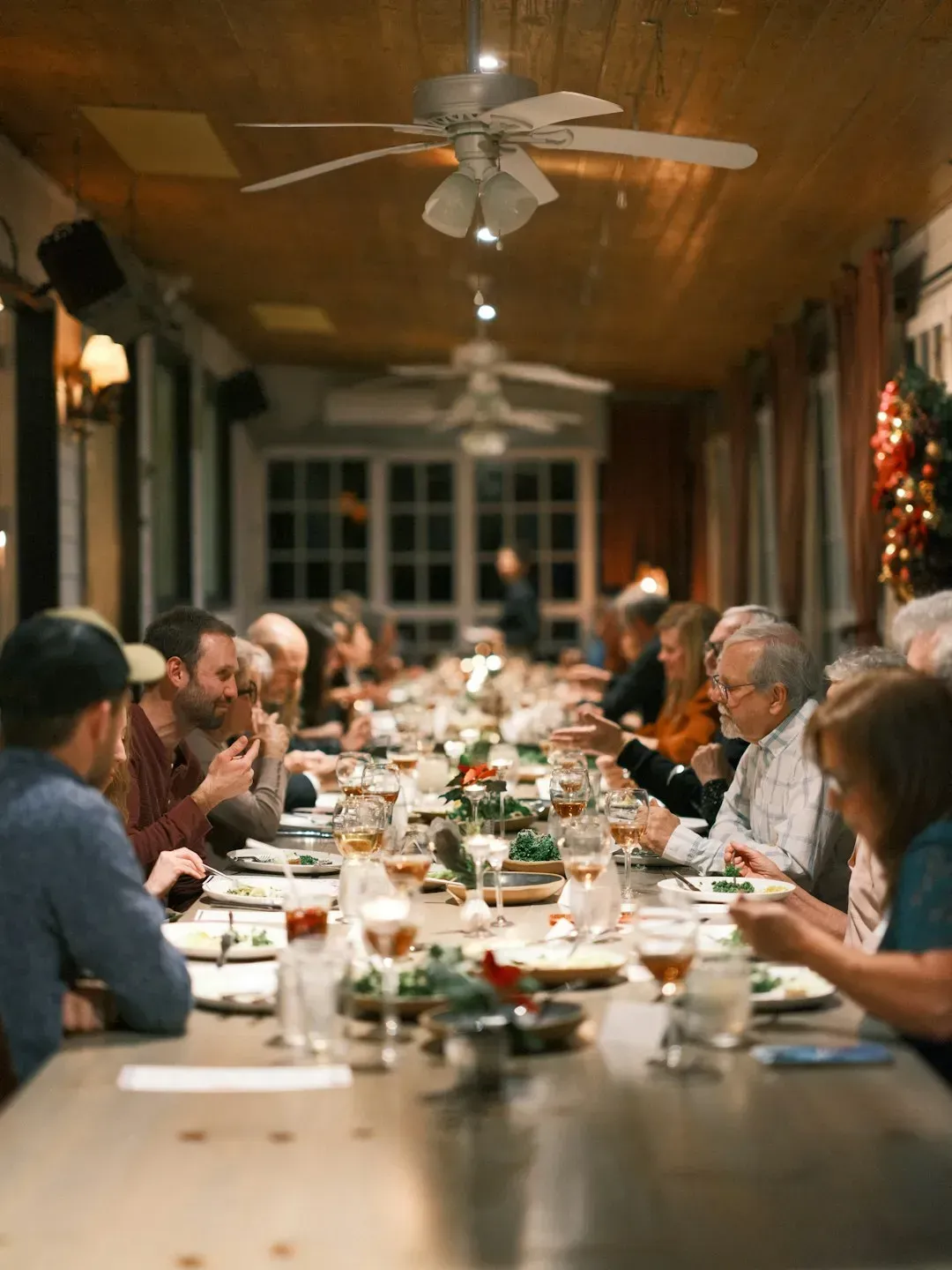
10. Ordering Tap Water for the Table Without Asking Others (Image Credits: Unsplash)
Taking it upon oneself to order tap water for the entire table before anyone else has had a chance to choose their own drink can come across as controlling group spending rather than genuinely accommodating preferences. It removes other guests’ ability to decide what they’d like, especially if some might have wanted a soda, coffee, or something else entirely.
Dining etiquette generally favors letting each guest order individually, particularly in group settings where preferences vary widely. Making unilateral decisions about what everyone drinks, especially when cost seems to be the underlying motivation, tends to be picked up on quickly by the rest of the table.
11. Skipping the Tip on Delivery or Takeout Orders
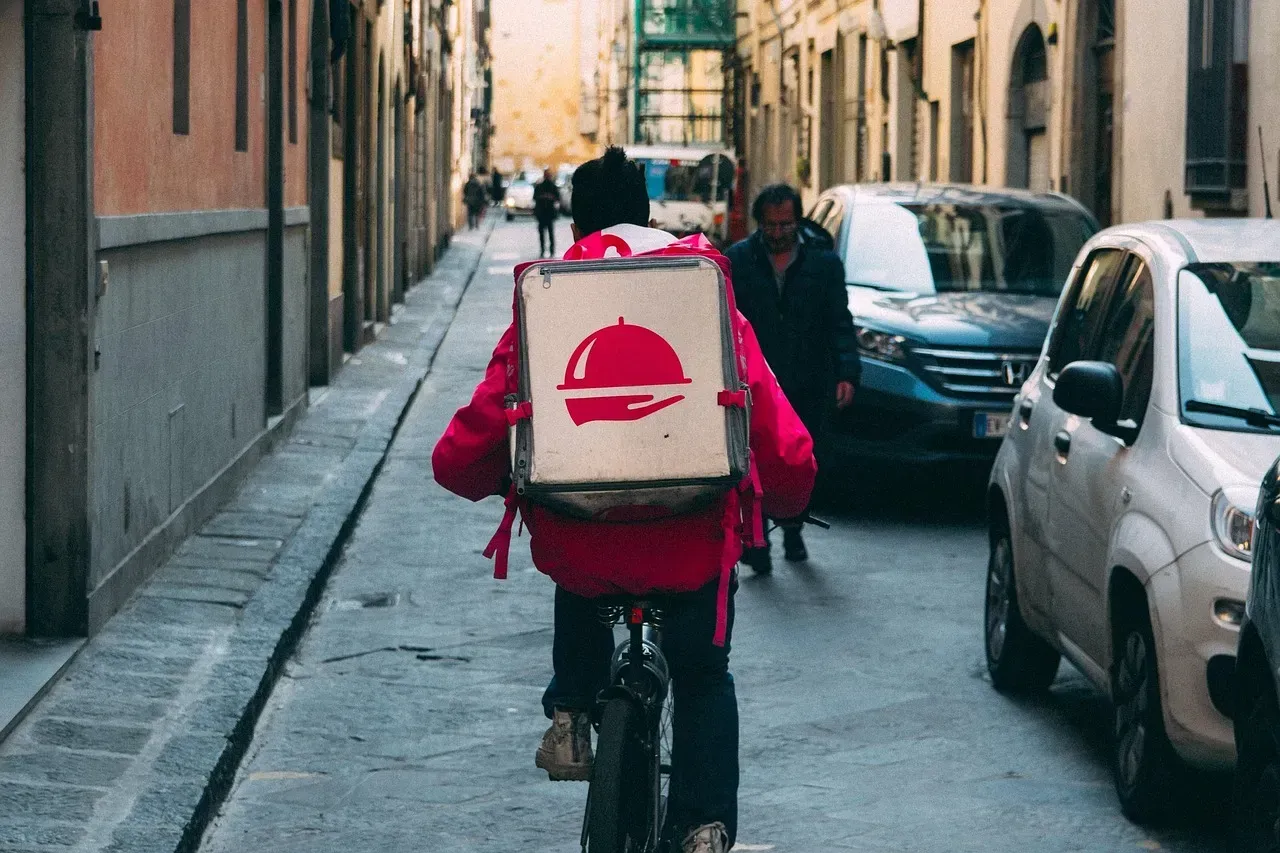
11. Skipping the Tip on Delivery or Takeout Orders (Image Credits: Pixabay)
Food delivery has become a massive part of dining culture, with third-party delivery platforms expanding rapidly across the country in recent years. Many people still treat delivery tipping as optional in a way they wouldn’t for a sit-down meal, but delivery drivers often rely heavily on tips as part of their overall earnings. Skipping the tip entirely on a delivery order, especially a large one, tends to be viewed unfavorably by anyone aware of how the gig delivery economy actually compensates workers.
This habit might not happen at a literal dinner table, but it’s closely tied to dining behavior and often reveals the same underlying instinct as undertipping in a restaurant. It’s one of those small choices that can shape how others view someone’s overall generosity.
12. Making a Scene Over Small Billing Errors
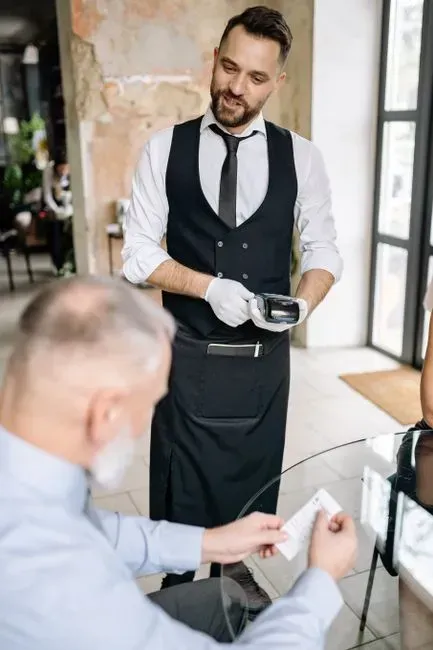
12. Making a Scene Over Small Billing Errors (Image Credits: Pexels)
Mistakes on a bill do happen, and it’s entirely reasonable to point them out politely. What tends to make an impression, and not a good one, is escalating a minor overcharge of a dollar or two into a loud, prolonged dispute at the table. This kind of reaction often says more about someone’s relationship with money than the actual error itself.
A calm, quiet word to the server usually resolves small discrepancies without drawing attention from the rest of the restaurant. Turning a minor billing hiccup into a dramatic confrontation tends to leave a much stronger impression than the few dollars involved would ever justify.
None of these habits are moral failings, and plenty of thoughtful, generous people occasionally slip into one or two of them without meaning anything by it. Still, dining out is as much about the shared experience as it is about the food, and small gestures of ease and generosity tend to leave a much warmer impression than habits that seem focused on saving every possible penny. A little awareness at the table can go a long way toward making meals feel like moments of connection rather than exercises in budgeting.