
Most of us carry at least one financial habit we’ve never really questioned. It just became part of the routine, quietly draining money month after month while more urgent things demanded attention. In 2026, that kind of passive spending is drawing sharper scrutiny from financial professionals who say the economic math simply no longer adds up for many common behaviors.
Although the rate of inflation has cooled since its peak, prices for basic goods and services have continued to rise, pinching the wallets of everyday Americans and derailing the financial goals many people set for themselves. With household budgets under genuine pressure, the habits that were once easy to brush aside are now the exact places financial experts say people should look first.
1. Carrying a Credit Card Balance Every Month
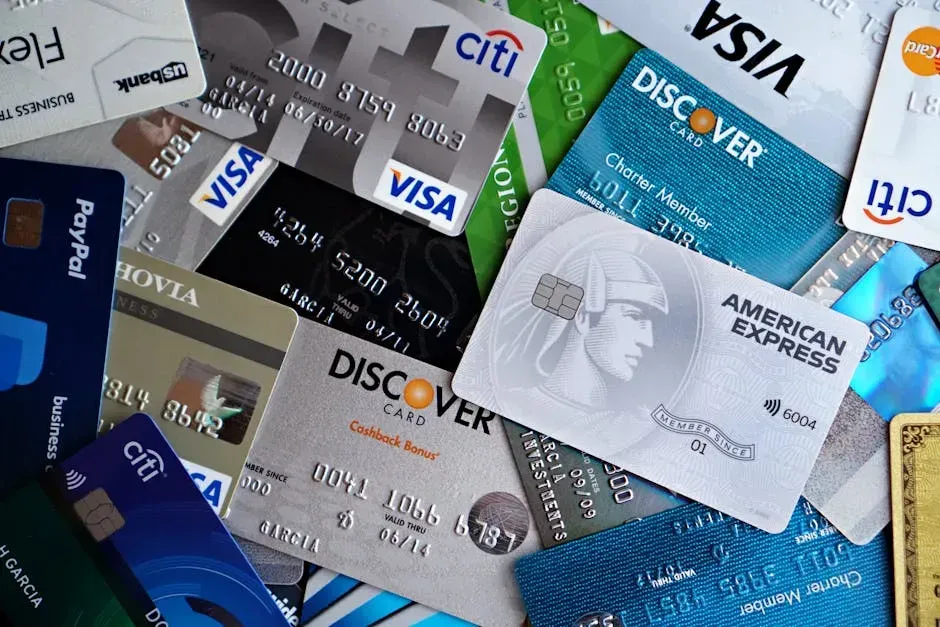
1. Carrying a Credit Card Balance Every Month (Image Credits: Pexels)
Americans’ total credit card balance stood at $1.252 trillion as of the first quarter of 2026, down from $1.277 trillion in Q4 2025, which had been the highest balance since the New York Fed began tracking this data in 1999. That’s a staggering pile of debt, and the interest attached to it makes the habit of carrying a balance one of the most expensive routines in personal finance.
The average APR across all credit cards in Q1 2026 was 21.00%, while cards actively accruing interest averaged 21.52%. Higher interest rates increase both the cost and duration of repayment. If someone carries $5,000 in debt and makes $200 monthly payments, that same balance can now cost significantly more in interest, often exceeding $2,000 depending on the APR, meaning borrowers stay in debt longer and pay substantially more for the same amount borrowed.
2. Paying for Subscriptions You've Forgotten About
2. Paying for Subscriptions You've Forgotten About (Image Credits: Unsplash)
The average American spends around $219 per month on subscriptions across more than eight active services, yet estimates only about $86 when asked to guess, creating a 2.5x perception gap. That disconnect alone makes forgotten subscriptions one of the most reliable drains on household budgets today.
Consumers waste an average of nearly $27 per month on unused paid subscriptions. In a MarketWatch survey, roughly one in five respondents admitted they didn’t know exactly how many subscriptions they were currently paying for. Financial advisors have increasingly begun recommending regular “subscription audits” as a basic hygiene practice, treating them the same way you’d review a monthly bank statement.
3. Reflexively Ordering Food Delivery Multiple Times a Week
3. Reflexively Ordering Food Delivery Multiple Times a Week (Image Credits: Pixabay)
Americans dine out for about one in five of their meals, with Gen Zers doing so even more frequently at roughly one in four. With the cost of food away from home edging up nearly four percent annually, people spend around $879 per month at restaurants on average, according to Empower Personal Dashboard data for the year ended August 2025.
Finance experts say repeated delivery spending can quietly become a major monthly expense for households already dealing with inflation. Delivery apps layer service fees, delivery fees, and tips on top of already elevated menu prices, which means a meal that costs $15 to cook at home can easily run $40 or more through an app. Some households say preparing food at home now feels more financially realistic than paying high delivery costs multiple times per week.
4. Lifestyle Inflation After a Pay Raise
4. Lifestyle Inflation After a Pay Raise (Image Credits: Unsplash)
Many people treat raises as permission to upgrade everything at once, from apartments to cars to weekend plans that suddenly feel deserved. Financial experts consistently warn that this mindset blocks long-term wealth because it prevents savings from growing at all, and people often convince themselves that small upgrades don’t matter, even though those upgrades stack quickly.
A nicer apartment means higher rent, higher utilities, and often a more expensive neighborhood filled with temptations. A newer car brings bigger monthly payments and higher insurance costs. Even dining habits shift, with more frequent outings and pricier menus becoming the norm instead of the exception. The trap is gradual: income rises, but so does every expense, and the distance between earnings and savings never really changes.
5. Using Buy Now, Pay Later for Everyday Purchases

5. Using Buy Now, Pay Later for Everyday Purchases (Image Credits: Unsplash)
Buy Now, Pay Later services remain popular across the United States in 2026, but financial experts say many Americans are becoming more cautious about using installment-payment apps for everyday shopping. While these services can help some consumers manage cash flow, experts say they may also encourage impulsive spending.
Finance analysts say consumers are becoming more aware of how small installment payments can quietly build into larger financial pressure over time. Digital payments, credit cards, and buy now, pay later products remove the natural “pain” of spending, making purchases feel easier than they actually are. When several of these installment plans stack up simultaneously across different retailers, the combined monthly obligation can become surprisingly difficult to track.
6. Stacking Multiple Streaming Services Without Rotating Them
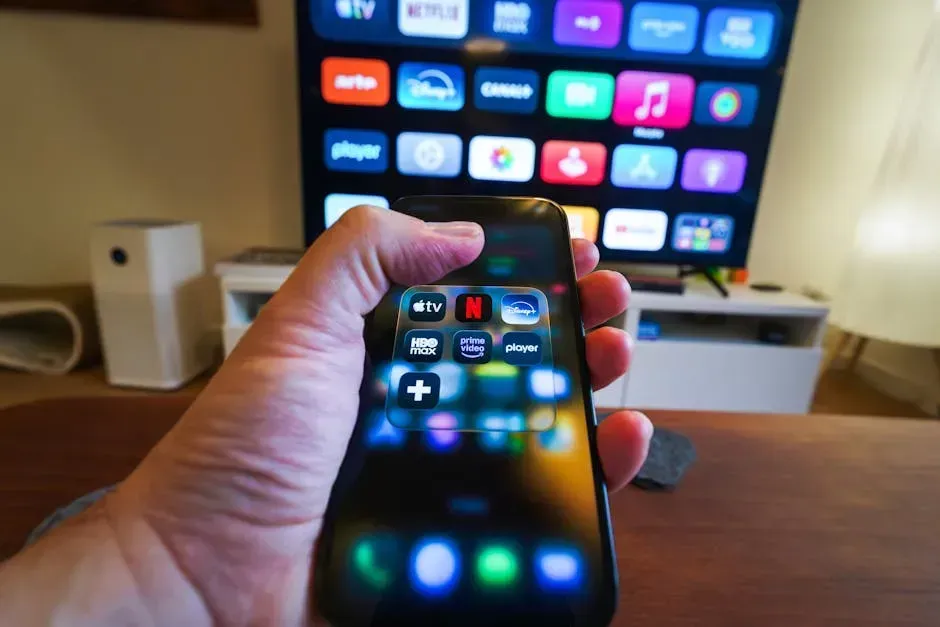
6. Stacking Multiple Streaming Services Without Rotating Them (Image Credits: Gallery Image)
According to Deloitte’s 2025 Digital Media Trends survey, the average American pays for four streaming services at a combined cost of $69 per month, a 13% year-over-year increase. That figure does not include music, gaming, fitness, software, or delivery subscriptions. For many households, the streaming bill alone has grown to rival a utility payment.
In Deloitte’s 2025 Digital Media Trends Survey of over 3,500 American consumers, 41% stated that the content available on streaming video services isn’t worth the price. Research indicates that consumers are increasingly unwilling to pay for all streaming services at once and are instead rotating subscriptions or canceling after watching a specific show or movie they were interested in. That approach, experts say, is increasingly the smarter financial move.
7. Spending Without a Budget in Place
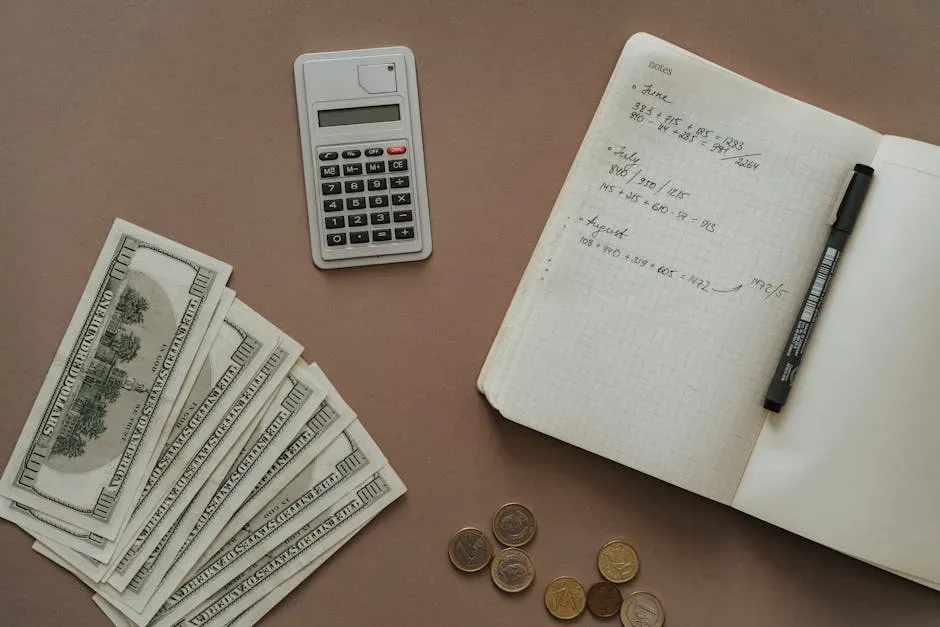
7. Spending Without a Budget in Place (Image Credits: Pexels)
Even in 2026, nearly half of people still don’t have a clear plan for their money. That’s a striking number given how much financial planning information is freely available today. The absence of a budget leads to blind spending, where money flows out faster than expected without any clear explanation, and financial experts point out that without a budget, even the best intentions fall apart.
A slim majority, about 53% of Americans, have set a budget for 2026, up from 46% in 2025. Progress, but still far from universal. Among those who do budget, the most common reason is simply to ensure they have enough money for essentials such as food, rent, and bills, cited by about two-thirds of those surveyed. Experts note that people who do budget tend to catch wasteful patterns much earlier than those who don’t.
8. Comparison-Driven Spending to Keep Up Socially

8. Comparison-Driven Spending to Keep Up Socially (Image Credits: Pexels)
Social pressure doesn’t always look obvious, but it shapes spending habits in powerful ways. People often adjust their lifestyle to match friends, coworkers, or online influences, even when those choices stretch their budget. Experts warn that comparison-driven spending creates a constant chase that never ends.
Dining out more frequently, taking expensive trips, or buying trendy items can feel necessary to “keep up,” but those habits rarely align with long-term goals. They create short-term satisfaction at the cost of financial progress. Over time, this pattern leads to frustration because the effort to maintain appearances never pays off. Social media has amplified this tendency significantly, making aspirational spending feel more normal than it actually is for most income levels.
9. Ignoring Premium Credit Card Annual Fees That No Longer Deliver Value

9. Ignoring Premium Credit Card Annual Fees That No Longer Deliver Value (Image Credits: Unsplash)
2025 was a big year for annual fee hikes on premium rewards cards. The American Express Platinum Card increased its fee from $695 to $895, and the Chase Sapphire Reserve annual fee increased from $550 to $795. These cards can still make sense for frequent travelers who actually use their benefits, but for anyone not maximizing the perks, the math gets blurry fast.
Financial experts suggest auditing your rewards just as you would audit your budget, checking for perks you may have forgotten about and evaluating whether new offers are actually worth the fee you’re paying. Many cardholders continue renewing premium cards out of habit rather than genuine value. In a year where every recurring cost deserves scrutiny, an unexamined $500-plus annual fee is hard to justify.
10. Spending on Wellness Subscriptions That Go Unused

10. Spending on Wellness Subscriptions That Go Unused (Image Credits: Pixabay)
The health and wellness sector has embraced subscriptions, with services such as Oura Ring, WHOOP, and ClassPass transforming biofeedback, sleep tracking, and fitness into recurring expenses. McKinsey’s 2025 Wellness Consumer Report estimates average monthly spending on wellness subscriptions at $91.
Hardware-dependent models like Oura and WHOOP often require ongoing subscriptions for full functionality despite significant upfront costs in the $300 to $400 range, creating a form of lock-in. This trend toward self-quantified subscriptions expands fixed household costs, potentially straining budgets amid rising essential expenses. A gym membership or fitness app only earns its cost when it’s actually used, and regularity is something many consumers overestimate when they sign up.
11. Tipping on Autopilot Without Evaluating the Service
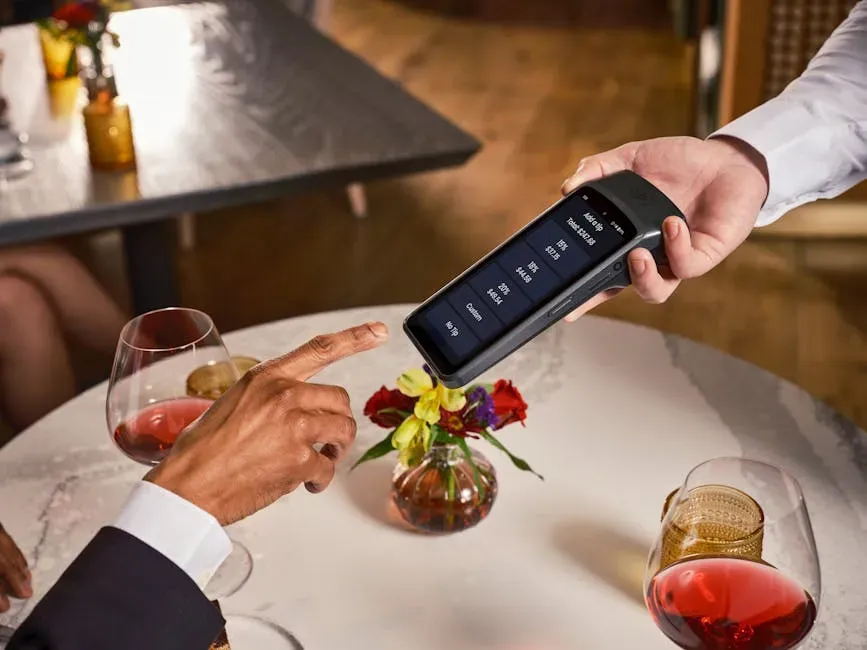
11. Tipping on Autopilot Without Evaluating the Service (Image Credits: Pexels)
A LendingTree survey found that about three in five Americans said they were tipping more as technology makes it easier to pay. When tipping digitally, nearly two-thirds of Americans leave a tip more than 10% higher than they would have left paying with cash, with digital tips averaging 15% higher overall. The pre-populated tip prompts on digital payment screens have quietly pushed average tip amounts upward across many contexts.
Notably, 66% of consumers said they felt pressured to tip “sometimes” or “always” when presented with the digital tip option. Financial experts aren’t suggesting people stop tipping service workers, but they do point out that reflexive tipping at high percentages for counter service or self-checkout pickup is a spending habit worth examining rather than automating. Most Americans, roughly two-thirds, report that inflation has already changed their tipping habits.
12. Delaying High-Interest Debt Repayment in Hopes of Rate Cuts

12. Delaying High-Interest Debt Repayment in Hopes of Rate Cuts (Image Credits: Pexels)
Credit card interest rates are high and will remain high for some time even if they drop slightly more than expected. If you’re carrying credit card debt, you aren’t likely to feel any less pressure on your budget as a result of small decreases in interest rates. Waiting for relief that doesn’t meaningfully arrive is a costly strategy when interest compounds daily.
The Federal Reserve cut its target rate three times in 2025 and has held rates steady so far in 2026. However, credit card issuers tend to raise rates quickly when the Fed hikes and reduce them slowly when the Fed cuts, a pattern consumer advocates call asymmetric repricing that benefits lenders at consumers’ expense. A household carrying the average amount in credit card debt at current interest rates pays roughly $2,476 in interest per year, money that could otherwise go toward savings, retirement, or paying down the principal itself.
What ties these twelve habits together isn’t recklessness. Most of them started as reasonable decisions made in different economic conditions. The problem is inertia: behaviors that made sense at one point tend to persist long after the circumstances that justified them have changed. In 2026, with costs elevated and interest rates still biting, the default habit is often the most expensive one.