
Walk into a baby boomer’s home and you’ll notice something almost immediately. Tucked beside the television, stacked on a shelf, or sitting quietly in the corner of the kitchen, there are objects that feel like they belong to a completely different era. Not broken, not forgotten, just… kept. Deliberately.
What we’re seeing isn’t just a spring-cleaning challenge for their kids. It’s a clash of generational values – preparedness versus convenience, tangible memories versus digital clouds – and it’s playing out in junk drawers and china cabinets across America. For Gen Z, raised on streaming, minimalism, and cloud storage, these items can seem genuinely baffling. Here are 12 of them.
1. The Landline Phone
1. The Landline Phone (Image Credits: Pexels)
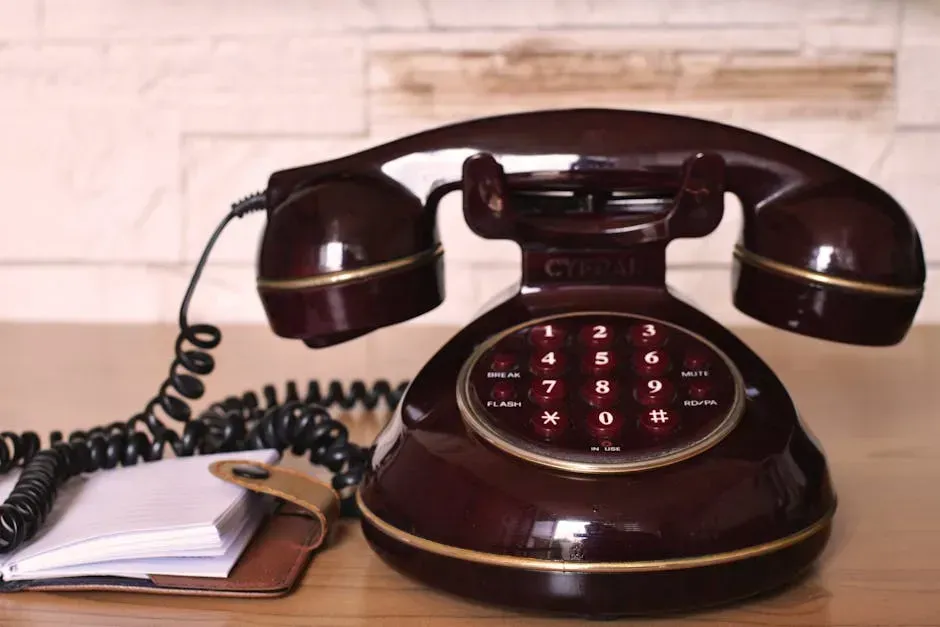
Remember when a phone was a place, not a person? That corded phone on the kitchen wall or the chunky handset by the bed was the communication hub for the entire family. For many boomers, it still is. For the rest of America, the landline is becoming a relic. According to data from the CDC, a staggering roughly three quarters of American adults now live in wireless-only households.
The generational divide is stark. While only about half of adults 65 and over have gone wireless-only, there’s less than a two-in-ten chance that someone aged 25 to 34 has a landline in their home. Some boomers say it’s about superior voice quality. Others argue it’s born out of habit, for emergency use, or even for sentimental reasons.
2. The China Cabinet
2. The China Cabinet (bnilsen, Flickr, <a href="https://creativecommons.org/licenses/by-sa/2.0/" target="_blank" rel="noopener">CC BY-SA 2.0</a>)
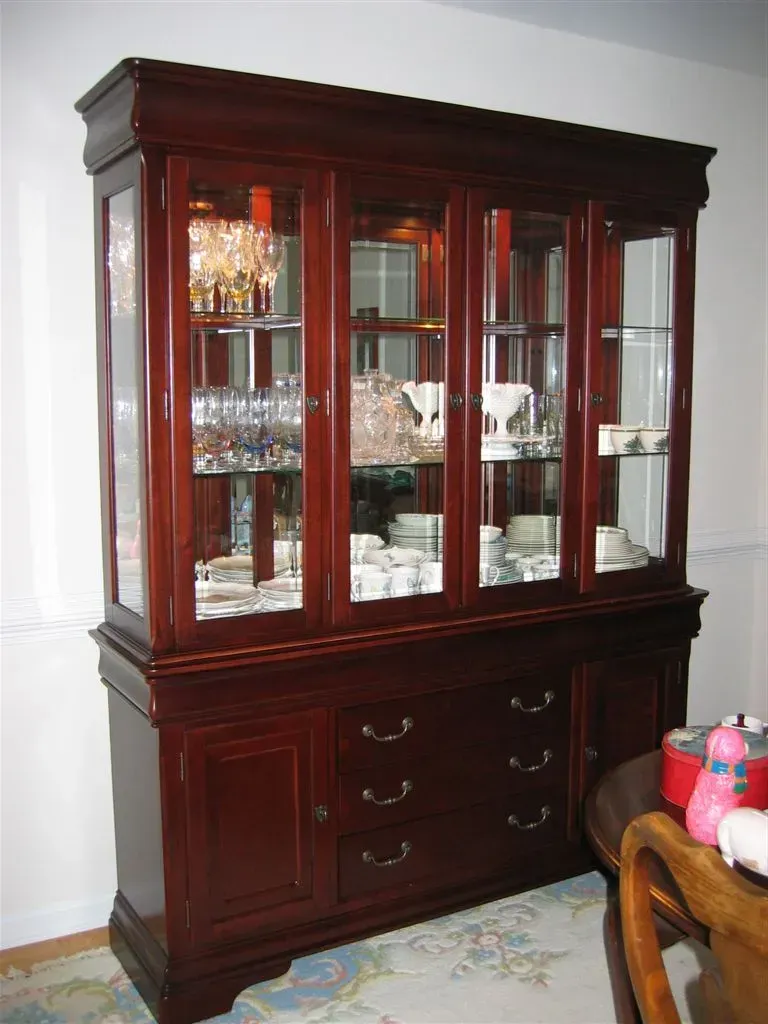
Many boomers have a china cabinet showcasing delicate porcelain, crystal, or ornate dinnerware – the “good china” reserved for holidays or special occasions. It looks beautiful, and for decades these sets were signs of hospitality and craftsmanship. Nowadays, these items are infrequently used, often stored away year after year.
According to wedding registry experts at The Knot, only roughly one in seven couples today are registering for formal table settings. Instead, they’re opting for stylish, durable, and practical dinnerware that can handle both a Tuesday night takeout and a Saturday dinner party. For boomers, the formal display cabinet represented arrival: you’d made it to a life stable enough to require special dishes for special occasions, substantial enough to dedicate an entire piece of furniture to storing items used three times a year.
3. The VHS Tape Collection
3. The VHS Tape Collection (Image Credits: Pexels)
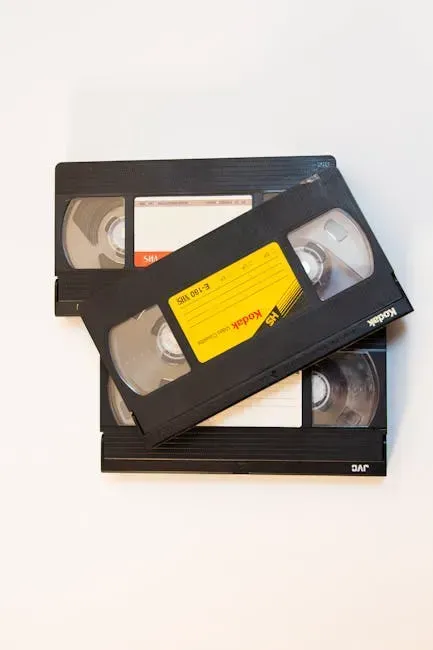
Even if the VCR doesn’t work anymore, the tapes remain – filled with old family videos, classic films, or TV specials taped off-air. Boomers keep them stored in boxes or media cabinets, hoping one day to digitize them. To younger people, they’re obsolete. To boomers, they’re personal history.
Boxes of VHS tapes – old movies, family home videos, TV specials, and possibly a VCR if it still works – are common treasures in many boomer households. They are more than just media; they are time capsules. The crackle of a tape, rewinding, waiting through commercials – all these were memory-laden experiences that digital streaming cannot replicate.
4. The Standalone Alarm Clock
4. The Standalone Alarm Clock (Image Credits: Unsplash)
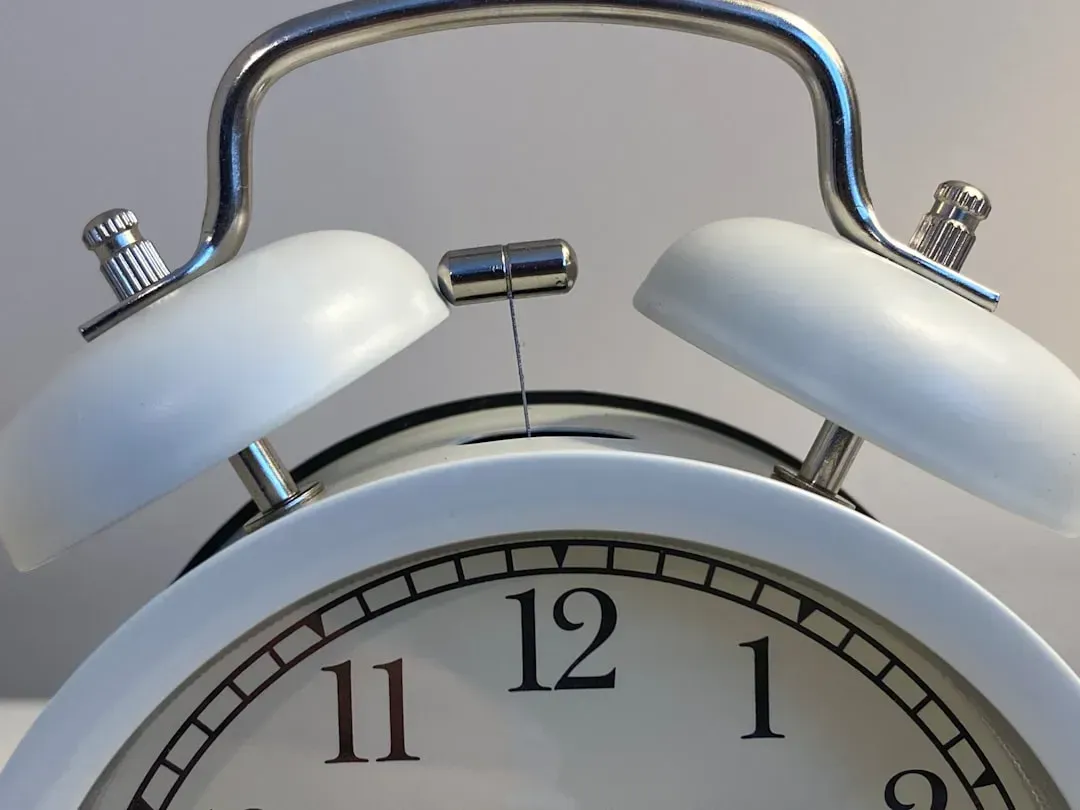
Before the smartphone became our everything-in-one life remote, a simple, single-purpose device sat on the nightstand: the alarm clock. Whether it was a digital model with glowing red numbers or an analog one that ticked loudly, its one job was to wake you up on time. Today, most of us are woken up by an app. For many boomers, the standalone alarm clock remains a trusted ally.
The glowing red digits of a bedside alarm clock still tick in many boomer bedrooms. They prefer separate devices – one for waking up, one for calling. Younger generations just set their phone alarm and call it a night, but boomers like keeping the old routines alive. There’s something to be said for a device that does exactly one thing and never needs a software update.
5. The Encyclopedia Set
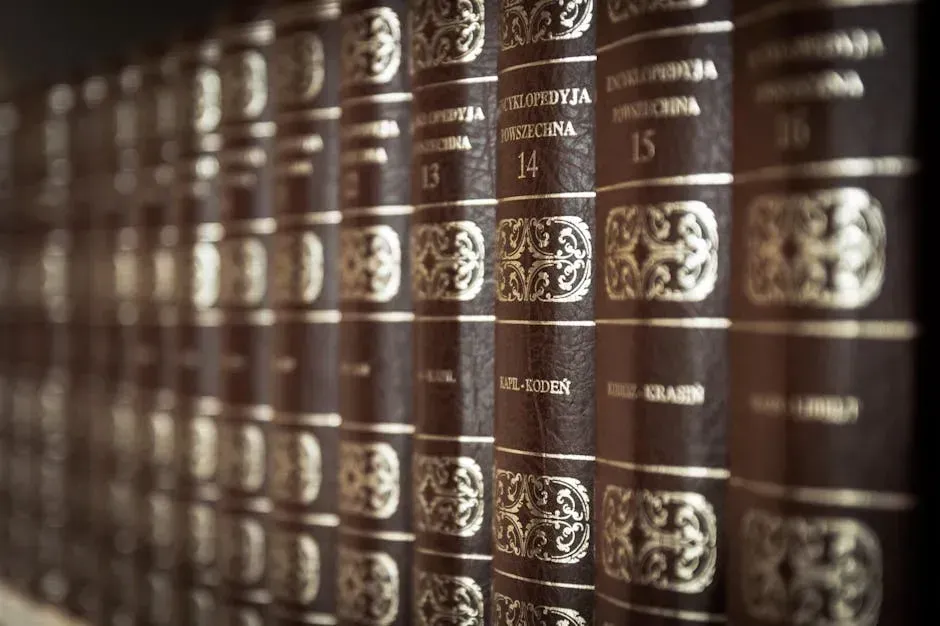
5. The Encyclopedia Set (Image Credits: Pexels)
Before we could “just Google it,” there was the encyclopedia. A full set of World Book or Britannica volumes lining a bookshelf was a symbol of knowledge, parental investment, and intellectual curiosity. It was the original search engine, powered by paper and ink. Encyclopædia Britannica, after a 244-year run, ceased its print edition in 2012 to go fully digital. World Book is now the only American encyclopedia still in print, a stunning testament to the digital takeover.
Many boomer households still display their encyclopedia sets as living room decor, which is honestly a solid use for them. They look distinguished on a shelf. As research tools, though, they retired long before most of their owners did. Gen Z, who can pull up any piece of human knowledge on a phone in under ten seconds, genuinely struggle to imagine why those heavy volumes ever seemed necessary.
6. The Overflowing Plastic Bag Stash

6. The Overflowing Plastic Bag Stash (Image Credits: Unsplash)
Open the cabinet under the kitchen sink in a boomer’s home and you’re likely to find it: a chaotic, overflowing collection of plastic bags filled with other plastic bags. It’s a nearly universal phenomenon that often baffles younger generations. This isn’t about hoarding or messiness. For the boomer generation, saving every plastic bag is an act of thrift and preparedness.
They were being eco-conscious long before it was a trend, just without the trendy name. Raised in an era of “waste not, want not,” they see a plastic bag not as single-use trash but as a valuable resource to be reused for lining small bins, packing lunches, or carrying leftovers. Gen Z, meanwhile, uses reusable tote bags and considers the whole practice a bit of an environmental paradox.
7. The Filing Cabinet Packed With Old Documents
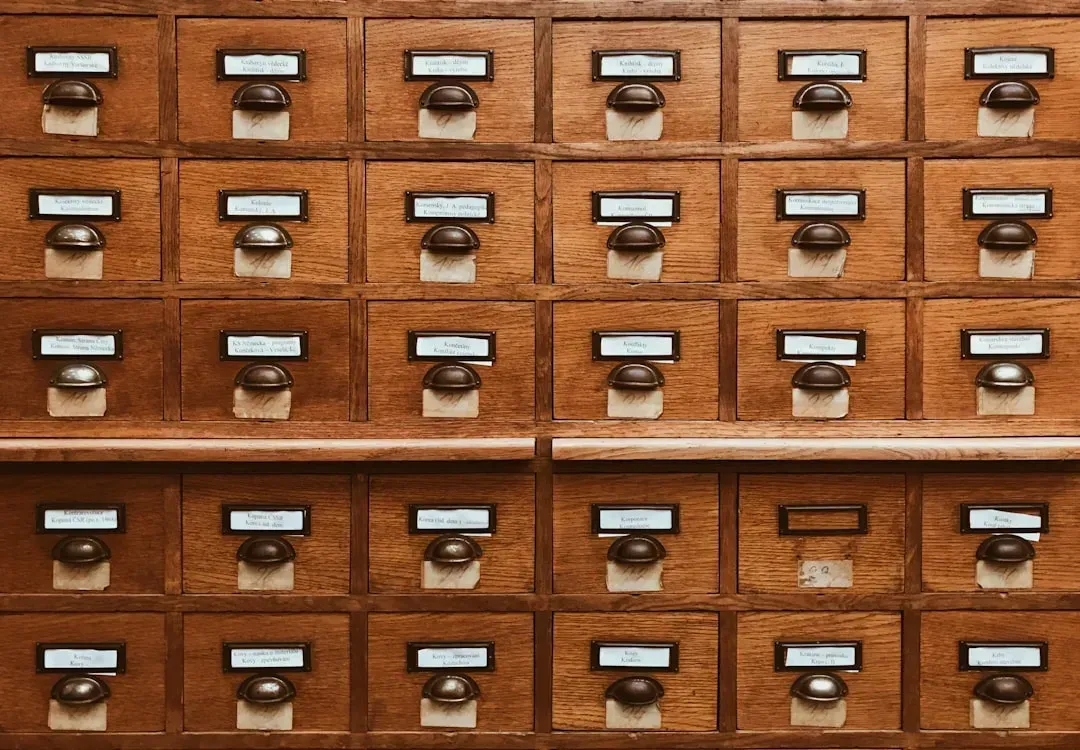
7. The Filing Cabinet Packed With Old Documents (Image Credits: Unsplash)
Boomers maintain filing systems that would impress mid-century FBI agents. Tax returns from 1987, instruction manuals for appliances long dead, warranty cards for items that couldn’t possibly still be under warranty – all carefully organized in hanging folders with typed labels. Gen Z looks at filing cabinets and sees expensive furniture for storing things that live better in the cloud.
Receipts, warranties, and purchase proofs often get saved in folders, envelopes, or laminated files. Boomers were taught that keeping purchase documentation was responsible for returns, taxes, or insurance. Even though many receipts are now digital, paper ones still accumulate. Younger generations may discard more aggressively, trusting in emails, screenshots, or purely digital backups. For boomers, tossing receipts feels risky.
8. The Sewing Machine
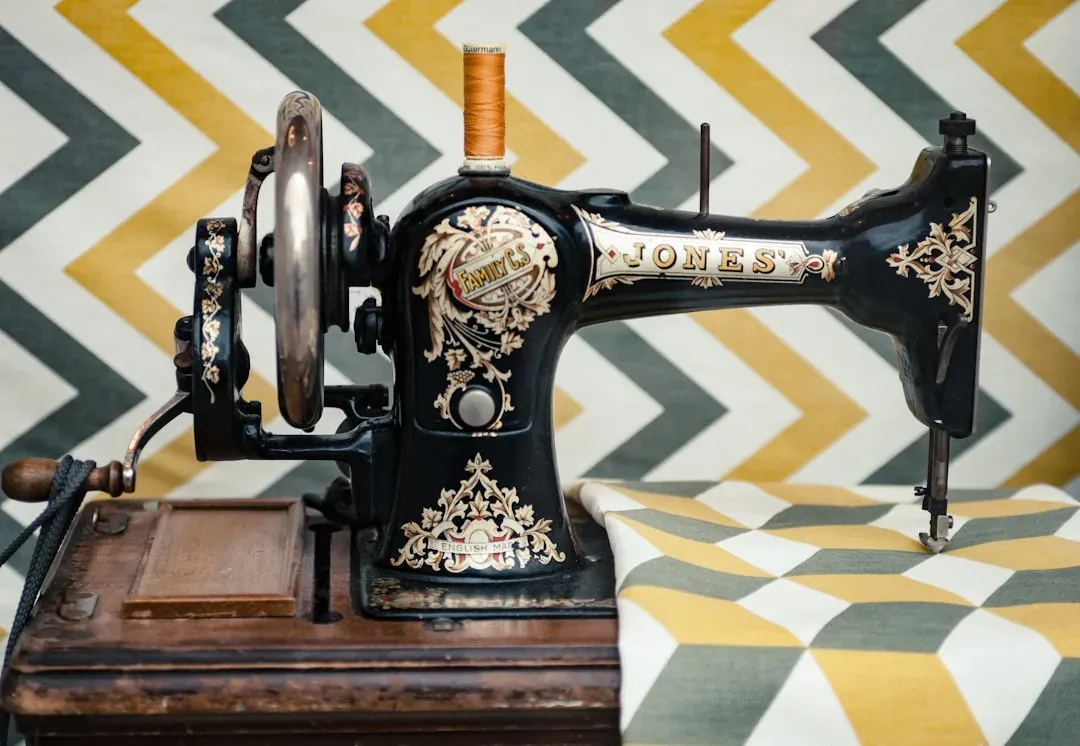
8. The Sewing Machine (Image Credits: Unsplash)
For many boomers, a sewing machine was a household essential – a practical tool for mending clothes, hemming pants, and making curtains. It was a symbol of self-sufficiency and thrift, rooted in a “waste not, want not” culture. That culture has been largely replaced by fast fashion, a model built on a rapid cycle of buying and discarding trendy, inexpensive clothing.
There was a time when a toaster was a lifetime commitment and a washing machine could be passed down through a whole family tree. Boomers often prefer to save up for one high-quality item rather than buy a cheap version that breaks in six months. This focus on durability is a win for both your wallet and the planet. The sewing machine embodies exactly that philosophy. Gen Z tends to buy new or buy second-hand. Sitting down to mend a seam, though? That barely registers as an option.
9. The Appliance Manual Drawer
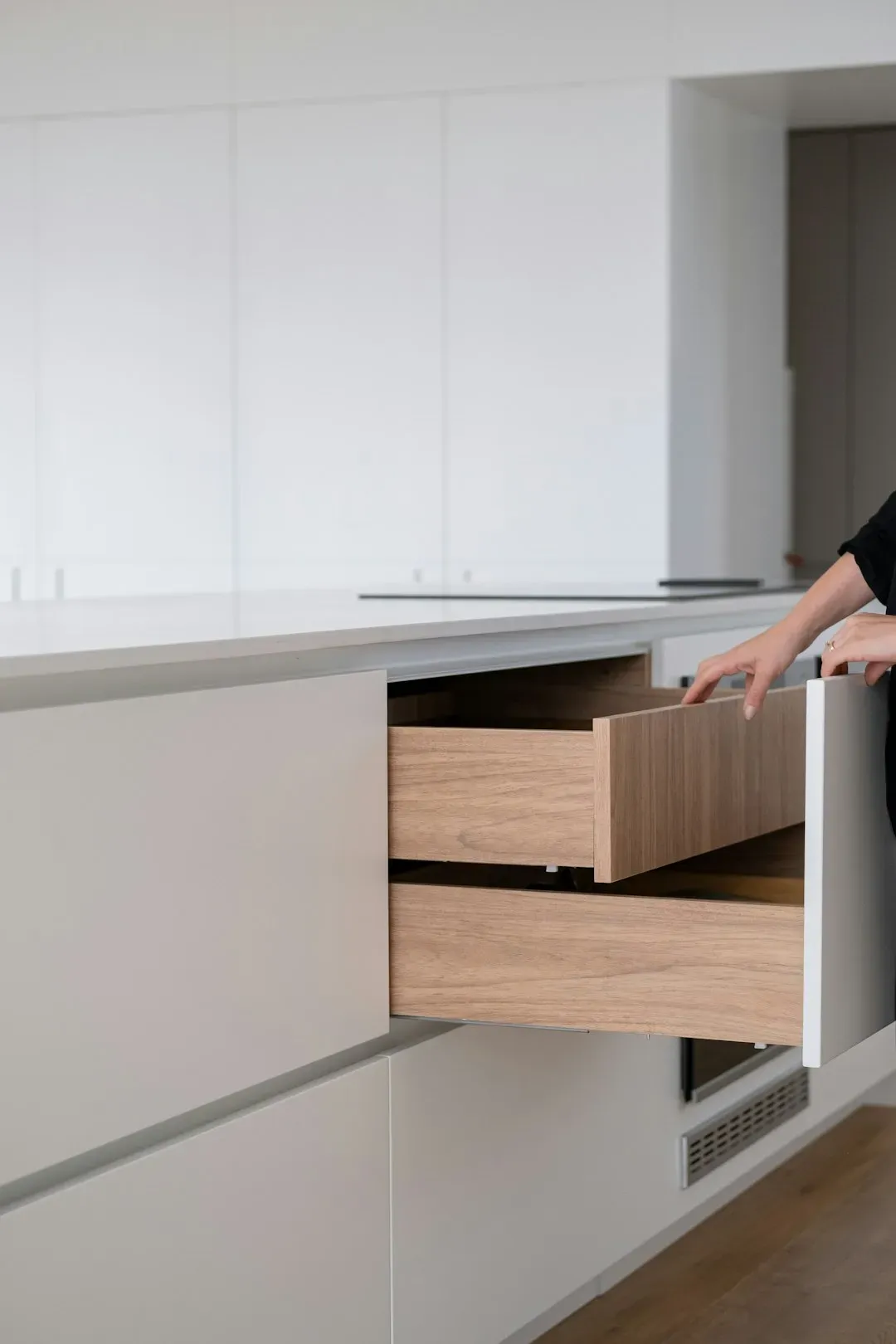
9. The Appliance Manual Drawer (Image Credits: Unsplash)
There’s a drawer or file in every boomer house stuffed with manuals – appliances, electronics, even items they no longer own. It’s a just-in-case archive, kept “for reference.” Meanwhile, younger generations toss the paper and look it up online if something breaks or needs fixing.
Appliance manuals, gadget guides, and paperwork often linger, even for items no longer in use. Many boomers keep drawers or files of printed instructions for reassurance when something breaks. Holding onto manuals reflects both careful planning and a desire not to waste anything that might be repaired. While digital versions exist, some prefer trusted physical copies over online searches. Even unopened for years, these manuals frequently remain in place, part of the home’s enduring routines.
10. The TV Tray Table
10. The TV Tray Table (Image Credits: Pexels)
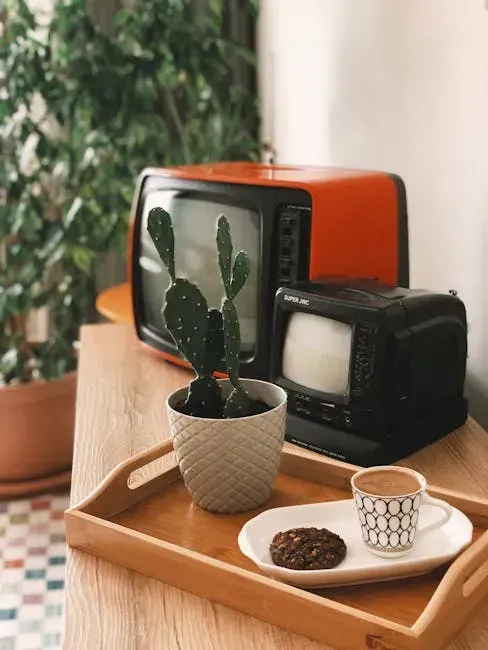
TV trays – whether for eating dinner in front of the television or resting a book and a cup of tea – were once a household staple. Many boomers still use them daily. They’re practical and familiar, even if younger folks have replaced them with sofas, coffee tables, or lap desks.
Foldable TV trays, those small portable tables used for meals in front of the television or for small tasks, were once staples. They offered convenience and flexibility: eat anywhere in the house, bring your tray to the sofa. Modern homes often have better furniture, dedicated dining areas, or lap desks, and multifunctional spaces. Still, many boomers have these trays stored, used occasionally or perhaps never, because they were once so central to daily routines.
11. The Magazine Rack

11. The Magazine Rack (familytravelforum, Flickr, <a href="https://creativecommons.org/licenses/by-sa/2.0/" target="_blank" rel="noopener">CC BY-SA 2.0</a>)
Perhaps nothing illustrates the generational divide better than furniture designed to organize print media. Boomers’ homes feature magazine racks, newspaper holders, and those special tables with built-in storage for reading materials – architectural solutions to problems Gen Z has never experienced. The idea of saving physical magazines, of needing furniture to organize newspapers, of print subscriptions arriving regularly enough to require storage solutions, all feels like preparing for activities from an alternate timeline.
Gen Z’s reading happens on screens, updated in real-time, requiring no physical storage beyond phone battery life. This extends to bookshelves too. While Gen Z still reads, their relationships with physical books differ dramatically. Books are either beloved objects displayed spine-out for aesthetic purposes, or they’re digital files that take up no space at all.
12. The "Guest Towels" That Nobody Can Use
12. The "Guest Towels" That Nobody Can Use (Image Credits: Guest Room Towel, <a href="https://commons.wikimedia.org/w/index.php?curid=23356558" target="_blank" rel="noopener">CC BY-SA 2.0</a>)
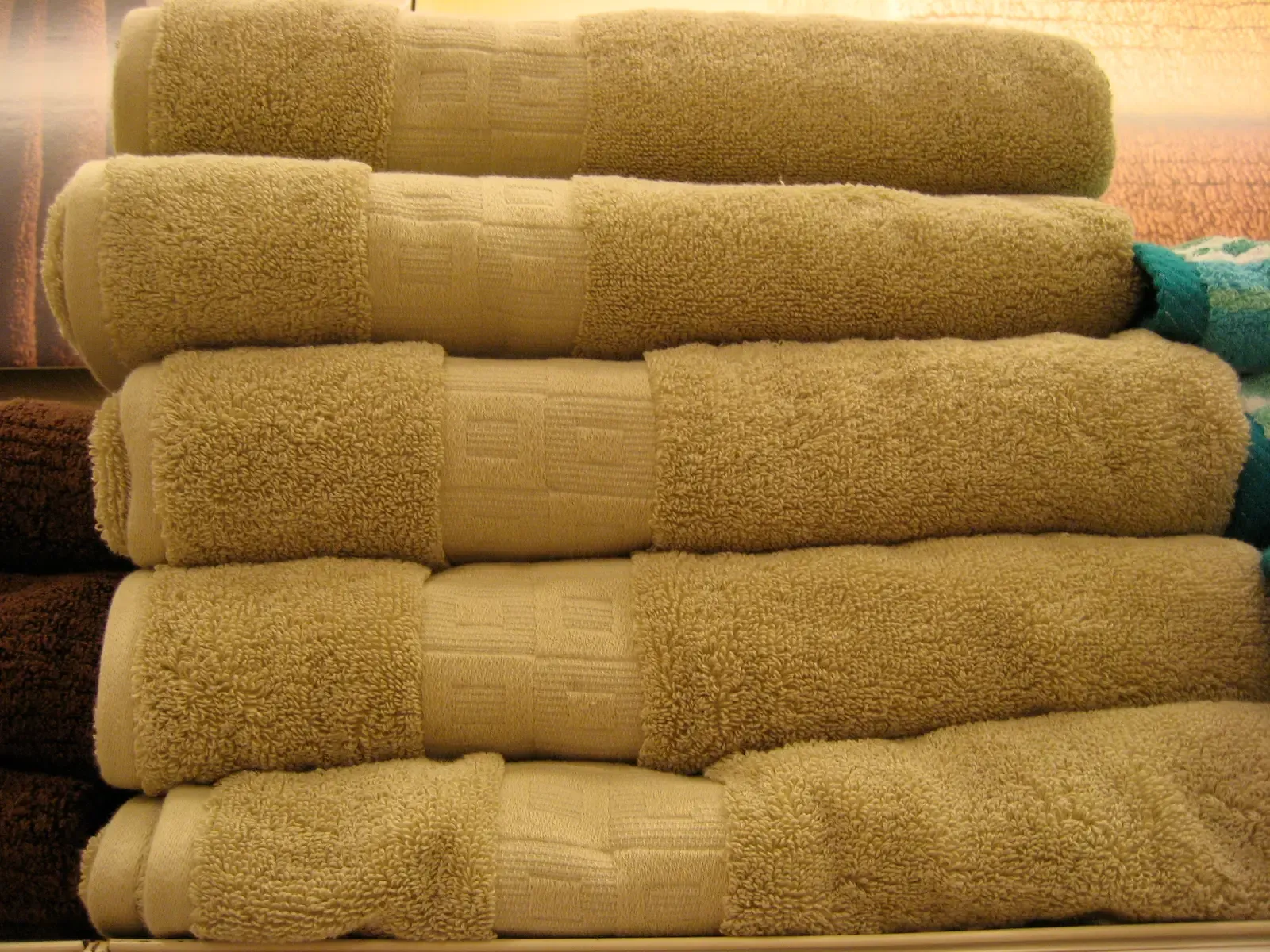
Somewhere in every boomer household lurks a set of towels that exist in a bizarre state of being too nice to use. They hang in the bathroom like museum pieces, forcing guests into the awkward decision of whether these are the mythical “guest towels” or merely decorative art that happens to be made of terry cloth. For Gen Z, the concept of owning towels specifically for hypothetical guests – towels that somehow become too precious for their intended purpose – represents everything wrong with performative homemaking.
Many baby boomers purchase nice things and status symbols as a means of rewarding their hard work, yet don’t end up using the things they buy. They wait for a special day or use these items as decorations, rather than finding small and casual moments to incorporate them into their daily lives. The guest towel, soft and spotless and entirely forbidden, is perhaps the tidiest symbol of that whole mindset.
None of these items are signs of carelessness or confusion. Most of them made complete sense in the world they came from. They reflect a generation shaped by scarcity thinking, formal social rituals, and a deep belief that the right object, properly cared for, could last a lifetime. For boomers, the items they use to fill their homes carry sentimental value and memories from a different place in time that Gen Z would never understand. That gap isn’t just about stuff. It’s about two very different ideas of what home is supposed to feel like.