
Most tenants won't say it out loud during a lease signing, but there's a quiet mental checklist running the whole time. It's not about grand gestures or lavish amenities. It's the small, consistent behaviors that separate a landlord people tolerate from one they'd actually recommend to a friend.
These are the details renters notice but rarely mention in surveys or reviews, mostly because they feel almost too basic to praise. Yet in a rental market where communication gaps and maintenance delays remain common complaints, these quiet habits stand out more than landlords might realize.
1. Responding to messages within a day

1. Responding to messages within a day (Image Credits: Pexels)
A fast reply doesn’t mean a landlord has to fix everything immediately, but it signals that the tenant isn’t being ignored. Renters often rank communication speed as one of the biggest factors in overall satisfaction, even above rent price in some regional surveys. When a landlord answers a text or email within 24 hours, it removes a layer of anxiety that many renters carry silently.
This matters more in an era where so much rental communication happens through apps, portals, or property management software rather than face to face conversations. A landlord who treats digital messages with the same urgency as a phone call earns quiet trust. It’s a small habit, but it’s one tenants remember long after move out.
2. Being upfront about costs before move-in
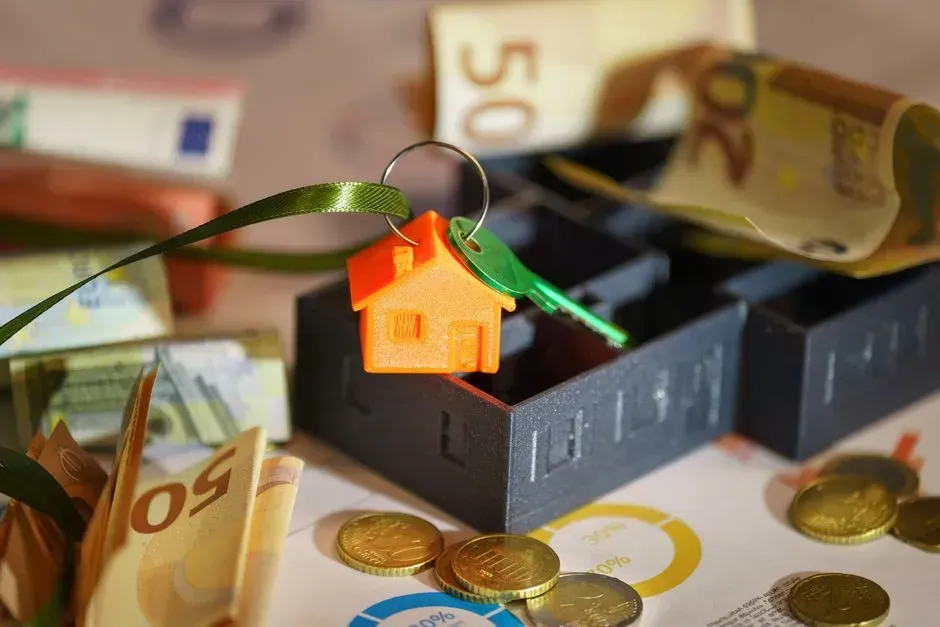
2. Being upfront about costs before move-in (Image Credits: Pexels)
Hidden fees remain one of the most persistent frustrations in the rental industry, and transparency around pricing has become a bigger differentiator than ever. Landlords who clearly break down security deposits, utility responsibilities, and any recurring charges before a lease is signed avoid the resentment that builds when surprises show up later. This kind of clarity is especially appreciated given how often rental scams and vague fee structures make headlines.
Renters quietly respect landlords who don’t rely on fine print to pad their income. A straightforward cost sheet, even if the numbers aren’t cheap, feels more honest than a lowball rent that balloons with add ons. That honesty tends to translate into longer tenancies and fewer disputes down the line.
3. Handling maintenance requests without excuses
3. Handling maintenance requests without excuses (Image Credits: Pexels)
Nobody expects a broken water heater fixed in an hour, but renters do notice when a landlord takes ownership of the problem instead of deflecting blame onto vendors, weather, or bad luck. A landlord who says plainly that a repair will take three days and then delivers on that timeline builds more goodwill than one who overpromises and underdelivers. Reliability, even modest reliability, tends to matter more than speed alone.
This is particularly true for essential systems like heating, plumbing, and electrical work, where delays can affect daily life significantly. Tenants rarely complain publicly when a landlord handles these situations professionally, but they absolutely notice the difference compared to previous rental experiences. It’s the kind of competence that quietly earns a five star mental rating, even if no formal review ever gets written.
4. Respecting notice periods for entry
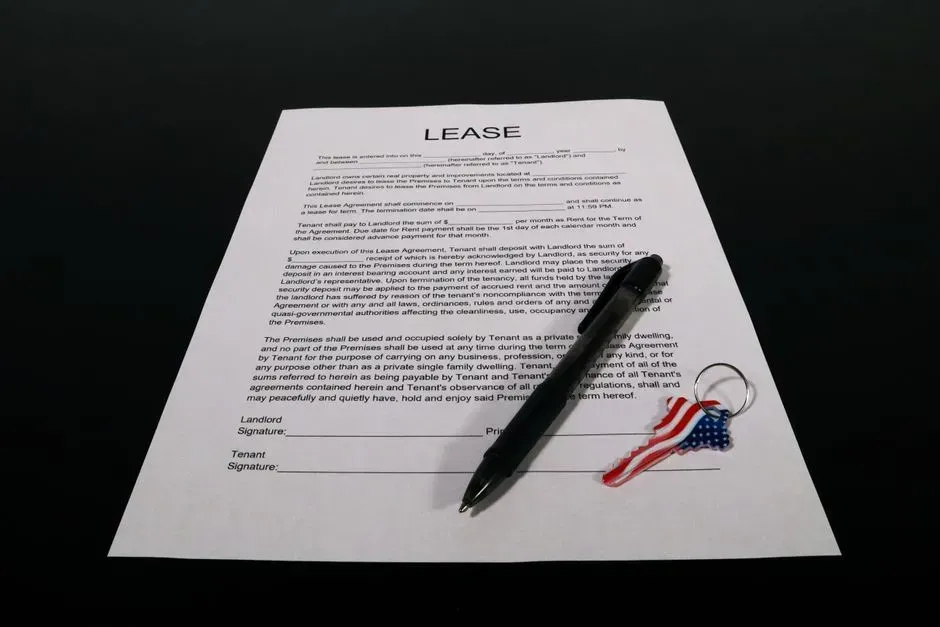
4. Respecting notice periods for entry (Image Credits: Pexels)
Most state and local laws require landlords to give advance notice, typically 24 to 48 hours, before entering an occupied unit for non-emergency reasons. Renters notice immediately when a landlord follows this consistently versus treating it as optional. It signals a basic respect for personal space that many tenants have learned not to take for granted.
This becomes especially relevant in markets with frequent unit inspections or maintenance visits tied to older properties. A landlord who texts ahead, confirms a window, and shows up on time is quietly appreciated far more than one who simply drops by. It’s a small legal requirement that, when honored consistently, says a lot about how a landlord views the tenant relationship overall.
5. Returning security deposits promptly and fairly

5. Returning security deposits promptly and fairly (stevendepolo, Flickr, <a href="https://creativecommons.org/licenses/by/2.0/" target="_blank" rel="noopener">CC BY 2.0</a>)
Security deposit disputes remain one of the most common sources of renter frustration nationwide, often ending up in small claims court when landlords withhold funds without clear justification. Most states set deadlines for deposit returns, often ranging from 14 to 30 days after move out, along with requirements for itemized deductions. Landlords who meet these deadlines and provide clear documentation avoid the reputational damage that comes from vague or inflated charges.
Renters talk about deposit experiences more than almost any other part of a tenancy, often warning friends or posting reviews based on how fairly they were treated. A landlord who returns a deposit promptly, with receipts for any deductions, quietly builds a reputation that outlasts any single lease. It’s one of the clearest signals of integrity in the entire rental relationship.
6. Keeping shared spaces clean and functional
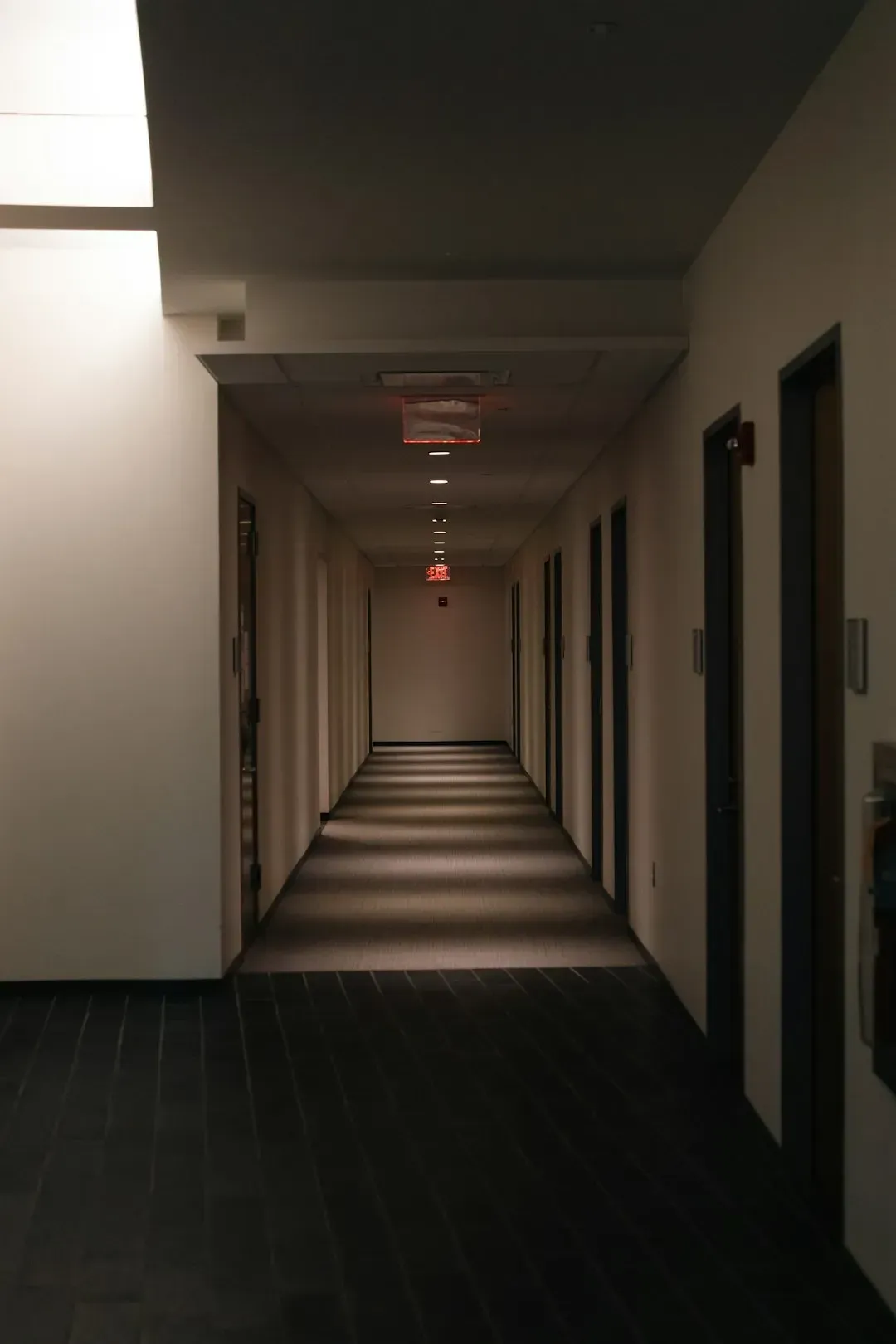
6. Keeping shared spaces clean and functional (Image Credits: Unsplash)
In multi-unit buildings, common areas like hallways, laundry rooms, and parking lots often reveal more about a landlord’s priorities than the individual units themselves. Renters notice when trash is collected regularly, lighting is maintained, and shared laundry machines actually work. These details rarely make it into a lease agreement, yet they shape daily quality of life significantly.
A well-kept common area suggests a landlord who invests in the property beyond the bare minimum required to collect rent. This is particularly appreciated in older buildings where deferred maintenance can otherwise accumulate quickly. Tenants may not comment on it directly, but a clean, functional shared space becomes a quiet point of comparison against previous, less maintained rentals.
7. Offering flexible lease renewal terms
7. Offering flexible lease renewal terms (Image Credits: Pexels)
As rental markets have shifted in recent years, with some cities seeing rent stabilization and others continuing steady increases, flexibility during renewal conversations has become more valued than ever. Landlords who give tenants ample notice before a lease ends, along with reasonable time to decide on renewal terms, reduce the stress that often accompanies housing transitions. This is especially appreciated in markets where finding a new rental can take weeks of searching and application fees.
Some landlords also offer modest incentives for renewing, such as holding rent increases below market averages for reliable long-term tenants. This approach tends to keep good tenants in place longer, reducing turnover costs for the landlord while giving renters a sense of stability. It’s a mutually beneficial habit that renters notice and rarely take for granted.
8. Being reasonable about pet policies

8. Being reasonable about pet policies (Image Credits: Unsplash)
Pet ownership among renters has continued rising, and landlords who accommodate pets with fair, clearly explained policies tend to stand out in a competitive market. Reasonable pet deposits, breed and size flexibility, and straightforward rules about noise or damage all contribute to a sense of fairness. Renters with pets often face limited housing options, so a landlord who treats pet ownership as normal rather than a burden earns quiet loyalty.
This doesn’t mean landlords need to allow every animal without restriction, but rigid or punitive pet policies tend to drive away otherwise reliable tenants. A balanced approach, one that protects the property without treating pet owners as inherently risky, reflects a level of practical thinking renters appreciate. It also tends to reduce vacancy periods, since pet friendly units often attract applicants faster.
9. Providing clear, written lease terms
9. Providing clear, written lease terms (Image Credits: Pexels)
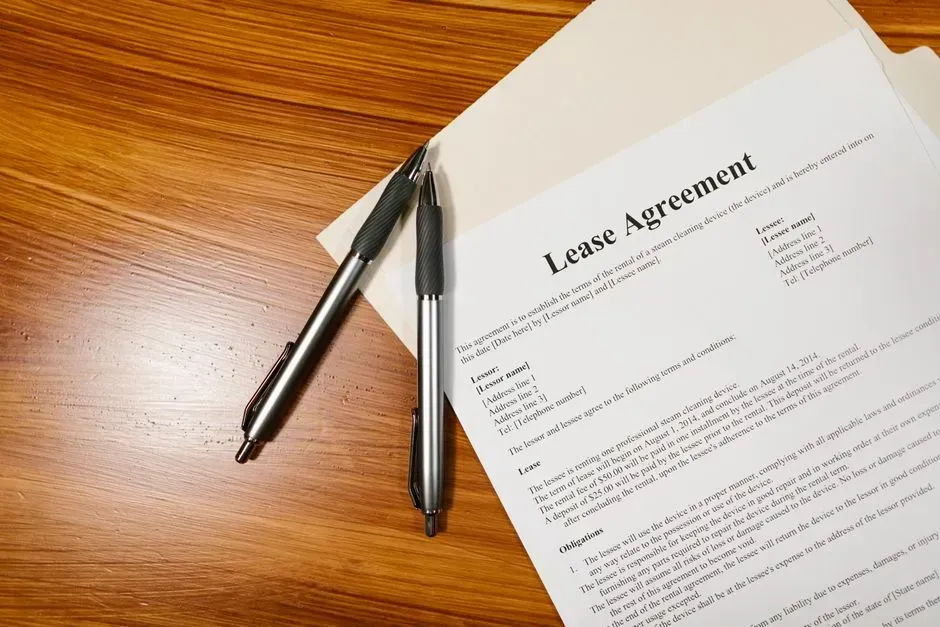
Ambiguous lease language remains a common source of disputes, particularly around subletting, guest policies, and maintenance responsibilities. Renters quietly respect landlords who use plain, specific language rather than dense legal jargon that requires a lawyer to interpret. Clarity upfront reduces the chances of misunderstandings that can sour an otherwise good landlord tenant relationship.
This has become increasingly relevant as more renters review leases digitally and compare terms across multiple listings before signing. A landlord who takes the time to explain unusual clauses or answer questions before signing demonstrates a level of transparency that stands out. It’s a small effort that pays off in trust throughout the entire tenancy.
10. Not raising rent unpredictably
10. Not raising rent unpredictably (Image Credits: Pexels)
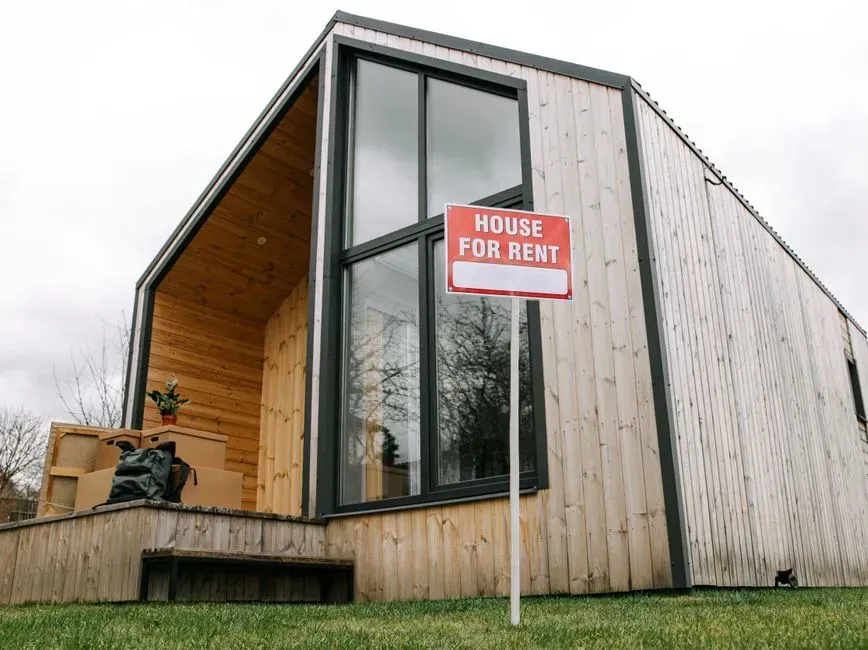
Even in markets without formal rent control, tenants notice when increases are modest, predictable, and explained rather than sudden and steep. Given how much rent growth has fluctuated across different metro areas in recent years, a landlord who keeps increases in line with reasonable, documented market trends earns quiet respect. Predictability allows renters to budget realistically instead of facing financial strain at each renewal.
Some landlords communicate upcoming increases well in advance, along with a brief explanation tied to property taxes, insurance costs, or market comparisons. This kind of transparency, even when the news isn’t welcome, is generally better received than an unexplained jump. Tenants may not thank a landlord for a rent increase, but they do notice when it feels fair rather than arbitrary.
11. Treating tenants as long-term partners, not just income

11. Treating tenants as long-term partners, not just income (Image Credits: Unsplash)
Landlords who check in occasionally, without being intrusive, to ask if anything needs attention tend to build stronger, longer relationships with tenants. This kind of low-pressure engagement signals that the property isn’t purely a transactional asset. Renters notice when a landlord remembers small details, like a previous maintenance issue or a scheduling constraint, without needing to be reminded.
This approach often correlates with lower tenant turnover, which benefits landlords financially by reducing vacancy costs and re-leasing expenses. It also tends to result in tenants who report problems earlier, since they trust the relationship enough to communicate openly. That trust, once established, tends to be self-reinforcing over the life of a tenancy.
12. Handling disputes calmly and professionally

12. Handling disputes calmly and professionally (Image Credits: Unsplash)
Disagreements over noise complaints, maintenance delays, or lease interpretations are inevitable in almost any rental relationship. What renters quietly respect is a landlord who addresses conflict directly and calmly rather than escalating or ignoring the issue. Professionalism during disputes often matters more to tenants than the actual outcome of the disagreement itself.
Landlords who document conversations, follow up in writing, and avoid emotional reactions tend to resolve issues faster and with less resentment on either side. This measured approach also reduces the likelihood of disputes escalating into formal complaints or legal action. In an industry where landlord tenant conflicts frequently make local news, calm and fair conflict resolution stands out as a genuinely valued trait.
Most of these behaviors cost little beyond consistency and attention. Yet they shape reputations that follow landlords across referrals, reviews, and long after any single lease ends.