
Every generation thinks its way of doing things is basically the right way. That conviction runs deep, and it’s especially visible when you spend any time watching baby boomers navigate a world that has changed faster than anyone anticipated. Born between 1946 and 1964, boomers came of age during a time when stability, face-to-face communication, and long-term loyalty were not just virtues – they were survival strategies.
Boomers grew up in a different age than people of other generations. Life and its expectations were different. As a result, their thinking is different, and the habits that result can be confusing for people who grew up in a later decade. Some of those habits are endearing. Others are genuinely baffling. Here are 13 that boomers simply aren’t letting go of.
1. Keeping a Landline Phone
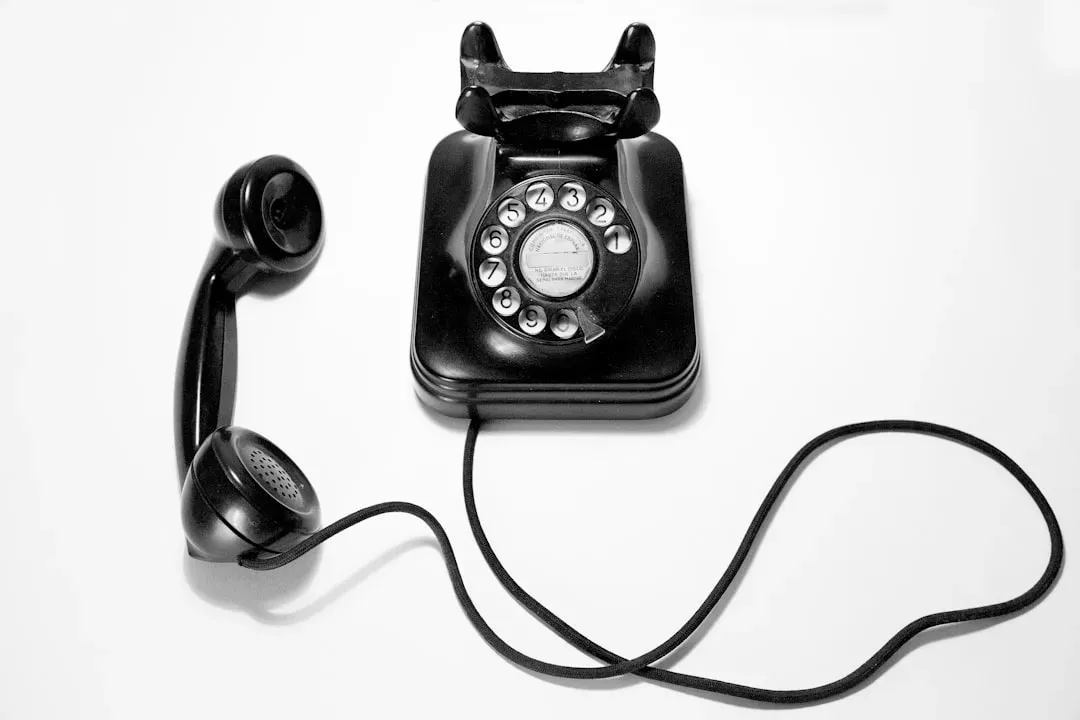
1. Keeping a Landline Phone (Image Credits: Unsplash)
Many baby boomers rely on landline phones, viewing them as convenient and trustworthy forms of communication. There are no connection or call quality issues, and they are always there in an emergency. Boomers grew up in a time when landlines were the only option. That history is hard to shake, even when a smartphone already sitting on the kitchen table does everything a landline can – and a great deal more.
Landlines, once the backbone of communication, are now considered relics by younger generations. Boomers still keep them, valuing reliability, while younger people see them as unnecessary. Mobile phones offer connectivity and convenience unmatched by landlines. Having a phone number tied to a location feels restrictive to those accustomed to on-the-go lifestyles. For many under 40, the idea of paying a monthly bill for a device that never leaves one spot in the house is genuinely difficult to justify.
2. Writing Checks

2. Writing Checks (Image Credits: Pexels)
Boomers grew up believing a check was the safest, most adult way to pay. That trust wasn't arbitrary. For decades, a paper check represented fiscal responsibility and a deliberate paper trail. This habit reflects a preference for tangible financial records and a sense of control over transactions. Writing a check can feel more deliberate than tapping a phone screen.
Despite the rise of digital payments, boomers are still fond of writing checks. A recent survey revealed that around 13% of those aged 65 and older still prefer to use checks as their primary method of payment. Meanwhile, checkbooks can cost money to reorder and lack the speed of digital payments. For younger generations who grew up tapping a card or phone, the spectacle of someone pulling out a checkbook at a checkout counter can feel like a scene from a different era entirely.
3. Calling Instead of Texting

3. Calling Instead of Texting (Image Credits: Pexels)
Calling someone requires their immediate attention, whereas a text can be looked at and responded to when the recipient has time. Many younger people prefer texting over calling and voicemails for normal communication. That preference is rooted in a very real shift in how people process communication – texts are asynchronous, low-pressure, and easy to manage around a busy schedule.
Baby boomers grew up in an era where picking up a ringing telephone was a basic sign of respect. They view unscheduled calls as a direct and efficient way to hash out quick problems without endless back and forth. Hearing a voice on the other end builds a personal connection that text simply cannot replicate. The gap is real on both sides. Neither is being unreasonable – they're just running on different assumptions about what communication is actually for.
4. Leaving Voicemails
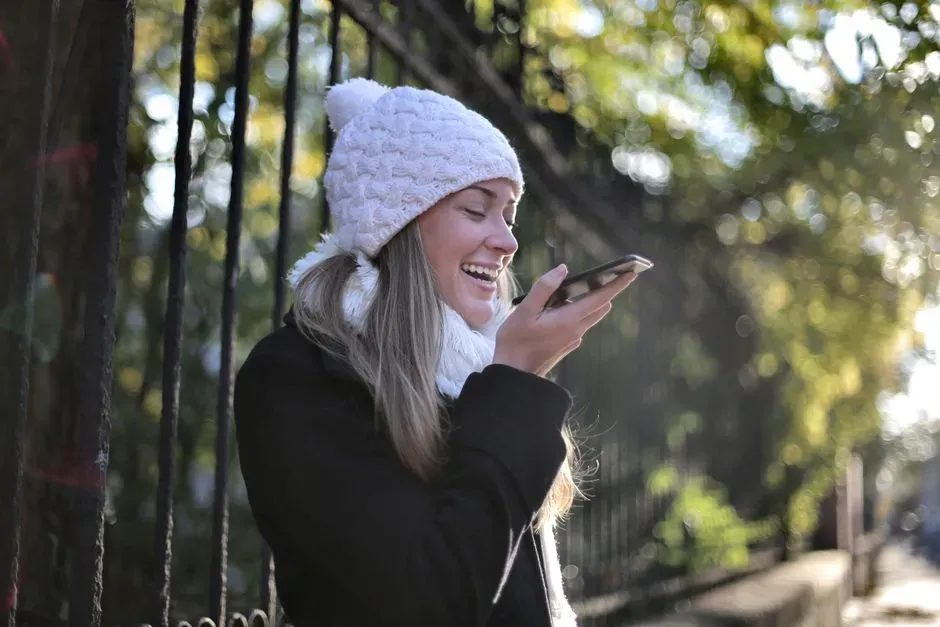
4. Leaving Voicemails (Image Credits: Pexels)
Boomers seem to believe that leaving a voicemail is polite and necessary. For most people under 30, voicemails feel like homework. You see that little notification and immediately think: now I have to listen to this entire message to find out what you want. It's a small friction point, but one that comes up constantly between generations.
For boomers, the voicemail was the successor to not being home when someone called. It was the responsible thing to do – leave a message, explain yourself, make it easy for the other person to respond. That logic made perfect sense before smartphones. For baby boomers, who believe calls are more sentimental and familiar than texting, it's not uncommon for them to use phone calls as their primary means of communication. However, it's one of those habits that drive younger people crazy, especially when they're forced to answer an unprompted phone call without warning in the middle of the day.
5. Paying with Cash

5. Paying with Cash (Image Credits: Pexels)
For many younger people, life is almost cashless. Baby boomers use cash and think the simplicity and reliability of cash are much better than risking any fee or online transaction failure. Boomers spend cash as a practical method of controlling their spending, unlike spending too much on credit cards. There's an underlying logic here that younger people often overlook.
In an era dominated by digital wallets and contactless payments, many boomers still prefer using cash. There's something about the tactile nature of cash that makes transactions feel more real and immediate. A report from the Federal Reserve notes that many people over the age of 55 are more likely to use cash for everyday purchases compared to younger generations. Spending physical money feels different from swiping a card – more deliberate, more concrete. That's not irrational, it just doesn't fit the frictionless world younger people have grown up in.
6. Watching Live Scheduled TV
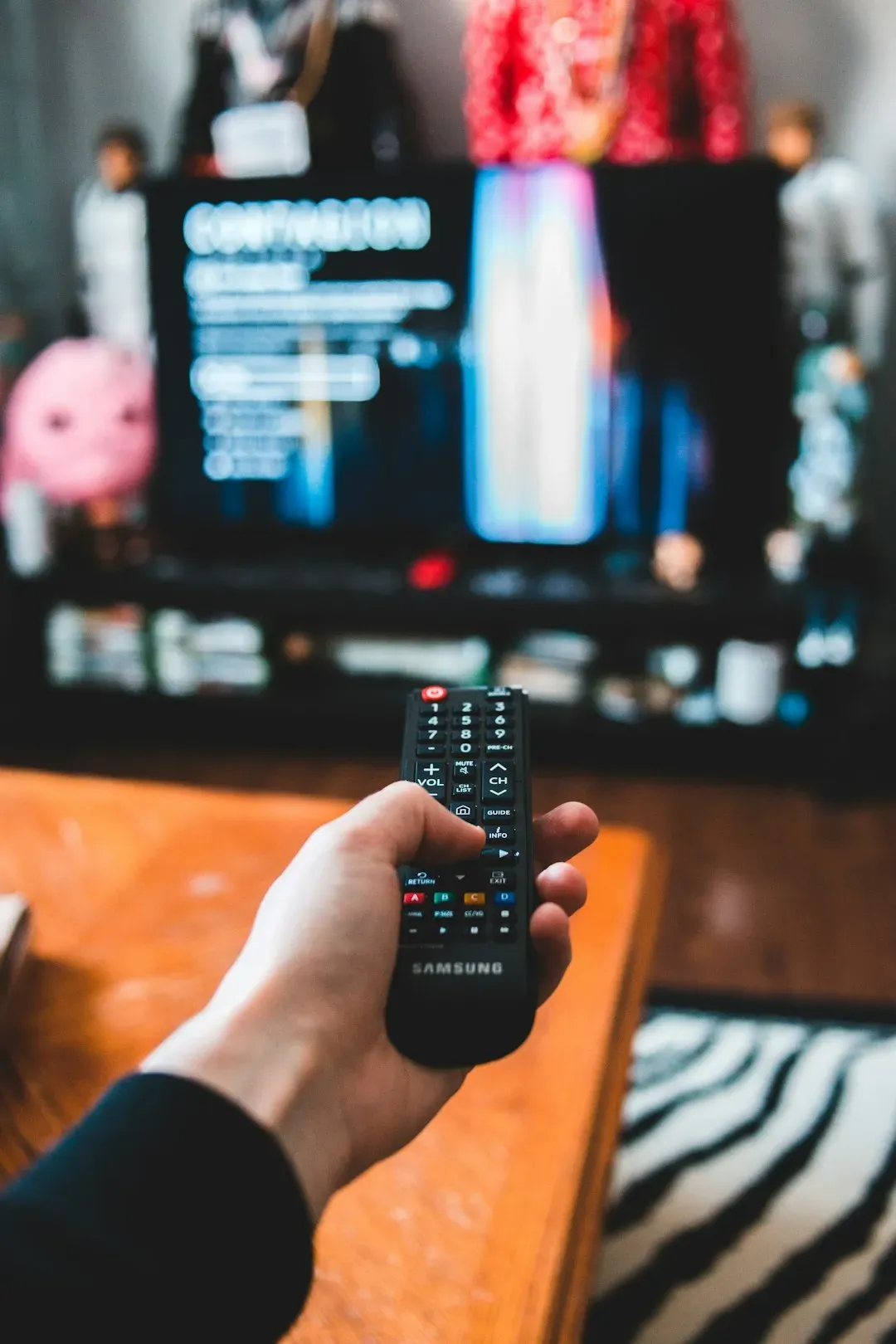
6. Watching Live Scheduled TV (Image Credits: Unsplash)
Some boomers plan their week around showtimes, as if TV were a standing appointment. You might find a paper calendar with circled dates and highlighted premieres, like a mini event planner for the living room. It feels charming, yet wildly formal compared to an endless on-demand queue. There is comfort in the ritual and the countdown. That ritual was simply how television worked for most of their lives – you showed up, or you missed it.
Linear television's share of media consumption by baby boomers has decreased from 43% in 2020 to an anticipated 34.2% in 2024. The shift is happening, but slowly. Baby boomers developed a strong affinity for traditional media like broadcast television and newspapers. Streaming on demand feels almost too easy to younger generations – the absence of anticipation is barely noticed. For boomers, waiting for a show was part of the experience.
7. Reading Print Newspapers
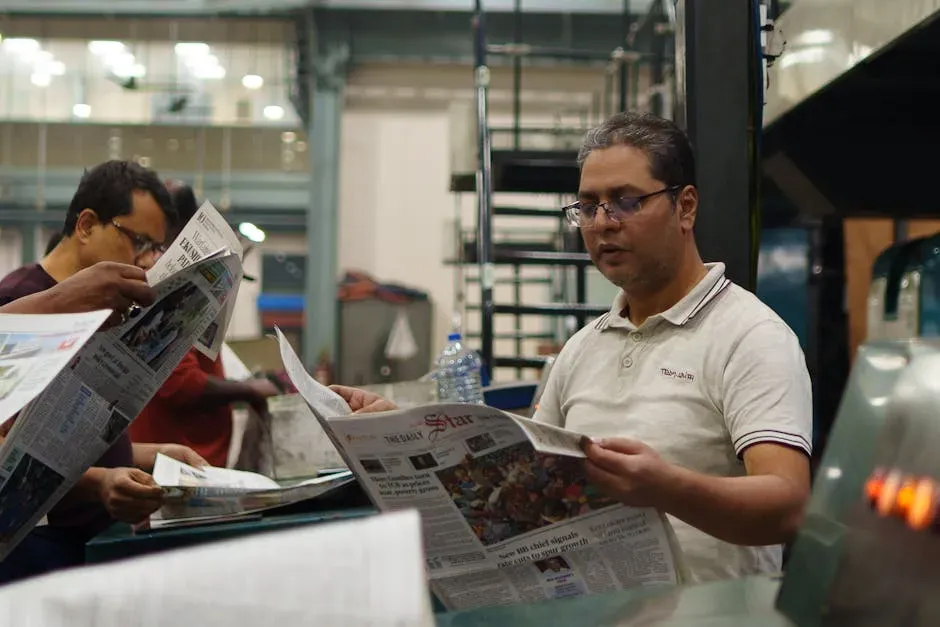
7. Reading Print Newspapers (Image Credits: Pexels)
Boomers have a fascination with print media: newspapers, magazines, brochures – they love it. That attachment isn't just nostalgia. Baby boomers developed a strong affinity for traditional media like broadcast television and newspapers. They exhibit loyalty towards their preferred brands and gravitate towards media that reinforces their existing beliefs and values. Baby boomers tend to place trust in established sources of information, such as traditional news outlets and government agencies.
Holding a physical newspaper over morning coffee is a sensory ritual that no app quite replicates. There's a certain nostalgia attached to flipping through a physical newspaper over a cup of coffee. In this digital age, clinging on to print seems outdated. We live in a world of news apps, e-books, and online subscriptions. Younger generations grew up with near-instant access to news from dozens of sources simultaneously. The idea of waiting until morning for yesterday's headlines feels oddly passive to them.
8. Staying Loyal to One Employer

8. Staying Loyal to One Employer (Image Credits: Unsplash)
Boomers often stayed with one employer for decades. Job stability promised growth and pride in long-term service. That deep loyalty created trust between workers and companies, a sense of permanence rarely seen in today's flexible job market. The expectation was clear: give the company your best years, and it would take care of you in return.
Younger generations watched their parents get laid off after decades of service. They saw pensions disappear and loyalty rewarded with stagnant wages. So they stopped playing by those rules. Now, staying at one job too long is seen as potentially limiting your growth and earning potential. The average millennial changes jobs every two to three years, not because they're uncommitted, but because that's how you get raises and opportunities in the current economy. The contract changed. Younger workers simply noticed faster.
9. Enforcing Formal Dress Codes

9. Enforcing Formal Dress Codes (Image Credits: Unsplash)
Many boomers seem to really enjoy dress codes and strict definitions of what kind of clothing is acceptable. Younger generations tend not to care as much what other people are wearing. For boomers, dressing a certain way for work or a formal event was a show of respect – for the occasion, for the host, for the institution. Showing up in a crisp suit or formal dress was once the ultimate sign that you took your job seriously. Older generations believe that dressing up for the office sets a professional tone and shows respect for the company.
Research found that 82% of Gen Zers believe in freedom of self-expression through workplace attire, compared to only 40% of baby boomers. That gap is substantial. This shift isn't about laziness or disrespect. It's about questioning whether clothing formality actually correlates with professionalism or respect, and deciding in most cases it doesn't. Two groups, looking at the same blazer, and drawing completely opposite conclusions about what it means to wear it.
10. Dropping By Unannounced
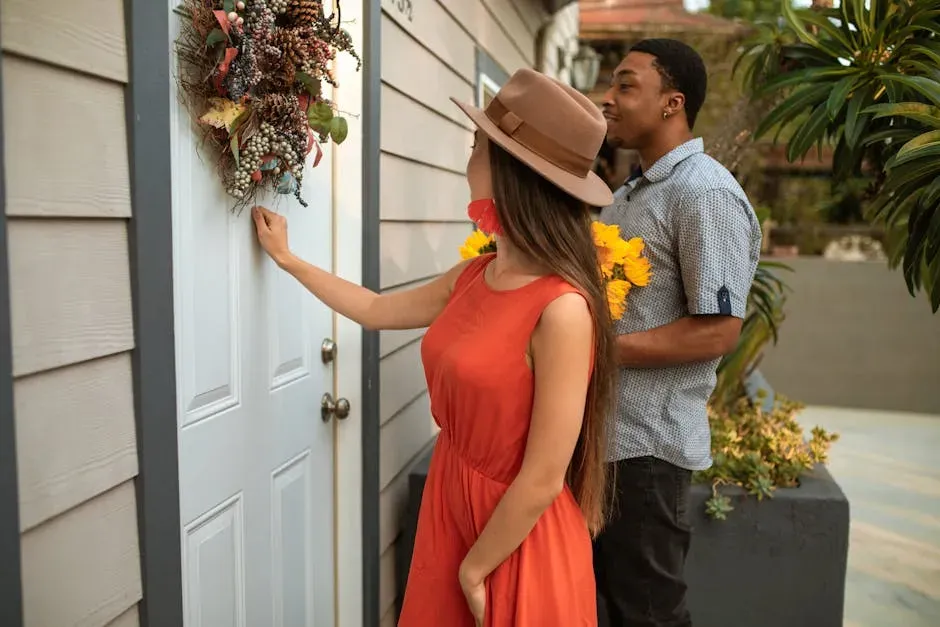
10. Dropping By Unannounced (Image Credits: Pexels)
Many people, especially young people, wouldn't dream of showing up to a friend's or family member's home unannounced. To younger generations, that's a matter of basic courtesy – you don't impose on someone's time and space without checking first. Many baby boomers place a strong emphasis on family values and connection in their daily lives, fueling them to stay connected with their loved ones – sometimes, even stopping by unannounced. While for these older generations, it may seem like a matter of respect, for their younger counterparts it reads more like a breach of personal boundaries.
The difference here runs deeper than manners. For boomers, the open door was a sign of community. Neighbors dropped in. Family swung by. That kind of spontaneous presence meant you were welcome, that the relationship was close enough to skip formalities. Younger generations tend to compartmentalize their social lives more deliberately, and an unannounced visitor – even a beloved one – can feel disruptive rather than warm.
11. Printing Things Out
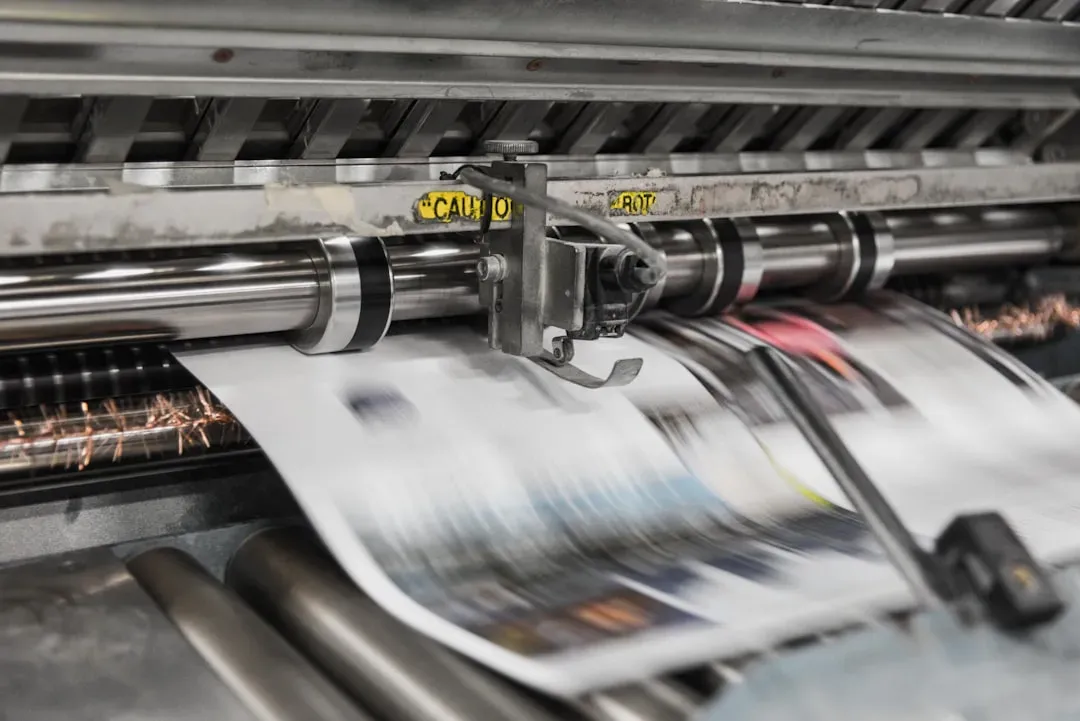
11. Printing Things Out (Image Credits: Unsplash)
Some boomers still print out emails "to read them properly." It's easy to laugh at, but the behavior has a traceable origin. Boomers spent much of their working lives handling paper documents. Boomers learned precision through typewriters that punished mistakes. Each error meant using correction fluid or retyping an entire page. The process demanded focus and care, teaching habits of accuracy that digital editing tools no longer require.
Physical paper was the medium through which decisions got made, records were kept, and things became official. Printing something out gave it weight and permanence. Younger people, who have grown up with documents living in the cloud and signatures applied with a click, genuinely can't see the point. The paper feels redundant, even slightly wasteful. For boomers, the printout still feels like the real version.
12. Hoarding Wealth Rather Than Spending It

12. Hoarding Wealth Rather Than Spending It (Image Credits: Pexels)
The baby boomer age cohort has amassed a huge volume of wealth collectively. This group of Americans has accumulated more than half of the nation's total wealth, commanding estimates reaching as high as $88.5 trillion in total assets in 2025 while representing about 20% of the population. Despite that, many boomers remain deeply reluctant to spend freely – a tendency that baffles younger generations who struggle to build wealth at all.
As a whole, boomers are the wealthiest generation. Yet they're also known for being careful with money, leading to many sitting on huge sums in the bank. For some younger people, it's unfathomable, and it seems like a waste to not enjoy your money while you can. The boomer instinct to save relentlessly was forged during economic eras when security wasn't guaranteed. That caution shaped a generation. To younger people facing different economic realities entirely, it simply looks like an opportunity going untaken.
13. Prioritizing Face-to-Face Conversation Over Everything

13. Prioritizing Face-to-Face Conversation Over Everything (Image Credits: Pexels)
For many boomers, there's something special about real conversation – every real exchange needs a table, two mugs, and a slow, careful back-and-forth. To them, texting felt hollow, like a fast-food version of something meant to be savored. That instinct comes from decades of building relationships through physical presence. Eye contact, body language, the unhurried pace of a shared meal – these were the tools of connection.
Boomers grew up in a world where hierarchy, stability, and face-to-face communication were both expected and valued. Millennials and Gen Z grew up in a world centered around technology, flexibility, and efficiency. This creates tension because each generation assumes their way is the right way, when they are simply operating from different rulebooks. That last point is probably the most useful frame for all thirteen habits on this list. Neither side is wrong, exactly. They're just fluent in different languages, and translation takes patience from everyone involved.