
Some things people say about their homes sound perfectly reasonable on the surface. Yet if you listen closely, certain phrases carry a quiet confession tucked inside them. They're the verbal tells of a household that's a little more chaotic behind closed doors than anyone lets on.
None of this is about judgment. Most people who say these things are busy, tired, or simply prioritizing other parts of life over spotless countertops. Still, these thirteen phrases tend to pop up again and again in the vocabulary of people whose homes have quietly slipped into disorder.
"I know where everything is, it's just not organized"

"I know where everything is, it's just not organized" (Image Credits: Pexels)
This phrase usually comes from someone standing in front of a pile that would make a stranger’s eyes water. They insist there’s a system, even though the system exists only in their head and depends entirely on memory rather than any visible order. It’s less a filing method and more a personal archaeology, where each layer represents a different phase of life.
The trouble is that this kind of mental map falls apart the moment someone else needs to find something, or the person themselves forgets where they last saw the tax documents. Professional organizers often point out that “organized chaos” rarely survives contact with actual urgency, like needing a passport in twenty minutes. It’s a comforting phrase, but it usually masks a home where visual clutter has become the norm rather than the exception.
"I'll deal with that pile later"

"I'll deal with that pile later" (Image Credits: Pexels)
Every home has a spot where mail, mismatched socks, or half-read magazines accumulate, and “later” is the phrase that keeps that pile alive indefinitely. It’s rarely a lie in the moment, but the pile has a way of growing faster than the motivation to tackle it. Over weeks, that single pile can multiply into two or three, each with its own excuse for existing.
What makes this phrase telling is the pattern behind it, not the individual pile itself. Clutter researchers and professional organizers frequently note that procrastination piles are one of the most common entry points into broader household disorganization. Once a home has multiple “later” zones, they tend to merge into a general atmosphere of things not quite being under control.
"We don't really use the dining room"
"We don't really use the dining room" (Image Credits: Unsplash)
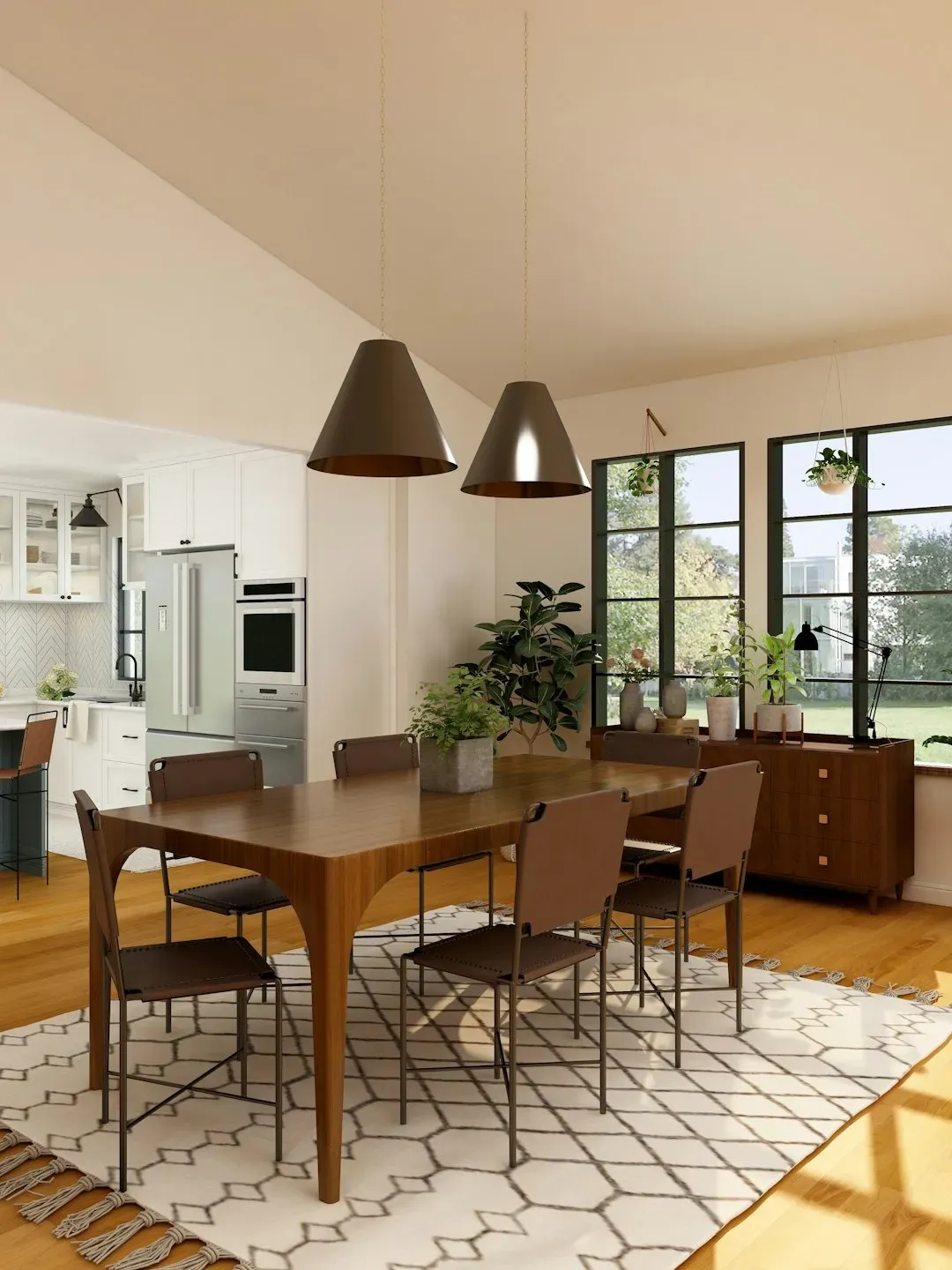
This one sounds harmless, almost like a lifestyle choice, but it often signals that a formal space has quietly become storage overflow. Boxes, exercise equipment, or unfolded laundry tend to migrate into rooms that no longer serve their original purpose. The dining table becomes a landing pad for anything without an assigned home.
It’s a common trajectory in modern homes, especially as families spend more time in kitchens and living rooms and less in separate formal areas. The problem isn’t the lack of use itself, but what fills the vacuum when a room stops being maintained as a living space. Once a room is mentally “written off,” it tends to accumulate clutter faster than rooms still in active use.
"I just haven't gotten around to unpacking"
"I just haven't gotten around to unpacking" (Image Credits: Unsplash)
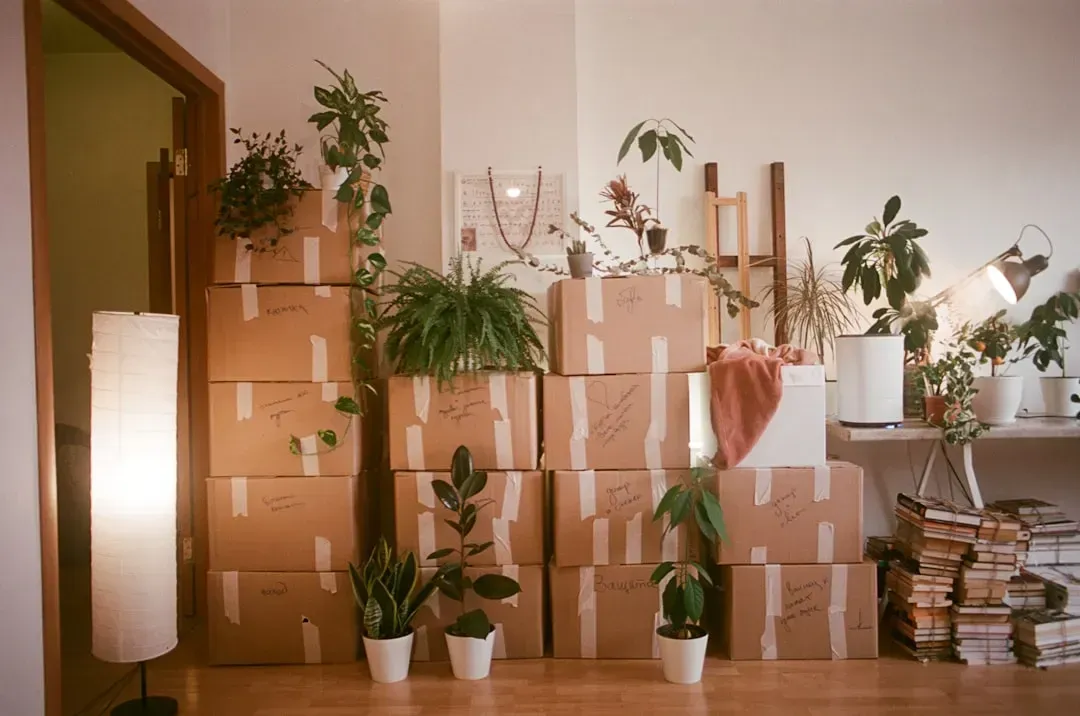
This phrase can be perfectly innocent a week or two after a move. It becomes a different story when it’s still being said six months or a year later, with boxes serving as makeshift furniture. At that point, the excuse has less to do with time and more to do with avoidance or simply not knowing where things should go.
Professional movers and organizers often note that unpacked boxes left for extended periods rarely get unpacked at all, they just get shuffled from room to room during future moves. The longer boxes sit, the more they start to feel like permanent fixtures rather than temporary inconveniences. It’s a phrase that reveals a home still technically in transition long after the transition should have ended.
"That's my project pile"

"That's my project pile" (Image Credits: Unsplash)
Craft supplies, half-finished furniture repairs, or fabric bought for a sewing project that never started, all tend to collect under the label of “project.” It sounds productive and forward-looking, which is exactly why it works so well as a cover story. In reality, many of these piles haven’t been touched in months, sometimes years.
The phrase becomes more revealing when there are multiple project piles scattered across different rooms, each representing a different burst of motivation that fizzled out. Home organization experts often describe this as aspirational clutter, items kept not for their current usefulness but for the version of the owner who intended to use them. A single project pile is normal; several is usually a sign the home has become a holding pattern for good intentions.
"I have a system, you just don't understand it"

"I have a system, you just don't understand it" (Image Credits: Pexels)
This defensive phrase typically shows up when someone else, a partner, roommate, or family member, questions why things are arranged the way they are. It’s often said with genuine conviction, because the person truly believes their method makes sense. The issue is that a system only one person can interpret isn’t really a system, it’s a personal habit dressed up in more official language.
Household organization specialists frequently point out that shared spaces require shared logic, otherwise the arrangement collapses the moment more than one person needs to use it. When this phrase gets repeated often, it usually means the home’s storage solutions were never actually designed, they evolved reactively over time. That kind of evolution tends to produce spaces that look disorganized to everyone except the person who built them.
"We're between systems right now"
"We're between systems right now" (Image Credits: By Mailans, <a href="https://commons.wikimedia.org/w/index.php?curid=15906146" target="_blank" rel="noopener">CC BY-SA 3.0</a>)
This phrase suggests a temporary lull between an old organizational method and a new one about to be implemented. In practice, it often describes a home that abandoned its old routines months ago and never replaced them with anything concrete. The gap between systems has a way of becoming the permanent state rather than a brief transition.
It’s a phrase that buys time without committing to a solution, which is part of its appeal. Meanwhile, mail piles up on counters, laundry baskets multiply, and small decisions about where things belong keep getting deferred. The longer a home stays “between systems,” the harder it becomes to actually implement a new one.
"I clean when I have time"
"I clean when I have time" (Image Credits: Pexels)
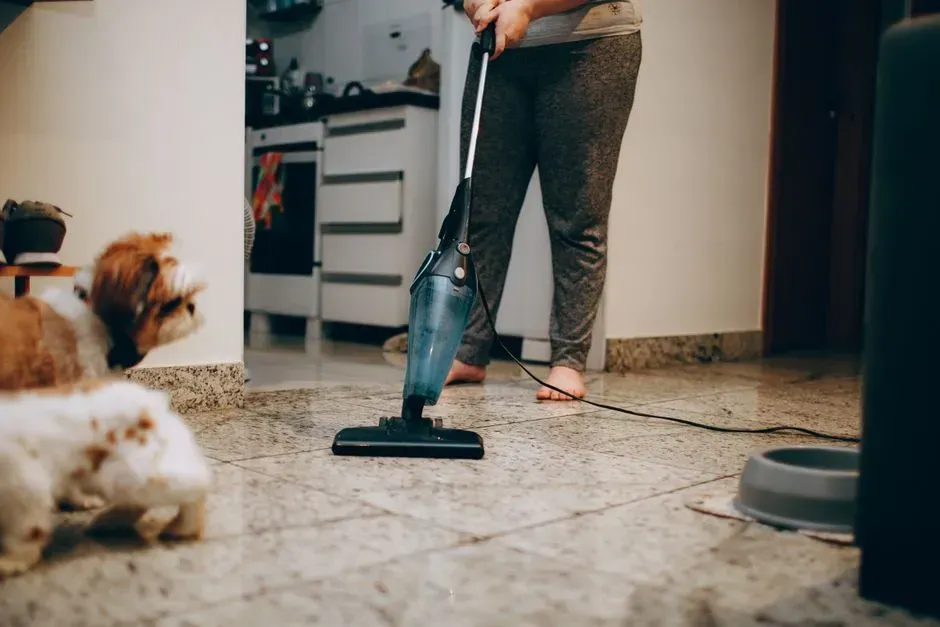
On its face, this sounds reasonable, since nobody has unlimited free time for housework. The tell is in how rarely that time seems to appear, and how the standard for what counts as “clean” quietly shifts to match whatever the current state of the home happens to be. It’s a phrase that reframes inconsistency as a scheduling issue rather than a habit issue.
Behavioral researchers who study household routines have noted that cleaning tends to happen reliably in homes where it’s built into a regular rhythm, not left to spontaneous free time. Waiting for time to magically appear rarely works, because there’s almost always something competing for it. When someone leans on this phrase often, it usually means cleaning has become reactive, only happening right before guests arrive rather than as part of a normal routine.
"The clutter doesn't bother me"
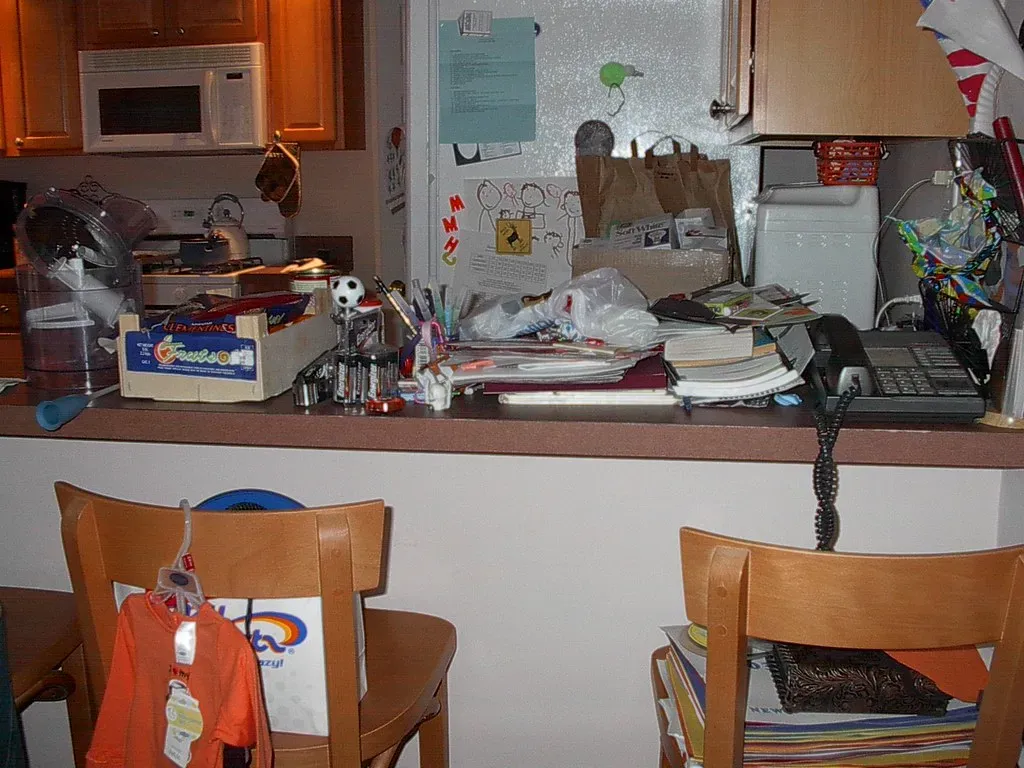
"The clutter doesn't bother me" (lorda, Flickr, <a href="https://creativecommons.org/licenses/by-sa/2.0/" target="_blank" rel="noopener">CC BY-SA 2.0</a>)
This phrase is often said with genuine sincerity, and for some people it’s true, clutter tolerance varies a lot from person to person. But it frequently gets used as a preemptive defense before anyone has even commented on the mess. That timing is telling, because it suggests some awareness that the space might look chaotic to an outside observer, even if it doesn’t feel that way to the person living in it.
Environmental psychologists have studied how clutter affects stress and focus, and the findings suggest that even people who claim indifference often show measurable stress responses in cluttered environments. Saying it doesn’t bother you and it genuinely not bothering you are two different things. This phrase, repeated defensively, often signals a home where mess has become so normalized that it’s stopped registering consciously, even if it’s still having an effect.
"I know it looks bad, but it's clean underneath"
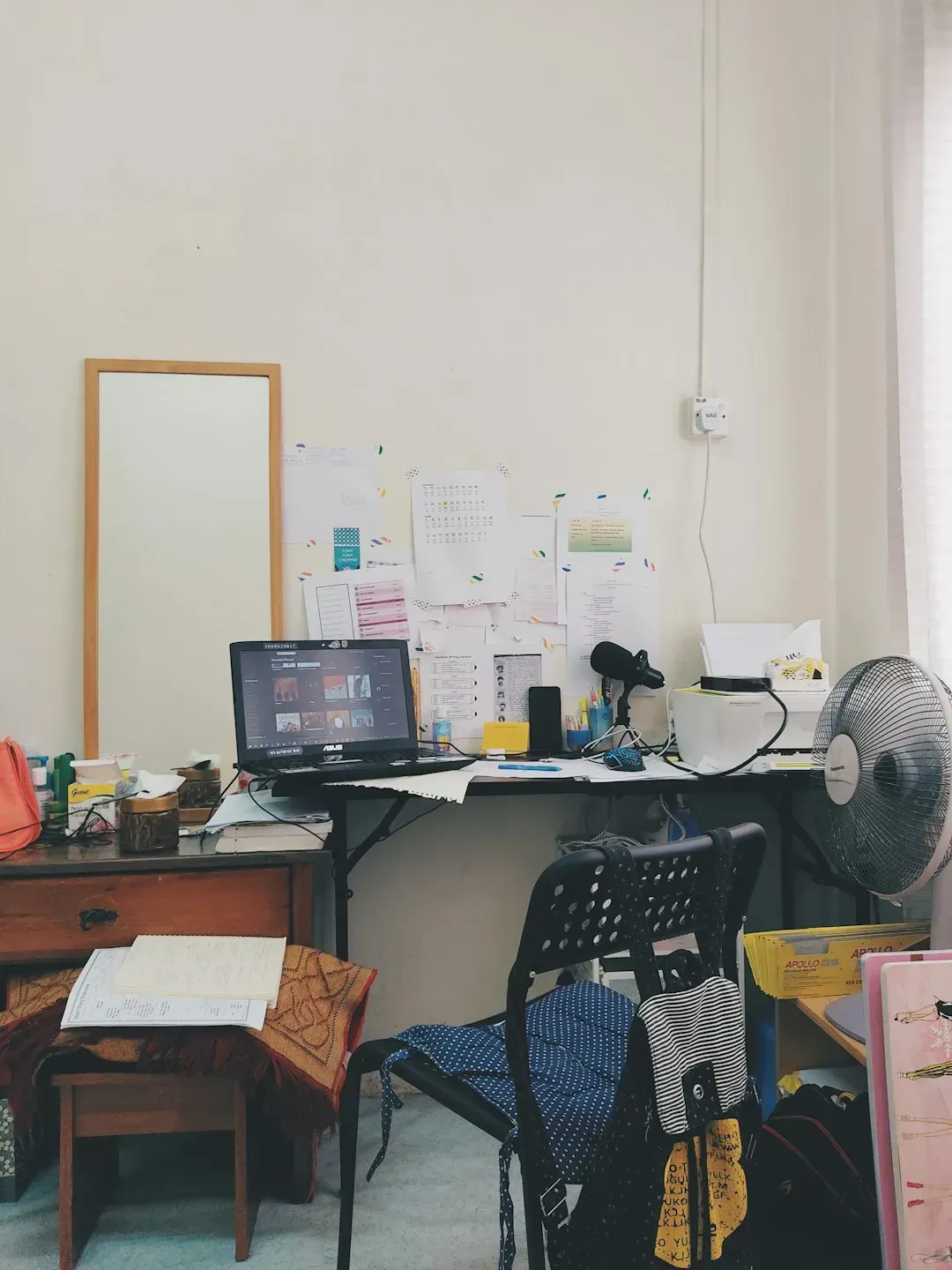
"I know it looks bad, but it's clean underneath" (Image Credits: Unsplash)
This one tries to separate visual clutter from actual hygiene, as if surface mess and cleanliness are unrelated issues. Sometimes that’s true, a cluttered but genuinely clean home does exist. More often, though, clutter makes real cleaning nearly impossible, since dust and grime accumulate on and around items that never get moved.
Cleaning professionals often point out that thorough cleaning requires access to surfaces, which clutter directly blocks. A pile of belongings sitting in the same spot for months isn’t just visually messy, it’s usually also collecting dust underneath and around it. This phrase tends to be an attempt to preserve dignity around cleanliness while implicitly admitting that the visible mess is real and significant.
"Guests never see that room"
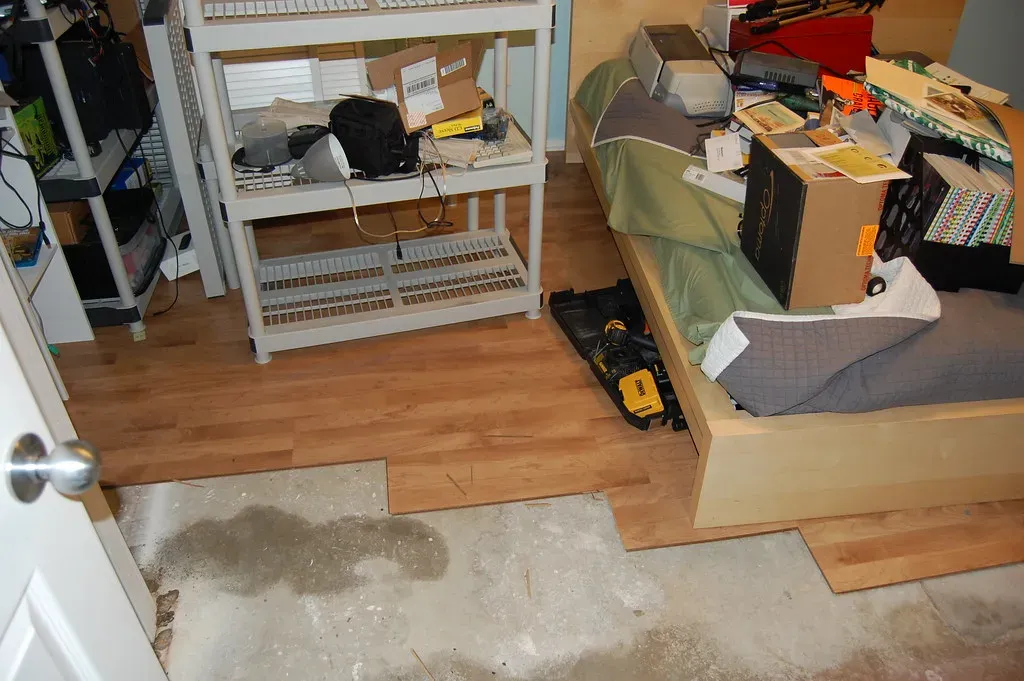
"Guests never see that room" (Moresheth, Flickr, <a href="https://creativecommons.org/licenses/by/2.0/" target="_blank" rel="noopener">CC BY 2.0</a>)
Almost every home has a room, or at least a closet, that exists purely to absorb whatever doesn’t have a place elsewhere. Calling it off limits to guests is a practical solution, but it also reveals that the mess had to be actively hidden rather than genuinely managed. It’s containment, not resolution.
This strategy works fine for occasional gatherings, but it tends to expand over time as more items get shoved into the off limits zone. Eventually the hidden room becomes so full that even the owner starts avoiding it, turning a small clutter problem into a much larger one behind a closed door. The phrase itself is an admission that at least part of the home has been sacrificed entirely to disorder.
"I'm not messy, I'm just busy"

"I'm not messy, I'm just busy" (Image Credits: Pexels)
Busy schedules are real, and they genuinely do affect how much time people have for upkeep. Still, this phrase often gets used as a blanket explanation that avoids looking at the actual pattern of behavior. Plenty of busy people maintain reasonably tidy homes by building small habits into their routines, so busyness alone doesn’t fully explain sustained clutter.
The distinction matters because “busy” implies a temporary state, while the mess in question is often chronic, persisting through slow weeks as well as hectic ones. When this phrase becomes a constant refrain rather than an occasional excuse, it usually points to habits rather than circumstances. Being busy might explain one messy week, but it rarely explains a messy year.
"I'll get to it this weekend"
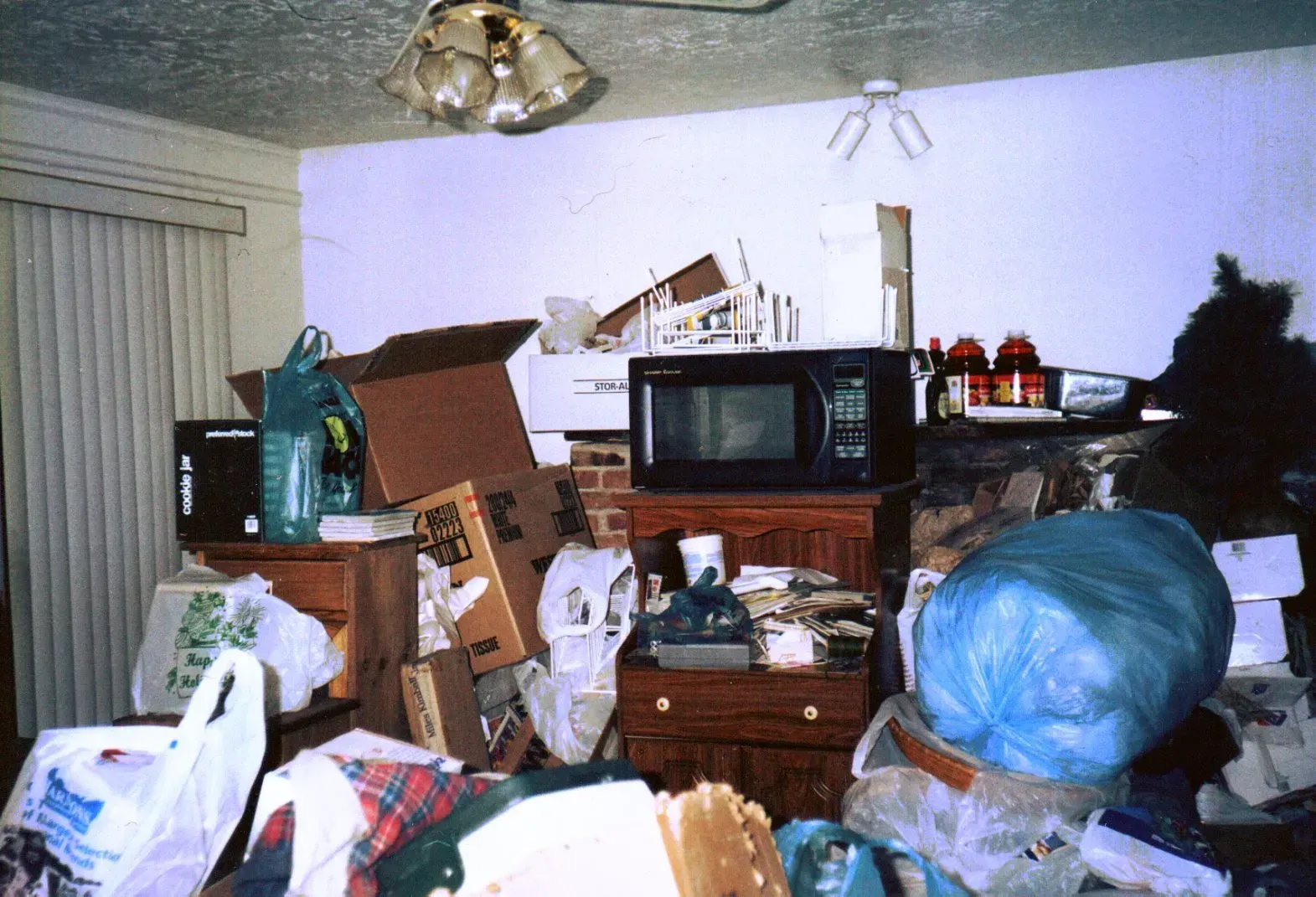
"I'll get to it this weekend" (Own work (Original text: self-made), <a href="https://commons.wikimedia.org/w/index.php?curid=12126884" target="_blank" rel="noopener">CC BY 3.0</a>)
This is perhaps the most universally recognizable phrase on the list, spoken about everything from laundry to yard work to that one closet nobody wants to open. Weekends have a way of filling up with other obligations, leaving the intended task pushed to the following week, and then the week after that. It’s a phrase that sounds like a plan while functioning more like a placeholder.
Productivity researchers often describe this pattern as a form of temporal discounting, where future effort feels easier to commit to than present effort, even when the task itself doesn’t change. The weekend that was supposed to fix everything rarely does, because the same competing priorities that existed during the week tend to resurface. When this phrase gets repeated for the same task across multiple weekends, it’s usually a sign that the task has quietly become permanent background clutter rather than an active to-do item.
Taken individually, none of these phrases mean much. People are busy, homes evolve, and priorities shift depending on the season of life someone is in. But when several of these phrases show up together in regular conversation, they tend to paint a fairly accurate picture of a home that’s slipped further into disorder than its owner might openly admit.