
Ask anyone who has spent years waiting tables and they will tell you that money does not always announce itself the way people expect. The loudest table is rarely the wealthiest one, and the person quietly reading the wine list without asking about price is often the one who could buy the restaurant. Servers notice patterns, and over time those patterns tell a quieter story about how genuinely comfortable money behaves in public.
What follows is a look at the habits that tend to be missing from the tables of guests who servers quietly clock as truly well off. These are not hard rules, and plenty of exceptions exist, but the pattern shows up often enough in service industry conversation to be worth paying attention to.
1. They rarely make a production out of the bill
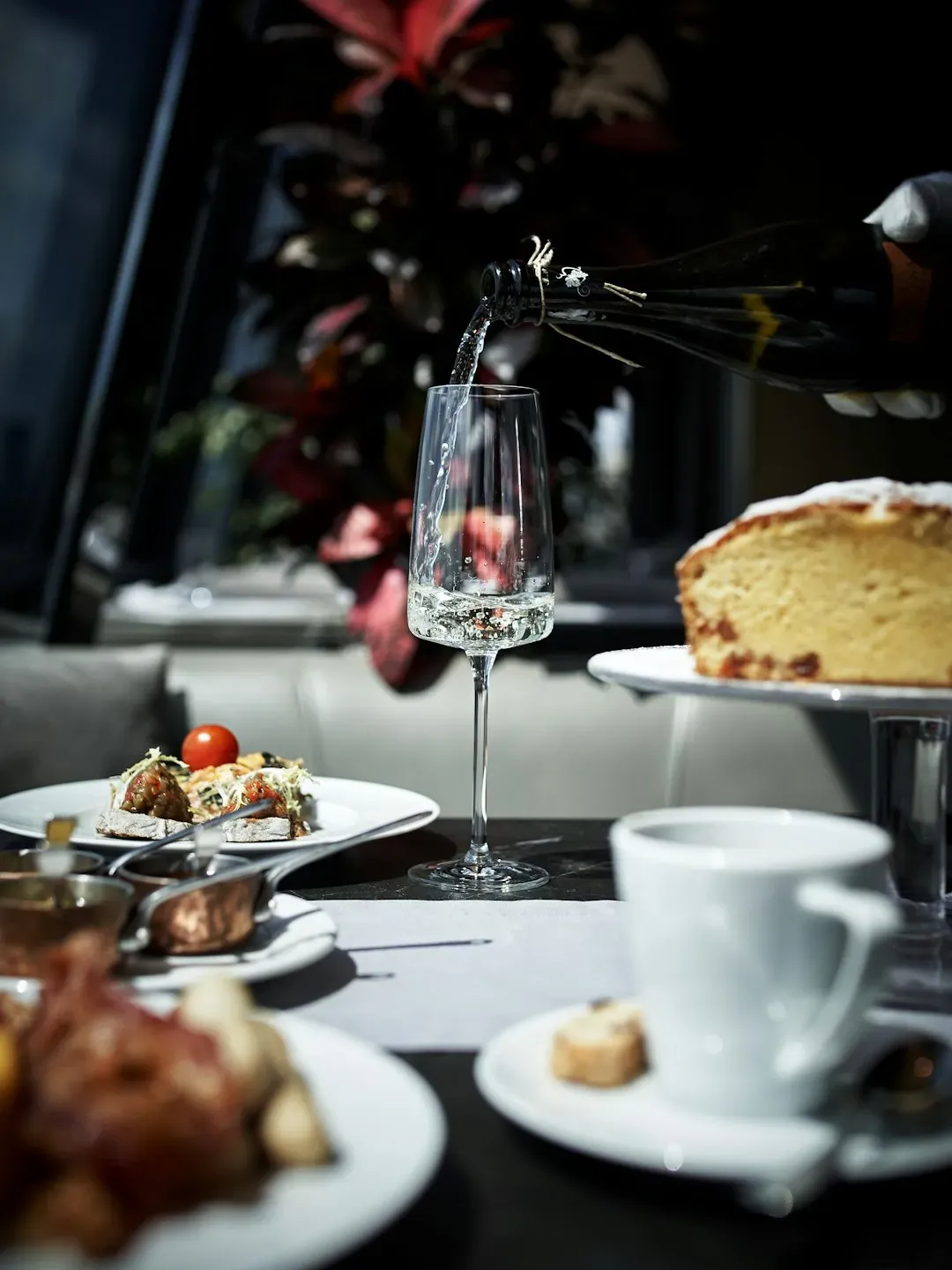
1. They rarely make a production out of the bill (Image Credits: Unsplash)
Servers often mention that guests who are genuinely wealthy tend to glance at the check, confirm it, and move on without commentary. There is no exaggerated inhale, no joking about needing a loan, no performative shock at the price of a bottle of wine. The transaction feels almost incidental to the evening rather than the main event.
This does not mean wealthy diners never question a charge. If something looks wrong, they will ask, calmly and directly. What is missing is the theater around cost, the sense that the bill needs to become a talking point for the whole table before anyone reaches for a card.
2. They rarely order the most expensive item just to prove a point
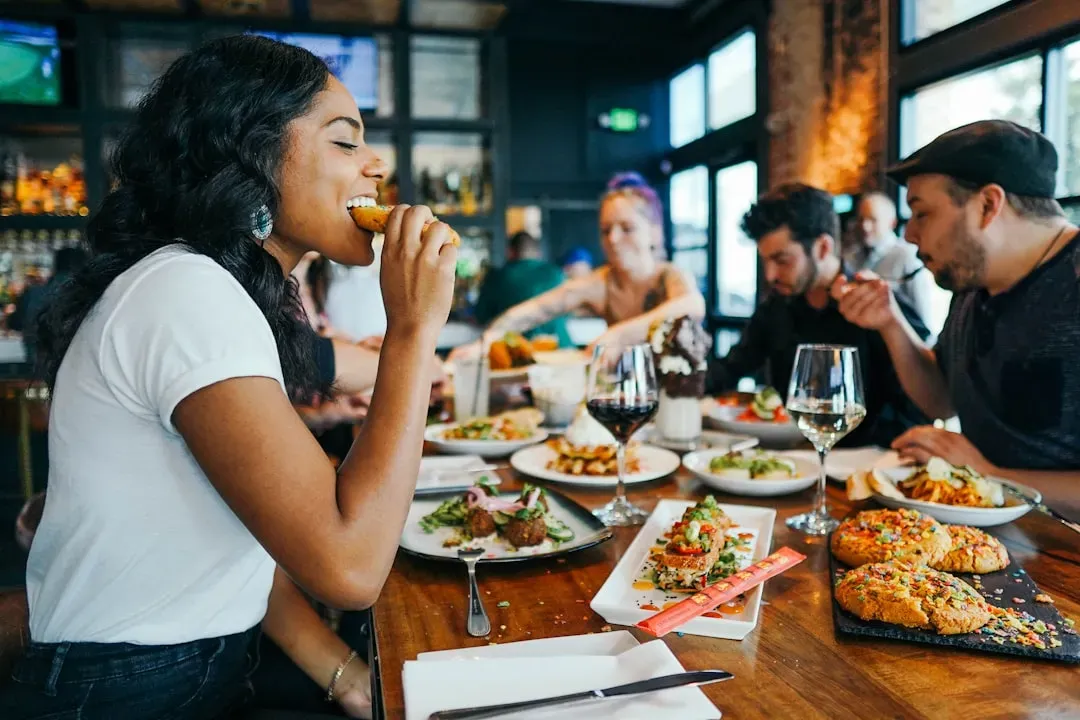
2. They rarely order the most expensive item just to prove a point (Image Credits: Unsplash)
There is a common assumption that money orders the priciest steak or the largest lobster on principle. In practice, servers frequently describe the opposite. Guests with real financial comfort tend to order what they actually want to eat that night, whether that is a modest pasta dish or the tasting menu, without treating the price tag as part of the decision.
The performative expensive order tends to come from someone trying to signal status rather than someone who already has it. Servers say the difference is subtle but consistent. One diner orders because they are hungry for it, the other orders because they want the table to notice.
3. They rarely tip poorly or inconsistently

3. They rarely tip poorly or inconsistently (Image Credits: Unsplash)
Tipping habits vary widely across income levels, but servers often note that reliably generous and consistent tipping is more closely tied to comfort with money than to the size of a bank account. Guests who are financially secure tend to tip the same way whether the service was flawless or slightly off, treating gratuity as a normal cost of dining out rather than a reward that has to be earned meal by meal.
By contrast, servers frequently mention that poor tipping shows up more often among guests trying to look wealthy than among those who actually are. A confident tipper does not need the amount to be a statement. It is simply part of how the evening works.
4. They rarely make a scene over small mistakes
4. They rarely make a scene over small mistakes (Image Credits: Pixabay)
Kitchens make errors. Orders get crossed, a dish arrives a few minutes late, a substitution gets missed. Servers say that guests with real financial ease tend to handle these moments with a shrug and a quiet request to fix it, rather than escalating into a complaint that involves managers, comped meals, or raised voices.
There is a noticeable calm in how these guests respond to friction. The confidence does not come from demanding perfection, it comes from not needing the evening to be perfect in the first place. A missed side dish is a minor hiccup, not a crisis.
5. They rarely rush the staff or the pace of the meal
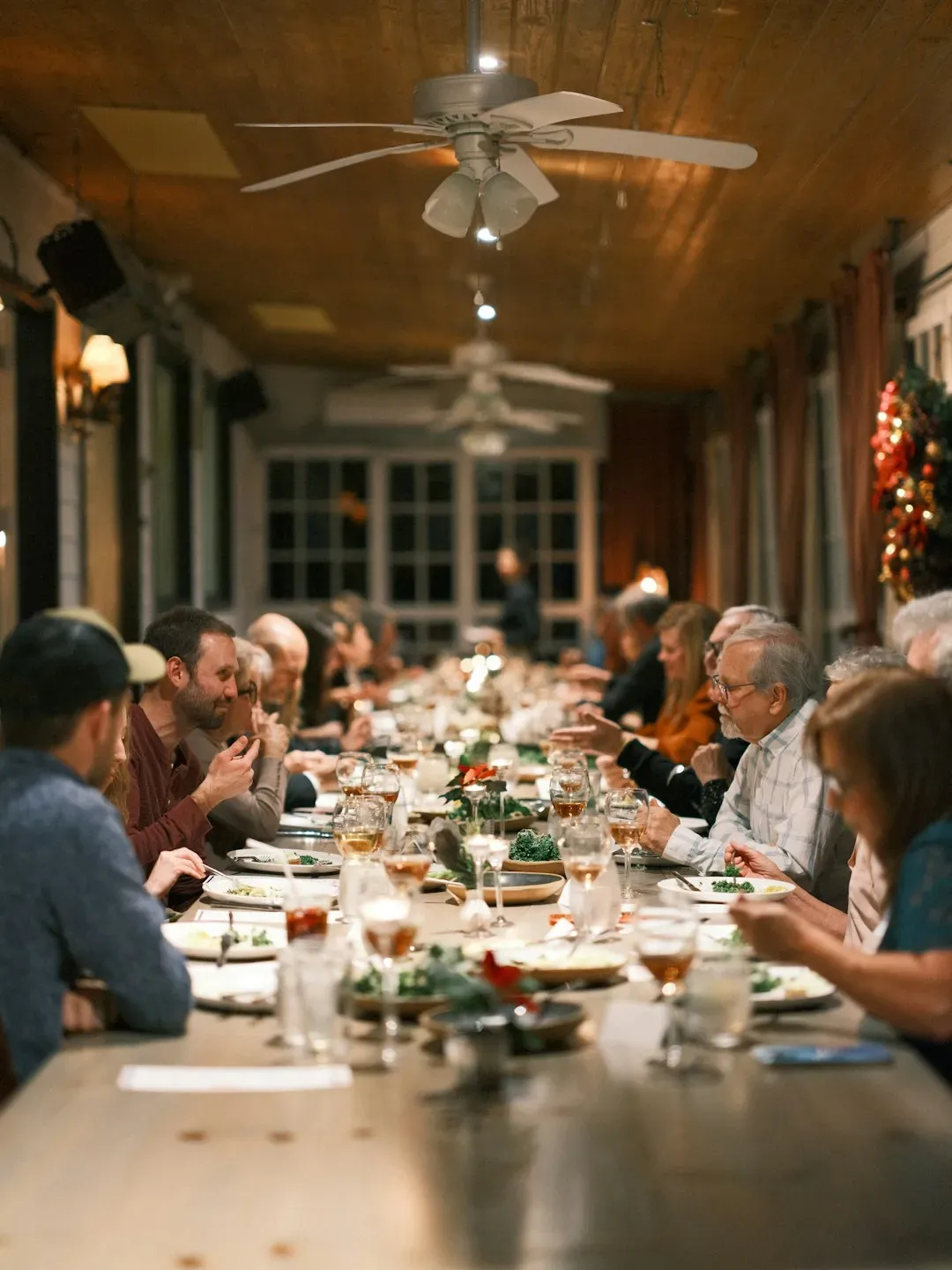
5. They rarely rush the staff or the pace of the meal (Image Credits: Unsplash)
Impatience at the table often has more to do with anxiety about time or money than with actual wealth. Servers describe guests who are financially comfortable as generally willing to let a meal unfold at its natural pace, whether that means a slow, multi-course dinner or a quick lunch with no pressure either way.
This patience extends to service timing too. Instead of flagging down staff every few minutes or hovering near the kitchen door, these guests tend to trust that the meal will arrive when it arrives. The relaxed pacing is often cited as one of the clearer tells servers rely on.
6. They rarely demand excessive customizations
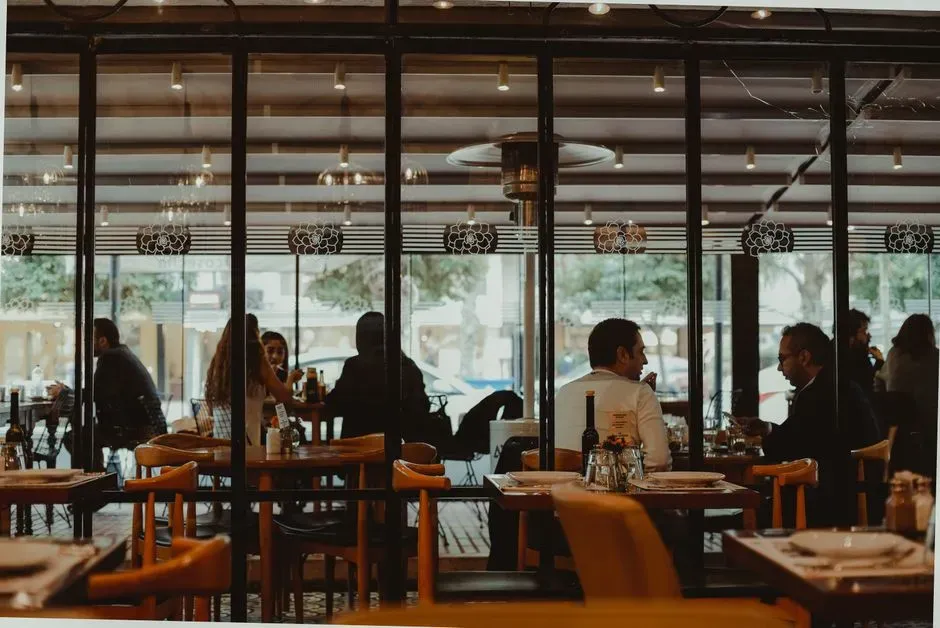
6. They rarely demand excessive customizations (Image Credits: Pexels)
A reasonable substitution or dietary request is normal and expected. What servers describe as less common among wealthy regulars is the habit of rebuilding a dish from scratch, swapping half the ingredients, or treating the menu as a rough suggestion rather than something the kitchen actually prepared with intention.
Guests who are comfortable financially often trust the chef's judgment, especially at restaurants they choose specifically because of that trust. The instinct to over engineer an order tends to show up more with guests trying to control the experience rather than enjoy it.
7. They rarely dominate the table with loud conversation
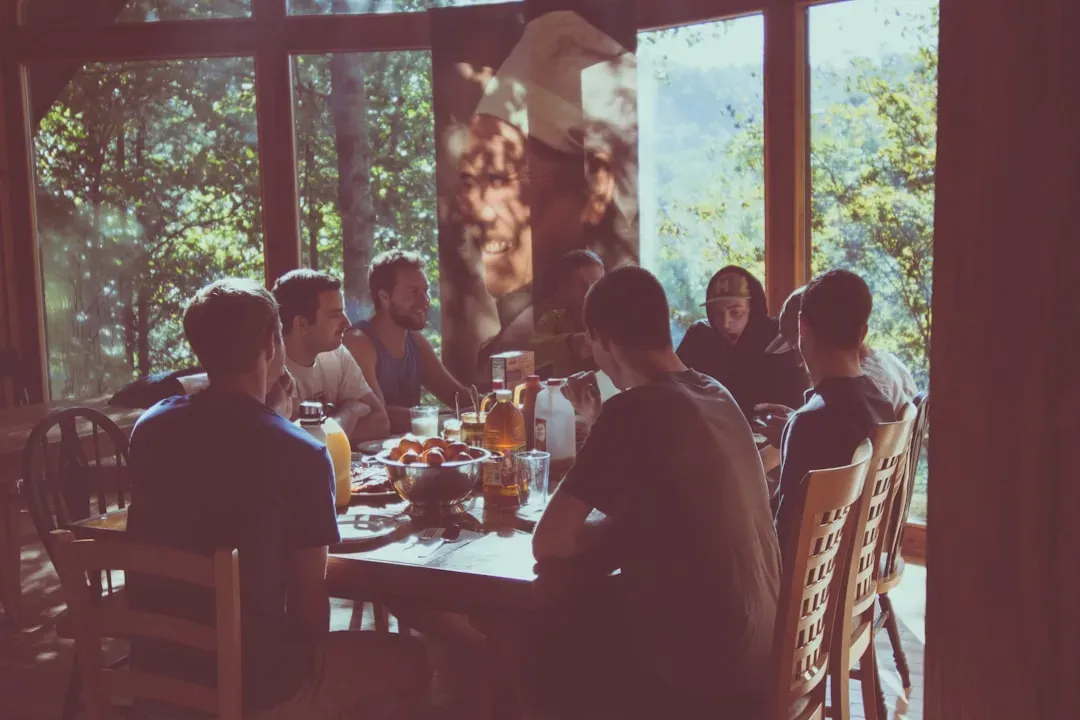
7. They rarely dominate the table with loud conversation (Image Credits: Unsplash)
Volume and status do not correlate the way people assume. Servers frequently point out that some of the loudest, most attention seeking tables are not the wealthiest ones in the room. Genuine comfort with money often shows up as a quieter, more relaxed conversational tone, one that does not need the whole dining room to notice it.
This is not about being reserved or cold. It is about not needing external validation from strangers at nearby tables. The confidence is internal, so it does not need to be broadcast.
8. They rarely name-drop or reference their wealth unprompted
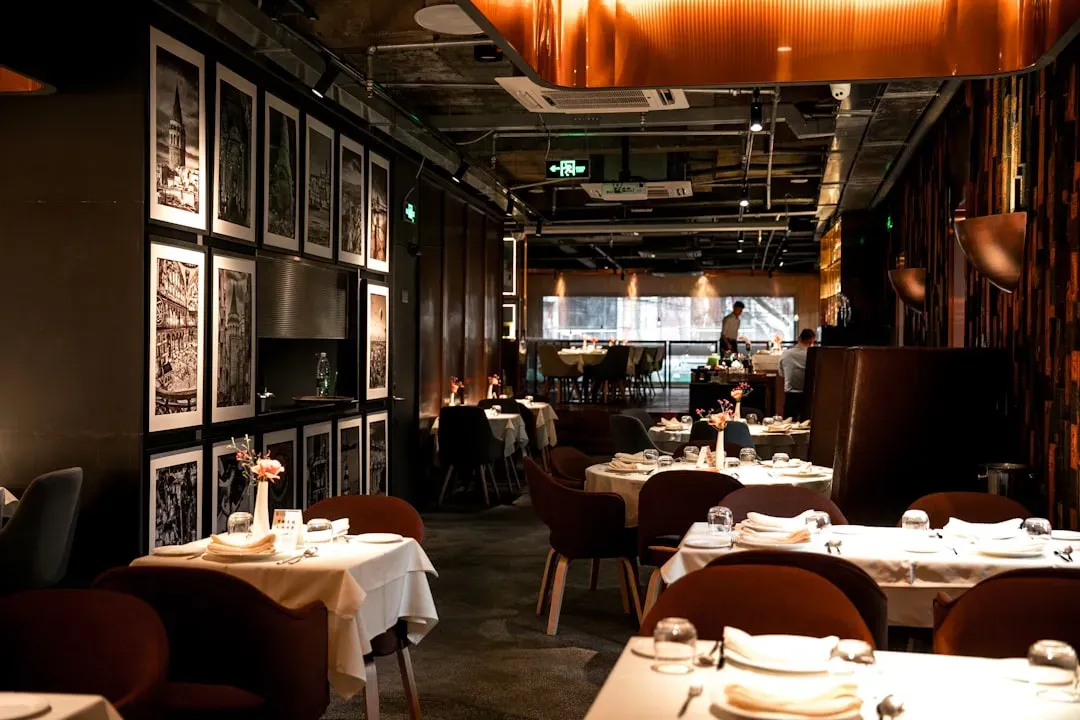
8. They rarely name-drop or reference their wealth unprompted (Image Credits: Unsplash)
Servers who have worked in upscale restaurants for years often say that genuinely wealthy guests almost never bring up money, connections, or status unprompted. There is little need to mention the second home, the recent trip, or the business deal that closed that afternoon. The wealth exists whether or not anyone at the table hears about it.
When status does come up, it is usually because someone asked, not because the guest steered the conversation there. Servers say this restraint is one of the more reliable signals, since insecurity tends to talk more than security does.
9. They rarely treat the staff as invisible

9. They rarely treat the staff as invisible (Image Credits: Unsplash)
Eye contact, a simple thank you, remembering a server's name from a previous visit. These small courtesies show up disproportionately among guests servers describe as comfortably wealthy. Rather than looking through the person delivering the food, these guests tend to acknowledge them as part of the interaction, not just a function of the evening.
This habit tends to be one of the most consistently mentioned across service industry conversation. Wealth without basic courtesy toward staff is noticed quickly and remembered longer than any tip amount, and servers say the guests who behave this way are rarely the ones with real financial security to begin with.
10. They rarely over-order to the point of waste

10. They rarely over-order to the point of waste (Image Credits: Pexels)
Ordering excessively, then leaving most of it untouched, is sometimes assumed to be a wealthy habit, a way of showing that cost is no concern. Servers often report the opposite pattern among genuinely well-off regulars, who tend to order what the table will actually eat and ask for boxes when there is leftover food worth taking home.
This restraint is not about frugality in the traditional sense. It reflects a general comfort with the meal itself rather than a need to prove abundance through excess. The over-ordering, when it happens, is more often tied to guests trying to impress someone else at the table.
11. They rarely expect special treatment without a relationship
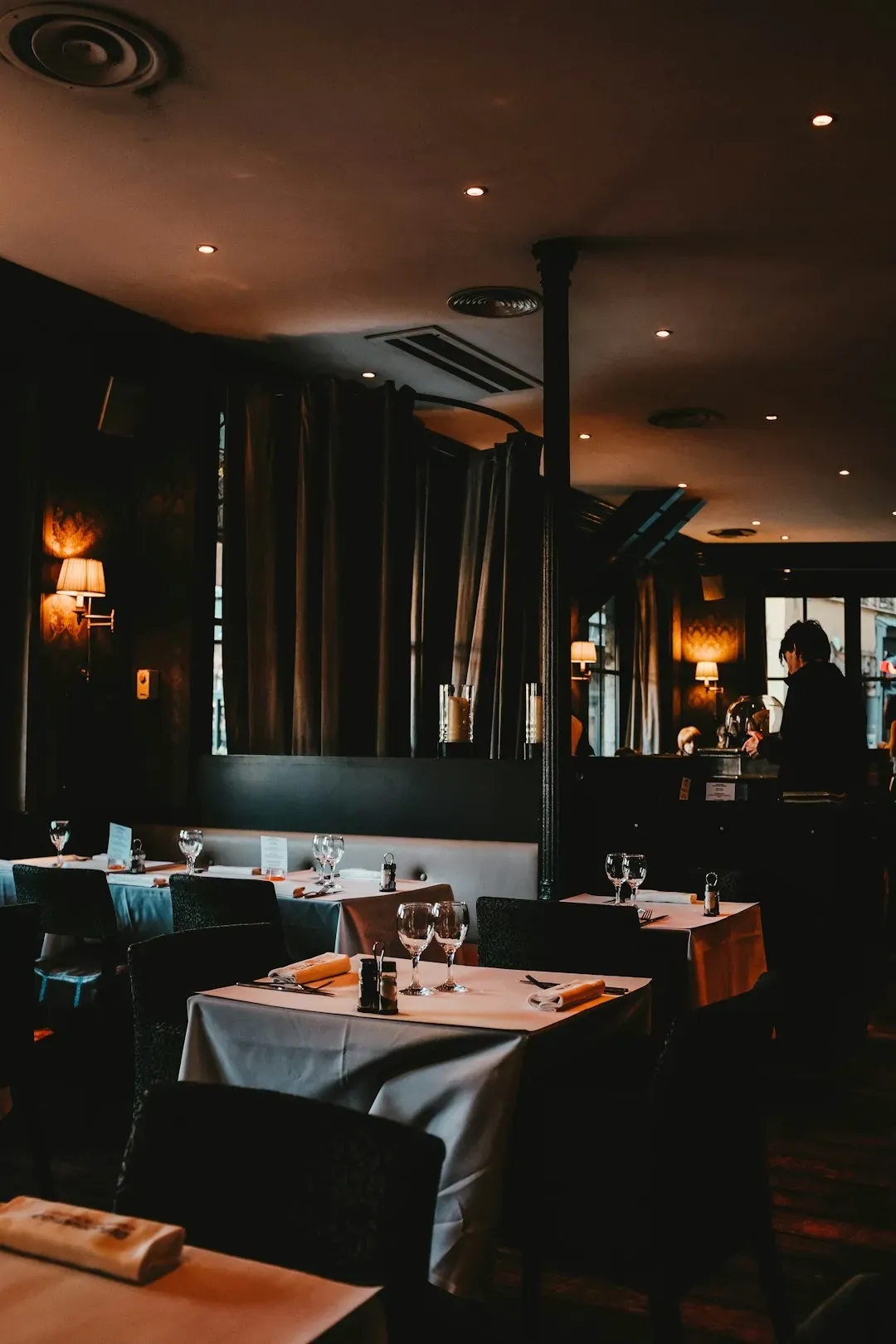
11. They rarely expect special treatment without a relationship (Image Credits: Unsplash)
Walking in and expecting the best table, immediate seating, or special attention without ever having built a rapport with the restaurant is a habit servers associate more with performed status than actual wealth. Guests with real financial comfort who become regulars usually earn preferential treatment over time through consistency and courtesy, not by announcing an expectation of it on a first visit.
There is a patience here too. These guests understand that a restaurant's best tables and quickest reservations are often the product of an ongoing relationship, and they are willing to build that relationship the normal way rather than demand shortcuts.
12. They rarely dress or act in ways designed to prove their wealth

12. They rarely dress or act in ways designed to prove their wealth (Image Credits: Unsplash)
Logos, flashy accessories, and conversation steered toward brand names tend to be less common among servers' accounts of genuinely wealthy regulars. Many dress simply, sometimes almost plainly, because the clothing does not need to do any convincing on their behalf.
This lines up with a broader pattern servers describe across many of these habits. The need to visibly signal wealth through appearance often correlates more with aspiration than with the financial security itself. Comfort tends to look understated rather than loud.
13. They rarely treat the meal as a transaction to be won
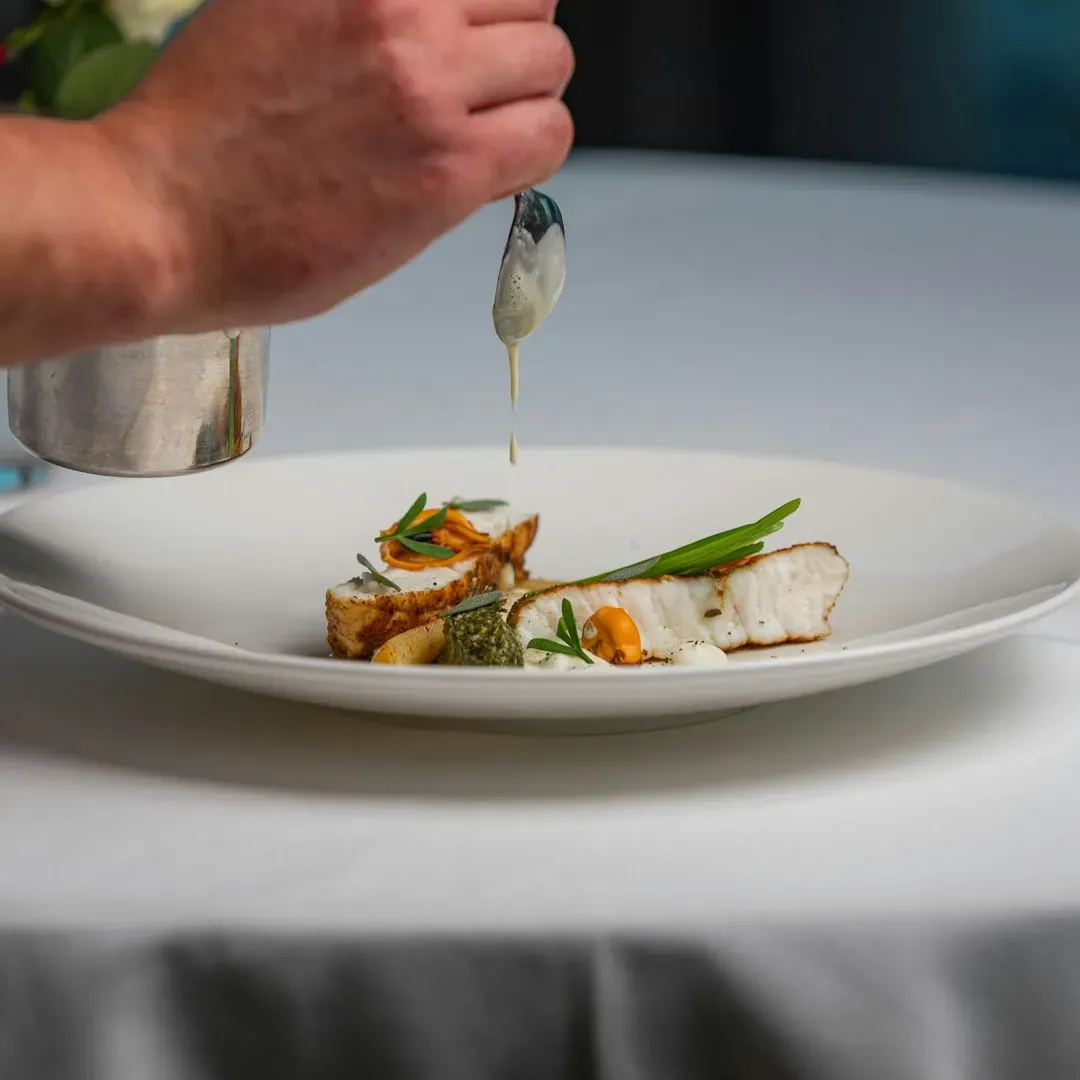
13. They rarely treat the meal as a transaction to be won (Image Credits: Unsplash)
Some guests approach dining out almost competitively, trying to extract maximum value, free extras, or discounts from every visit. Servers describe genuinely wealthy diners as far less likely to approach a meal this way, since the value of the evening is rarely measured strictly against the receipt.
Instead, the meal is treated as an experience worth paying for fully, without negotiation or gamesmanship. This mindset shift, from extracting value to simply enjoying the evening, is one servers say separates guests who have real financial ease from those still chasing the appearance of it.
Taken together, these habits point to something servers have long suspected from years of watching tables fill and empty. Genuine financial comfort tends to look quiet, patient, and courteous, while the loudest displays of wealth often come from somewhere else entirely. The best tip, so to speak, is that how someone treats a server usually says more than what they order.