
Social etiquette doesn’t change gradually. It tends to shift in sudden, quiet leaps, and then one day you realize that something perfectly ordinary from a few years back now earns you a hard stare or a terse response. The way we communicate and socialize today is a far cry from the manners most of us grew up with just a decade ago. That’s not necessarily a crisis. It’s just how it works.
A 2024 Pew Research survey found that nearly half of Americans think people in public are ruder now than before the pandemic, with about a third saying they see this rude behavior almost always or often. The irony is that many of the behaviors fueling that feeling were once considered perfectly polite. The rulebook didn’t disappear. It just got rewritten.
1. Calling Someone Without Texting First

1. Calling Someone Without Texting First (Image Credits: Pexels)
Phone-call etiquette has never been more complicated. Family members, coworkers, spouses, and friends can’t always agree on whether it’s acceptable to call someone without first alerting them via text, and the debate is intensifying: the more entrenched texting has become, the more people have come to find an unannounced call unacceptable. For most of human history, ringing someone’s phone was simply how you reached them.
Calling someone without texting first is now considered rude by many. In today’s world, a sudden phone call can feel like an intrusion. People are busy and like to prepare mentally for a conversation. Preference for text messaging is highest among those aged 18 to 24, and in a survey of white-collar professionals, just sixteen percent of Gen Z workers thought the phone was a productive form of professional communication.
2. Leaving a Voicemail

2. Leaving a Voicemail (Image Credits: Pexels)
Gen Z are digital natives and, as such, are used to more efficient ways of communication, which leads them away from voicemails in favor of texting or FaceTime. Not only do they tend not to use voicemail, but leaving one on their phone may cause serious irritation. As etiquette expert Diane Gottsman puts it, this is one of those things that has completely changed over the past decade. What once seemed like a polite way to leave a detailed message now registers as an inconvenient burden.
Leaving a voicemail in 2025 was seen by many as passive-aggressive. Modern etiquette guides now advise: don’t leave a voicemail, just text, because most people use voicemail transcription anyway and will likely read your words instead of listening. The expectation has flipped: if something really matters, send a text.
3. Showing Up at Someone's House Unannounced
3. Showing Up at Someone's House Unannounced (Image Credits: Pexels)
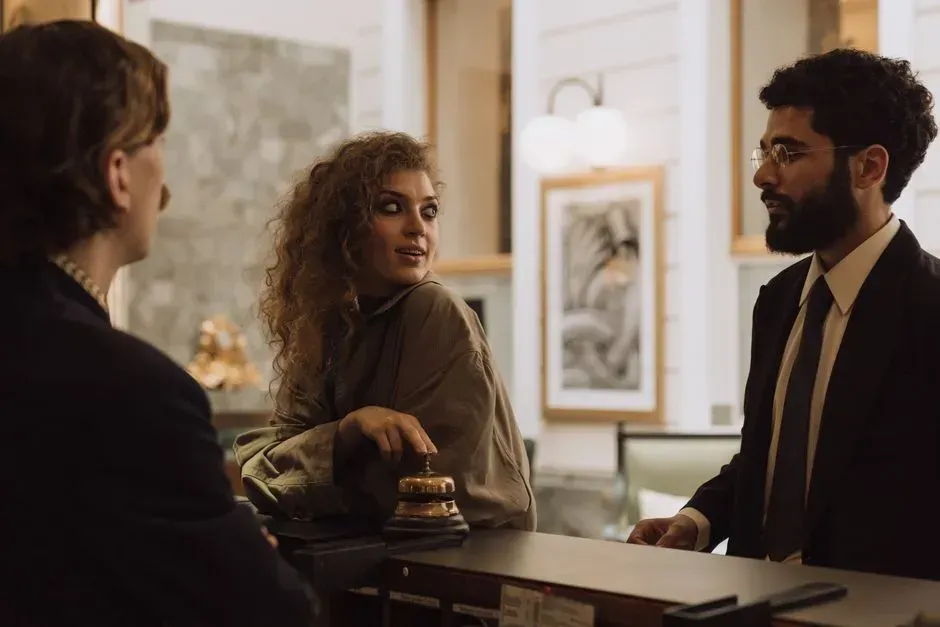
Dropping by someone’s home or office without calling first used to be friendly and spontaneous. These days, it’s more likely to be perceived as intrusive. With tighter schedules, work-from-home setups, and security concerns, most people prefer a heads-up. Even for close friends and family, a simple text goes a long way.
Most of us like surprises, but few people have an appreciation for drop-in guests. Welcoming guests is a duty of every host, even when a host wasn’t planning to play that role, which is precisely why unplanned or uninvited visitors can be an inconvenience. The work-from-home shift of the past several years made this even more pronounced, as home became both a private and a professional space simultaneously.
4. Using Speakerphone in Public

4. Using Speakerphone in Public (Image Credits: Pexels)
Not long ago, talking on your phone in public on speaker seemed like a modern convenience. Now, it’s viewed as disruptive, intrusive, and inconsiderate to everyone within earshot. Public transportation, coffee shops, and waiting rooms are especially sensitive areas for noise. The difference is that expectations around shared space have tightened considerably.
Speakerphone calls force everyone nearby to hear half a conversation they did not consent to. The sound pattern is unpredictable and distracting, making it nearly impossible for people to tune out. Always use headphones or move to a private spot. Using speakerphone in public spaces is now a firm no in modern etiquette.
5. Checking Your Phone During a Conversation

5. Checking Your Phone During a Conversation (Image Credits: Unsplash)
Once seen as the ultimate sign of disinterest, checking your phone mid-conversation is now surprisingly common. With so much communication and scheduling happening digitally, a quick glance is often framed as practical rather than rude. Social etiquette has adapted, recognizing that people may be multitasking or referencing information relevant to the discussion. That framing, though, hasn’t convinced everyone.
When you are with someone face to face, putting your phone away is the expectation. Checking it while someone is talking to you is rude and makes people feel unimportant. Modern etiquette means being fully present during conversations. Ignoring in-person conversations to check your phone sends a distinctly negative message. Ten years ago this behavior barely registered as a problem. Today it can quietly end a friendship.
6. Forwarding Group Texts or Mass-Tagging People on Social Media
6. Forwarding Group Texts or Mass-Tagging People on Social Media (Image Credits: Pixabay)
What you post online reflects your character, and many people do not realize that oversharing on social media is now considered poor etiquette. Avoiding posts about controversial topics, relationship drama, or personal complaints on public platforms has become an expected norm. Dragging others into that without their consent adds another layer of friction.
Not tagging people in photos without asking first, and thinking twice before commenting on someone’s post with negative opinions, are now considered baseline courtesies. Mass-tagging friends in promotional content, chain messages, or political posts was once just how people stayed connected online. In 2026, it reads more as spam than sincerity, and most people resent being pulled into a public thread without warning.
7. Showing Up Exactly on Time

7. Showing Up Exactly on Time (Image Credits: Pexels)
This one genuinely surprises people. Being precisely on time used to be the gold standard of respect. Somewhere in the last decade the math shifted, particularly in social settings. A 2024 study found that nearly half of people aged 16 to 26 said arriving five to ten minutes late is just as acceptable as being on time, with millennials not far behind at forty percent.
Technology plays a dual role here: we’re later than ever, but also hyper-connected. Because we can send a “running five minutes late” text, many people feel they’ve mitigated the rudeness. The technology creates a social permission slip for lateness. Arriving exactly on time for a dinner party, meanwhile, can catch a host still mid-preparation and create its own awkwardness. The social clock has simply shifted forward.
8. Making Sustained Eye Contact

8. Making Sustained Eye Contact (Image Credits: Unsplash)
Direct eye contact used to be a symbol of attentiveness, honesty, and respect. Holding someone’s gaze was taught as a sign of confidence and manners. It’s not that people are ruder than they used to be; it’s that the rules have changed. Social interactions now move faster, rely more on inclusivity and equality, and are shaped by digital norms. Behaviors that once signaled respect or civility may now come across as presumptuous, exclusionary, or even uncomfortable.
In many contexts today, prolonged eye contact reads as confrontational or socially aggressive rather than engaged. Neurodiversity awareness has also broadened the understanding that not everyone communicates comfort and attention through eye contact. What once counted as a polished social skill now requires much more nuanced reading of the room to deploy correctly.
9. Asking Personal Questions as Small Talk

9. Asking Personal Questions as Small Talk (Image Credits: Pexels)
Questions like “Are you seeing anyone?”, “When are you having kids?”, or “What do you do for work?” used to be perfectly standard conversation starters. They were considered friendly and interested, not probing or presumptuous. Today, many of those same questions land as intrusive, and social awareness around personal boundaries has changed the rules of casual interaction considerably.
There was a time when people wouldn’t even think of asking someone if their hair color, nails, or appearance involved any procedures. In recent years, people ask complete strangers remarkably personal questions that many cannot accept as a normal social interaction. The irony is that this shift runs in both directions. Some questions that were once taboo are now fine, while others that were once ordinary now feel invasive. Reading which is which is a new kind of social skill.
10. Replying to a Group Chat Immediately

10. Replying to a Group Chat Immediately (Image Credits: Pixabay)
Rapid response used to be a sign of enthusiasm and engagement. If someone messaged the group, you replied. Leaving a message unanswered, especially for hours, felt dismissive. Today, you are not obligated to be constantly reachable. It’s accepted to turn off your phone, let notifications pile up, and prioritize your own well-being. Boundaries are essential, and establishing healthy digital habits is considered important rather than antisocial.
The constant-availability expectation has flipped enough that responding to every message the instant it arrives can now read as boundary-less or even mildly pressuring to others. Asynchronous communication is now the norm, and people prefer control over their time, especially in remote or hybrid work environments. Firing back immediately to a group chat at 11 PM that no one else has responded to can generate its own discomfort.
11. Overly Deferential Behavior

11. Overly Deferential Behavior (Image Credits: Pexels)
Putting others first used to be the ultimate sign of good manners. Offering the first serving of food, stepping aside to let someone go ahead in line, or insisting someone else pick the restaurant all seemed like gestures of selflessness and generosity. When done excessively or with the wrong tone, however, this behavior can now be interpreted as passive-aggressive or indecisive. Younger generations, in particular, may prefer directness and mutual respect over overly deferential behavior.
Many older etiquette traditions were based on social hierarchies, gender norms, and assumptions that no longer reflect how we live and interact today. Being polite now requires something more nuanced: cultural awareness, adaptability, and emotional intelligence. It’s about knowing your audience, reading the room, and adjusting your behavior to match evolving norms. Constant deference, in short, can now make people feel more uncomfortable than respected.
12. Using Formal Titles in the Workplace

12. Using Formal Titles in the Workplace (Image Credits: Unsplash)
A decade ago, addressing a manager or senior colleague as “Mr.” or “Ms.” followed by their last name was standard in most professional settings. It signaled respect and professional distance. The rapid informalization of office culture, accelerated heavily by remote work, changed those norms at pace. First names became universal, and clinging to formal address can now feel stiff, even condescending, depending on the context.
In a wave of workplace culture change, many organizations dropped formal titles to be more of a team. Yet global employee engagement declined to twenty-one percent in 2024, with the figure in the US sitting at thirty-two percent. This etiquette shift has faded in most modern settings, especially in casual offices or social gatherings where hierarchy is more relaxed. Instead of signaling respect, overly formal address may now draw attention to power dynamics in ways that feel out of place.
13. Photographing Food or Moments Without Asking
13. Photographing Food or Moments Without Asking (Image Credits: Pexels)
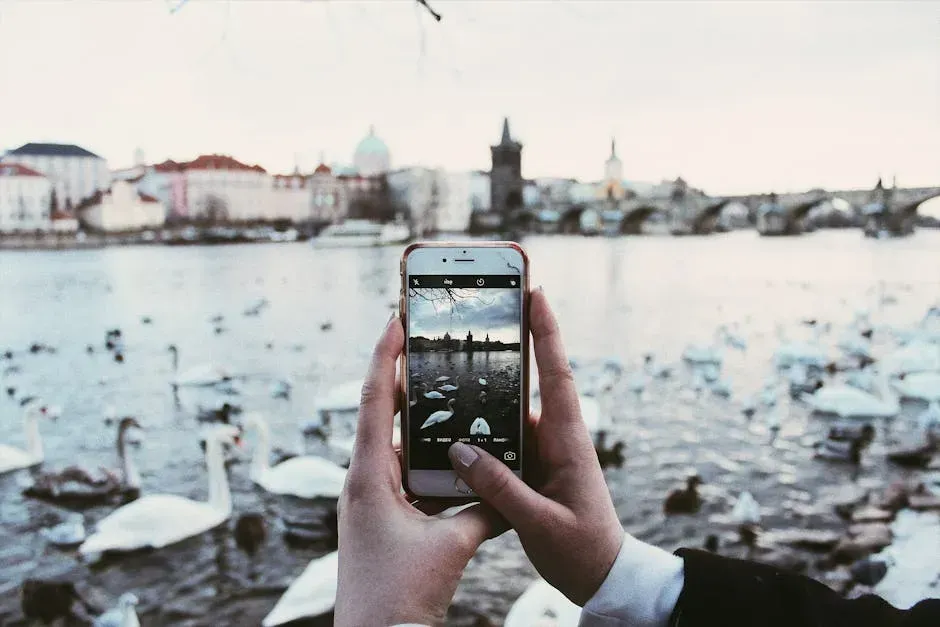
With smartphones everywhere, snapping photos in public has never been easier or more controversial. Filming strangers or taking selfies that capture others without permission is now considered disrespectful. Social media has blurred the line between public and private, making this a persistent issue. Many people feel violated when their image is shared without consent.
A major 2024 survey found that nearly three quarters of adults say it is rarely or never acceptable to take a photo or video of someone without asking for their permission. Even at a dinner table among friends, photographing the group without a quick “is this okay?” has shifted from a harmless habit to a small but real breach of trust. The gap between what we once assumed was public and what people now expect to keep private has closed significantly, and social norms around cameras have tightened accordingly.
The thread running through all thirteen of these habits is that none of them were ever born from bad intentions. They were just the rules of their time. What’s changed is that “their time” is now just a decade or so behind us, which is closer than it might feel. Etiquette has always evolved, but the pace of that evolution has picked up sharply, driven by technology, shifting values around privacy and autonomy, and the lingering social recalibration after years of disruption. Staying current doesn’t require obsessive self-monitoring. It mostly just requires paying attention to the people around you.