
Every generation rewrites the social contract to some degree. That’s not a new story. What makes the current gap feel sharper than usual is the speed of the shift and the scale of the technology driving it. Gen Z, especially, feels like they were raised on a different planet than their Boomer and Generation X parents, specifically because of how technology and the economy have impacted their lives. The result is a set of daily behaviors that feel perfectly natural to anyone born after the mid-1990s but register as borderline rude to anyone who grew up before the internet was everywhere.
None of this means one side is right and the other is wrong. Manners are not disappearing. They are changing shape. Younger generations still care about respect, but they often define it in terms of authenticity, consent, efficiency, boundaries, and emotional awareness rather than strict scripts. Still, the friction between these two worlds is real, and it plays out dozens of times a day in offices, restaurants, family dinners, and group chats. Here are thirteen specific places where that divide is most visible.
1. Answering the Phone With "Hello"

1. Answering the Phone With "Hello" (Image Credits: Unsplash)
Gen Zers will sometimes answer the phone without uttering a word, staying silent until the caller speaks to them. For many older callers, the idea of not greeting someone when they call feels almost incomprehensible. To anyone over 50 who grew up with landlines, picking up and saying “hello” is as automatic as breathing.
For Gen Z, though, it’s about digital survival. Many associate unknown or unprompted calls with conflict, correction, or spam. About forty percent of 18 to 24 year olds see no issue with answering or ending calls without “hello” or “goodbye,” which contrasts sharply with the more traditional expectations of older generations. The silence isn’t hostility. It’s a screening mechanism born from a lifetime of robocalls and scam numbers.
2. Calling Someone Without Texting First

2. Calling Someone Without Texting First (Image Credits: Unsplash)
For older generations, phone calls were the gold standard of connection. You picked up the receiver without knowing who was on the other end, and that unpredictability was kind of exciting. Younger generations, especially Gen Z, now consider calling without texting first not just inconvenient, but rude and disrespectful. The expectation has genuinely flipped.
Calling someone without a warning text is viewed by many younger people as an aggressive invasion of privacy rather than a friendly gesture. A BankMyCell communication trends report reveals that the vast majority of millennials experience phone anxiety, mainly because calls feel intrusive and time-consuming. For someone over 50, picking up the phone to call a friend on a whim was once the definition of being thoughtful. Today it can land very differently.
3. Listening to Voicemails

3. Listening to Voicemails (Image Credits: Unsplash)
Many younger generations haven’t set up their voicemail and don’t know, or care to know, how to check for messages. They are often confused or annoyed about why someone would leave a voicemail when the same thought or request could be shared by text. To a Boomer who grew up waiting for the answering machine to pick up, ignoring a voicemail entirely feels almost disrespectful.
Gen Z are digital natives and, as such, are used to more efficient ways of communication, leading them away from voicemails and phone calls in favor of texting or FaceTime. Not only do they tend not to use voicemail, but leaving a voicemail on their phone may cause serious irritation. This isn’t laziness exactly. It’s a genuine mismatch in what each generation considers a reasonable communication channel.
4. Sending Handwritten Thank-You Notes
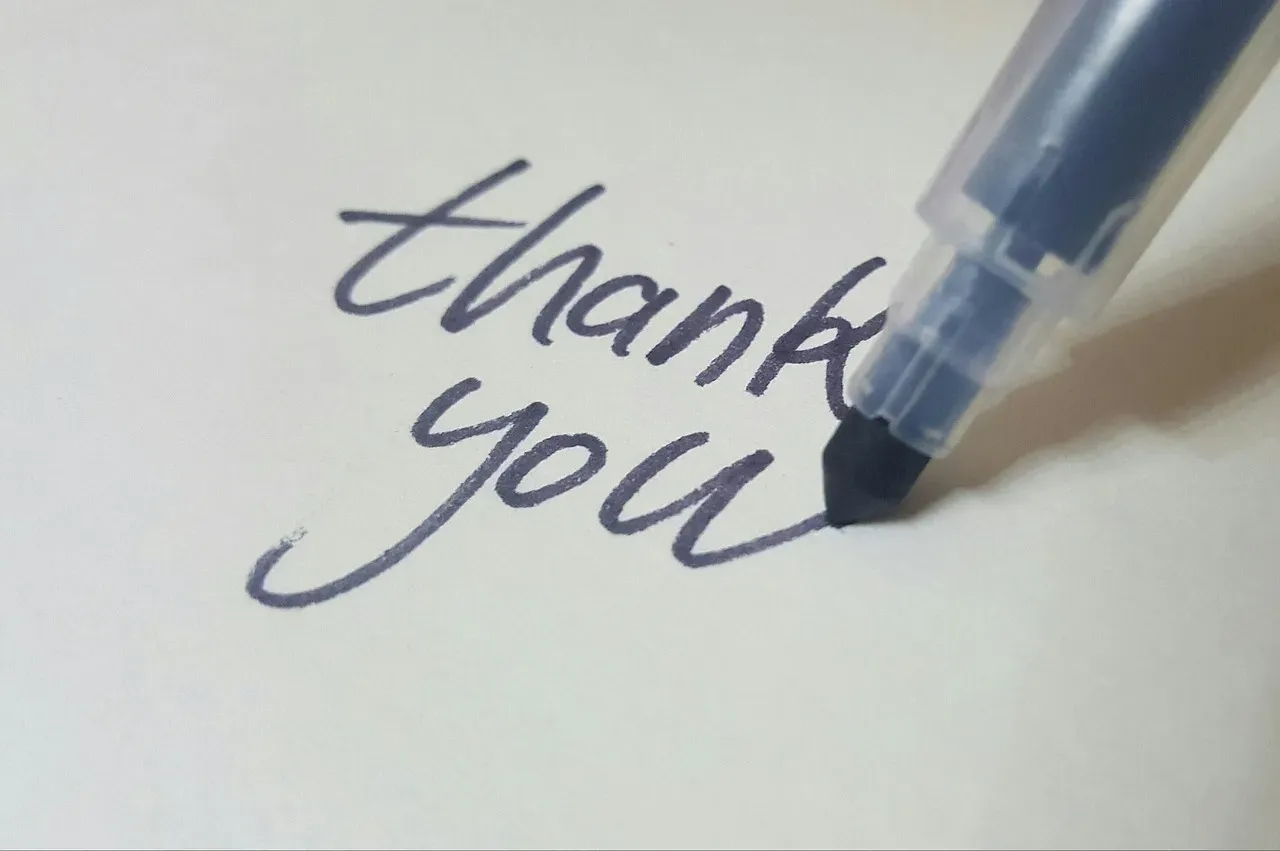
4. Sending Handwritten Thank-You Notes (Image Credits: Pixabay)
For decades, a handwritten note sent by mail was the gold standard for expressing gratitude after receiving a gift. Older generations often feel that a digital message lacks the effort and sincerity required for a proper thank you. Many people over 50 still keep stationery in a drawer for exactly this purpose and genuinely feel slighted when a quick text arrives instead.
Spending money on a card and stamp feels inefficient when a heartfelt text or video message lands instantly and saves paper. While a handwritten note was once the gold standard for expressing gratitude, it now feels wasteful and slow to many younger people. Most prefer a genuine digital acknowledgement that feels far more immediate and intimate. The intent behind the gratitude hasn’t changed. The medium has, completely.
5. Responding Promptly to RSVPs
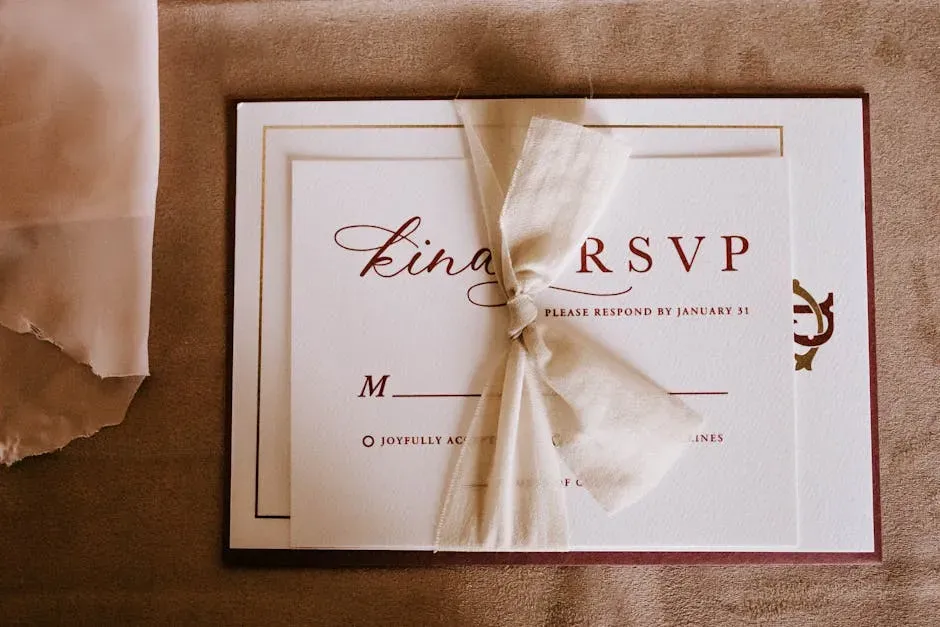
5. Responding Promptly to RSVPs (Image Credits: Pexels)
The RSVP rule once carried real power. Someone invited you. You responded by the deadline. You showed up if you said yes. Simple, elegant, and apparently now harder than assembling furniture without instructions. For anyone who has hosted a dinner party or planned an event, a pile of non-responses still genuinely stings.
Younger generations often plan through fluid group chats, soft commitments, and last-minute confirmations. “Maybe” can mean yes, no, emotionally unavailable, broke, tired, or waiting to see who else shows up. Digital invitations also make events feel less formal, so people sometimes forget that hosts still buy food, reserve space, and count chairs. The American Sociological Association notes that shifting work patterns, unpredictable schedules, and economic pressures have also contributed to the rise of last-minute planning.
6. Dressing to Show Respect for the Occasion

6. Dressing to Show Respect for the Occasion (Image Credits: Unsplash)
Once upon a time, people dressed up for flights, dinner, church, school events, and sometimes even trips to the grocery store. Older adults remember public appearances as a form of respect. You dressed like you cared because other people had to look at you. The outfit was a signal, a quiet form of regard for the occasion and the people sharing it with you.
Younger generations often prioritize comfort, self-expression, and practicality. Sneakers, hoodies, leggings, and casual workwear now appear in places that once demanded stiff collars and polished shoes. Remote work, streetwear, creator culture, and wellness fashion all helped rewrite the dress code. Showing up to a significant life event in jeans or sneakers can be seen as a direct insult by the older generation. Boomers often believe that the effort put into one’s appearance reflects the respect they have for the event.
7. Making Eye Contact During Conversations

7. Making Eye Contact During Conversations (Image Credits: Pexels)
A broader shift in behavior from the etiquette of the past is visible in actions ranging from disrespectful phone use and wearing sweatpants in public to difficulty maintaining eye contact. For people over 50, sustained eye contact during a conversation is a basic signal of attention and respect. Avoiding it reads as evasiveness, boredom, or dismissiveness.
Phones create a society where people’s social circles are tied to a device rather than what is right in front of them. More importantly, using phones prevents the development of critically important social skills like small talk. Gen Z grew up in an environment where much of their social life played out on screens, so shifting gaze to a device mid-conversation doesn’t feel like a slight. It often just feels like normal multitasking.
8. Keeping Phones Away at the Dinner Table
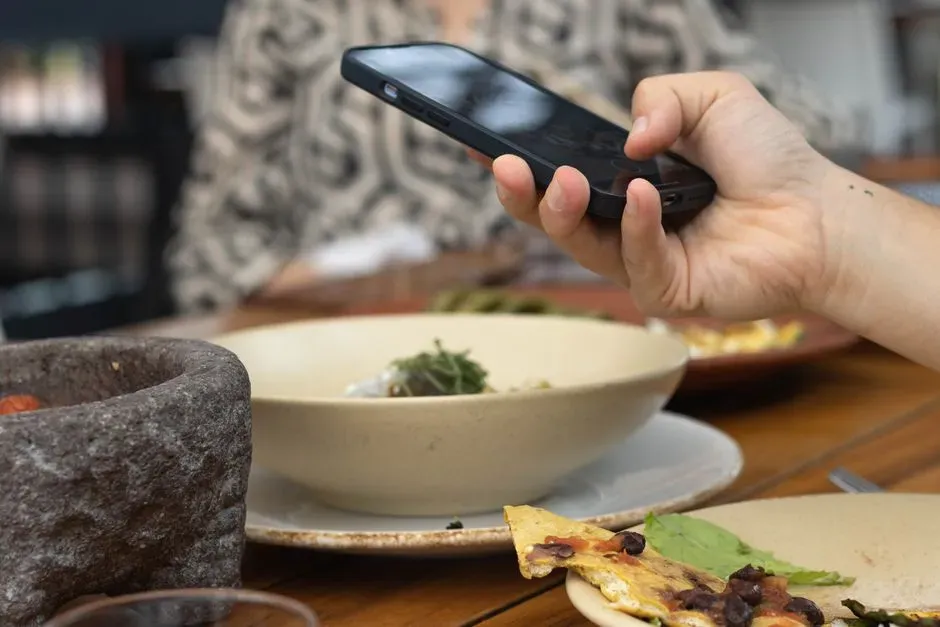
8. Keeping Phones Away at the Dinner Table (Image Credits: Pexels)
According to a study from the Consumer Technology Association, nearly eighty-six percent of Gen Zers between the ages of 11 and 26 believe technology is essential to their lives. Whether it’s work responsibilities, connecting with friends, or monitoring the news, cell phones and social media have become the epicenter of many young people’s lives. So, while it’s partially a habit to pick up their phone or glance at a screen mid-meal, the behavior is also driven by a desire to stay connected and informed.
Research from the Pew Research Center found that the vast majority of adults say phone use during social gatherings frequently or occasionally hurts the conversation. Younger individuals often perceive a quick text reply as a harmless bit of multitasking. They do not realize that the brief pause can feel like a significant social snub to older dining companions. That gap in perception is one of the most consistent sources of cross-generational friction at shared meals.
9. Using Formal Titles and Honorifics

9. Using Formal Titles and Honorifics (thetaxhaven, Flickr, <a href="https://creativecommons.org/licenses/by/2.0/" target="_blank" rel="noopener">CC BY 2.0</a>)
Younger adults often skip honorifics entirely. Instead of “Good afternoon, sir,” it’s “Hey, how’s it going?” A CNBC study found that Gen Z prefers casual greetings because they feel more equal and less hierarchical. Older generations may interpret this as disrespect, but for younger adults, it’s simply a more human way of connecting.
Formality in workplace communication sits at the heart of this divide. Older generations grew up in a world of memos and face-to-face exchanges, while Gen Z grew up with TikTok and Instagram, which naturally favor more casual and conversational language. To someone over 50 who was raised to address teachers as “Mr.” or “Mrs.” automatically, being called by a first name by a much younger colleague or employee can feel jarring, even if no offense was intended.
10. Arriving on Time
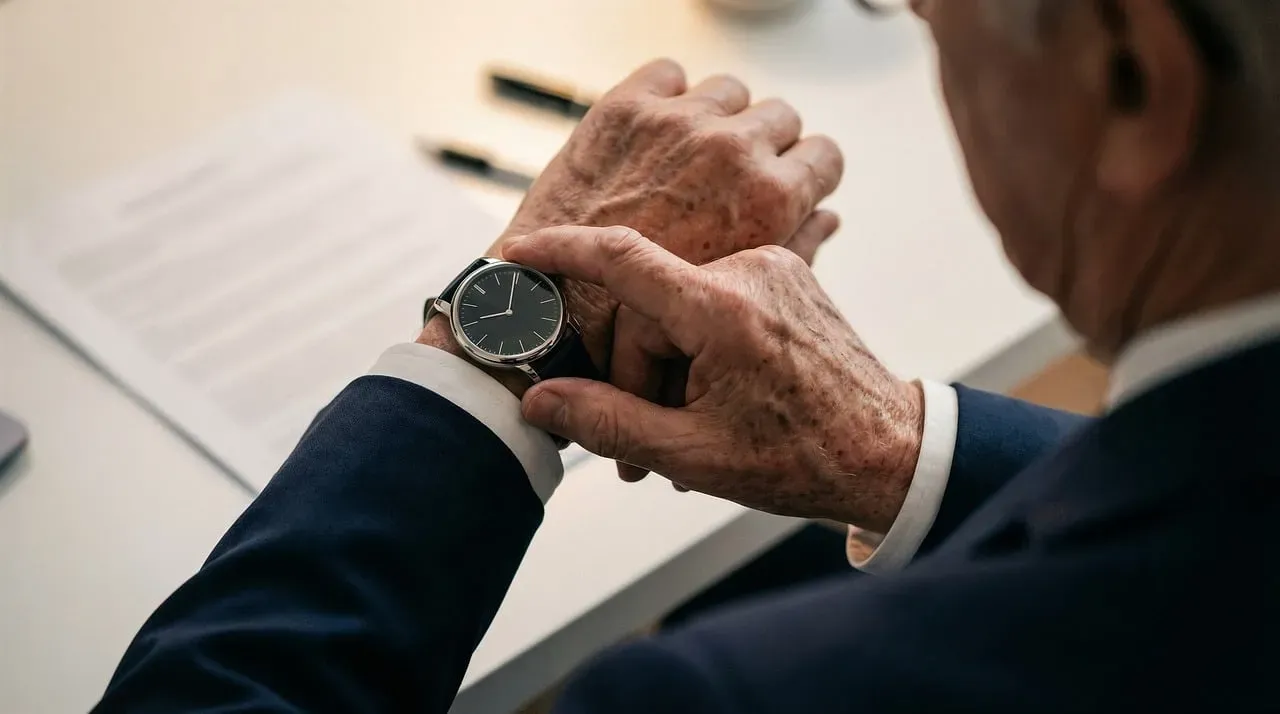
10. Arriving on Time (Image Credits: Pixabay)
Older etiquette often treated time like a moral test. Five minutes early meant on time. Right on time meant late. Punctuality carried a weight that went beyond logistics. Being on time meant you valued the other person’s schedule as much as your own. That was the message, and people over 50 largely still read it that way.
Gen Zers seem to show up late more often to casual plans. For many young people of this generation, being late is actually on time in a roundabout way. According to a survey by Meeting Canary, nearly half of Gen Zers say that arriving five to ten minutes late is still considered punctual, whereas about seven in ten Baby Boomers believe being exactly on time is already considered late. Two completely different clocks, running in the same room.
11. Engaging in Small Talk With Strangers

11. Engaging in Small Talk With Strangers (Image Credits: Pexels)
From making new friends to chatting with a grocery store employee, Gen Z largely refuses to engage in the kind of casual small talk older generations consider good manners. They struggle to cultivate in-person connections compared to older generations. With a hyper-awareness of unsettling news headlines online, many Gen Z people aren’t just uncomfortable with strangers but genuinely fearful of them, making small talk nearly impossible without the buffer of a screen.
People over 50 were raised in a world where brief exchanges with a cashier, a neighbor, or a waiting room stranger were simply part of being in public. Silence between people in close proximity felt awkward. Gen Z’s approach to talking and even ghosting is shaped by digital fluency, meme culture, and a deep craving for authenticity. Their tone might seem casual or even blunt to older generations, but Gen Z communication operates on unspoken rules that often prioritize emotional accuracy over social performance.
12. Splitting the Bill Evenly at Group Dinners

12. Splitting the Bill Evenly at Group Dinners (Image Credits: Pexels)
For decades, splitting a restaurant bill evenly among the table was standard practice among friends. It was understood as a casual, good-natured way to keep things simple and avoid the awkwardness of itemizing. People over 50 often still see someone pulling out a calculator to tally their exact share as needlessly transactional among friends.
Younger diners are hyper-aware of their budget and refuse to subsidize a friend who ordered expensive items while they had a salad. Budgeting is taken seriously, and technology enables precise payments rather than an arbitrary split. Paying exactly for what you consume is seen as the only fair way to handle group dining, and it prevents resentment from building up over financial discrepancies among friends. Apps like Venmo and Splitwise have made this kind of precision completely frictionless for anyone under 30.
13. Knocking or Calling Before Dropping By Someone's Home

13. Knocking or Calling Before Dropping By Someone's Home (Image Credits: Pexels)
Showing up at someone’s front door without an invitation is no longer a pleasant surprise to younger people, but a major source of anxiety. For anyone over 50, a spontaneous visit from a friend or neighbor was once a sign of closeness, warmth, and community. The door was open. You knocked, they answered, and life was a little less planned.
Younger generations still care about respect, but they often define it in terms of authenticity, consent, efficiency, boundaries, and emotional awareness rather than strict scripts. They may skip handwritten notes, dodge surprise calls, and dress casually. The unannounced visit has effectively become an extension of the same impulse that makes cold calling feel intrusive. Consent to someone entering your space, even digitally, is a value Gen Z takes seriously in a way that older generations simply weren’t raised to think about. The door used to always be open. Now, you send a text first.
What runs through all thirteen of these shifts is the same underlying tension: one generation measures respect through form, the other measures it through intent. Etiquette evolves to adapt to the times, but manners are a constant because manners are more about how we treat other people, rather than strict rules for how things should be done. Manners are about being mindful of others and showing respect for them. Whether that respect looks like a handwritten card or an immediate voice note probably matters less than whether it’s genuinely felt.