
There’s a quiet financial gap hiding behind the surface of everyday American life, and it has less to do with income brackets than most people assume. The real divide between middle-class and wealthy households often shows up not in the size of their paychecks, but in the texture of their daily spending decisions. Some of the biggest money drains on middle-class budgets are things that barely register for genuinely wealthy families, not because rich people are more virtuous, but because they simply think about money differently.
The average U.S. consumer spent around $78,535 in 2024, while middle-class households, defined as the third income quintile, came in at around $55,900 per year. Spending behaviors among middle-class Americans reveal real signs of financial strain. They’re still spending on necessities and some discretionary categories, but many are essentially treading water just to keep up with their bills. Here are thirteen spending patterns that quietly separate the two groups.
1. Financing Brand-New Cars with Long-Term Loans

1. Financing Brand-New Cars with Long-Term Loans (Image Credits: Pexels)
Middle-class families often see a new car as a milestone, a reward for hard work, or a symbol of stability. Wealthy people tend to see it as something else entirely: a rapidly depreciating asset. The moment a new car leaves the dealership, it loses a significant portion of its value. As of November 2024, the average transaction price for a new car in the United States was $48,397, a price point that places a heavy financial burden on the middle class when paired with large monthly payments and expensive auto insurance.
According to LendingTree, as of the second quarter of 2024, the average monthly payment for a new car in the U.S. was $734. While middle-class families stretch their budgets for that new car smell, wealthy individuals often buy cars that are two to three years old, letting someone else absorb the depreciation hit. Buying a two-to-three-year-old vehicle can save $10,000 to $15,000 while still providing modern safety features and newer technology, and certified pre-owned vehicles often come with warranties comparable to new cars.
2. Carrying High-Interest Credit Card Debt

2. Carrying High-Interest Credit Card Debt (Image Credits: Unsplash)
Many middle-class families with credit card interest rates around 15 percent are spending more than nearly a third of their monthly income on debt payments, further undermining their ability to save for emergencies, retirement, and rising costs. This isn’t always the result of poor decisions. Often it reflects the reality of incomes that simply haven’t kept pace with the cost of living.
The wealthy play a different game entirely. They use credit strategically, often paying balances in full each month to build points or leverage cash flow. The Philadelphia Fed reported that the share of credit card users making only minimum payments hit 11.1 percent in Q4 2024, the highest in over a decade. That figure tells the story of a middle class that isn’t using credit as a tool so much as a lifeline.
3. Accumulating Multiple Streaming and Subscription Services

3. Accumulating Multiple Streaming and Subscription Services (Image Credits: Pexels)
Deloitte’s 2025 Digital Media Trends survey found the average American pays for four streaming services alone at a combined monthly cost of $69, a 13 percent year-on-year increase. When all subscription categories are included, including software, cloud storage, fitness, food delivery, music, and more, the number of active subscriptions per person climbs to 8.2.
Perhaps the most significant finding is the scale of the perception gap. Research by C+R Research found that consumers estimated their monthly subscription spend at $86, while their actual itemized total averaged $219, a gap of roughly two and a half times what they thought they were spending. The average adult in the U.S. spends about $1,080 per year on recurring subscriptions to services including streaming, virtual publications, e-commerce sites, and meal preparation kits. Wealthy households, meanwhile, are far more likely to audit these recurring charges and cut anything that doesn’t consistently earn its keep.
4. Extended Warranties on Consumer Electronics

4. Extended Warranties on Consumer Electronics (Yutaka Tsutano, Flickr, <a href="https://creativecommons.org/licenses/by/2.0/" target="_blank" rel="noopener">CC BY 2.0</a>)
Extended warranties typically cost 10 to 30 percent of the product price. Most major credit cards automatically extend manufacturer warranties by one to two years, and products typically either fail within the manufacturer’s warranty period or well beyond any extended coverage window. This means middle-class families are often paying a premium for protection they already have or will never use.
Wealthy individuals tend to have broader insurance policies in place to cover personal property at much more favorable rates per dollar compared to an extended warranty on a single item. Rather than adding extended warranties to individual purchases, a comprehensive policy covering a range of personal property often makes far more financial sense. It’s a small shift in thinking, but it reflects a broader pattern of how wealthy households evaluate the real cost of every purchase.
5. Renting Self-Storage Units for Years at a Time

5. Renting Self-Storage Units for Years at a Time (Image Credits: Pixabay)
One third of Americans currently use self storage, with a further 18 percent intending to rent some in the future. The average self-storage street rate for a standard 10-by-10 foot unit runs about $118 per month, with climate-controlled units averaging closer to $132. For many middle-class families, this becomes a recurring monthly cost that stretches on for years without a clear exit plan.
High mortgage rates have essentially locked millions of Americans into home sizes that no longer fit their lives, and the self-storage market is feeling it. Roughly 16 percent of Americans have already rented a storage unit just to cope with this mismatch, and another 25 percent are thinking about it. Wealthy households rarely accumulate possessions at this pace or, when they downsize, they do so deliberately. Paying monthly just to house forgotten furniture is largely a middle-class phenomenon.
6. Playing the Lottery Regularly

6. Playing the Lottery Regularly (Image Credits: Pexels)
Americans spent about $125 billion on lottery tickets in 2024, more than they spend on music, sports tickets, movie tickets, and books combined. An estimated 40 million households are habitual players, accounting for roughly 80 percent of the spending, representing about $2,500 of annual lottery spending per household. That’s a significant slice of a middle-class family’s discretionary budget.
Less well-to-do households shell out considerably more on lotteries than wealthier ones. The average adult living in the poorest zip codes spends nearly 5 percent of their income on lottery tickets annually. Wealthy households don’t generally need a fantasy exit from their financial situation. That’s precisely the difference. The lottery is, in many ways, a tax on financial desperation, and the middle class absorbs far more of it than any other group.
7. Lifestyle Inflation After Every Pay Raise

7. Lifestyle Inflation After Every Pay Raise (Image Credits: Unsplash)
Lifestyle inflation occurs when people spend more as their income increases, a phenomenon that has plagued millions of middle-class families during the post-pandemic era. While average wages rose considerably between 2020 and 2024, the personal savings rate fell during the same period. Each raise gets absorbed almost immediately into a bigger car payment, a nicer apartment, or fancier restaurants.
Wealthier individuals avoid the lifestyle creep trap by maintaining a consistent, values-based spending plan, rather than upgrading necessary and unnecessary items with every increase in income. The middle class often justifies small expenses that add up over time, treating themselves to frequent small purchases that feel inconsequential individually. The wealthy tend to track spending carefully and cut costs that don’t align with their goals, even small ones, while spending freely on investments in their education, health, or business capabilities.
8. Overspending on Children's Extracurricular Activities

8. Overspending on Children's Extracurricular Activities (Image Credits: Pexels)
Americans are going overboard on sports and extracurricular activities that have become far too expensive. Many parents genuinely want to give their kids the best, but there are ways to get children exposure to programs that don’t cost a small fortune every season. Travel sports teams, elite dance academies, and private coaching add up in ways that can quietly destabilize a household budget over several years.
Surveyed parents who were actively working and supporting children said they contribute twice as much to their kids’ activities as they do to their own retirement funds. Wealthy families approach this differently, structuring support with clear boundaries and timelines rather than open-ended monthly commitments. The instinct to invest in children is admirable, but middle-class families often do it at the direct expense of their own financial future.
9. Buying Fast Fashion Instead of Lasting Quality
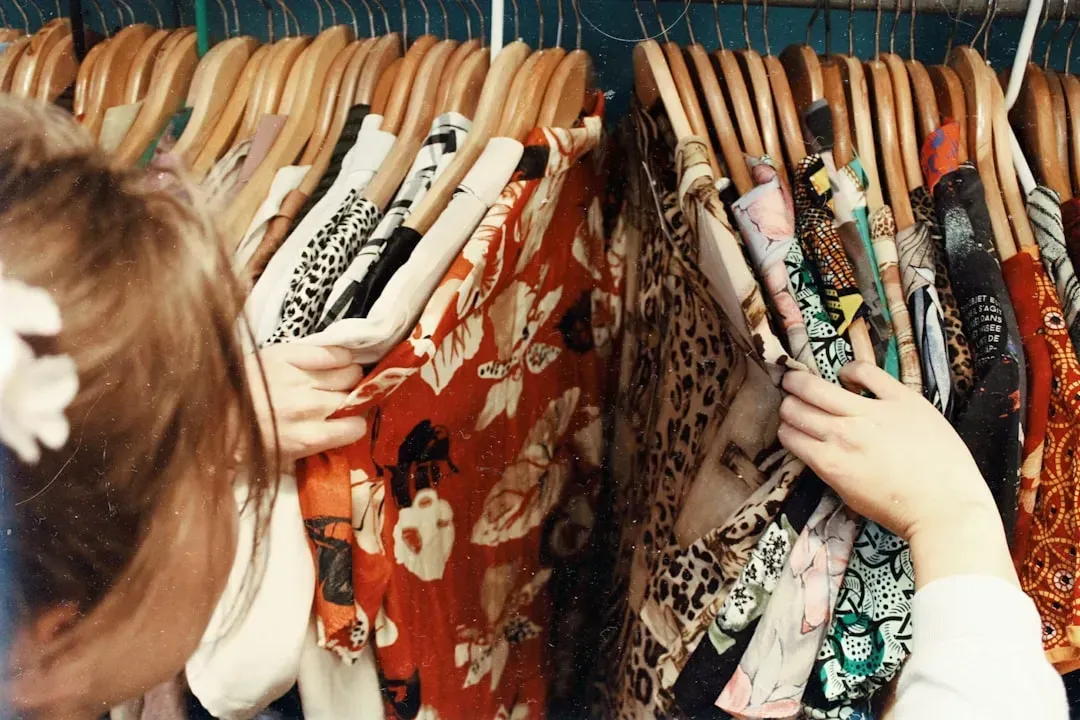
9. Buying Fast Fashion Instead of Lasting Quality (Image Credits: Unsplash)
Research has shown that wealthy people are more likely to purchase high-quality clothing and furniture than people who earn less than the national median household income. They avoid buying fast fashion or cheaply made goods in favor of items that last much longer. The math often works out in their favor over time, even though the upfront price is higher.
American consumers have more clothing than ever and are continually acquiring more. It’s easy to overspend on a cheap sweatshirt here and there, and unless you maintain a carefully curated wardrobe, there’s a good chance you’re not wearing most of the clothing you already own. The middle-class habit of constantly refreshing a wardrobe with inexpensive pieces costs more cumulatively than buying fewer, better-made items ever would.
10. Debt-Financed Vacations

10. Debt-Financed Vacations (Image Credits: Unsplash)
Many low- and middle-class households are going into debt to fund vacations, according to a 2024 study, largely trying to mediate the chronic stress they experience in their daily routines. Many middle-class families overspend on vacations that strain their finances, from resort packages to shopping abroad to high-interest travel loans. The trip feels amazing, until the credit card statement arrives.
Wealthy individuals travel often, sometimes lavishly, but rarely on borrowed money that takes months to repay. Airlines are increasingly targeting affluent consumers by adding more premium seats, noting that wealthy consumers continue to travel even as lower- and middle-income households have pulled back. The experience of the trip may be identical, but the financial aftermath is completely different depending on which group is footing the bill.
11. Emotional and Impulse Spending

11. Emotional and Impulse Spending (Image Credits: Pexels)
Middle-class individuals often fall into the trap of what financial educators call “low-mood spending,” meaning they purchase items not because they truly need them but for a fleeting dopamine rush or to momentarily boost their mood. Such spending habits manifest in various ways, from indulging in takeout and splurging on new clothes, to buying alcohol, electronic games, hobby-related items, gym equipment, or plants.
Immediate gratification and impulse purchases are far less common among wealthy individuals. Emotional spending decisions, buying items they don’t need during sales or when stressed, are notably less frequent for this group. There is a fundamental difference in mindsets. While middle-class spending often reflects aspirations or immediate desires, wealthy spending reflects calculated decisions designed to preserve and grow wealth over time, with each purchase evaluated not just for its immediate benefit but for its impact on long-term financial health.
12. Paying for Unused Gym Memberships

12. Paying for Unused Gym Memberships (Image Credits: Unsplash)
Average gym memberships cost between $40 and $100 monthly, plus initiation fees. Essential home gym equipment costing $500 to $1,000 provides lasting value, and digital fitness subscriptions at $15 to $30 per month offer professional instruction at home. Public parks, community centers, and bodyweight exercises also provide free alternatives.
The middle-class pattern here is familiar. The membership gets purchased in January, used enthusiastically through February, and then quietly ignored for the remaining ten months while the monthly charge rolls on without interruption. Wealthy households are far more deliberate about recurring expenses that deliver inconsistent value. Wealthy people regularly audit their recurring expenses and remove anything that doesn’t provide ongoing value, recognizing that small monthly charges accumulate into significant annual financial waste.
13. Taking on Student Loan Debt Without a Clear Return on Investment

13. Taking on Student Loan Debt Without a Clear Return on Investment (Image Credits: Pixabay)
Going to college is seen as the gateway to opportunity, and many families are willing to pay any price for their child to get ahead. Finance experts who have observed the student loan crisis firsthand note that it’s alarming how institutions offer massive loans to young adults from middle-class families without those students having a full grasp of the financial commitment. Excessive debt loads make it harder for young adults to gain traction, along with the parents who may have co-signed those loans.
Getting an education is becoming more expensive, and millions of people struggle to afford tuition or pay off student loans. Interestingly, the top one percent of earners spend almost 6 percent of their income on education, while the middle class spends just over 1 percent. The difference is that wealthy families tend to direct that spending toward education as a strategic investment with a clear outcome in mind, whether it is private schooling, elite graduate programs, or professional development, rather than funding four-year degrees with uncertain career returns on borrowed money at high interest rates.
The patterns here aren’t meant to assign blame. Many middle-class families are essentially in a “Costco economy,” not yet in full-blown panic mode but increasingly shopping at discount and wholesale retailers to stretch every dollar, buying in bulk, and doing whatever they can to save. The spending gaps between middle-class and wealthy households are real, but they’re also deeply shaped by structural pressures that go far beyond personal choice. Still, identifying where money quietly disappears is the first step toward redirecting it somewhere better.