
There’s a quiet confidence in people who seem genuinely at ease with themselves. They order dessert without commentary. They nap on a Saturday without first earning it. They rewatch a favorite show for the third time without apologizing for it. It’s not carelessness, it’s perspective. They’ve figured out something that a lot of us resist: not every small pleasure needs to be justified.
The way we feel about our so-called guilty pleasures usually says more about societal pressure and expectations than about the indulgence itself. The more that psychologists learn about the science of small joys, the more it seems like these little things don’t merely have the power to make us genuinely happier, they could provide lasting health benefits as well. What follows are 14 indulgences that content people have quietly stopped apologizing for.
The Midday Nap

The Midday Nap (Image Credits: Pixabay)
Few things carry as much undeserved shame as lying down in the afternoon. Many people treat it like a confession of laziness. The science, though, tells a completely different story. One of the most noticeable and immediate benefits of taking an early afternoon nap is the enhancement of cognitive function. A short power nap of 20 to 30 minutes can significantly boost alertness, concentration, and productivity, making nappers more efficient in their daily tasks.
Naps taken mid-afternoon can enhance alertness, sustained attention, declarative memory, and the capacity to attain new knowledge. Daytime napping offers numerous benefits, including cognitive enhancement, mood regulation, and improved well-being. Frequent naps may also help postpone the neurodegenerative effects of ageing. Content people know the nap isn’t a sign of weakness. It’s just good maintenance.
Comfort Food Without the Guilt Spiral

Comfort Food Without the Guilt Spiral (Image Credits: Unsplash)
Genuinely content people can eat a bowl of mac and cheese on a Tuesday night without it becoming a moral event. They enjoy it, move on, and don’t punish themselves with compensatory behavior the next morning. Research suggests that comfort foods remind us of close relationships, which can reduce loneliness, and many comfort foods contain chemicals that increase serotonin levels, making us feel calm and happy.
Food can have a powerful effect on mood and well-being, so occasionally reaching for things that you associate with calm and comfort may help you feel more relaxed and happier. The difference between someone who enjoys a treat and someone who suffers through it often comes down to whether they’ve decided the treat was allowed in the first place. Content people tend to make that decision in advance and stick to it.
Reading Fiction for Pure Pleasure

Reading Fiction for Pure Pleasure (Image Credits: Pexels)
In a culture obsessed with productivity, reading a novel that doesn’t teach you anything “useful” can feel indulgent. Many reach instinctively for self-help titles or business books instead. Yet studies have found that reading fiction can have a profound impact on well-being, from improving cognitive abilities to reducing stress and anxiety.
To put yourself in the shoes of others and grow your capacity for empathy, you can hardly do better than reading fiction. Multiple studies have shown that imagining stories helps activate the regions of your brain responsible for better understanding others and seeing the world from a new perspective. Research also shows that regular reading can lower blood pressure, reduce stress, and improve sleep quality. That novel you’re “wasting time” with is doing real work.
Spending Time Alone on Purpose

Spending Time Alone on Purpose (Image Credits: Pixabay)
Not every person who turns down a social invitation is struggling. Some people genuinely choose solitude as a form of renewal rather than retreat. This distinction matters. Research shows that alone time can actually boost overall well-being, increasing emotional regulation, contentment, and creativity.
Content people have made peace with the fact that recharging alone is not antisocial, it’s practical. They don’t perform enthusiasm for social obligations they’d rather skip. Engaging in activities that bring us joy, even if they seem trivial or unnecessary, can actually be beneficial for our mental and emotional wellbeing. It can be a form of self-care and relaxation, giving us a break from the routine stresses and pressures of daily life.
Rewatching a Favorite Show or Film

Rewatching a Favorite Show or Film (Image Credits: Unsplash)
There are hundreds of new shows to discover and thousands of movies you haven’t seen. So why rewatch something you’ve already seen twice? Content people don’t need a better reason than this: it feels good. Familiar stories reduce uncertainty, which is genuinely calming for the nervous system. According to neuroscientists, seeking out and savouring brief moments of positivity triggers the release of feel-good chemicals in the brain.
This includes neurotransmitters such as dopamine, serotonin, and oxytocin, as well as endorphins, which improve mood and reduce pain and stress. Rewatching something beloved is essentially a reliable delivery system for those chemicals. There’s nothing intellectually shallow about wanting a guaranteed good hour.
Buying Something Small and Frivolous

Buying Something Small and Frivolous (Image Credits: Gallery Image)
A fancy candle. An overpriced coffee. A book that was already on the shelf in paperback but now has a beautiful hardcover edition. Content people occasionally spend money on small things that serve no practical purpose, and they don’t conduct a lengthy internal tribunal about it afterward. The ability to savour the moment directly leads to higher subjective well-being and increases the likelihood that financial satisfaction will lead to greater life satisfaction and emotional well-being.
The key, as researchers note, isn’t the object itself but the relationship with the decision. Whether or not having a reason to indulge matters depends on the person. High self-control individuals are happier when they can justify an indulgent purchase, while others are genuinely happier when they simply allow themselves the treat without needing a reason. Content people know which type they are, and they act accordingly.
Doing Absolutely Nothing for a Stretch of Time

Doing Absolutely Nothing for a Stretch of Time (Image Credits: Unsplash)
Not meditating. Not listening to a podcast. Not “resting productively.” Just sitting somewhere quiet and letting the mind wander. This is increasingly rare and increasingly valuable. True idleness, the kind where there is no output expected, is something content people protect without apology. When indulged mindfully, small pleasures can act as a form of self-care, providing much-needed breaks and a sense of fulfillment. They remind us that life isn’t just about productivity and responsibility, but also about enjoying the simple pleasures that make us happy.
The modern discomfort with doing nothing often reflects external pressure rather than a genuine internal need to always be occupied. The ability to simply indulge in relaxation or enjoyment without intruding thoughts is telling. Those who can do that report greater happiness and well-being. That capacity to just exist for a moment is rarer than it sounds, and worth cultivating.
A Long, Hot Bath or Shower with No Time Limit

A Long, Hot Bath or Shower with No Time Limit (Image Credits: Pexels)
There is a version of self-care that has become elaborate and expensive, and then there is a long bath on a quiet evening that costs almost nothing but feels deeply restorative. Content people take the bath. They don’t rush it. Engaging in activities that bring us joy, even if they seem trivial or unnecessary, can be beneficial for our mental and emotional wellbeing. It can be a form of self-care and relaxation, giving us a break from the routine stresses and pressures of daily life.
The physical sensation of warmth is genuinely calming to the nervous system, and the act of creating uninterrupted time for yourself carries its own psychological value. Numerous studies have suggested that people who are more grateful for the little things in their lives have lower levels of depression and reduced stress, a known driver of biological ageing. A long bath counts as a little thing worth appreciating.
Sleeping In on a Day Off

Sleeping In on a Day Off (Image Credits: Pexels)
The cultural pressure to rise early and seize the morning is strong enough that sleeping until nine or ten on a weekend can feel almost transgressive. Content people mostly ignore that pressure when their body asks for rest. Sleep is not laziness dressed up in pajamas. It’s a biological necessity that supports every other aspect of function and mood. Daytime naps and extended rest significantly boost alertness, sustained attention, declarative memory, and learning capacity. They also boost resilience while improving mood.
Sleep contributes to cognitive resilience by reducing oxidative stress and preventing synaptic overload. It plays a vital role in restoring bodily equilibrium, supporting immune function, neural repair, and metabolic regulation. Sleeping in when the body genuinely needs it isn’t a character flaw. It’s maintenance, and content people treat it that way.
Listening to "Embarrassing" Music
Listening to "Embarrassing" Music (Image Credits: Pexels)
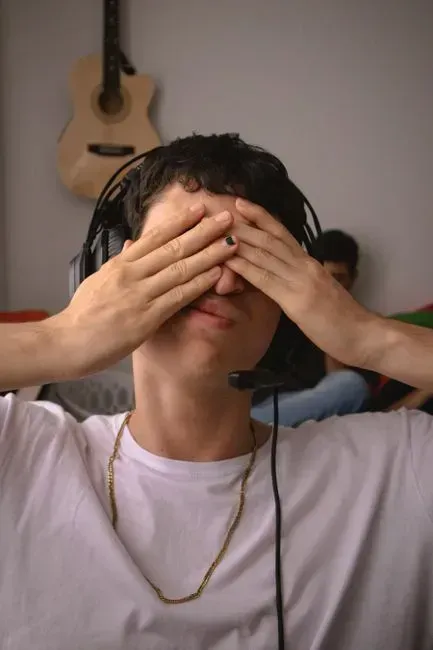
Everyone has a playlist they’d rather not explain. Early 2000s pop. Power ballads. A boy band from a decade they’d prefer to forget. Content people still listen to it, usually at full volume. The more embarrassed people feel about a guilty pleasure, the less likely they are to share it with others. Whether the audience is a stranger, an acquaintance, or a close friend, embarrassment consistently holds people back from sharing these pleasures.
Genuinely content people have largely bypassed that mechanism. They’ve separated the social judgment from the actual experience, and they’ve chosen the experience. Serotonin acts as a mood stabilizer, fostering a sense of peace and satisfaction, while dopamine fuels the drive for pleasure and reward. Music, particularly music tied to personal memory, is one of the fastest routes to both.
Canceling Plans to Stay Home

Canceling Plans to Stay Home (Image Credits: Pexels)
There’s a specific relief that comes from an event canceling that many people recognize immediately. Content people don’t feel guilty about occasionally creating that relief themselves. They cancel plans when they’re genuinely depleted, and they do so without constructing elaborate excuses. There is reason to believe that indulging in guilty pleasures can help you feel more connected to yourself and others if you’re feeling socially isolated.
The distinction is between habitual avoidance, which can become isolating, and occasional recalibration, which is simply honest self-awareness. Content people know the difference in themselves. Saying no to one evening out so that the next three can be genuinely engaged is not antisocial behavior. It’s resource management.
Lingering Over a Meal Alone

Lingering Over a Meal Alone (Image Credits: Pexels)
Eating a proper meal alone, at a table, without a screen, without rushing, is something content people do without feeling self-conscious about it. It’s a quiet skill that takes some practice, particularly in a culture where eating alone in public is still widely treated as something to remedy quickly. The solo meal, done properly, is actually a form of presence. Research has indicated that people living in higher-indulgence cultures have a greater degree of subjective well-being than those in restraint cultures.
Savoring food slowly and without distraction connects to a broader capacity for enjoyment that content people tend to have more generally. In moderation, guilty pleasures can be less guilty and more pleasurable. The first few bites of something genuinely good, eaten without hurry, have a quality that eating on autopilot never produces.
Spending a Whole Afternoon on a Hobby That Serves No Purpose

Spending a Whole Afternoon on a Hobby That Serves No Purpose (Image Credits: Pexels)
Knitting a scarf that nobody needs. Building a model that will sit on a shelf. Tending to a garden that produces more zucchini than anyone can eat. Content people have hobbies that don’t optimize for anything. The science of small joys suggests these little things don’t merely have the power to make us genuinely happier, they could provide lasting health benefits. Learning to appreciate small pleasures and working more of them into daily life tends to make people feel better in both the short and long term.
Fiction, like purposeless creative activity, is a uniquely powerful way to understand others, tap into creativity, and exercise your brain. The same is true of any absorbing hobby pursued for its own sake. The absence of a measurable outcome is the point. Content people understand that not everything needs a return on investment.
Revisiting Childhood Pleasures Without Irony
Revisiting Childhood Pleasures Without Irony (Image Credits: Unsplash)
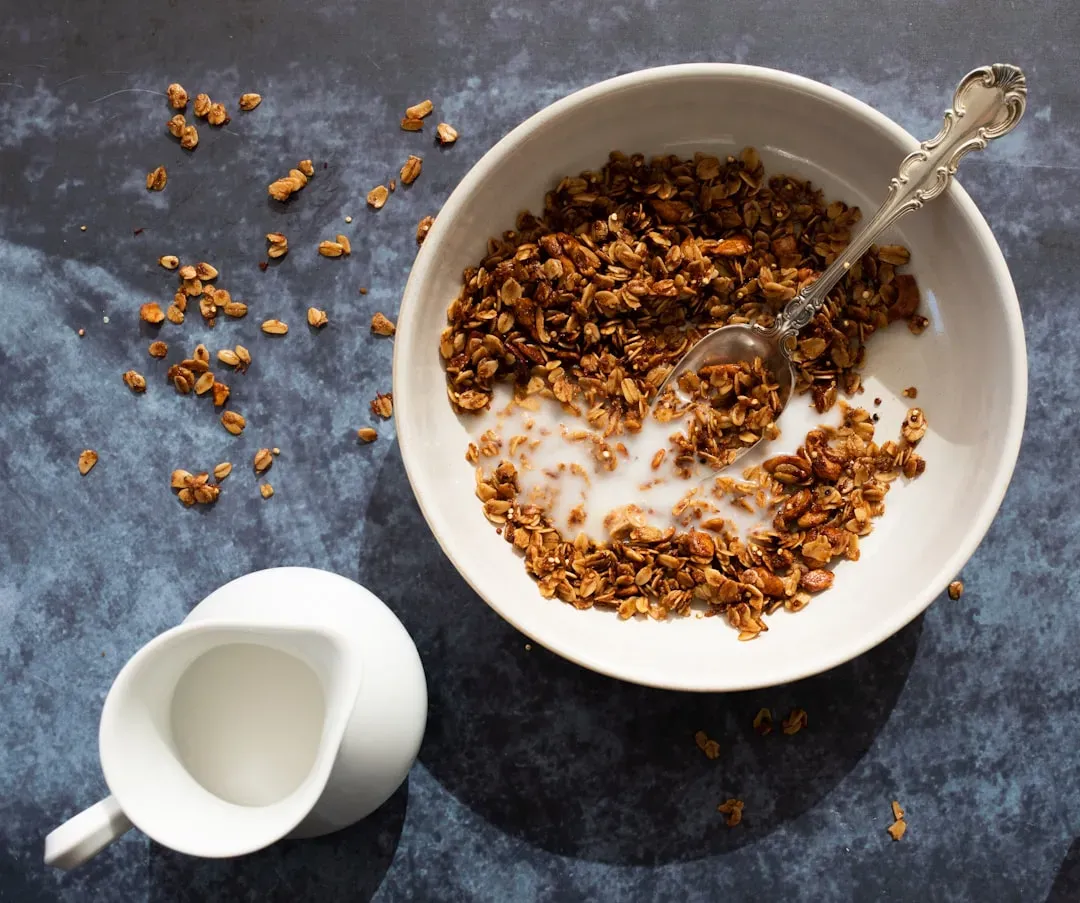
Eating cereal for dinner. Watching an animated film intended for ten-year-olds. Spending an afternoon building something with Lego. Content people revisit childhood pleasures without layers of ironic detachment to make it acceptable. They just enjoy the thing. It’s called comfort food for a reason. Whether it’s pizza, mac and cheese, or your mom’s tuna casserole, certain foods just have the power to make us feel happy, relaxed, and even a little nostalgic. The same principle applies well beyond food.
Research suggests that comfort experiences remind us of close relationships, which can reduce loneliness. Revisiting something from childhood isn’t regression. It’s a surprisingly direct way of accessing warmth, safety, and low-stakes joy in a world that makes all three harder to find. Content people know that, and they’re not apologizing for it.
What connects all fourteen of these indulgences is less about the activity itself and more about the relationship with it. Content people don’t eliminate guilt entirely. They simply refuse to let it colonize every small pleasure. There is reason to believe that indulging in small pleasures can help people feel more connected to themselves and others. That connection, unencumbered by unnecessary self-judgment, turns out to be one of the quieter foundations of a life that actually feels like your own.