
Professional organizers see things the rest of us tend to miss. A perfectly styled shelf might photograph well, yet it can quietly signal an owner who never actually opens the cabinets behind it. A basket by the door might look intentional, yet organizers know it usually means someone gave up trying to find a real home for the mail.
These small design decisions carry more information than most homeowners realize. They hint at habits, avoidance patterns, and sometimes genuine stress that no amount of styling can hide. Here are fifteen choices that make organizing professionals pause, and what each one tends to say about the people living with them.
1. The oversized "catch-all" basket by the front door
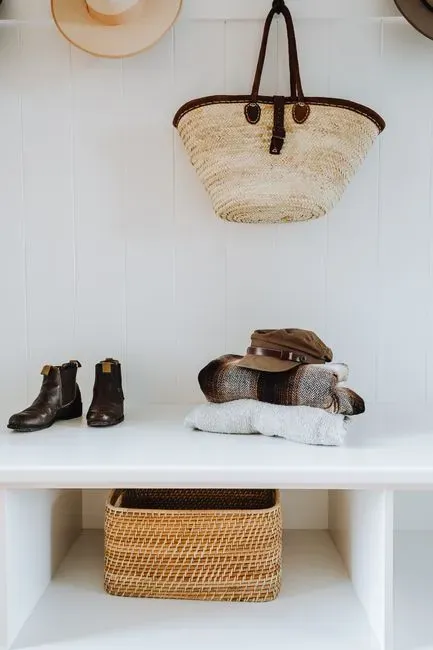
1. The oversized "catch-all" basket by the front door (Image Credits: Pexels)
A large woven basket near the entryway looks charming in photos, but organizers often view it as a warning sign rather than a design flourish. It usually means mail, shoes, dog leashes, and stray toys all get tossed in together with no sorting system at all. Instead of solving the entryway clutter problem, it just hides it in a more attractive container.
Organizers frequently find that these baskets are never actually emptied, only topped off. The mess just moves from visible to invisible, which can make it harder to notice how much has accumulated over time. A basket without a maintenance routine behind it is really just clutter wearing a nicer outfit.
2. Open shelving stocked for looks, not use
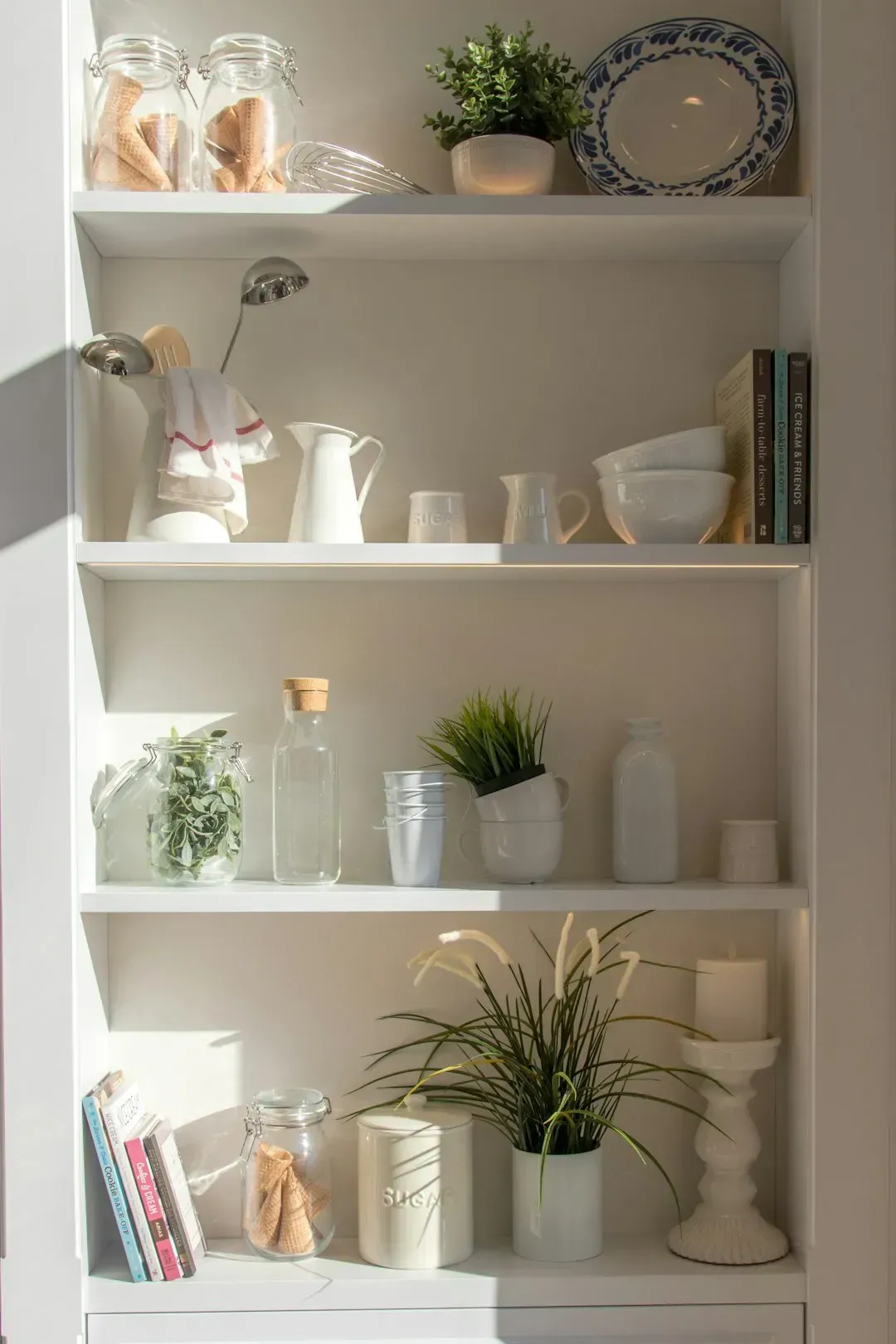
2. Open shelving stocked for looks, not use (Image Credits: Unsplash)
Open shelving has been a favorite design trend for years, but organizers often notice a gap between how it looks and how it actually functions. Matching ceramic canisters and neatly folded linens make for a great photo, yet many households quietly keep their real, messier supplies tucked in a nearby cabinet instead. The open shelf becomes a stage set rather than genuine storage.
This split between the display version and the working version of a kitchen or bathroom tells organizers something specific. It suggests the homeowner is more focused on how the space appears to guests than how it functions day to day. That’s not necessarily a flaw, but it does mean the “organized” look on display isn’t always the full story.
3. Furniture placed in front of closets or outlets
3. Furniture placed in front of closets or outlets (Image Credits: Unsplash)
A reading chair angled just enough to block a closet door, or a dresser pushed against the one outlet in a room, is more common than most people admit. Organizers see this constantly, and it usually points to a room that was decorated before it was actually lived in. The furniture arrangement prioritized visual balance over daily function.
Over time, people adapt around the obstruction rather than fixing it, which organizers say is a telling pattern. It suggests a slow acceptance of inconvenience, where the inefficiency becomes so routine that it stops registering as a problem. Rearranging even a few pieces can restore access that’s been quietly missing for months or years.
4. Piles of decorative throw pillows on every surface

4. Piles of decorative throw pillows on every surface (Image Credits: Pexels)
A bed or sofa buried under a dozen throw pillows might look plush and inviting, but organizers often see it differently. Every one of those pillows needs to be moved, stacked somewhere, and put back each day, which adds a small but real task to an already busy routine. Multiply that by every seating surface in the house, and it becomes a surprisingly heavy maintenance habit.
This choice often reflects a desire to match a specific aesthetic seen online more than a practical read on how the space gets used. Organizers frequently ask clients how often they actually rearrange the pillows versus just shoving them aside. The honest answer usually reveals whether the styling serves the room or just adds to the daily reset.
5. Fake or purely decorative books on shelves

5. Fake or purely decorative books on shelves (Image Credits: Unsplash)
Some homeowners buy books by color or size to fill out a shelf, or use faux book boxes as decorative filler. Organizers tend to notice this quickly because it signals that the shelf was designed as a backdrop rather than a functional storage spot. It also often coexists with actual books crammed into a closet or stacked in a corner somewhere else in the house.
This gap between the display shelf and the real reading pile says something about priorities. It suggests the visible zones of the home are curated for appearance, while genuine, lived-in items get pushed out of sight. Organizers see this pattern most in open-concept living rooms, where every surface is on constant display.
6. A command center buried in paper

6. A command center buried in paper (Image Credits: Pexels)
Command centers, the wall-mounted stations meant to organize mail, schedules, and school papers, are a popular fix for family chaos. Organizers often find that these setups become overwhelmed fast, with sticky notes layered over calendars and old permission slips still pinned up months later. The system exists, but it’s stopped being maintained.
Clutter costs Americans billions yearly, delays bills, and raises stress, productivity loss, and a neglected command center is often where that plays out in miniature. Organizers say a cluttered command wall usually means the family adopted a system without building in a regular time to reset it. The intention was good, but without a weekly habit attached, it just becomes another surface collecting paper.
7. Glass-front cabinets hiding mismatched dishware
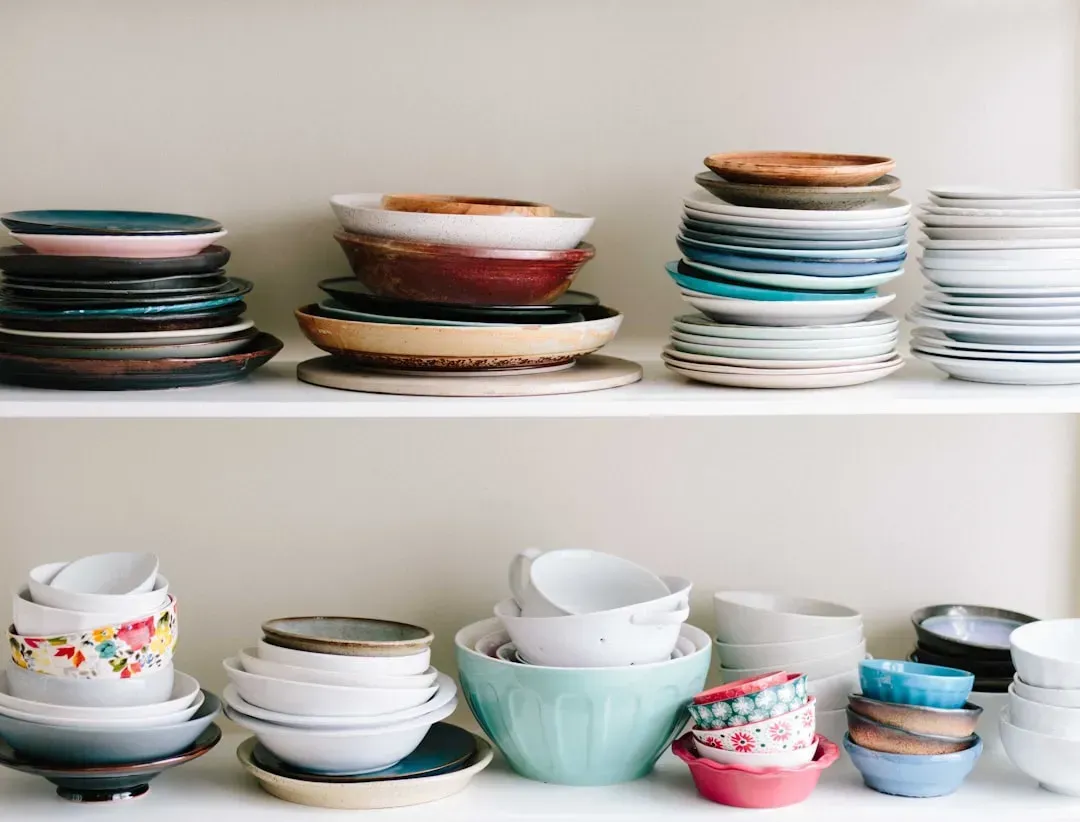
7. Glass-front cabinets hiding mismatched dishware (Image Credits: Unsplash)
Glass-front kitchen cabinets are meant to showcase neatly arranged dishes, but organizers often find something less polished behind the glass. Mismatched mugs, chipped plates, and containers without lids get pushed to the back where they’re technically visible but rarely noticed. The transparency of the cabinet doesn’t always translate into an organized interior.
This tells organizers that the homeowner values the idea of an open, airy kitchen more than the discipline of actually curating what goes inside it. It’s a common gap between design intention and daily habit. Glass doors work best when someone treats them as an incentive to edit contents regularly, not just as a stylistic choice.
8. Vanity trays overflowing with products
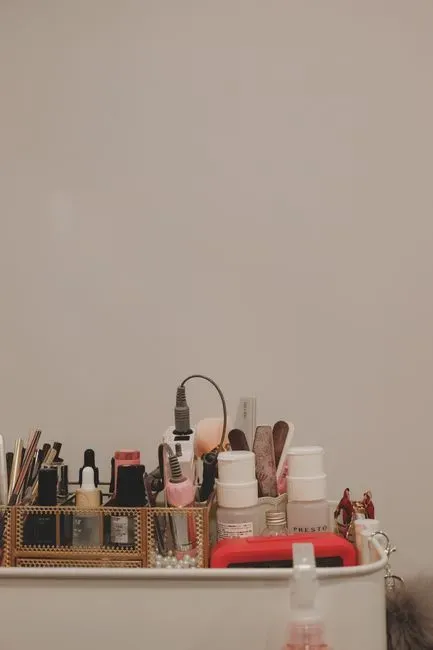
8. Vanity trays overflowing with products (Image Credits: Pexels)
A styled vanity tray with a few perfume bottles and a candle looks elegant in a bathroom or bedroom. Organizers frequently see that same tray expand over time until it’s crowded with a dozen products, half of them empty or expired. The tray was meant to contain clutter, but instead it becomes a visible pile that just sits in a nicer frame.
This pattern often reflects a broader habit of accumulating skincare and beauty products faster than they get used or discarded. Organizers say a genuinely functional vanity setup usually holds far fewer items than people assume, with the rest rotated into storage. When the tray needs its own tray to stay contained, that’s usually a sign it’s time for an edit.
9. Rooms with no clearly defined purpose
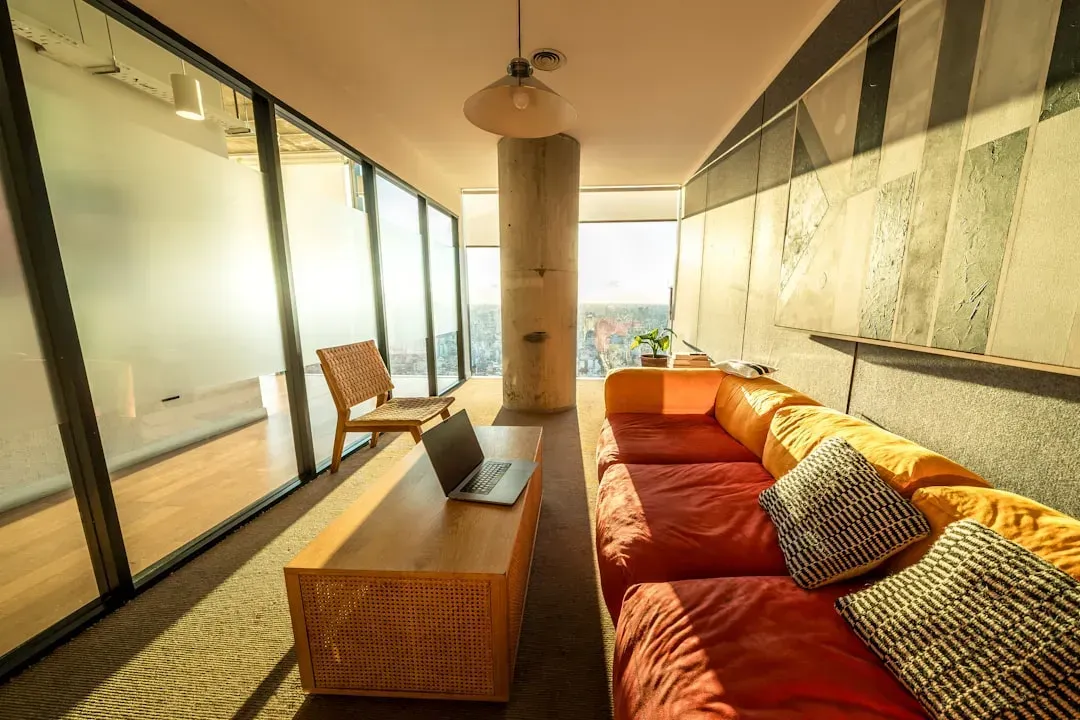
9. Rooms with no clearly defined purpose (Image Credits: Gallery Image)
Open floor plans and flexible “bonus rooms” are popular in newer construction, but organizers often flag them as trouble spots. A space that’s part office, part guest room, part storage tends to end up serving none of those functions well. Without a defined purpose, items from every category drift in and rarely leave.
Homes have shrunk in many urban markets over the past decade, and the average U.S. apartment has shrunk by about 18 square feet, dropping to a record-low 892 square feet in 2022, which makes flexible rooms even more common as a design solution. Organizers say the fix isn’t necessarily more furniture or shelving, but a clearer decision about what the room is actually for. A defined purpose, even a modest one, makes it much easier to know what belongs and what doesn’t.
10. Kitchen islands used as permanent landing zones
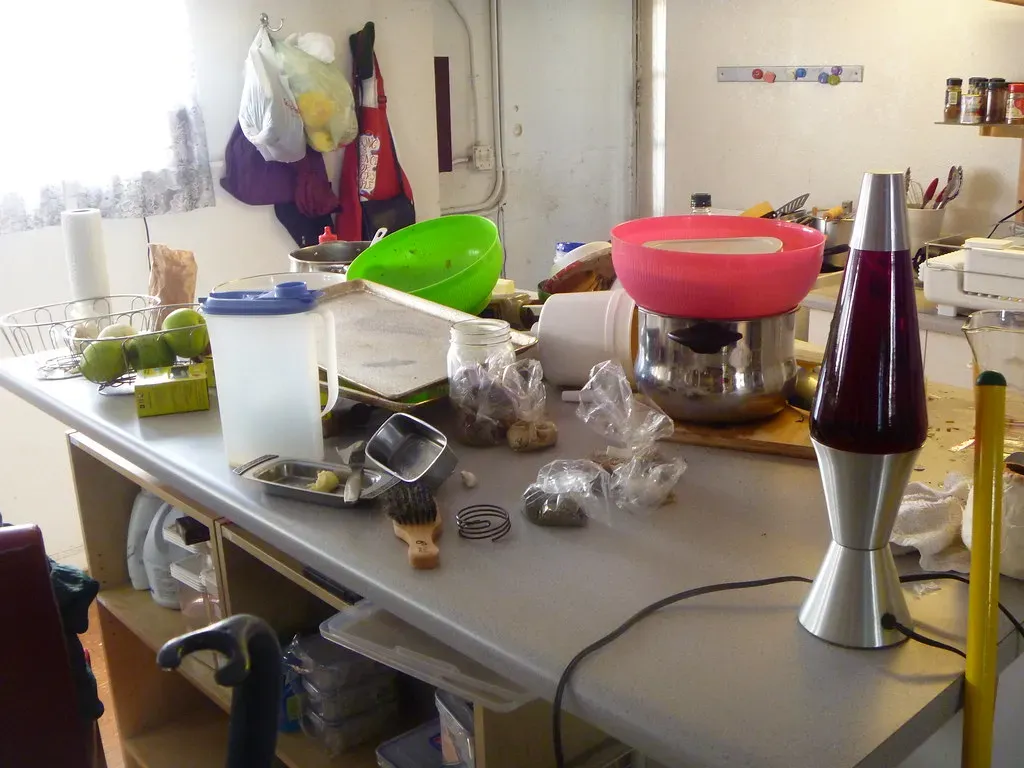
10. Kitchen islands used as permanent landing zones (serenejournal, Flickr, <a href="https://creativecommons.org/licenses/by/2.0/" target="_blank" rel="noopener">CC BY 2.0</a>)
Kitchen islands are meant to be a workspace, yet in many homes they quietly become the default landing spot for keys, mail, backpacks, and whatever else needs to be set down. Organizers see this constantly, and it tends to happen regardless of how much counter space a kitchen actually has. The island’s central location makes it an easy target for anything without an assigned home.
Nearly half of Americans report feeling overwhelmed by clutter at home, and 42% of Americans feel cluttered at home, with clothing being the biggest culprit according to one national survey. Organizers often trace that clutter back to a handful of high-traffic surfaces, with kitchen islands topping the list. A daily two-minute reset on that one surface tends to prevent the pile from ever forming in the first place.
11. Mirrored or high-gloss furniture in busy rooms
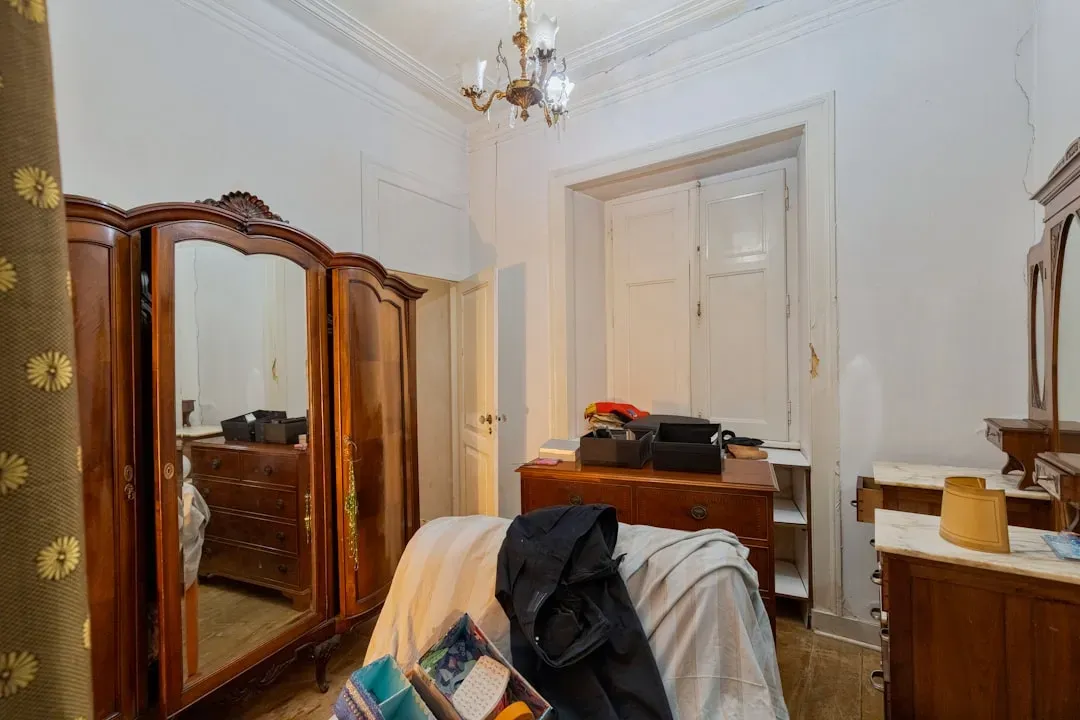
11. Mirrored or high-gloss furniture in busy rooms (Image Credits: Unsplash)
Mirrored dressers and glossy lacquered cabinets photograph beautifully, but organizers know they demand constant upkeep in a way that matte finishes simply don’t. Every fingerprint, dust speck, and water ring shows immediately, which means the furniture either gets wiped down daily or starts to look neglected fast. In households with kids or pets, that maintenance burden can add up quickly.
Choosing this kind of furniture in a high-traffic room often signals that the homeowner prioritized a magazine-ready look over practical daily wear. That’s a legitimate choice, but organizers say it’s worth going in with open eyes about the tradeoff. A glossy console in a formal entry is one thing; the same finish in a mudroom is a different commitment entirely.
12. Gallery walls installed over built-in storage
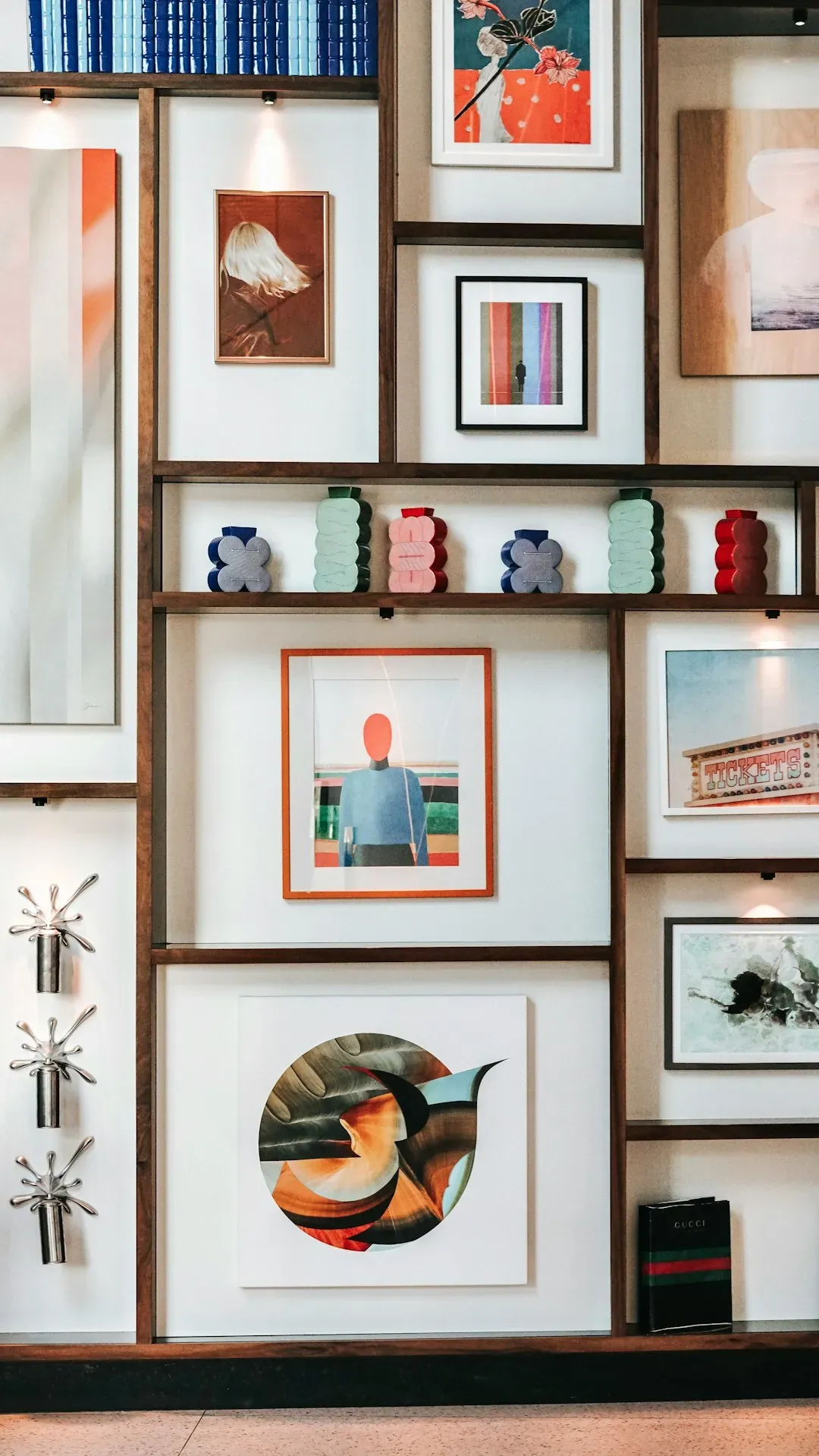
12. Gallery walls installed over built-in storage (Image Credits: Unsplash)
A dense gallery wall of framed photos and art looks intentional and personal, but organizers occasionally find them mounted directly over built-in shelving or cabinet doors that then become hard to access. The wall becomes a design statement at the expense of function underneath it. This is more common in older homes being renovated to fit a newer aesthetic.
Organizers say this choice often reflects a home that was styled room by room rather than planned as a whole. It’s an easy mistake to make when decorating happens in stages over months or years. A quick check of what’s actually behind a planned gallery wall can save a homeowner from boxing in storage they’ll want back later.
13. Bins and baskets bought before the sorting happens
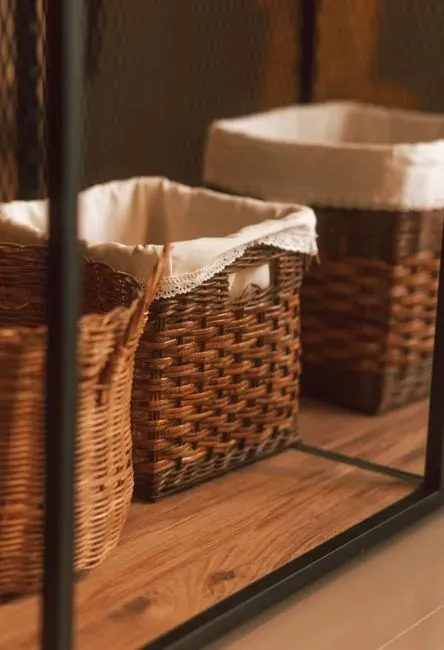
13. Bins and baskets bought before the sorting happens (Image Credits: Pexels)
Matching storage bins are one of the most common purchases people make when they decide to get organized, often before they’ve actually sorted through what needs to go inside them. Organizers frequently arrive at a home to find a closet full of empty, unlabeled bins sitting next to the same unsorted pile they were meant to solve. The purchase became a substitute for the actual work.
This pattern is understandable since buying containers feels like progress, even when it isn’t yet. Organizers generally recommend sorting and editing first, then measuring for bins afterward, rather than the reverse. A bin without a defined category inside it usually just becomes clutter with a lid.
14. Overstuffed closets with no visible system
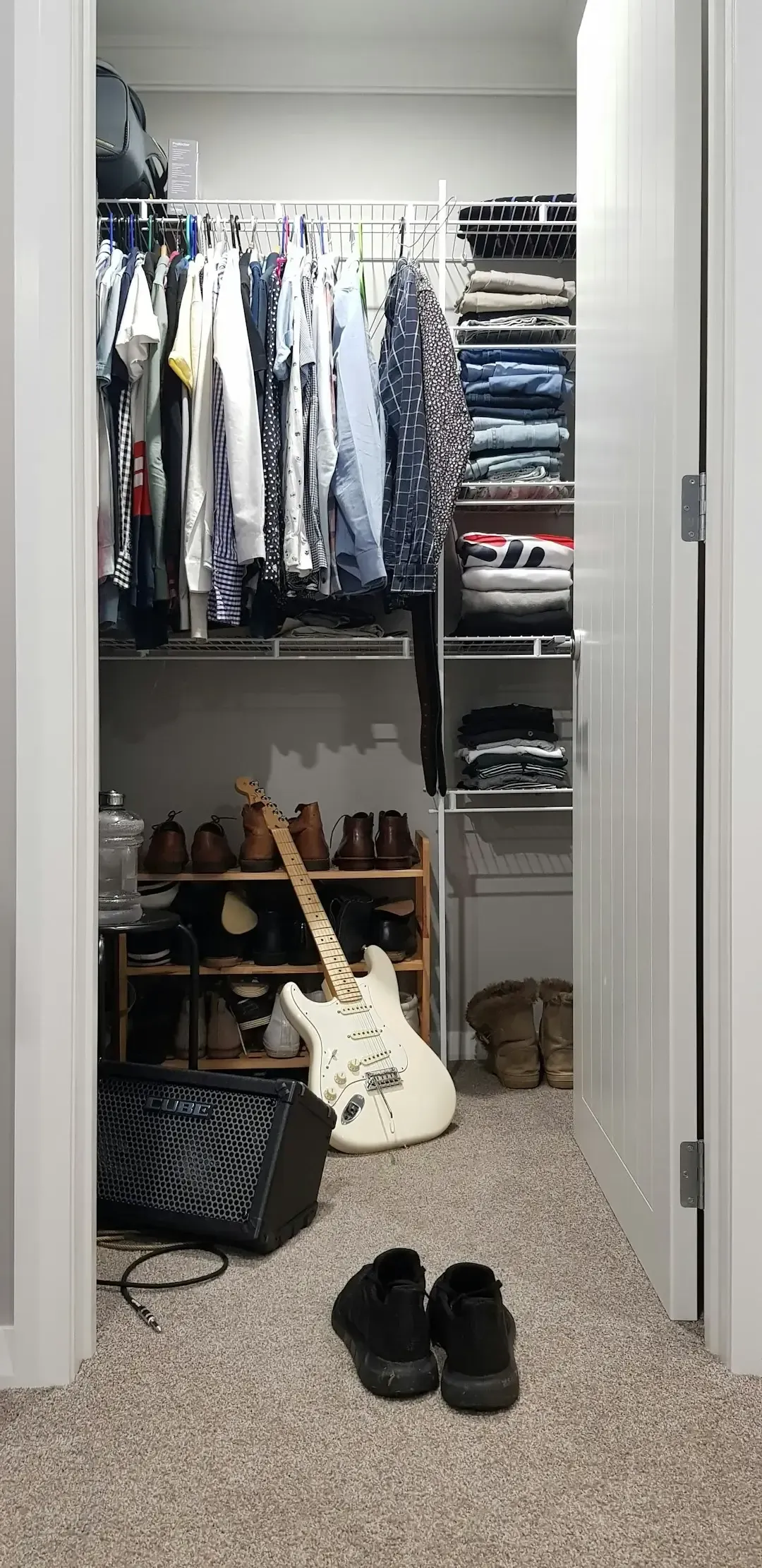
14. Overstuffed closets with no visible system (Image Credits: Unsplash)
A packed closet, door straining to close, is one of the clearest signals organizers look for, and it connects directly to a much larger national trend. 1 out of 3 Americans is currently renting a [storage] unit, though research shows many of us are using self-storage as a coping mechanism for downsizing our home size, which suggests closets alone often aren’t enough to contain what households own. Rather than editing belongings, many people simply extend storage outward instead.
16% of Americans have delayed selling their home due to clutter, a statistic that surprises many homeowners but not organizers, who see overloaded closets as an early warning sign of that exact problem. A closet without any visible system, whether that’s bins, dividers, or even just grouped categories, tends to be the first place clutter compounds unnoticed. Fixing it usually says less about needing more space and more about needing a clearer decision-making process.
15. Sentimental knickknacks displayed without limits
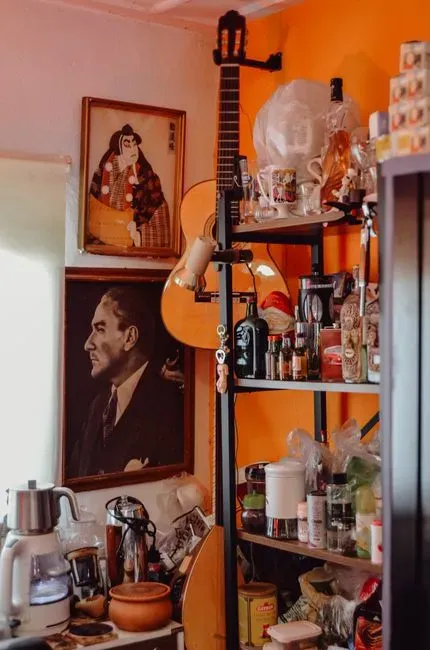
15. Sentimental knickknacks displayed without limits (Image Credits: Pexels)
Framed photos, souvenirs, and inherited objects displayed across every shelf and windowsill can make a home feel warm and personal. Organizers understand the emotional weight behind these items, but they also recognize when display has quietly become storage by default. Once every surface holds something, there’s no longer a way to add anything new without removing something old.
Clutter is correlated with mental health conditions, such as anxiety, depression and stress, and emotional attachment to items further complicates each decision, as every item represents an unfinished task or unresolved choice, these possessions trigger the Zeigarnik Effect, a tendency for the mind to dwell on unfinished business. Organizers often say sentimental clutter is the hardest category to work through precisely because it isn’t really about the objects at all. A rotating display, changed occasionally rather than permanently expanding, tends to honor the memories without letting the collection take over the room.
Taken together, these fifteen patterns show that interior design and organization are rarely separate concerns, even when they’re treated that way. A room can look finished and still function poorly, and professional organizers are trained to notice exactly where that gap opens up. Recognizing even one or two of these habits in your own home is usually the first practical step toward closing it.