
There’s a strange gap between what a lot of men think projects confidence and what actually reads that way to the women around them. Style choices that are meant to broadcast strength or dominance sometimes land as the opposite, a quiet signal that someone is trying too hard to convince the room of something. It’s not about judging anyone’s wardrobe, it’s more about noticing the disconnect between intention and perception.
Below are eighteen wardrobe habits that fall into that trap. None of them are inherently bad choices, but the motivation behind wearing them, and the way they’re worn, often gives away more than the person realizes.
1. Oversized muscle shirts that don't match the frame
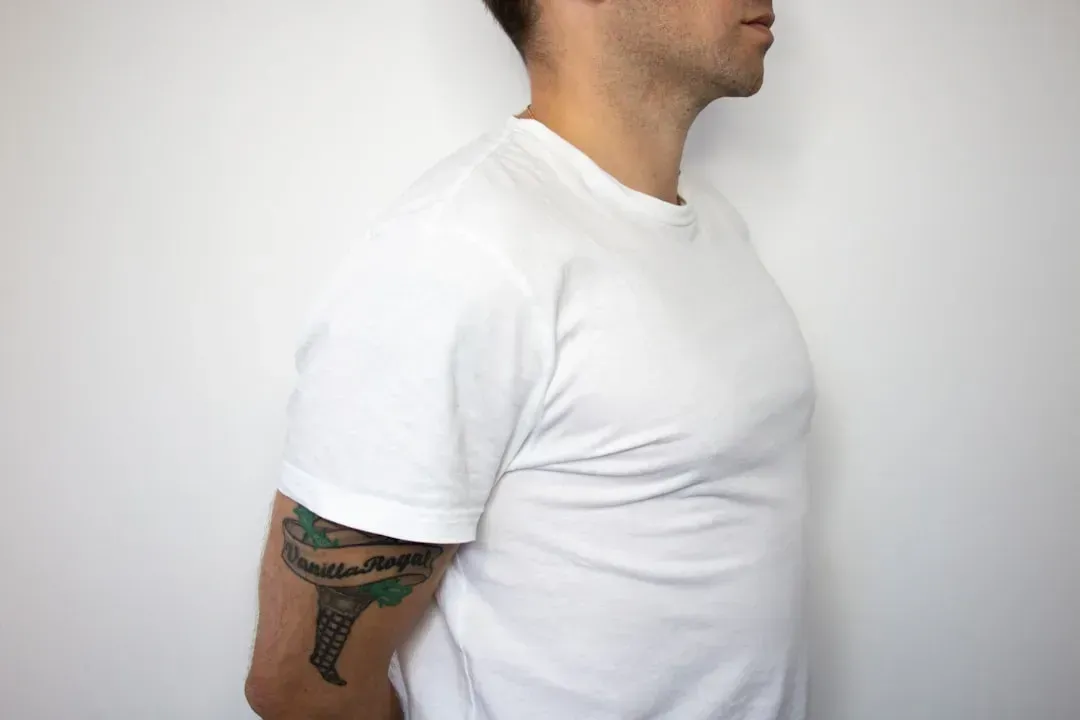
1. Oversized muscle shirts that don't match the frame (Image Credits: Unsplash)
A tight sleeve stretched over an arm that hasn’t quite filled it out yet tends to draw more attention than a relaxed fit would. The intent is usually to look bigger or more powerful, but the mismatch between the shirt’s cut and the actual physique often reads as compensation rather than confidence.
Women frequently mention that a well-fitted, ordinary shirt looks more self-assured than one clearly chosen to exaggerate muscle. Clothes that fit properly say more about ease with one’s own body than clothes chosen to broadcast size ever could.
2. Excessive layers of gold chains
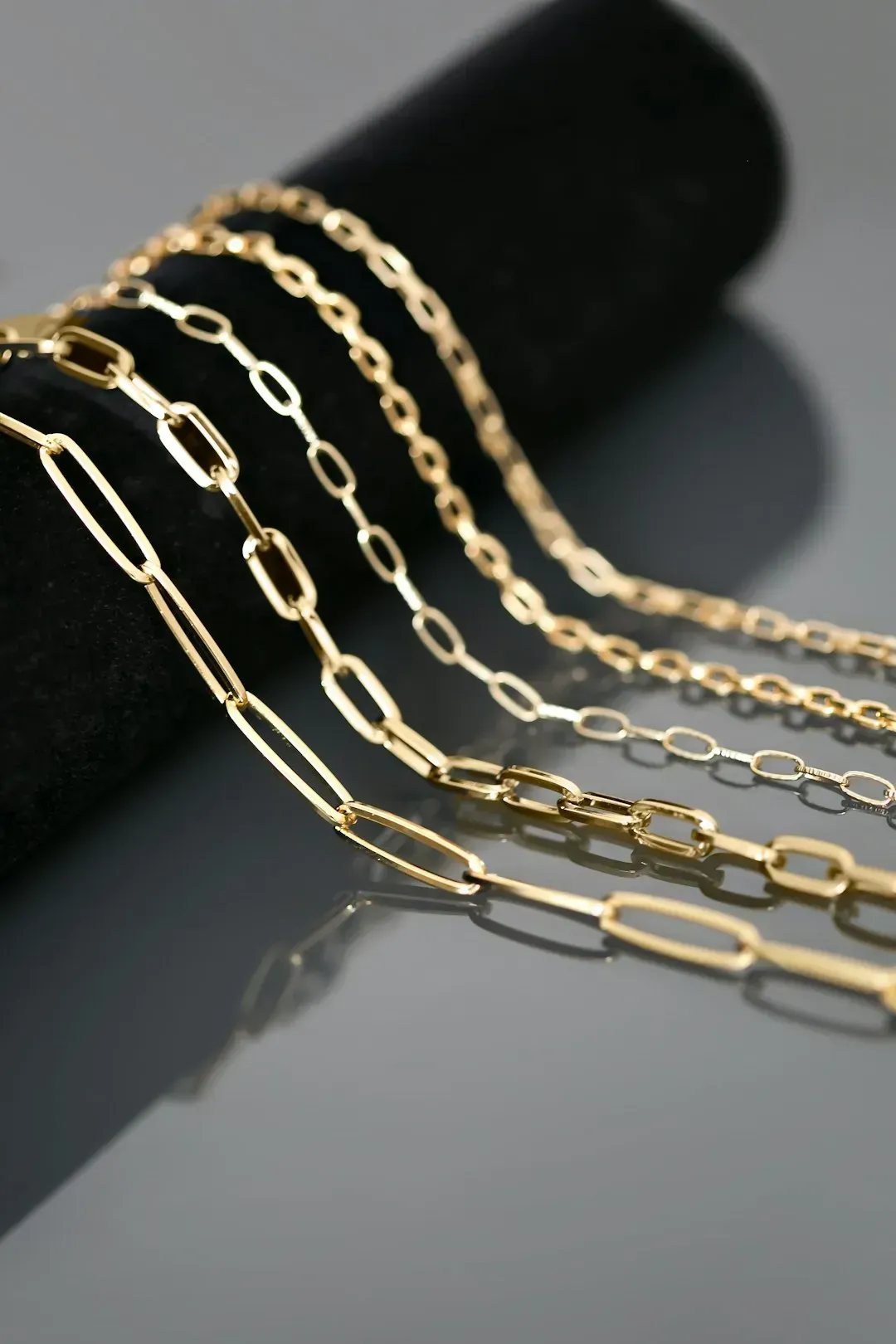
2. Excessive layers of gold chains (Image Credits: Unsplash)
A single chain can look intentional and classic. A stack of them, worn heavy and loud, starts to feel like a costume built to announce wealth or status rather than express personal taste.
The impression it leaves is less about affluence and more about needing to prove something. Subtlety tends to read as security, while excess often reads as the opposite.
3. Deliberately tight shirts across the chest
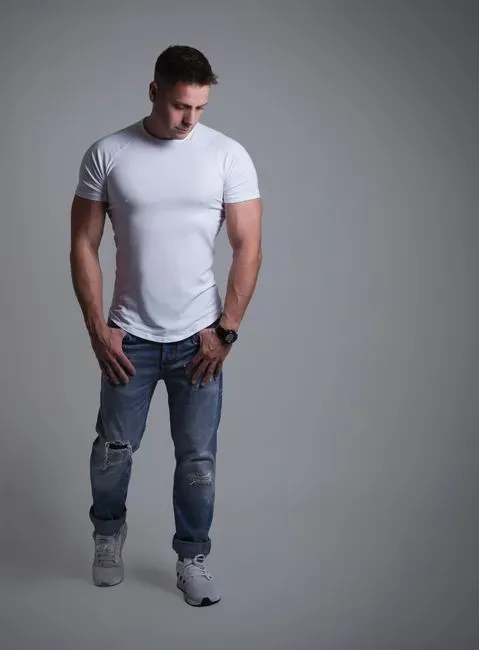
3. Deliberately tight shirts across the chest (Image Credits: Pexels)
Shirts sized down specifically to strain across the chest and shoulders are meant to highlight muscle, but the effect frequently backfires. Fabric pulling at buttons or seams looks less like fitness and more like a size mismatch chosen on purpose.
A shirt that actually fits, with room to move and breathe, communicates comfort in one’s own skin. That ease is usually what registers as attractive, not the tightness itself.
4. Camouflage or tactical-style everyday clothing
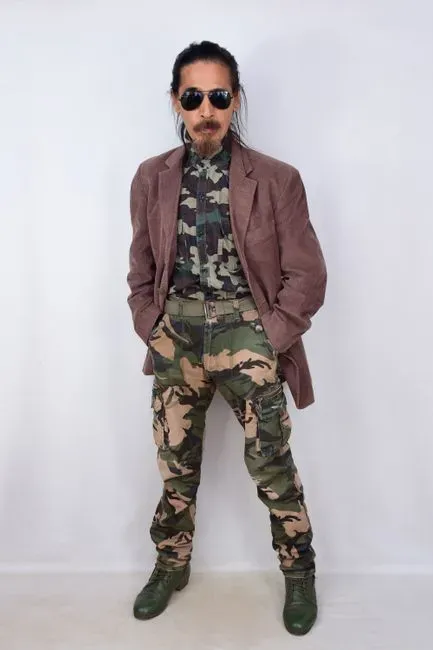
4. Camouflage or tactical-style everyday clothing (Image Credits: Pexels)
Military-inspired prints and tactical gear worn far from any actual outdoor or service context can come across as an attempt to borrow toughness rather than earn it. The style has its place, but wearing it head to toe in everyday settings shifts the message.
It can read as a costume of ruggedness rather than the real thing. Confidence rarely needs a uniform to prove itself.
5. Oversized, flashy watches worn to signal status
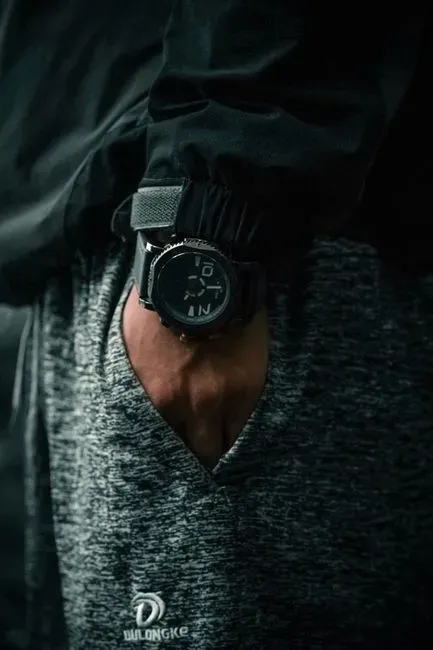
5. Oversized, flashy watches worn to signal status (Image Credits: Pexels)
A watch chosen purely for its size or its ability to catch attention, rather than its craftsmanship or personal meaning, tends to feel like a prop. When the accessory seems designed to answer a question no one asked, it can suggest insecurity about status rather than settled confidence.
Women have noted that understated accessories, chosen with intention, often communicate more self-assurance than anything meant to dazzle. The story behind an item usually matters more than its price tag.
6. Cowboy boots worn purely for the tough-guy look
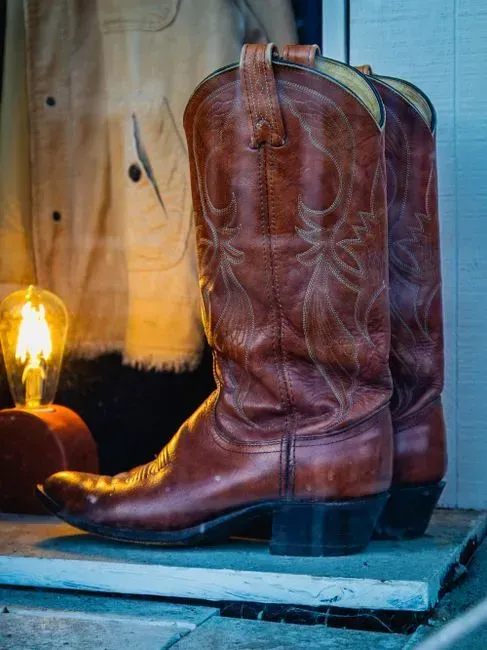
6. Cowboy boots worn purely for the tough-guy look (Image Credits: Pexels)
Boots have genuine utility and a long, authentic history in certain regions and professions. Worn without that context, purely as a costume piece meant to project ruggedness, they can feel performative rather than natural.
The disconnect between the style and the person’s actual life or background is often what stands out. Clothing borrowed for image rather than identity tends to read as effort rather than ease.
7. Aggressive graphic tees with combative slogans
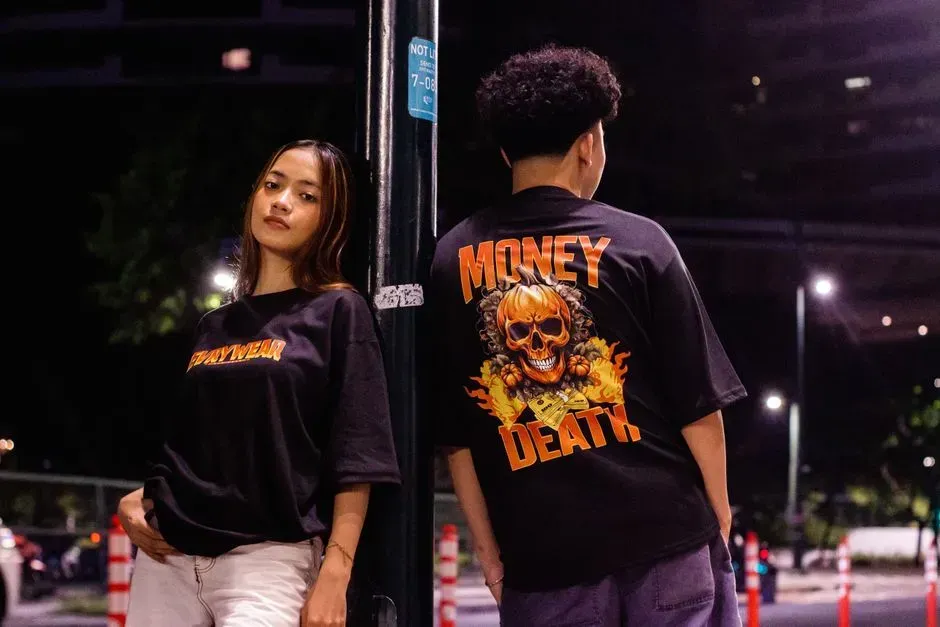
7. Aggressive graphic tees with combative slogans (Image Credits: Pexels)
Shirts covered in skulls, weapons, or confrontational text are sometimes worn to project toughness or edge. Instead of coming across as intimidating, they can read as an attempt to manufacture an image rather than reflect a personality.
Clothing that shouts often gets less credit than clothing that simply fits the moment. A quieter shirt paired with genuine self-possession tends to leave a stronger impression.
8. Sunglasses worn indoors or at night
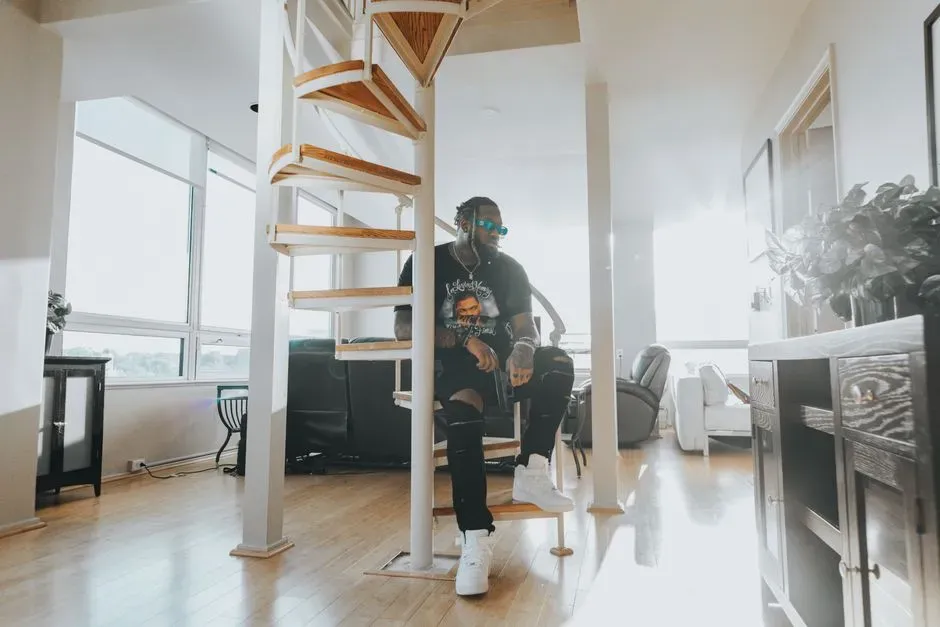
8. Sunglasses worn indoors or at night (Image Credits: Pexels)
Keeping sunglasses on in dim restaurants, bars, or indoor spaces is sometimes meant to look mysterious or unbothered. In practice, it often reads as an attempt to hide, whether that’s discomfort, eye contact, or something else entirely.
Eye contact matters in conversation, and removing that entirely can feel like a wall rather than an aesthetic choice. Confidence usually involves being seen, not obscured.
9. Excessively baggy pants worn to look dominant
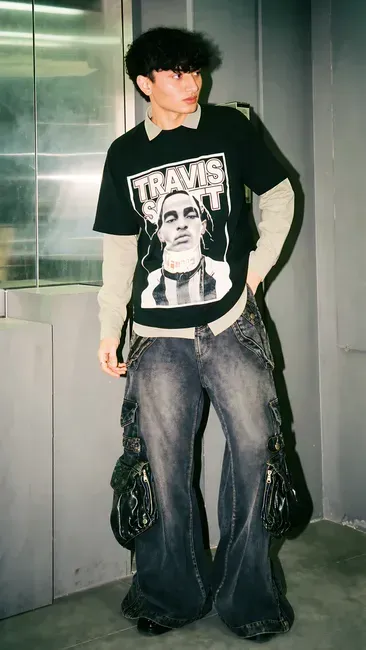
9. Excessively baggy pants worn to look dominant (Image Credits: Pexels)
Extremely loose pants, worn low and oversized well beyond current trends, are sometimes chosen to take up more visual space or project a certain street toughness. The effect can come across as trying to fill a role rather than simply existing in one’s own style.
Fit that flatters the body without exaggeration tends to read as more deliberate and self-assured. Clothes chosen to overwhelm the frame rather than complement it often send the opposite message intended.
10. Cologne applied heavily to command a room
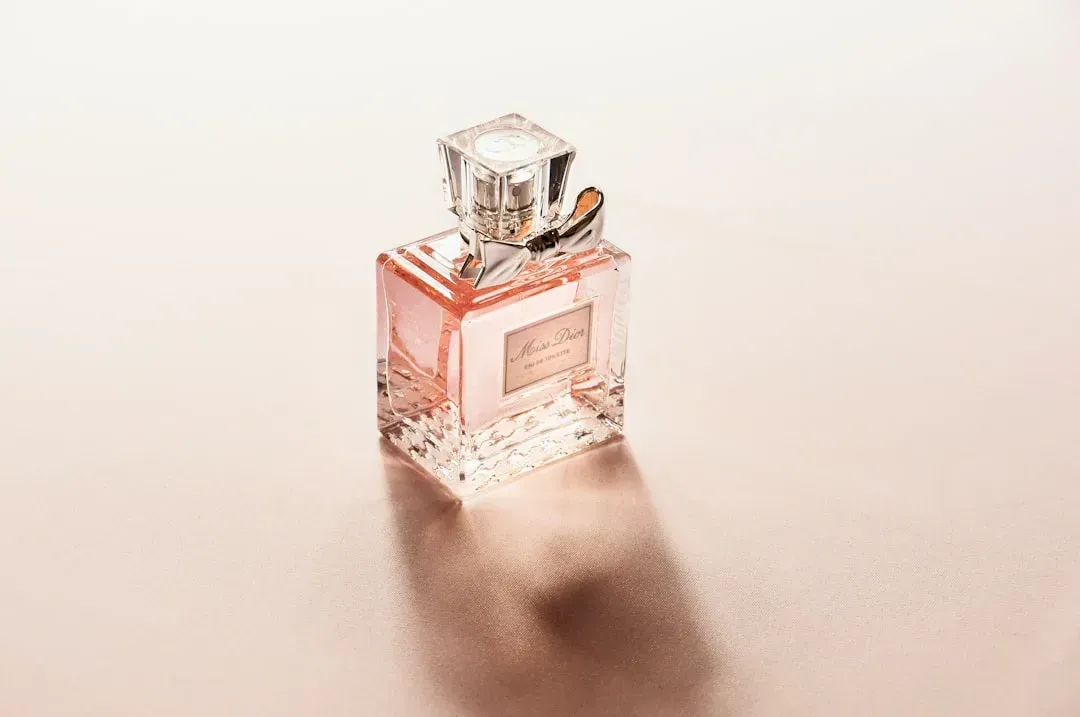
10. Cologne applied heavily to command a room (Image Credits: Unsplash)
A noticeable amount of cologne is sometimes meant to leave an impression before a single word is spoken. When the scent overwhelms a space, it tends to signal an eagerness to be noticed rather than natural presence.
A lighter application that only becomes apparent up close usually reads as more composed. Restraint, in this case, does more work than intensity ever could.
11. Bandanas or do-rags worn as a tough-guy accessory
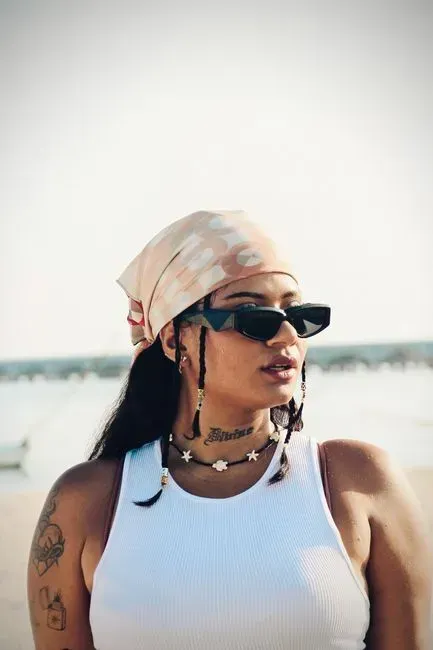
11. Bandanas or do-rags worn as a tough-guy accessory (Image Credits: Pexels)
Borrowed from specific subcultures and histories, these accessories carry meaning that doesn’t always translate when worn purely for image. Used as a costume piece detached from that context, they can look like an attempt to signal an edge that isn’t genuinely there.
The gap between the symbol and the substance behind it is usually what people notice first. Authenticity tends to outweigh styling every time.
12. Leather jackets worn specifically to appear dangerous
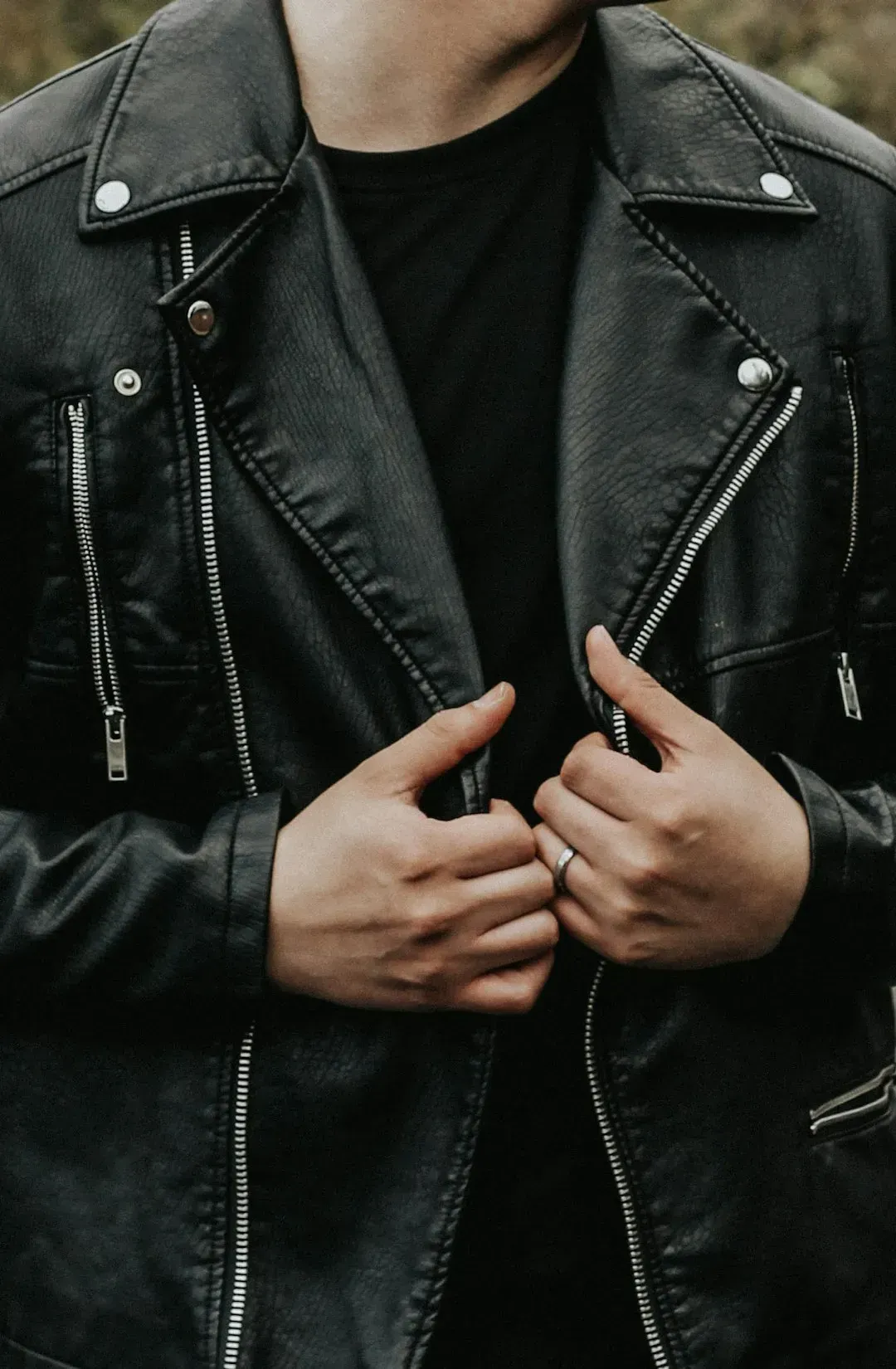
12. Leather jackets worn specifically to appear dangerous (Image Credits: Unsplash)
A leather jacket is a classic piece with real versatility, but when it’s worn with the specific intention of looking rebellious or intimidating, the effort behind it becomes visible. The jacket stops being a garment and starts being a statement that feels forced.
Clothing chosen because it fits a personality reads very differently from clothing chosen to manufacture one. The difference is subtle but noticeable.
13. Deliberately scuffed or destroyed boots and jeans
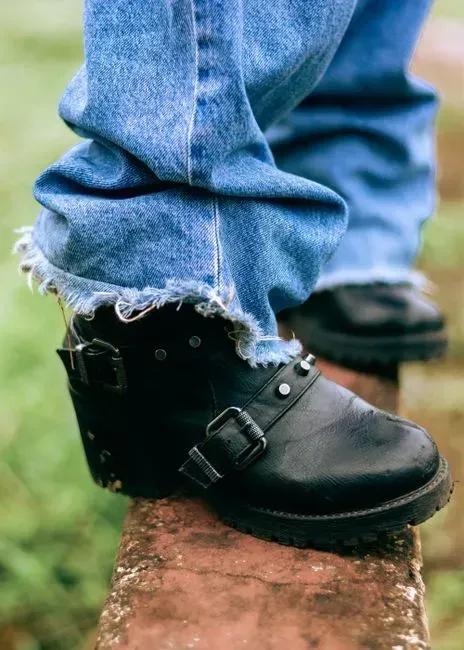
13. Deliberately scuffed or destroyed boots and jeans (Image Credits: Pexels)
Pre-distressed denim and boots designed to look worn-in from day one are meant to suggest a rugged, lived-in history. When the wear pattern looks obviously manufactured rather than earned, it can undercut the exact image it’s trying to create.
Authenticity is hard to fake convincingly, and most people can tell the difference. A story that isn’t real rarely holds up under a second look.
14. Flexing through overly athletic, performance-branded outfits
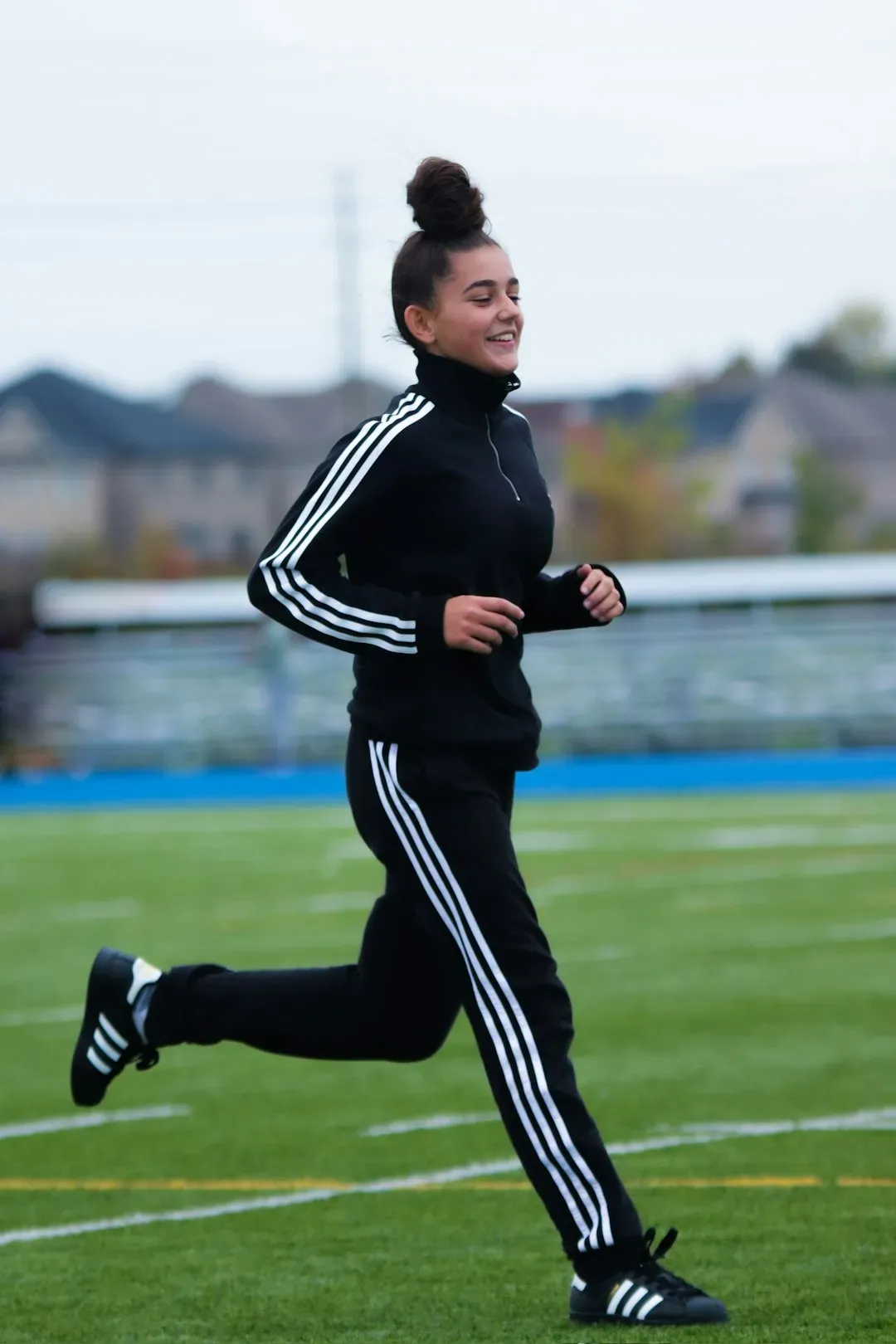
14. Flexing through overly athletic, performance-branded outfits (Image Credits: Unsplash)
Wearing head-to-toe performance gear, complete with visible brand logos, in settings that have nothing to do with athletics can suggest an eagerness to be seen as fit or disciplined. The context mismatch is often what makes the choice stand out.
Clothes suited to the actual occasion tend to communicate more self-awareness. Dressing for the moment usually reads better than dressing for an image.
15. Statement belt buckles meant to draw the eye
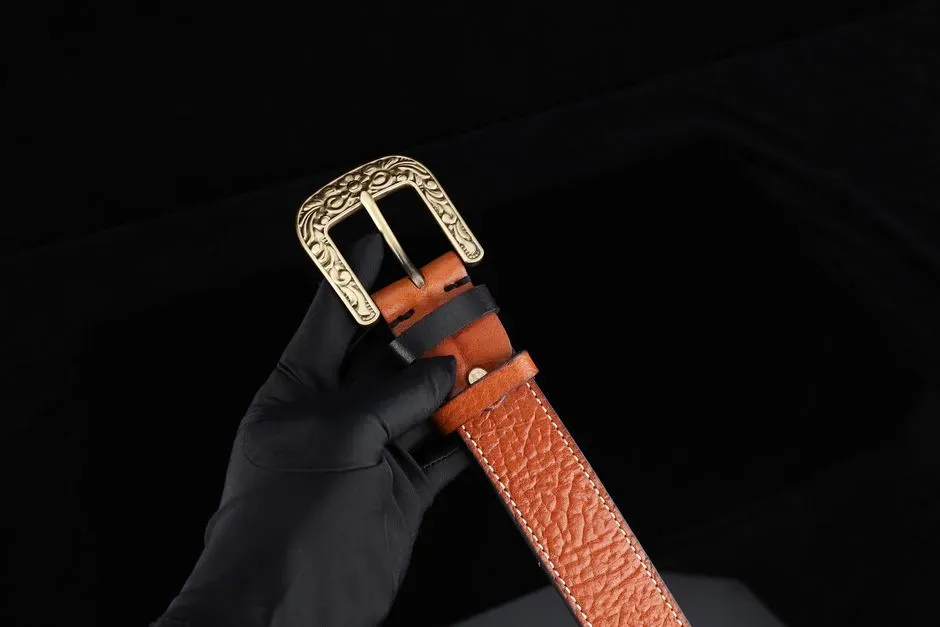
15. Statement belt buckles meant to draw the eye (Image Credits: Pexels)
Large, ornate belt buckles designed specifically to attract attention can come across as an attempt to compensate for something rather than simply express personal style. The bigger and louder the buckle, the more it can seem like it’s doing the talking a person might prefer to do themselves.
A simple, well-made belt often communicates more quiet confidence than one built to be noticed from across the room. Subtlety again tends to win here.
16. Wearing sports team gear to overcompensate for lack of interest
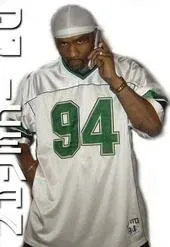
16. Wearing sports team gear to overcompensate for lack of interest (By Icemanja, <a href="https://commons.wikimedia.org/w/index.php?curid=8525086" target="_blank" rel="noopener">CC BY-SA 3.0</a>)
Head-to-toe team merchandise worn without any real connection to the sport or the team can feel like an attempt to fit into a certain masculine archetype rather than a genuine expression of fandom. The disconnect becomes obvious the moment a real conversation about the team starts.
Genuine interest, even in something niche, tends to be far more compelling than borrowed enthusiasm. People can usually tell the difference between passion and performance.
17. Excessively rugged outdoor gear in urban settings
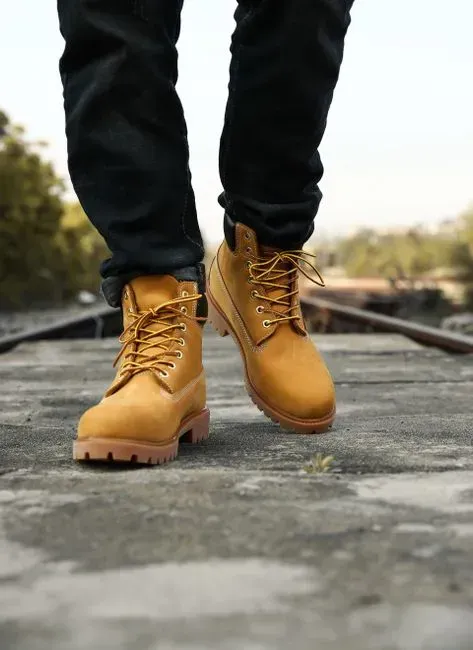
17. Excessively rugged outdoor gear in urban settings (Image Credits: Pexels)
Heavy-duty hiking boots, expedition jackets, and survival-branded gear worn on a city sidewalk rather than a trail can suggest an attempt to borrow an image of toughness and self-reliance. The gear itself is well-made and useful, but the setting reveals the gap between function and fashion statement.
Clothing suited to the actual environment tends to read as more grounded. Gear chosen for its symbolism rather than its purpose often stands out for the wrong reasons.
18. Tight sleeves rolled up specifically to show off forearms
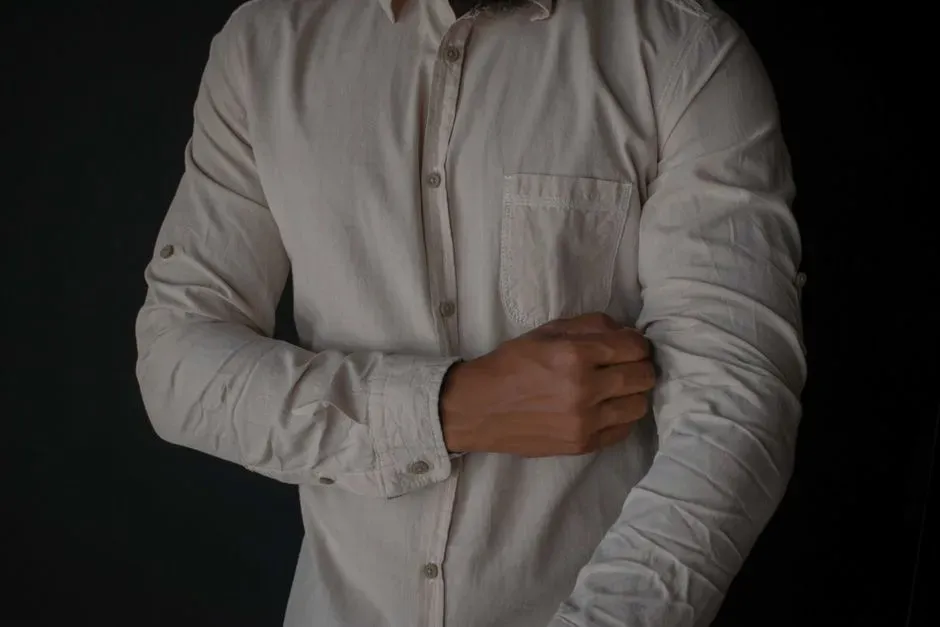
18. Tight sleeves rolled up specifically to show off forearms (Image Credits: Pexels)
Sleeves rolled with visible effort, cuffed just right to frame the forearms, can look less like a casual styling choice and more like a deliberate display. The precision of the roll sometimes gives away how much thought went into something meant to look effortless.
An actually effortless roll, uneven and unconcerned with framing anything, tends to read as more natural. Trying too hard to look unbothered usually has the opposite effect.
Across all eighteen of these choices, the common thread isn’t the clothing itself but the motivation behind it. Items worn to prove something to an audience tend to read differently than items worn simply because someone likes them or finds them useful. The gap between performing confidence and actually having it is often visible, even when it’s not easy to name at first glance.