
Most homeowners have a mental map of where they clean and what they maintain. The kitchen gets wiped down constantly, the bathroom gets scrubbed, and the floors stay relatively presentable. Most people focus on the parts of the home they see every day, like floors, counters, and furniture. Yet many costly home issues begin in places you rarely check. That gap between what gets attention and what actually needs it is where real problems quietly take root.
Unexpected maintenance issues affected the vast majority of homeowners in 2024, compared to far fewer the year before. The pattern is consistent: the areas that cause the most damage are often the ones that go the longest without a second glance. Here are three parts of the home that routinely fall through the cracks.
The Gutters: Out of Sight, Out of Mind, and Costly

The Gutters: Out of Sight, Out of Mind, and Costly (Image Credits: Pexels)
Gutter maintenance isn’t usually top of mind until something goes wrong. Surveys have found that a large share of homeowners clean or inspect their gutters only once or twice a year, while more than a quarter admit they only address the issue when a problem actually arises. That reactive approach carries a real price. With roughly four in ten homeowners having already suffered damage to their homes, clogged gutters can lead to foundation cracks, basement flooding, and eroded landscaping.
Perhaps the most costly consequence of neglected gutters is foundation damage. If water isn’t directed away from your home, it can affect the surrounding soil and cause the foundation to shift, with foundation leak repairs costing between $2,000 and $8,000, and serious damage putting a homeowner back as much as $30,000. According to the National Roofing Contractors Association, clogged or damaged rain gutters are one of the leading causes of roof leaks, as water backups from clogged gutters often lead to roof rot, damaged shingles, and mold growth. Cleaning them twice a year, once in spring and once in autumn, is the simplest defense against a surprisingly expensive chain of events.
The Water Heater: The Appliance Nobody Thinks About
The Water Heater: The Appliance Nobody Thinks About (Image Credits: Unsplash)
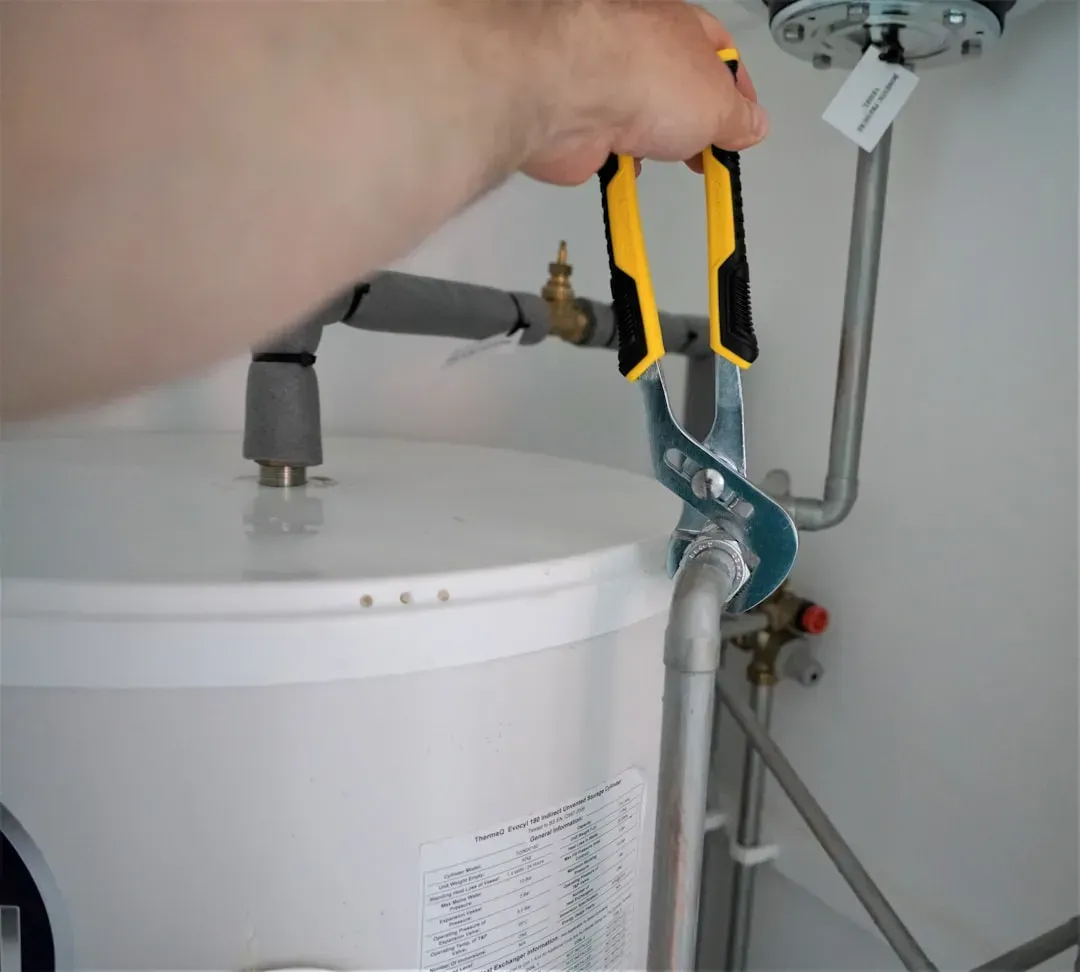
Water heaters often sit in a corner of a garage, basement, or utility closet, so they rarely get checked. A quick look every few months can help you spot early signs of trouble before they escalate. Sediment buildup is one of the leading causes of water heater failure, noisy operation, poor heating performance, and skyrocketing energy bills. The problem compounds quietly. Over time, minerals such as calcium and magnesium settle at the bottom of the tank. Regularly draining a water heater clears the sediment, resulting in optimal energy efficiency and longevity, while neglecting it can mean higher utility costs, hot water shortages, clogs in water fixtures, or a complete breakdown.
According to the Insurance Institute for Business and Home Safety, nearly three quarters of water heaters fail by the time they are 12 years old. Many homeowners are not aware that their water heaters must be routinely maintained. It is recommended to flush out your water heater at least once every year to prevent sediment collection. If you hear unusual popping sounds coming from the unit, sediment may have built up inside the tank, and most manufacturers recommend occasional flushing to help reduce that buildup. It’s a minor task that can meaningfully extend the life of an appliance most households depend on every single day.
The Attic: A Space That Works Hard Without Any Recognition
The Attic: A Space That Works Hard Without Any Recognition (Image Credits: Unsplash)
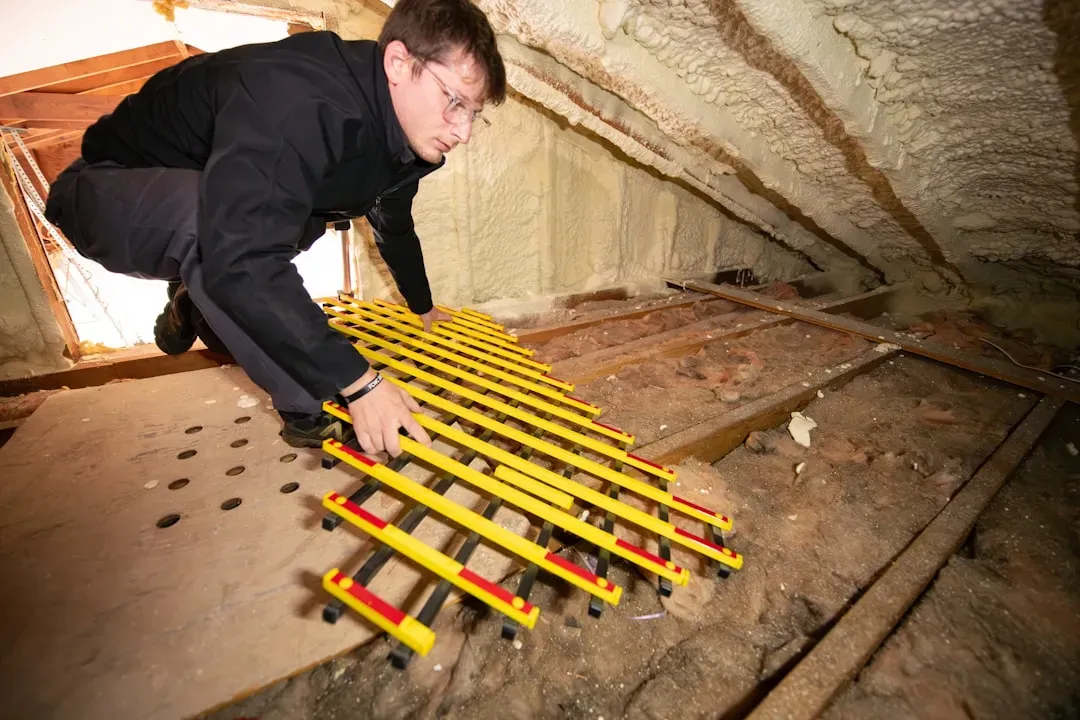
Many homeowners only enter the attic when storing holiday decorations, but this space plays a big role in overall home health. Poor ventilation or trapped moisture can lead to mold or wood damage over time, so it helps to occasionally check for damp insulation, water stains, or musty smells. Homeowners often focus on visible areas, neglecting critical spaces like the attic, basement, and crawl spaces. These overlooked areas can harbor issues that, when left unaddressed, pose serious threats.
You should also look for signs of small animals, such as droppings or nesting material, since attics provide warmth and shelter. Catching issues early helps protect your roof structure and insulation, and a short inspection once or twice a year can prevent expensive surprises. Damp environments and mold growth resulting from neglected home maintenance can contribute to respiratory problems and allergies. Prioritizing regular checks can prevent such health hazards. The attic may not be part of your daily life, but what happens up there can quietly affect every room beneath it.
The gutters, the water heater, and the attic share one thing in common: they’re easy to forget precisely because they don’t demand daily attention. Ignoring small problems can escalate into major structural failures. The longer an issue remains unresolved, the more expensive and complex the solution becomes. A little time spent on the overlooked corners of a home tends to pay back far more than it costs.