
The internet has no shortage of people claiming they turned a laptop and a free weekend into a five-figure monthly income. Some of those claims are real. Most are not. The side hustle space in 2026 is bigger than ever, but the gap between what works and what just sounds good on social media has never been wider.
The average side hustle income in 2025 sits at around $885 per month, but the median is just $200, revealing a wide gap between casual side hustlers and top earners. That spread isn’t random. It tracks almost exactly with which types of hustles people choose. Pick the right one and you can build real, recurring income. Pick the wrong one and you’ll spend months grinding for coffee money. Here’s the honest breakdown.
1. Specialized Freelancing (Especially Anything AI-Adjacent)

1. Specialized Freelancing (Especially Anything AI-Adjacent) (Image Credits: Pexels)
Generic freelancing is crowded and underpaid. Specialized freelancing is a different story entirely. Generic freelancing is dead, but specialized freelancing is booming. If you can write AI-optimized content, design for mobile-first UX, manage SEO campaigns, or handle high-conversion email funnels, businesses will pay well. The more specific your lane, the more you can charge, and the harder you are to replace.
AI freelancers on Upwork earned 44% more than the platform average in 2025, with AI automation specialists charging $75 to $200 per hour for workflow consulting. That’s not a niche trend – it reflects a broader reality where McKinsey’s 2025 State of AI found that 71% of organizations regularly use generative AI in at least one business function. Businesses want results, not just tools, and they’ll pay a freelancer who can deliver both. Starting rates are realistic too. Beginners realistically earn $500 to $1,000 per month in their first six months, not the “$300 per day” figures promoted on social media.
2. Online Tutoring and Subject-Matter Coaching

2. Online Tutoring and Subject-Matter Coaching (Image Credits: Unsplash)
Tutoring doesn’t trend on TikTok. It just pays. The global online tutoring market reached $19.6 billion in 2025 and is growing at about 14% annually. Platforms like Wyzant, Tutor.com, and Preply connect tutors with paying students quickly. SAT and ACT prep tutors earn $50 to $150 per hour, and coding tutors can earn $80 to $200 per hour. Those are not ceiling numbers either – repeat clients, referrals, and package deals can push monthly income considerably higher.
The model works because demand is steady and the barrier to entry aligns with what you already know. If you’re an expert in subject matter that people want to learn, tutoring, whether online or in-person, can be a great way to turn knowledge into income. Seattle-based tutor Carter Osborne started tutoring as a side hustle in 2017 to help with tuition payments while in graduate school, and by 2024, he had made $220,000 in a single year, sometimes averaging just 10 hours of work per week. That’s an exceptional outcome, but it illustrates the ceiling. Even at modest volume, tutoring returns a far better hourly rate than most gig alternatives.
3. Flipping and Reselling (Done with Strategy, Not Luck)

3. Flipping and Reselling (Done with Strategy, Not Luck) (Image Credits: Pexels)
Reselling undervalued items – think thrift store finds, estate sale goods, or niche collectibles – remains one of the most accessible paths to real side income. Buying undervalued items and reselling them online through platforms like eBay, Facebook Marketplace, and Poshmark remains one of the fastest-paying hustles. Typical part-time earnings land between $500 and $1,000 per month, with a low barrier to entry since you can start with items already around the house. The startup cost is effectively zero if you begin with what you already own.
What separates profitable flippers from frustrated ones is sourcing discipline and niche focus. Sneakers, vintage electronics, branded clothing, and tools all have active secondary markets with predictable price spreads. Pressure washing, for example, can earn $3,000 to $4,000 per month part-time, with startup costs recovered after just one or two jobs – a similar principle applies to physical goods reselling: focused effort on a specific category beats scattered generalist buying every time. The people who treat it like a small business, tracking margins and sourcing systematically, are the ones who scale past the hobby income level.
4. Local Service Businesses (Skilled Trades and Home Services)
4. Local Service Businesses (Skilled Trades and Home Services) (Image Credits: Unsplash)
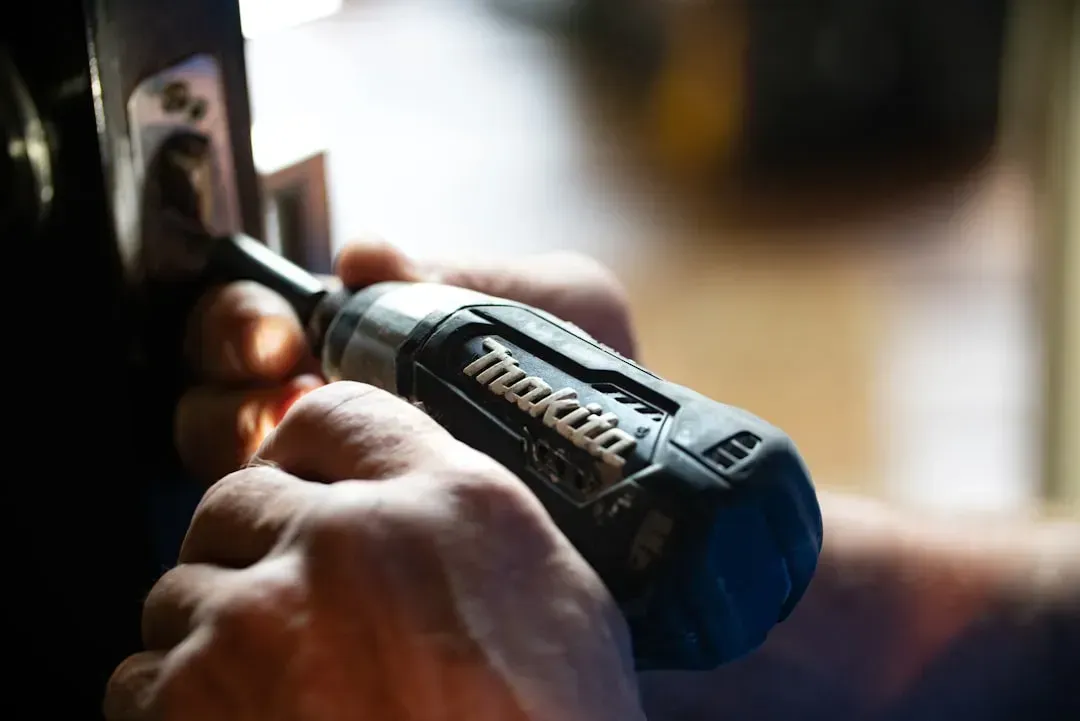
Skilled local services are quietly one of the most reliable side income categories going. They don’t require an audience, a social media presence, or months of content creation before your first dollar. Platforms like TaskRabbit can connect skilled workers with people willing to pay for their time and services, with no storefront or startup costs needed. One Denver-based contractor earns about $4,500 per month helping clients with home-improvement tasks, from electrical work to wall mounting. That’s a figure that would be competitive even as a primary income.
The demand side is structurally strong. Pet ownership and spending on pet services continue to rise year after year, and the same pattern holds for home maintenance, cleaning, landscaping, and mobile car detailing. These services aren’t being replaced by apps. Pet sitting, photography, handyman work, and yard care don’t trend on TikTok, but they pay well. Word-of-mouth builds quickly in local markets, and once you have three or four regular clients, the income becomes genuinely predictable.
1. Online Surveys and Micro-Task Platforms

1. Online Surveys and Micro-Task Platforms (Image Credits: Pixabay)
Surveys are technically a side hustle in the same way that collecting spare change is technically investing. Yes, you can get paid to take surveys, watch videos, or click ads. At $0.50 to $2 per hour, it’s not really a side hustle – it’s background noise. Swagbucks reports average users earn around $50 per month. That’s fine if you’re killing time in line, but it won’t touch your bills. The real cost isn’t just the low pay. It’s the opportunity cost of spending those hours on something that builds no skill, no relationship, and no equity.
Earnings per hour are low compared with almost any specialized service. Work volume is inconsistent and depends heavily on your demographics. This model doesn’t build much long-term skill or business equity. For anyone who wants their side hustle to actually grow over time, surveys are a ceiling, not a launching pad.
2. Dropshipping (The "Easy Money" Version)

2. Dropshipping (The "Easy Money" Version) (Image Credits: Unsplash)
Dropshipping still works in 2026. The version being sold to beginners on YouTube largely does not. Average dropshipping margins sit around 10 to 20%, though niches like premium goods or tech can reach 30 to 40%. Still, 80 to 90% of new dropshippers fail in the first year due to poor supplier choices or weak execution. The gap between gross revenue and what actually lands in your pocket – after ad spend, refunds, platform fees, and supplier issues – is frequently brutal.
In a 2025 survey of 3,161 store owners, 64% cited shipping delays as their biggest pain point, and over half reported low margins as a major hurdle in dropshipping. The model’s fundamental challenge hasn’t changed: you’re competing against sellers offering the exact same product, often shipping faster and cheaper. The same dropshipping products are already everywhere – on Amazon, Temu, Walmart, and TikTok Shops. If a product is easy to find, competitors can copy your store overnight. Customers usually go for the cheaper option or the faster shipping. That math rarely works in a newcomer’s favor.
3. Amazon FBA (Without Serious Capital)
3. Amazon FBA (Without Serious Capital) (Image Credits: Unsplash)
Fulfillment by Amazon can build a real business. Starting it as a casual side hustle without significant upfront cash is a fast way to lose money. FBA lets you send inventory to Amazon warehouses, who then ship for you. Sounds simple, but startup costs including inventory, storage fees, and ad spend often exceed $2,000. Data from JungleScout shows most beginners take 12 or more months to see a profit. That’s a long runway for something marketed as a quick income fix.
The FTC has also taken enforcement action against multiple “done-for-you” Amazon automation schemes in recent years. The FTC shut down Passive Scaling and FBA Machine, a $15.9 million scheme that promised AI-powered Amazon automation. The broader point is that FBA rewards operators with capital, time, and product research skills – none of which come free. Treating it as a low-effort side hustle is what leads to warehouses full of unsold inventory and a very expensive lesson.
4. Print-on-Demand (Without a Built-In Audience)

4. Print-on-Demand (Without a Built-In Audience) (Image Credits: Unsplash)
Print-on-demand is an appealing concept: upload a design, sell custom t-shirts and mugs, collect passive income. The reality is considerably less tidy. About 24% of print-on-demand shops are still in operation three years after they start. Roughly one in four POD businesses succeeds long-term. That number seems low, but it’s normal for small businesses. The low barrier to entry that makes POD attractive is the same reason competition is overwhelming for anyone without an existing audience or a genuinely distinctive design style.
Printify data shows the average POD seller takes 165 days to reach their first $1,000 in revenue. That’s more than five months to hit a single four-figure milestone, not a monthly baseline. Without traffic – meaning an email list, social following, or paid ad budget – a POD store is essentially invisible. Print-on-demand lets you upload designs and sell merchandise without touching inventory. A Forbes 2026 outlook on side hustles points out that many e-commerce ideas look exciting but fail due to low margins and weak demand validation. The hustle here isn’t the store. It’s the audience-building, which is a separate and much larger project.
5. Crypto Trading as a "Side Hustle"

5. Crypto Trading as a "Side Hustle" (Image Credits: Unsplash)
Calling crypto trading a side hustle is a framing problem. A side hustle, by most reasonable definitions, should generate relatively predictable income in exchange for time and skill. Crypto trading is speculative. After the 2022 to 2023 market crash, crypto remains highly volatile. While early adopters made fortunes, most retail investors lose money chasing flips. It functions more like gambling than a hustle. That’s not a moral judgment – it’s a description of the actual risk-return profile for the overwhelming majority of participants.
The social media ecosystem around crypto trading actively distorts perception of who wins and who loses. Successful trades get posted. Blown accounts go quiet. Most side hustles in this category are pitched with unrealistic expectations. You’re promised quick cash, passive income, or a six-figure exit – but no one tells you about the steep learning curve, upfront investment, or how long it takes to build momentum. If your goal is reliable supplemental income, speculative trading is among the least reliable paths available. The people making consistent money in this space are operating at a professional level, not squeezing in trades between a day job and dinner.
The clearest pattern across all the hustles that actually work is straightforward: they exchange real, specific skill for real, specific demand. Freelancing, tutoring, reselling with expertise, skilled local services – each one rewards people who get good at something and stay consistent. The ones that waste time tend to promise passive income, require no skills, and benefit the person selling the course more than the person starting the hustle.
Nearly half of Americans say they need a side hustle to survive financially, while roughly half are using side gigs to save for specific financial goals. That need is real. Matching it to the right vehicle – one with honest income potential and a clear skill pathway – is the part the internet conveniently leaves out.