
Walk into ten different home kitchens and you'll find ten different setups, from cluttered counters to minimalist islands. Yet professional chefs who spend time in these spaces, whether visiting friends or teaching cooking classes, tend to spot the same handful of patterns again and again. These aren't judgments so much as observations, the kind of small details that separate a confident cook from someone still finding their footing.
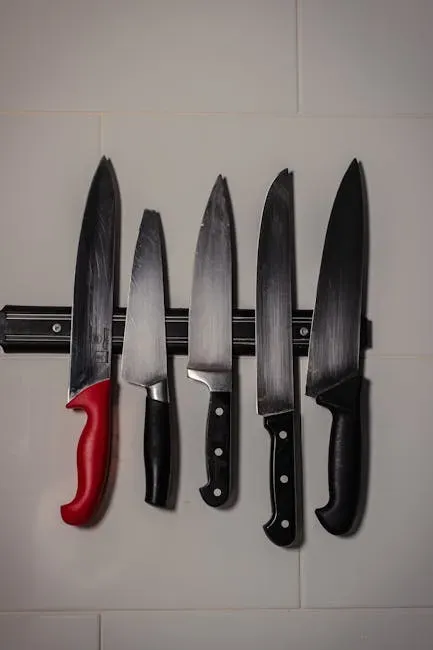
1. Dull knives sitting in the block
1. Dull knives sitting in the block (Image Credits: Pexels)
Chefs consistently point to knife maintenance as one of the first things they notice when they step into someone else's kitchen. Professional chefs say home cooks should avoid common kitchen mistakes like cross-contamination, dull knives and skipping ingredient prep before cooking. A blade that hasn't seen a sharpener in months forces the cook to press harder, which actually increases the risk of slipping and cutting themselves rather than reducing it.
The fix chefs mention most often isn't complicated. One home cook described gathering every blade in the house and taking them to a professional sharpener after realizing how much easier cutting became. I notice people holding a knife incorrectly for what they're trying to achieve. Pinch the base of the blade. Proper grip paired with a sharp edge is a small habit that changes how prep feels almost immediately.
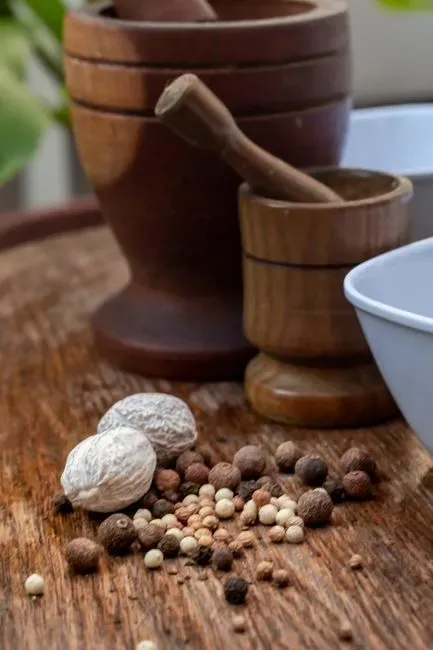
2. Under-seasoned food, or seasoning at the wrong time
2. Under-seasoned food, or seasoning at the wrong time (Image Credits: Pexels)
This one comes up in nearly every chef interview on the subject. One of the most common issues chefs notice is under-seasoned food. Salt is not just about making food salty, it enhances flavor and balances bitterness and sweetness. Many home cooks treat salt as an afterthought rather than a tool used throughout the process.
The habit chefs actually practice at home looks different. Season in layers throughout the cooking process, not just at the end. Taste constantly and adjust as you go. Even celebrity chefs interviewed on the topic echo this, with one telling a national talk show audience that professionals push past what feels safe with salt and pepper because tasting and adjusting boldly is what gives restaurant food more depth than a typical home version.
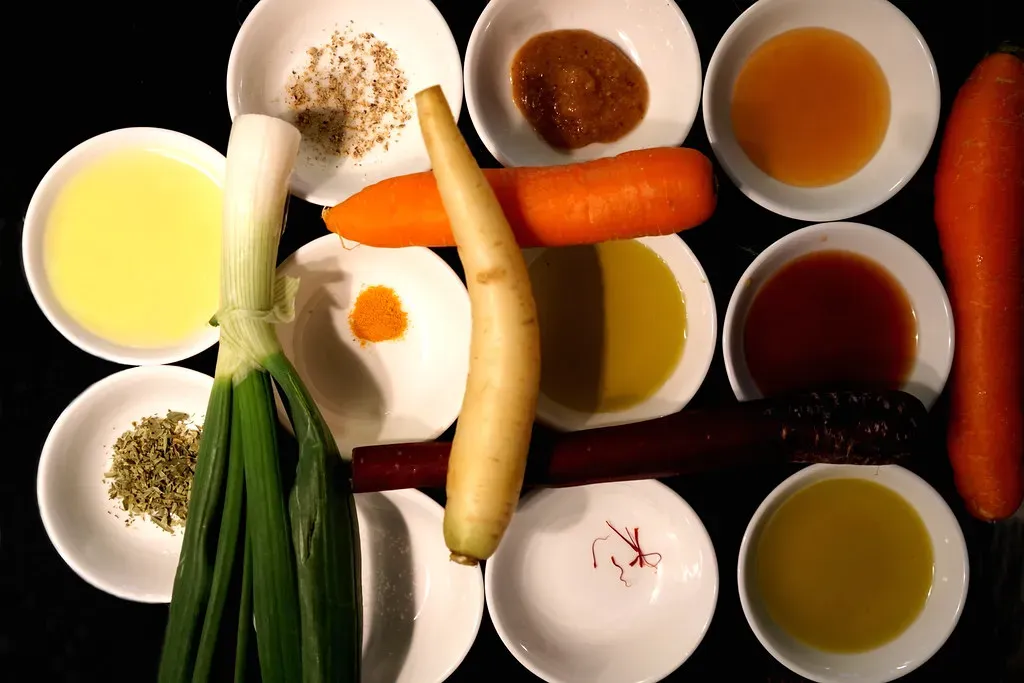
3. No mise en place before the pan even gets hot
3. No mise en place before the pan even gets hot (Rosmarie Voegtli, Flickr, <a href="https://creativecommons.org/licenses/by/2.0/" target="_blank" rel="noopener">CC BY 2.0</a>)
Jumping straight into cooking without prepping ingredients first is another pattern chefs flag repeatedly. Jumping into cooking without prepping ingredients can lead to mistakes and unnecessary stress. Preparing ingredients ahead of time helps prevent missed steps, uneven cooking and burned food. It sounds like a small thing until the onions are burning while you're still chopping garlic.
Professional kitchens build their entire workflow around avoiding this. Professional kitchens rely on a process known as "mise en place," where everything is chopped, measured and ready before cooking begins. Chefs who bring this habit home say it's less about discipline and more about removing the stress of multitasking mid-recipe, since everything is already within reach when the heat goes on.
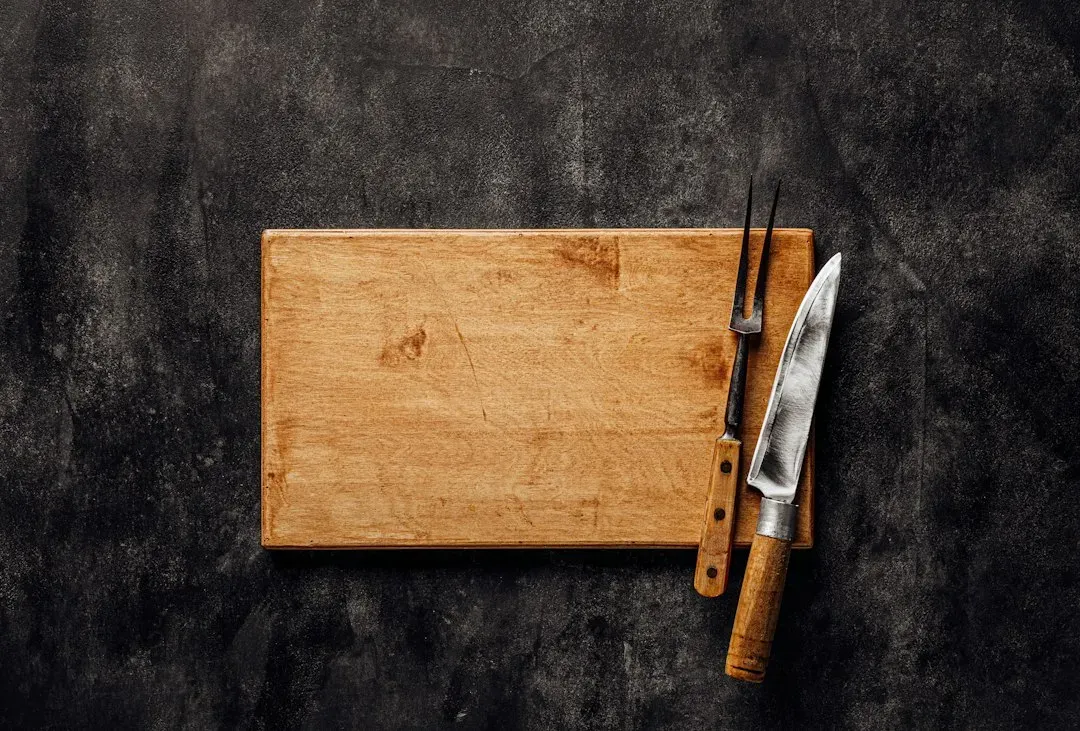
4. Cross-contamination from shared boards and cloths
4. Cross-contamination from shared boards and cloths (Image Credits: Unsplash)
Food safety habits are where chefs tend to notice the biggest gap between professional and home kitchens. Cross-contamination is a major concern in any kitchen. Using the same cutting board for raw meat and vegetables can spread bacteria and increase the risk of foodborne illness. It's rarely intentional carelessness, just a habit nobody thought to question.
The same issue shows up with cleaning tools, not just cutting boards. Home kitchens often overuse paper towels, while reusable cloths and cleaning as you go are more efficient, and one chef noted not to use the same cleaning cloths from counters to food-prepped areas. One chef put it bluntly in an online discussion about potluck dishes, saying that when people cook multiple dishes in a home kitchen without separating tools, most people in their home kitchens simply do not know or care about proper sanitation and illness prevention in the way a commercial kitchen would require by law.
None of these four habits require expensive equipment or years of culinary school to fix. A sharp knife, a heavier hand with salt used earlier in the process, ingredients prepped before the stove turns on, and separate boards for raw meat and produce cover most of what separates a chaotic dinner from a smooth one. The interesting part is how consistently chefs mention the same four things, regardless of what kitchen they happen to be standing in.