
Millennials grew up in a particular cultural moment, one where the blueprint for a good life felt unusually clear. Get your degree. Build your social presence. Own a home. Find a partner. These weren’t just personal aspirations; they were near-universal promises handed down from guidance counselors, parents, television, and later, the internet itself. The message was consistent: follow these steps, and life will feel meaningful and secure.
What nobody built into that promise was context. Economic crises, skyrocketing housing costs, suffocating debt, and an increasingly fractured sense of connection have quietly eroded several of those guarantees. For a generation now mostly in their late twenties through early forties, the gap between what they were told and what they’ve lived is harder to ignore.
1. Getting a Four-Year College Degree
1. Getting a Four-Year College Degree (Image Credits: Pexels)
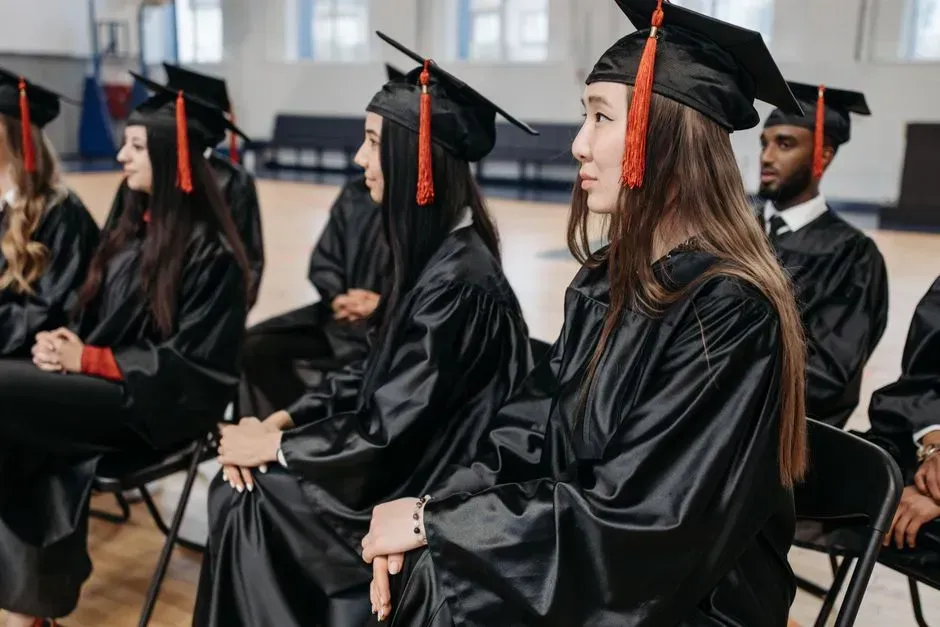
For millennials, going to college wasn’t really framed as a choice. It was framed as the only sensible option, the launchpad for a stable career and a fulfilling adult life. The logic seemed airtight at the time: education equals income equals happiness. Americans’ faith in the value and significance of postsecondary education has been waning, and a Gallup poll found that confidence in higher education stood at just 36%, a sharp drop from 48% in 2018 and 57% in 2015.
The financial weight of that decision has proven genuinely disruptive. Elder millennials and Gen X carry the highest outstanding student loan debt at over $634 billion, and millennials have the highest number of student loan borrowers of any generation at 15 million people. Around half of millennial borrowers have delayed major financial decisions, such as buying a home or a car, directly because of student loans.
The regret runs deep. The lingering debt has led roughly two in five borrowers to wish they had chosen a different major or school, and more than half now say they regret the level of debt they took on. The research is conclusive: debt of any kind is linked to higher rates of anxiety and depression, and a study from the Strada Education Network and Gallup found that those with student loans are more likely to regret their college choices than those who did not take out loans.
2. Owning a Home

2. Owning a Home (Image Credits: Pexels)
Homeownership was practically a moral obligation in the worldview millennials inherited. It signified stability, maturity, financial wisdom, and – above all – arrival into a secure adult life. The trouble is that the housing market they entered looked nothing like the one their parents navigated. Home prices surged 53 percent between 2020 and 2024, and elevated interest rates have further compounded the cost of owning.
In 2024, the millennial homeownership rate stood at 47 percent according to Census Bureau data, compared to nearly three quarters of baby boomers who own homes. Student loan debt, slower early-career wage growth, and rising cost of living continue to shape when millennials can enter homeownership, and as of 2024, millennials held more than $40,000 on average in student debt, limiting monthly affordability and making it harder to save for a down payment.
Roughly nine out of ten millennials still believe owning a home is part of the American dream, yet four in five of them also say homeownership is simply not affordable for the average American. That tension, wanting something deeply while being structurally blocked from it, is not a minor inconvenience. It chips away at a person’s sense of forward momentum in a way that’s hard to quantify but easy to feel. Nearly one in four millennials in recent years said they expect to always rent, up sharply from 13 percent just a few years prior.
3. Building a Life Through Social Media Connectivity
3. Building a Life Through Social Media Connectivity (Image Credits: Pixabay)
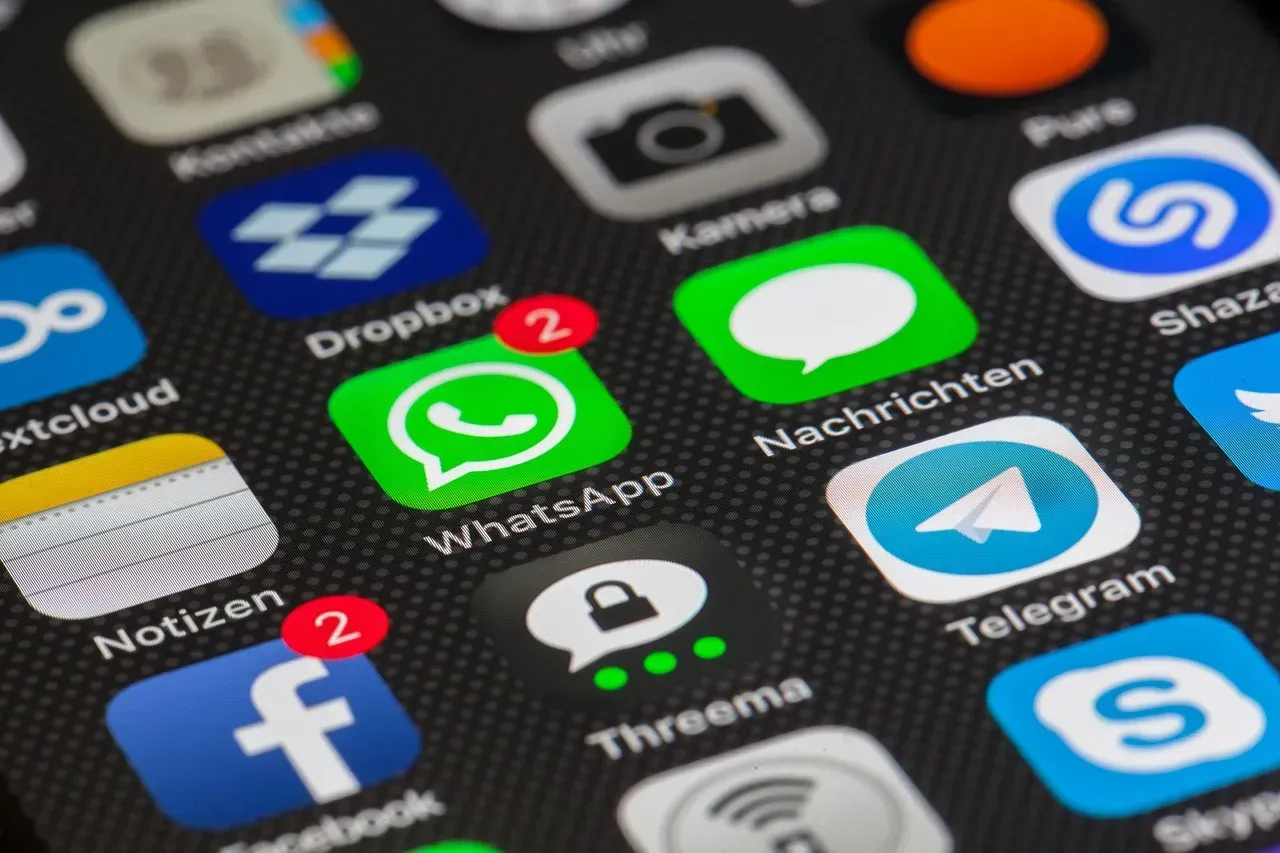
Millennials were among the first generation told that staying connected online was not just a convenience but a pathway to community, relevance, and wellbeing. Social platforms arrived promising a more social life. The reality has been considerably messier. Social media use among millennials is considered a hallmark behavior, with nearly 79 percent of individuals in this age bracket reportedly using social media. Yet widespread use hasn’t translated into widespread belonging.
Gen Z feels loneliness the most, with about two thirds classified as lonely, followed closely by millennials at 65 percent, and younger adults report loneliness far more often than older age groups across multiple major surveys. Millennials tend to carry more responsibility with less discretionary time, and Cigna’s research highlights that parents of young children and unpaid caregivers, a category that overlaps heavily with millennials, report especially high rates of loneliness.
The World Happiness Report has taken a closer look at how this plays out generationally. In North America, Australia, and New Zealand, the youngest cohorts reported an initial increase in life evaluations before smartphones became central to daily life, followed by a sharp decline through subsequent periods. Social media was supposed to fill the connection gap. For many millennials, it seems to have deepened it instead, or at least done very little to close it.
4. Following the Traditional Relationship and Life Milestones Timeline

4. Following the Traditional Relationship and Life Milestones Timeline (Image Credits: Unsplash)
The older generation’s script was fairly standard: date, marry in your mid-twenties, have children, settle down. Millennials were told this sequence would bring stability and happiness, and most grew up assuming they’d more or less follow it. What actually happened was that economic and social pressures pushed those milestones further and further back, and happiness didn’t simply wait around. Millennials now marry at an average age of 30, compared to 23 for boomers, and have children later, with the average age for first-time mothers now around 27.5 compared to 24.9 two decades ago.
Delaying those milestones wasn’t purely a free choice for most. It was a response to financial instability, debt, and an economy that made early independence harder to achieve. The median age of first-time homebuyers in the U.S. reached 40 years old as of 2025, an all-time high, which tells a story about how thoroughly the traditional timeline has been compressed and rearranged. Marriage, children, and homeownership were supposed to arrive together in a tidy package, and for many millennials they’ve arrived late, separately, or not at all.
None of this means these milestones can’t bring genuine satisfaction when they do happen. The point is simpler: millennials were handed a timeline that assumed a stable economy, affordable housing, and wages that matched the cost of living. When those conditions didn’t hold, the entire happiness framework built on top of them started to wobble. The generation is still working out, quietly and without much fanfare, what actually does work instead.