
Financial hardship often wears a convincing disguise. Someone can appear perfectly composed at work, keep up with social plans, and show no obvious cracks – while quietly running out of runway behind closed doors. The gap between how people present themselves and how they actually feel about money is wider than most of us assume.
The Financial Health Pulse 2024 U.S. Trends Report found that roughly seven in ten American households remain financially unhealthy, with day-to-day financial realities worsening for many. That’s a striking figure, and it explains why financial trouble is so common yet so rarely visible. Here are four of the most telling signs that someone may be quietly in over their head.
1. They Consistently Avoid Talking About Money or Checking Their Accounts

1. They Consistently Avoid Talking About Money or Checking Their Accounts (Image Credits: Pexels)
Most people who are doing reasonably well financially don't feel dread when a bank notification arrives or a bill lands in the mailbox. If someone ignores their statements or leaves bills unopened, it may feel easier in the moment – but it's a sign of denial. This kind of avoidance tends to grow the longer someone goes without confronting the numbers.
Most people don't avoid things that are going well or have the potential to work in their favor. So if someone is ignoring phone calls, staying away from their online banking, or blaming other people for their financial circumstances, that's a strong sign they may need to address financial difficulties. It's worth paying attention to this pattern in people close to you – not as judgment, but as a quiet indicator that they may need support.
2. They're Regularly Borrowing Small Amounts or Deferring Normal Expenses
2. They're Regularly Borrowing Small Amounts or Deferring Normal Expenses (rinkjustice, Flickr, <a href="https://creativecommons.org/licenses/by/2.0/" target="_blank" rel="noopener">CC BY 2.0</a>)
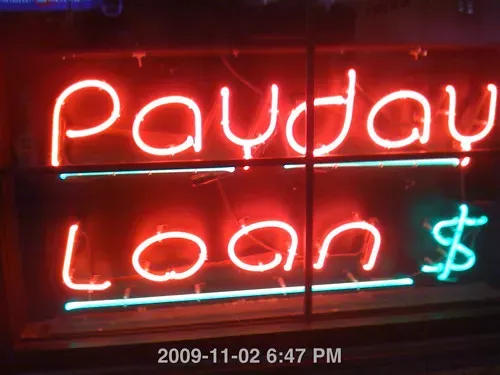
Regularly borrowing small amounts from friends or family, even if it's just "until payday," points to ongoing instability. This kind of behavior rarely announces itself loudly. It usually looks like someone asking to split a bill later, quietly skipping rounds, or deflecting plans that involve spending without explaining why.
The underlying data supports how widespread this pressure really is. The portion of households living paycheck to paycheck rose to roughly a quarter of all households in 2025. Roughly between a quarter and a third of Americans report having no emergency savings at all, depending on the survey, highlighting a sizable group with zero financial cushion. When someone has nothing held in reserve, even a small unexpected cost forces them to lean on others – and that borrowing pattern, however small it looks, is rarely a one-time thing.
3. Their Sleep and Physical Health Are Quietly Deteriorating

3. Their Sleep and Physical Health Are Quietly Deteriorating (Image Credits: Pexels)
Financial problems can take a huge toll on mental and physical health, relationships, and overall quality of life. Feeling beaten down by money worries can adversely impact sleep, self-esteem, and energy levels. Someone dealing with persistent financial stress may not bring it up directly, but their body often signals it in other ways – fatigue, irritability, persistent anxiety, or noticeable changes in appetite.
Nearly half of Americans in financial stress say it negatively impacts their sleep. Research has found that people with money worries report trouble sleeping an average of eight to nine days per month. According to a study at the University of Nottingham, people who struggle with debt are more than twice as likely to suffer from depression. These aren't minor side effects. They're reliable indicators that something beneath the surface is taking a serious toll.
4. They're Only Making Minimum Payments and Leaning Heavily on Credit for Basics

4. They're Only Making Minimum Payments and Leaning Heavily on Credit for Basics (Image Credits: Pexels)
Failing to make more than the minimum payment for an extended period could cause interest rates to jump, exacerbating an already dangerous debt cycle. Someone using a credit card to cover groceries or utility bills – not as a points strategy, but out of necessity – is often in a position where income simply isn't keeping pace with obligations. Carrying a large amount of debt, particularly at high interest rates, can weigh heavily on financial health over time. The more debt accumulates, the harder it becomes to manage, leading to increased financial pressure.
The context here matters. The average credit card interest rate crossed 21% in 2025, intensifying repayment stress. Households with credit card debt struggle more frequently with day-to-day financial challenges, including middle-income households, which were more likely to experience financial vulnerability. When someone is consistently unable to pay down their balance, interest compounds quickly, and what started as a manageable shortfall can quietly snowball into something far more serious before anyone around them notices.
Financial struggles are rarely as invisible as people hope them to be. The signs tend to show up in behavior long before they show up in conversation – in avoidance, in sleep, in small borrowed amounts, in the slow drift toward minimum payments. Noticing these patterns in someone you care about doesn't require a conversation about numbers. Sometimes the most useful thing is simply paying attention.