
Walk into any big-box baby store and the sheer volume of gear on the shelves can make a new parent feel like they’re preparing for a moon landing. Swaddle warmers, motorized bottle sterilizers, high-tech inclined sleepers – the marketing is convincing, and the prices are steep. It’s easy to believe that more features means more safety and more love for your child.
The reality, though, is that pediatricians have been pushing back on the baby product industry for years. Some popular baby products are not only unnecessary but can actually be dangerous for infants, and the AAP has specifically flagged items like inclined sleepers, crib bumpers, and soft pillow-like products as ones that should stay off the baby registry entirely. Here are five features and products that pediatricians consistently say parents can skip.
1. Motorized Baby Walkers With Wheel-Based Movement
1. Motorized Baby Walkers With Wheel-Based Movement (Image Credits: Unsplash)
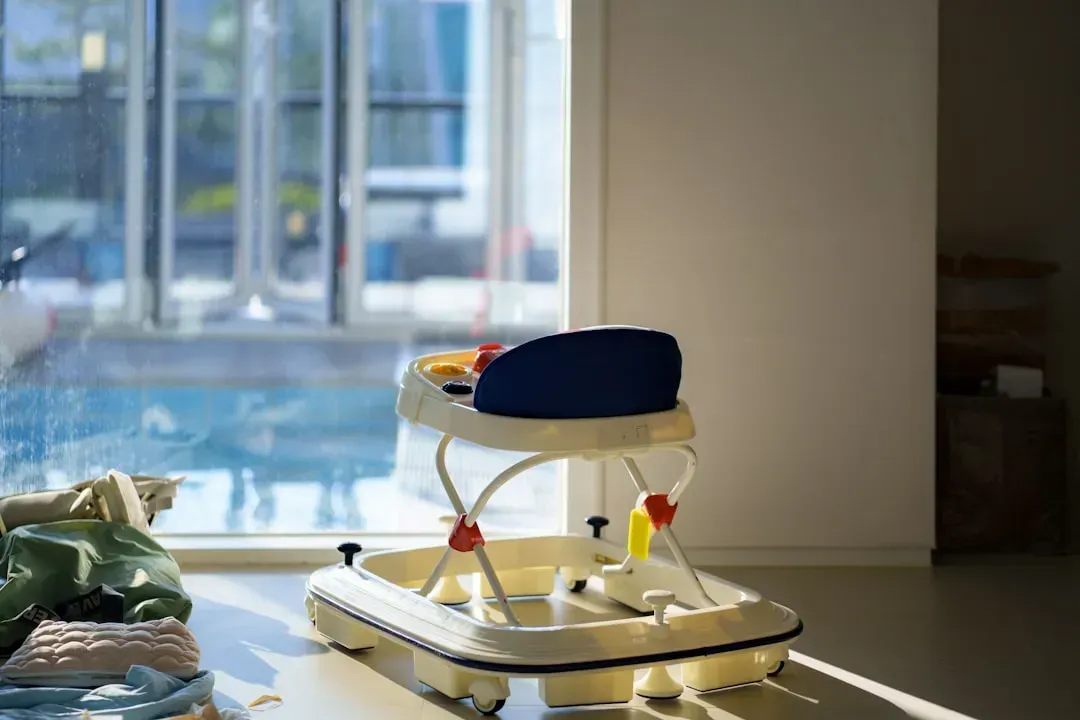
While it may be tempting to put a baby in a moving walker, the devices have led to thousands of injuries over the past three decades and do not help babies learn to walk – in fact, they hinder that process. The numbers are hard to ignore. Each day, approximately 21 children are hospitalized with baby walker-related injuries. Baby walkers cause more injuries than any other nursery product, and their use does not help a child walk sooner – it may actually delay the age of standing, walking, and crawling.
According to the AAP, walkers are also associated with burns (because babies in walkers can reach higher and pull tablecloths with hot beverages or grab pot handles), drowning (a child in a walker can fall into a pool or bathtub in seconds), and poisoning from elevated reach to medications or cleaning products. Since 2004, the AAP has called for a complete ban on the manufacture and sale of baby walkers in the U.S., and walkers are already banned in Canada. The developmental case is just as clear: the AAP clearly states that baby walkers do not promote independent walking and stresses that baby walkers can delay normal development and motor control.
2. Electric Bottle Sterilizers With Fancy Programming Features
2. Electric Bottle Sterilizers With Fancy Programming Features (Image Credits: Unsplash)
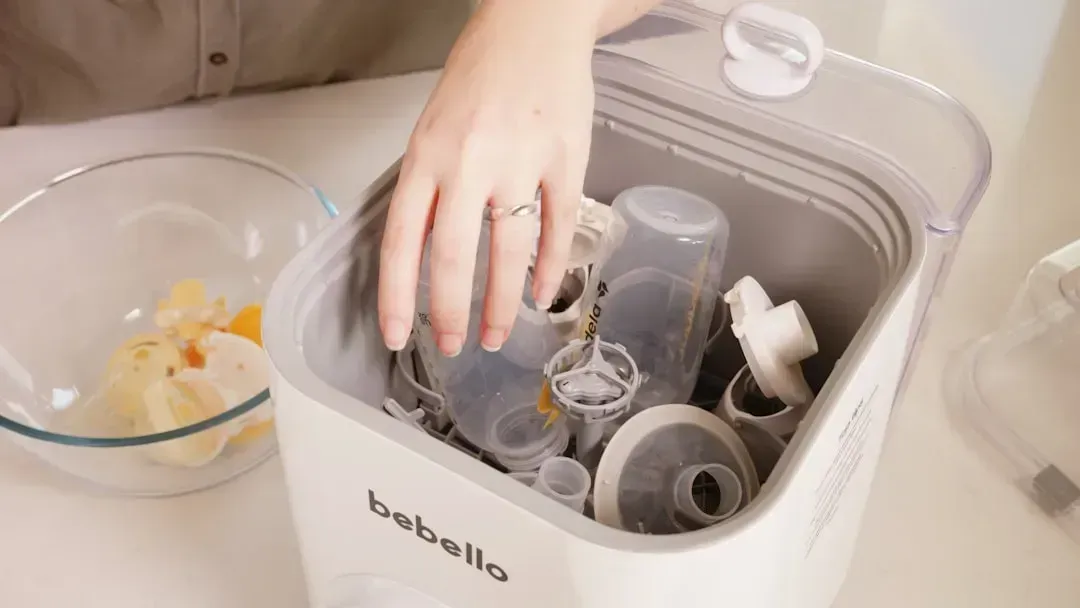
The AAP is surprisingly relaxed about sterilizing baby bottles and puts more emphasis on the safe preparation and storage of the contents rather than the bottles themselves. They feel that washing baby bottles with hot, soapy water and making sure there is no residue left in the bottles should suffice. This means the countertop electric sterilizer with LCD displays and automatic drying cycles is solving a problem that, for most healthy full-term babies, simply doesn’t exist in the first place.
It used to be that parents sterilized their baby bottles after every feeding, but with today’s treated municipal water, that’s not necessary. When you first buy bottles, they’ll need to be sterilized before baby drinks from them, but it’s usually a one-and-done type of deal. After that initial round, per the AAP, it’s fine to just clean the bottles with soap and water. Dropping the bottles and parts into boiling water on the stove for a few minutes works just as well – no special bottle sterilizer needed. The elaborate machines earn their real money from parents’ anxiety, not from any clinical need.
3. Wipe Warmers With Built-In Heating Elements
3. Wipe Warmers With Built-In Heating Elements (Image Credits: Unsplash)
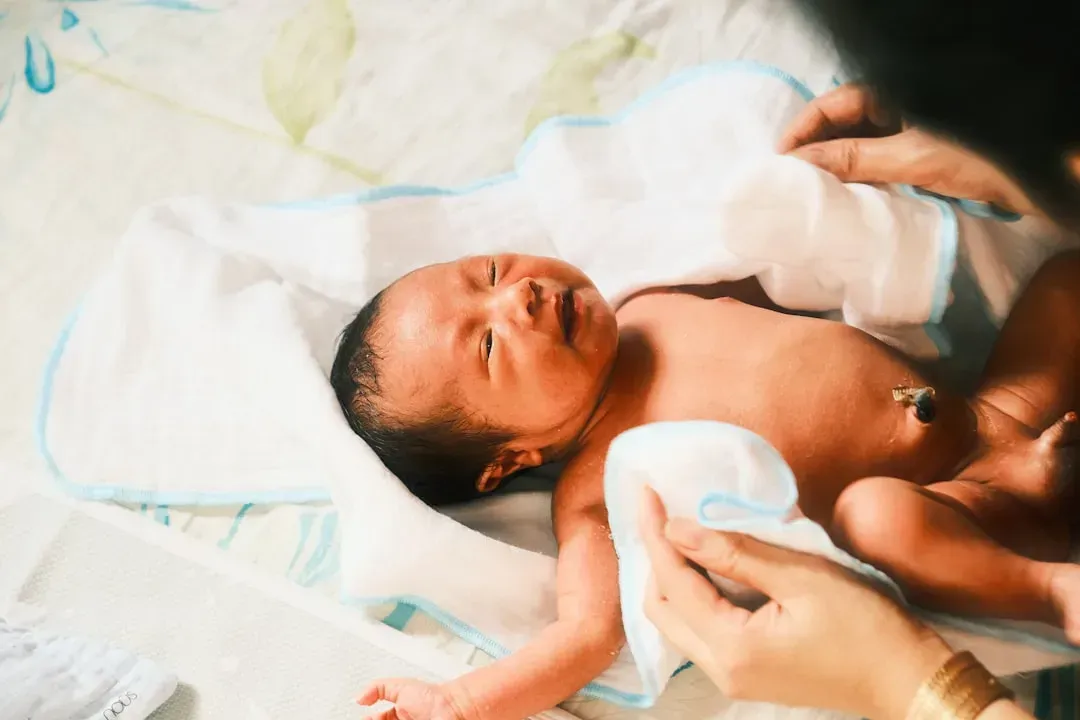
Among baby gear that parents most regret buying, any kind of warmer or sterilizer and general bath accessories consistently score at the bottom – meaning more parents report hating these items than loving them. Wipe warmers in particular draw specific concern from pediatricians. Wipe warmers hold risks in terms of potentially promoting bacterial growth and malfunctioning, which can be dangerous. Some wipes cannot be used in all warmers, and some will actually become dry if placed in them.
The practical problem is just as obvious as the medical one. A wipe warmer only works at home. The moment you’re out of the house, at a park, or at a relative’s place, your baby gets a room-temperature wipe anyway – and they survive just fine. Pediatricians say wipes are supposed to be a quick, easy option, and if parents want to warm one slightly, they can simply hold it in their hands, run it under warm water, or use a small spray bottle with warm water and a tissue instead. No heated appliance required.
4. Inclined Sleeper Inserts and Wedge-Based Sleep Positioners

4. Inclined Sleeper Inserts and Wedge-Based Sleep Positioners (Image Credits: Pexels)
Each year, about 3,400 infants in the United States die unexpectedly during sleep, from unintentional suffocation, sudden infant death syndrome, or unknown causes. To help prevent these deaths, the American Academy of Pediatrics recommends that all infants sleep on flat and firm surfaces, and that babies sleep by themselves without any bumpers, soft bedding, pillows, or stuffed toys. Inclined sleepers and wedge positioners directly contradict these guidelines.
A federal safety standard for infant sleep products was approved specifically to address this issue, helping to eliminate potentially dangerous products such as inclined sleepers, in-bed sleepers, and travel/compact sleepers. These products must now meet the same CPSC standards in place for cribs, bassinets, and play yards, and the Safe Sleep for Babies Act was signed into law in May 2022. Despite this, inclined inserts with wedge features are still marketed, often framed as remedies for reflux. Parents whose babies have genuine reflux should consult their pediatrician rather than turn to a sleep positioner.
5. Crib Bumper Pads With Padded or Plush Features
5. Crib Bumper Pads With Padded or Plush Features (Image Credits: Pexels)
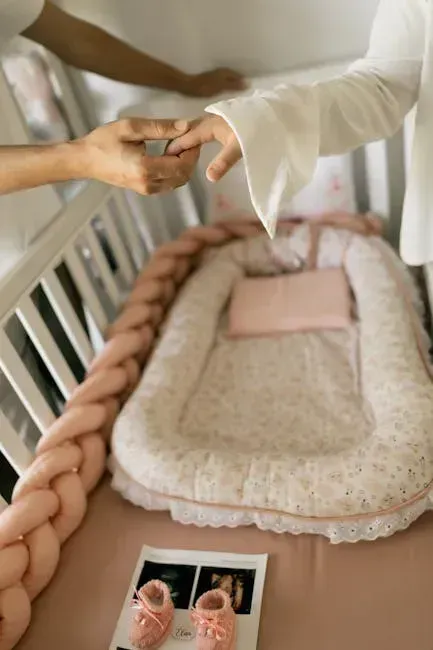
Bumper pads are undeniably adorable and make a baby’s first crib look comfortable and plush – but that may be exactly the reason the American Academy of Pediatrics explicitly warns against their use. Plush pillows and toys are dangerous for infants, and according to the AAP, bumper pads should not be used in cribs because there is no evidence that they prevent injuries, and there is a potential risk of suffocation, strangulation, or entrapment.
There is no evidence that crib bumpers of any kind prevent injury in young infants. Modern cribs are regulated by the CPSC and have updated safety standards with slats spaced closer together to prevent a baby’s head from getting stuck, which means bumpers are not only dangerous but unnecessary. For parents concerned about a child’s leg getting stuck between crib slats, a wearable blanket or sleep sack that’s the right size for the baby is a safe and simple alternative. The cushioned, coordinated nursery aesthetic is genuinely appealing, but no design trend is worth the risk.
The broader pattern here is worth noting. You need far less than you think – start with the basics, and wait before buying anything specialized until your baby is here. The baby product industry is enormous and inventive, and it markets to the very human instinct to protect and comfort a new child. Skepticism about features that promise safety or convenience without clinical backing is not just frugal – it’s often medically sound.