
Language has always been one of the clearest mirrors of any generation’s world. The words people reach for in daily life are shaped by the technology they use, the culture they grew up in, and the shared references that surrounded them. Every generation has catchphrases that take them back to their youth, and what means something quite obvious to a Boomer may mean absolute gibberish to someone from Generation Z. These expressions are products of their time, with historical and technological contexts that can elude younger generations raised in a digital age.
Gen Z was born between 1997 and 2012 and is considered the first generation to have largely grown up using the internet, modern technology, and social media. That context matters enormously when you try to explain why certain phrases land with a blank stare across the dinner table. The five expressions below weren’t quirky or confusing when Boomers used them. They were crisp, vivid, and completely logical for the world they described.
1. "Sounds Like a Broken Record"
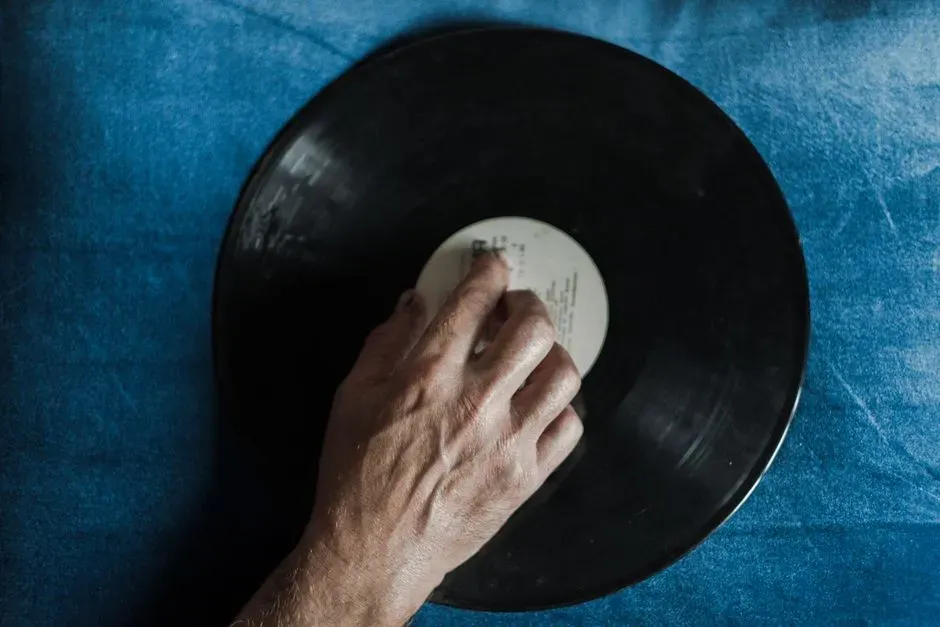
1. "Sounds Like a Broken Record" (Image Credits: Pexels)
This phrase harks back to the era of vinyl records, those large black discs that spun on turntables. A scratched record could make a repetitive, annoying sound that made your ears bleed. Younger folks, raised in the age of digital music, simply can't relate to the frustration of a scratched vinyl record causing repetitive playback. For a Boomer who grew up carefully handling their record collection, the image was immediate and visceral.
In the streaming era, music is essentially invincible. Songs don't skip, warp, or scratch. When a Gen Z listener hears this phrase, there's no physical reference point to latch onto, and the entire metaphor evaporates. In the past, people used certain phrases to describe familiar frustrations, but what was trendy or relatable in one decade can already feel ancient by the next. The phrase still works perfectly as a concept. It just requires a history lesson to get there.
2. "Groovy"

2. "Groovy" (Image Credits: Pixabay)
"Groovy" had a lot of meanings throughout the 20th century. It was derived from the American jazz phrase "in the groove," so it originally meant "performing well" in the 1930s. By the 1940s, "groovy" was a stand-in for words such as "excellent," "first-rate," and "wonderful." It reached peak popularity in the '60s before becoming outdated by the '80s. At its height, this was a word that carried real cultural weight, rooted in jazz culture and the counterculture movements that defined the Boomer era.
Groovy is used to refer to something really cool and amazing. It was popular during the '50s, '60s, and '70s, and it's roughly equivalent to Gen Z's slang term "fire." The irony is that the underlying meaning hasn't changed at all. The container has just aged out. To a Gen Z ear in 2026, "groovy" reads more as a costume party joke than a genuine compliment, which is a shame given how elegantly it once did its job.
3. "Can You Dig It?"

3. "Can You Dig It?" (Image Credits: Unsplash)
"Can You Dig It?" was a cool way of asking if someone understood or agreed with what was being said. It implied a deeper level of comprehension or acceptance beyond mere agreement. To a Gen Z audience, "digging" something might seem more related to archaeology or gardening than a colloquial nod of understanding. Within Boomer-era counterculture, the phrase carried a real sense of connection. Asking if someone could "dig it" was an invitation to share in the moment.
The phrases that Baby Boomers grew up with often land like foreign words to Gen Z ears. This isn't necessarily anyone's fault. Language evolves, context shifts, and what once made perfect sense now sounds outdated. "Can you dig it?" is a textbook case of this. The metaphor of digging as intellectual engagement made intuitive sense in an era built around physical labor and hands-on work. Gen Z, wired for quick digital clarity, simply reaches for different imagery.
4. "The Boob Tube"
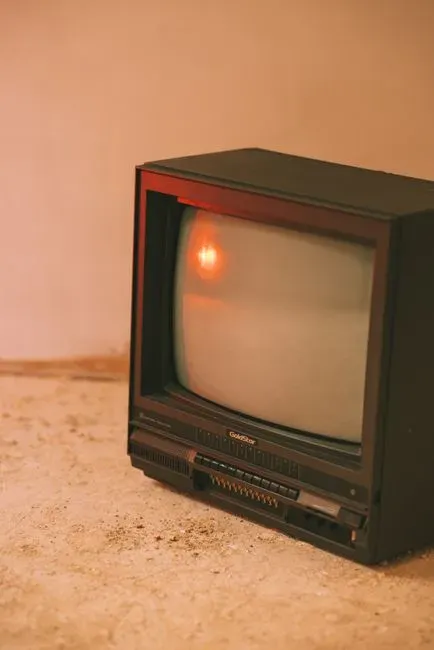
4. "The Boob Tube" (Image Credits: Pexels)
When television became the trendy new medium for news and entertainment in the 1950s and 1960s, people started calling it the boob tube. The term "boob" was commonly used to describe a silly person, so the catchy phrase was coined on the notion that much of what's watched on TV is either foolish or geared toward foolish people. It was a witty, slightly self-deprecating label for a box in the living room that the whole family gathered around. The name had real bite at the time.
Today, "television" as a unified concept barely exists anymore. In an ever-evolving linguistic landscape, the clash of generations brings to light stark differences in communication styles. With the rise of social media and digital communication, Gen Z's lexicon has expanded with abbreviations, memes, and internet slang, leaving traditional phrases used by Baby Boomers often misunderstood or unknown to the younger generation. Gen Z consumes content across a dozen platforms simultaneously, none of which resemble a tube, and none of which carry a single collective nickname.
5. "Pound the Pavement"

5. "Pound the Pavement" (Image Credits: Unsplash)
This phrase assumes job hunting still works like it did in 1975. Back then, you could walk into businesses, hand over a resume, and possibly get hired that day. Today's reality looks nothing like that. Most companies won't even accept in-person applications. Everything happens online through applicant tracking systems and LinkedIn profiles. For the Boomer generation, physically walking from business to business was the standard, and the phrase captured that reality precisely.
When Gen Z hears this advice, they hear someone who doesn't understand how the modern job market functions. It's not that the sentiment is wrong. Persistence and proactivity still matter in any job search. The physical logic behind the words has just vanished entirely. These phrases serve as linguistic time capsules, encapsulating the ethos, attitudes, and cultural landscapes of the Baby Boomer generation.
There's something worth sitting with here. None of these five phrases were ever lazy or careless. Each one was sharp, specific, and grounded in the lived reality of the people who coined it. Language evolves, context shifts, and what once made perfect sense now sounds outdated. Understanding these differences can help bridge the gap and reduce frustration on both sides. A phrase doesn't become meaningless just because the world it described has changed. It becomes a small window into how people once saw things clearly, in a time that looked very different from this one.