
Most of us are guilty of it. You grab something after the last summer cookout, toss it in the basement “just for now,” and promptly forget it’s there. The problem is that plenty of common household items carry real risks when stored inside the home – risks that aren’t always obvious until something goes terribly wrong. From fire hazards to toxic fumes creeping through your living space, the way we store everyday items genuinely matters.
Here’s the thing: this isn’t about being overly cautious. It’s about understanding what certain items actually do when they sit in a warm, enclosed, poorly ventilated space. Some of the items on this list might surprise you. Let’s get into it.
1. Gasoline Canisters
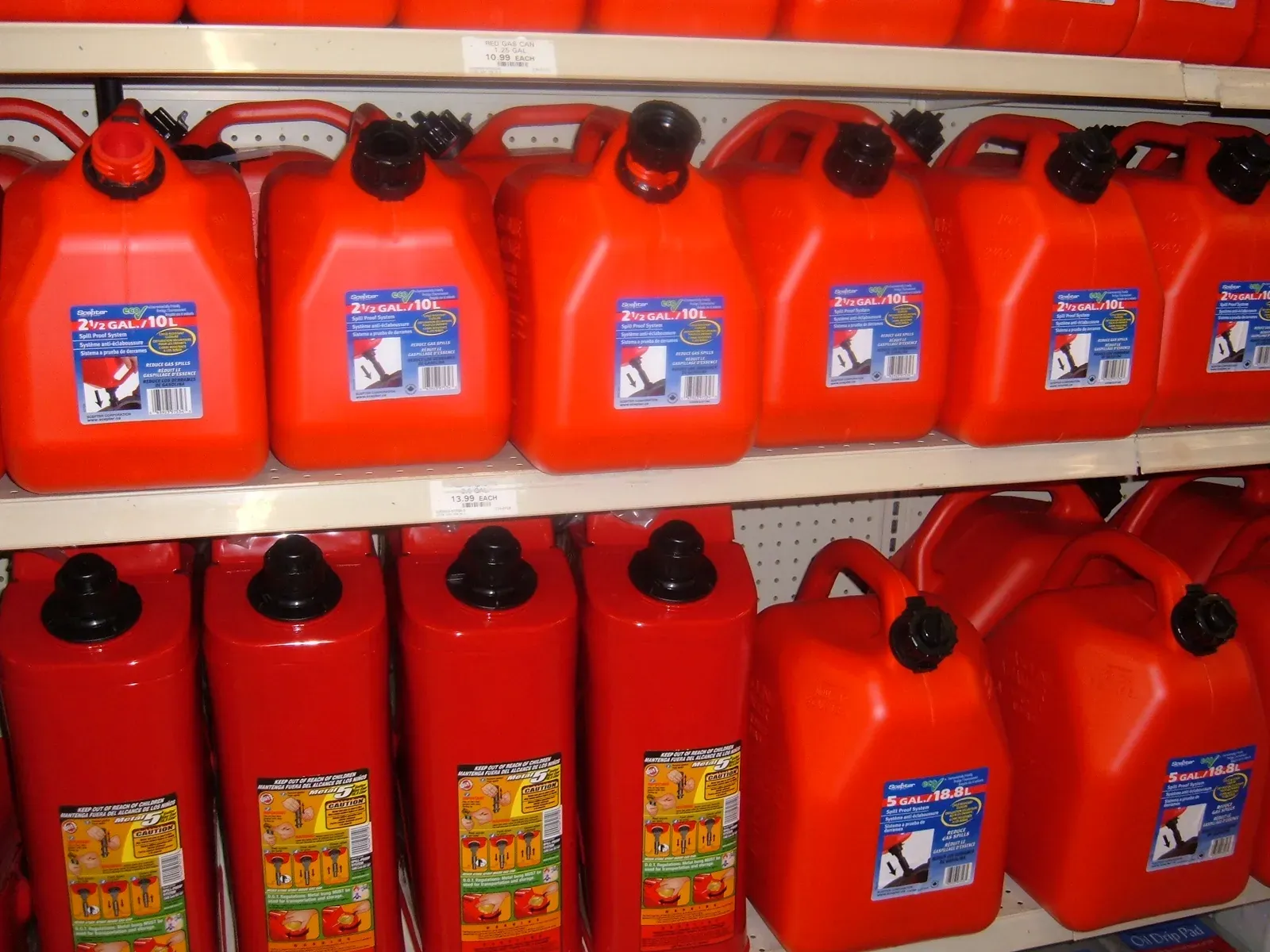
1. Gasoline Canisters (By BrokenSphere, <a href="https://commons.wikimedia.org/w/index.php?curid=3656647" target="_blank" rel="noopener">CC BY-SA 3.0</a>)
Honestly, this one tops the list for a reason. Storing gas in your home is not just a serious fire hazard – it's a public health hazard as well. What most people don't realize is how little fuel is needed to create catastrophic conditions. Vaporization of less than one-half pint of gasoline is enough to fill an entire home garage with explosive vapors, according to the National Fire Protection Association. That's a terrifying amount of danger hiding in what looks like a standard red canister in the corner.
The vapors don't just sit still, either. Gasoline vapors are highly flammable and can be ignited by sparks or flames. The vapors are heavier than air and can travel along the ground to an ignition source, leading to a fire or explosion far from the gasoline's actual location. According to the National Fire Protection Association, every year there are about 2,400 fires in American homes that start from gasoline stored in the home – and most of the time, "stored in the home" means in an attached garage. The problem with storing your gas in an attached garage is that it's closer to ignition sources like a pilot light of a furnace or hot water heater, and if a fire does start, it can quickly spread to your living space. The safest bet is a detached shed or outdoor storage structure.
2. Propane Tanks
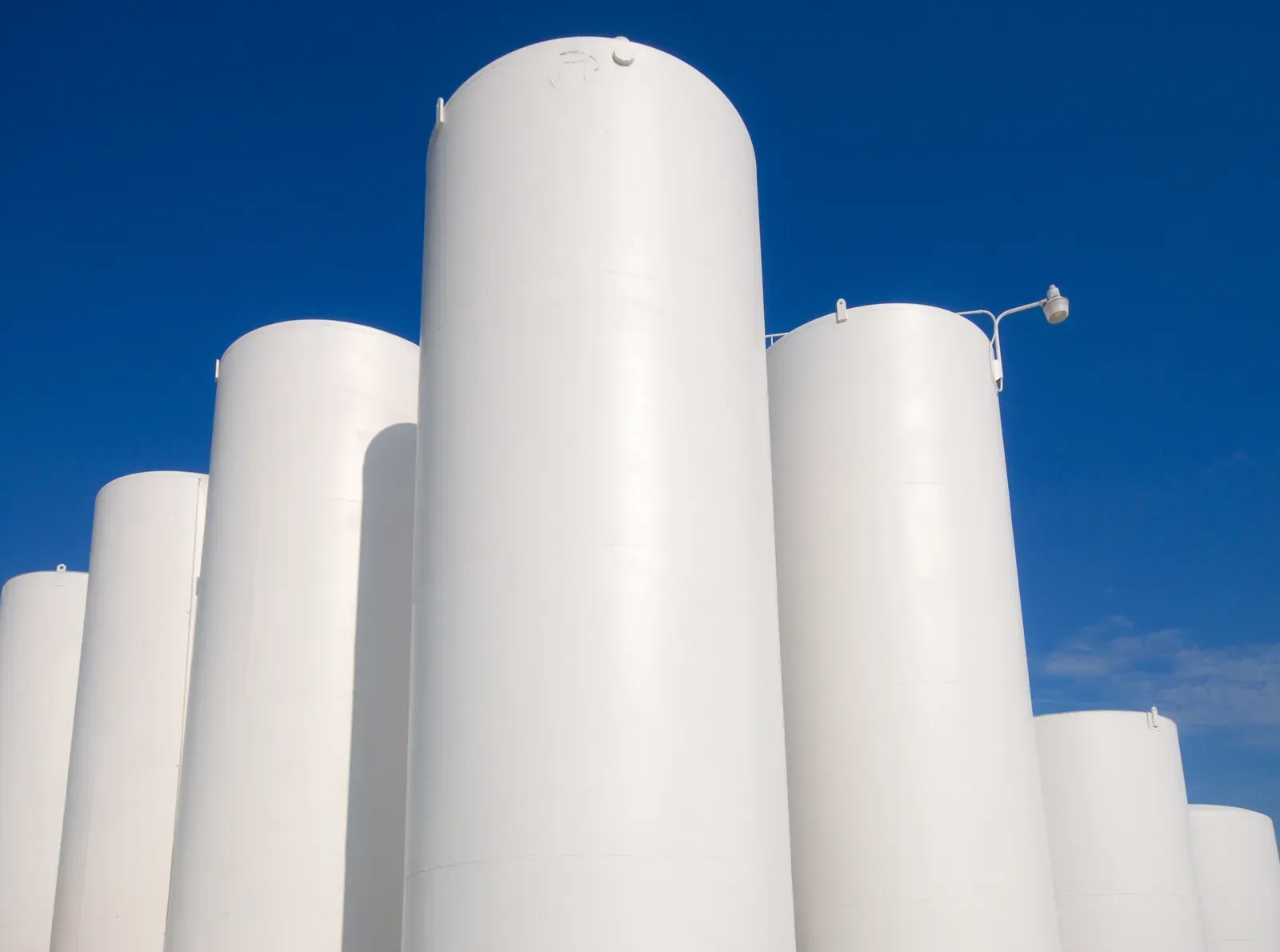
2. Propane Tanks (By Carl Young, <a href="https://commons.wikimedia.org/w/index.php?curid=131717550" target="_blank" rel="noopener">CC BY-SA 4.0</a>)
Propane tanks are one of those items that feel totally harmless sitting in the garage after a summer of grilling. They're sealed, they look sturdy, and nothing has ever happened before. But the risk isn't about the tank being dramatic on its own. A leak in a propane tank stored indoors or in an area with little or no air circulation can cause the dangerous gas to build up, and this highly explosive gas can ignite with the slightest spark and generate a massive explosion. Think a light switch. A phone charger. A water heater pilot light. Any of those could be enough.
There's a physics reason why indoor propane storage is so dangerous, too. You should never store tanks indoors, in basements, or anywhere without unrestricted airflow, because propane is heavier than air and will pool in low areas, creating explosion hazards. You should never store your propane tank in your living area or in any spot that's attached to your home. Storing propane tanks in a garage or detached shed is the best choice, as these structures provide coverage from direct sunlight while also providing a well-ventilated area for the tank in warm and cold weather. Treat it like the pressurized, flammable container it actually is.
3. Paint and Chemical Products
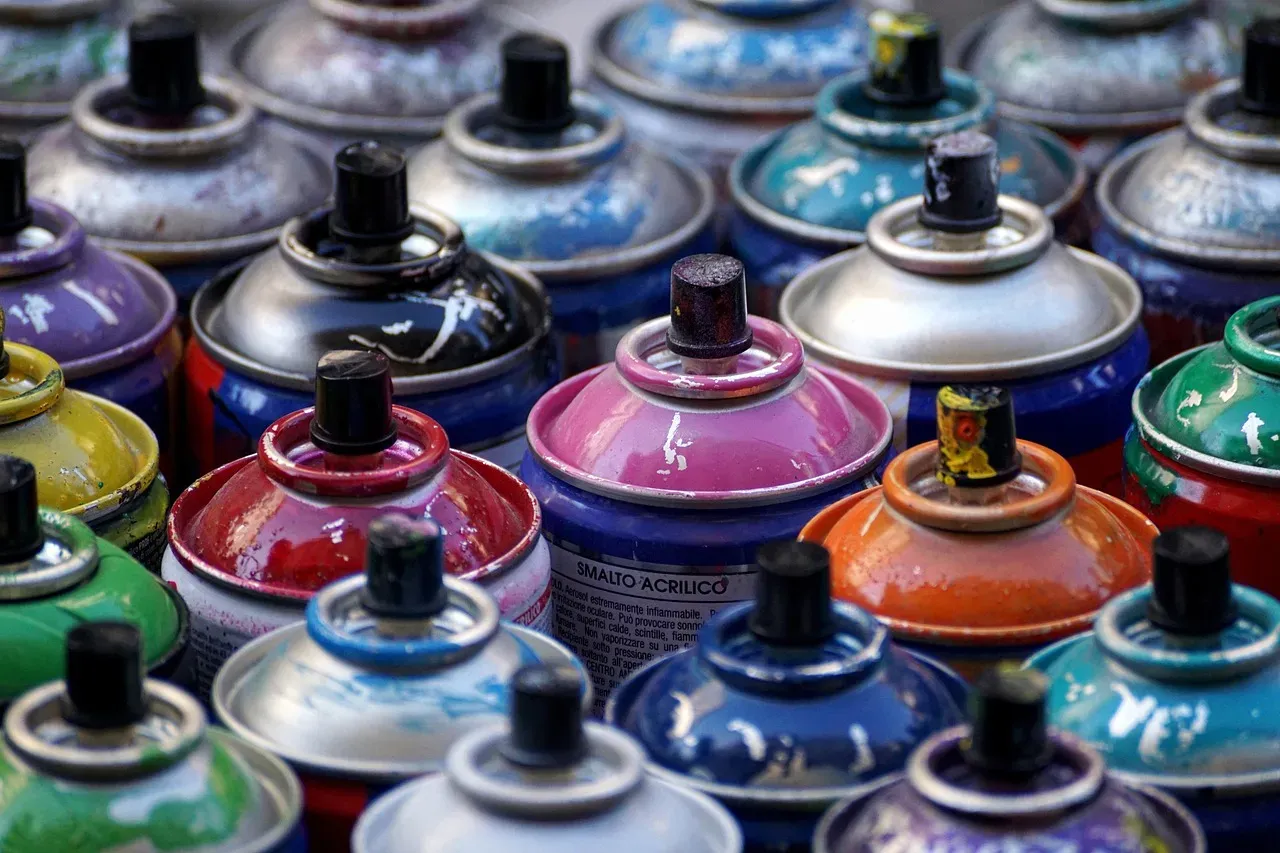
3. Paint and Chemical Products (Image Credits: Pixabay)
Leftover paint cans are practically a household tradition. You finish a room, slap a label on the can, and shove it somewhere "in case you need to touch up later." The problem is where that somewhere ends up being. Paint and chemical products are extremely sensitive to temperature changes, which can cause them to separate, spoil, or become unstable. Storing them in attic or enclosed spaces can also create a fire hazard, especially during hot months, and fumes from these products can seep into insulation or living spaces, creating indoor air quality issues.
Many American families have an accumulation of stuff in their homes: gasoline cans, spare oil, half-containers of antifreeze, fertilizer, yard pesticides, and other materials all compressed together into one poorly ventilated space. This creates the perfect conditions for vapors, chemical reactions – and potentially real harm to people in the building. Safe storage of hazardous household products is important to prevent accidental poisonings and spills, as cleaning products and other hazardous household products are among the most dangerous poisons. Home safety experts strongly advise storing chemicals in cool, dry areas away from heat sources. A utility room next to the boiler is essentially the worst possible choice.
4. Perishable Food Items

4. Perishable Food Items (Image Credits: Pexels)
This one sounds obvious, but you'd be surprised how often people store bags of rice, pet food, or canned goods in basement corners or warm interior closets, thinking "it's fine, it's sealed." Here's the reality: even sealed or shelf-stable food items can become a problem indoors when temperatures fluctuate or moisture creeps in. Perishable items in a storage unit attract rats and other vermin. Pests have keen noses that can pick up the scent of food from far away, and you will have a hard time getting rid of pests once your unit is labeled as a food source.
The same logic applies inside your home. You should avoid storing any perishable items that can spoil or attract pests, including fresh produce, dairy products, and meats, which can rot and emit odors that attract insects and rodents. In addition to fresh food, canned goods, pet food, rice, and bird seeds should not be housed in uncontrolled indoor spaces. I think people underestimate just how fast a single forgotten bag of dog food can become a full-on pest situation. Temperature-controlled, dedicated pantry spaces are genuinely important here, not just a luxury.
5. Electronics in Humid or Unventilated Spaces
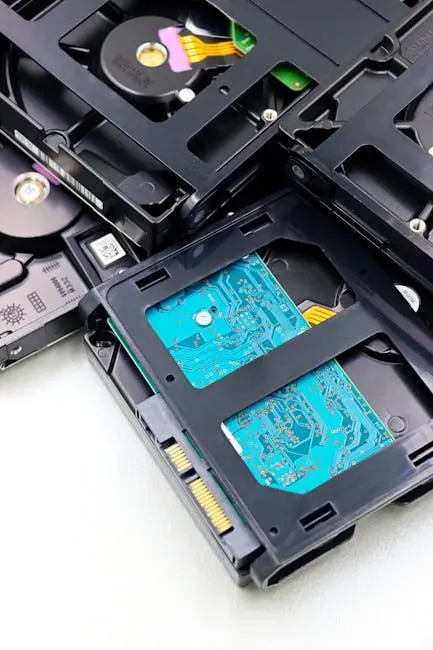
5. Electronics in Humid or Unventilated Spaces (Image Credits: Pexels)
This one surprises people because electronics feel like the obvious thing to store inside. The issue isn't being indoors per se – it's the specific indoor environments people choose. Basements, attics, garages attached to the house, and utility rooms are all technically "indoors" but are some of the worst places for electronics. Electronics such as computers, televisions, and other gadgets are susceptible to damage from extreme temperatures and humidity. Storage spaces often lack the climate control necessary to protect these sensitive items.
Without climate control, extreme heat or cold can damage screens and internal components of electronics. Think about it like this: your laptop is essentially a collection of tiny, precise mechanisms that hate moisture almost as much as they hate heat. An unventilated basement in summer is like parking a precision instrument next to a sauna. Store electronics in a cool, dry place at home or in a specialized facility that offers climate-controlled conditions. It also helps to keep devices in original packaging or sealed plastic bins when they're not in regular use, which adds a meaningful layer of protection against humidity damage.
The takeaway from all of this is surprisingly simple: the "out of sight, out of mind" approach to storage can quietly create serious risks in your home. Whether it's a leaking propane tank pooling invisible gas near your furnace, or gasoline vapors drifting toward a pilot light, the hazards are real and well-documented. A little thought about where things actually go – and why – can make all the difference.
Which of these surprised you the most? Drop your thoughts in the comments and let us know if there's a storage habit you're now rethinking.