
Ever had a moment where you sent a perfectly reasonable text and the other person acted like you’d committed a felony? Or called someone spontaneously and they responded as if you’d knocked on their door at 3 a.m.? You’re probably not imagining it. The gap in how different generations approach communication in relationships, whether romantic, familial, or close friendships, is real, well-documented, and frankly kind of fascinating.
From Baby Boomers who still believe a phone call shows you care, to Gen Z daters navigating vulnerability hangover after opening up on a first date, the differences run deeper than just technology preferences. They reflect entirely different emotional frameworks, shaped by the world each generation grew up in. So let’s dig into exactly where these gaps show up, and why they matter more than most of us realize.
1. Preferred Communication Channel: Calling vs. Texting vs. Everything In Between
1. Preferred Communication Channel: Calling vs. Texting vs. Everything In Between (Image Credits: Pixabay)
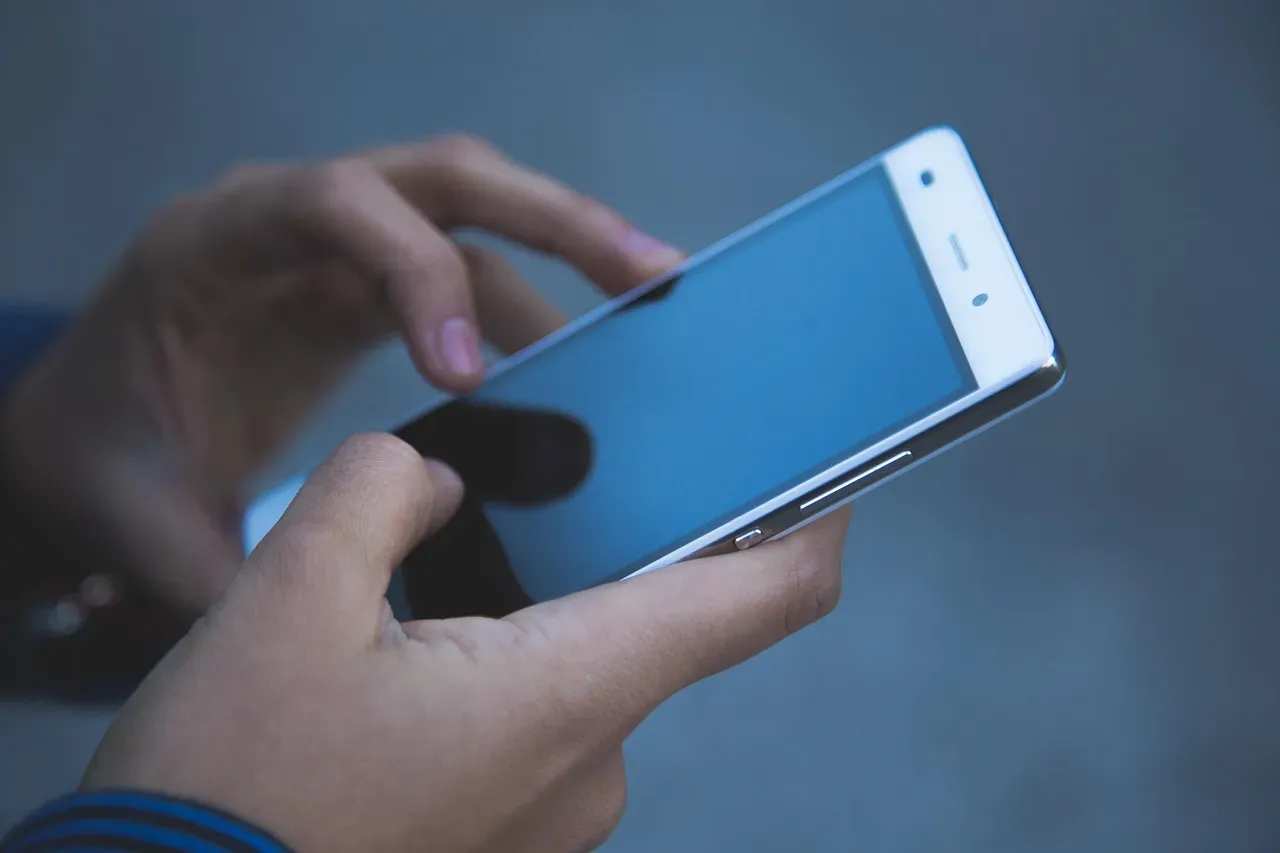
Here's the thing, no single difference causes more daily friction in relationships than the question of how to actually reach someone. Baby Boomers, shaped by radio, early television, and face-to-face dinner table conversations, tend to favor auditory interactions such as in-person meetings or phone calls, where the nuances of voice and personal connection convey sincerity and commitment. For them, picking up the phone isn't just a habit. It's a sign of respect.
Generation X, the first generation to grow up with personal computers, still loves a good email, and email alongside one-on-one phone calls remains their preferred method of communication at preference rates of over fifty percent for both. Millennials, on the other hand, have a complicated relationship with the phone itself. More than half of Millennials prefer texting to calling, and many studies show that unexpected phone calls rank among the most dreaded activities for this group. Then there's Gen Z. While roughly nine in ten Gen Z individuals prefer messaging over calls, around forty percent still value face-to-face connection for important conversations, and sending a text before calling helps ease the phone anxiety reported by roughly three quarters of this cohort.
2. Emotional Openness and Vulnerability in Relationships

2. Emotional Openness and Vulnerability in Relationships (Image Credits: Pexels)
I think one of the most genuinely surprising shifts across generations is how differently each group understands emotional honesty. Millennials tend to value emotional openness and vulnerability as leadership and relational strengths, while Boomers may see these same traits as signs of unprofessionalism or weakness. That's not a small gap. That's practically two different emotional languages.
Generation Z, the first cohort to grow up fully immersed in digital technology, brings a fresh emotional language to relationships, often emphasizing emotional honesty, identity affirmation, and social justice. Still, it's not as simple as "Gen Z is more open." A 2025 Hinge survey of roughly thirty thousand daters revealed that roughly eight in ten Gen Z daters are seeking new ways to build emotional intimacy, yet hesitation, gendered expectations, and a lack of meaningful conversations continue to hold them back. Wanting vulnerability and actually practicing it, it turns out, are two very different things across every generation.
3. Formality and Tone: How Serious Is a Message Supposed to Sound?

3. Formality and Tone: How Serious Is a Message Supposed to Sound? (Image Credits: Pexels)
Baby Boomers came of age writing letters and making phone calls, learning that proper punctuation and complete sentences signaled respect and professionalism, while Gen Xers straddled the analog and digital worlds, mastering email as their primary written communication. This background still shows up in how they write messages today. A Boomer ending a text with a period isn't being cold. That's just how writing was supposed to look.
Gen Xers are essentially the translators of the texting world, fluent in both formal and casual communication, having adapted so many times that they can code-switch between texting styles almost unconsciously, texting their boss with proper capitalization and their friends with casual abbreviations in the same hour. Meanwhile, Baby Boomers may appreciate formal language, while Millennials prefer a casual tone. For Gen Z, a full stop at the end of a short message can genuinely read as passive-aggressive. It sounds absurd, but watching for tone mismatches matters, as even a simple "K" text can seem dismissive or passive-aggressive to a Millennial.
4. Conflict Resolution Styles Across Generations

4. Conflict Resolution Styles Across Generations (Image Credits: Unsplash)
How generations handle disagreements in relationships is where things get genuinely complex. Emotional self-regulation is essential in conflict resolution, and research shows that older adults tend to have higher levels of emotional regulation and conflict competence due to life experience and cognitive-emotional maturity. That doesn't mean older generations always handle conflict better, though. It often means they've simply learned to suppress it more effectively.
Communication styles, including directness, emotional expression, and even humor, differ sharply across generations. Boomers and Gen X tend to prefer resolving issues directly and in person, while technology can affect relationship dynamics by causing couples to hide behind screens to avoid discussing issues, leading to feelings of exclusion, neglect, and misunderstandings due to a lack of emotional cues. Younger generations, particularly Gen Z, are more likely to process conflict through text or even social media, which older partners can read as avoidance. Honestly, both sides have a point here.
5. Digital Intimacy and the Meaning of "Being Connected"
5. Digital Intimacy and the Meaning of "Being Connected" (Image Credits: Pexels)
Perhaps the most fundamental split between generations isn't about any single platform or habit. It's about what "being connected" in a relationship actually means. Baby Boomers and Gen X mostly see the cell phone as a communication tool, while Millennials and Gen Z are more likely to see the phone as an extension of themselves. That distinction is massive. When a Boomer goes quiet on their phone for a few hours, it means nothing. When a Gen Z partner does the same, it can trigger genuine anxiety about the relationship status.
For Gen Z and Gen Alpha, being "digital-first" is more than just a communication preference, it shapes their sense of self, their communities, and their romantic relationships, and a 2025 survey found that roughly seven in ten Gen Z respondents feel that digital relationships can be as meaningful or even more meaningful than in-person ones. Meanwhile, research shows a strong link between high digital use and shorter, less meaningful in-person conversations, with older adults such as Baby Boomers and Gen X expressing concern that family and relationship bonding is weakening and being more likely to value in-person connection. Neither perspective is wrong. They're just talking about fundamentally different definitions of closeness.
The real takeaway here isn't that one generation communicates "better." Each approach was shaped by the world people grew up in, and that context deserves respect rather than eye-rolls. The problems almost always start not from the differences themselves, but from the assumption that everyone around us must feel the same way we do about a phone call, a delayed reply, or a perfectly placed period. Understanding the "why" behind someone's communication style might be the single most underrated relationship skill there is. What do you think – has a communication gap ever caused real friction in one of your relationships? Share your thoughts in the comments.