
Most people don’t enter a relationship expecting trouble. They follow what feels familiar, what movies validate, what friends describe as “passionate” or “intense.” The tricky part is that some of the most damaging relationship patterns don’t arrive with warning labels. They arrive wrapped in something that looks an awful lot like love.
Looking back on certain moments, many people recognize a quiet unease they pushed aside at the time. Something felt off, but the feeling got labeled as overthinking, insecurity, or simply “being in a new relationship.” Here are five of those moments, and what research actually tells us about them.
1. Treating Jealousy as Proof of Love

1. Treating Jealousy as Proof of Love (Image Credits: Pexels)
Few relationship dynamics get romanticized quite as persistently as jealousy. The idea that a partner's jealous reaction means they care deeply is woven into popular culture, and it's genuinely hard to shake. Jealousy in an intimate relationship may seem cute or attractive to an inexperienced person, but those with a firmer grasp on what a healthy relationship looks like tend to disagree. The feeling and the behavior it triggers are not the same thing.
Research from the University of Mary Washington found that viewing jealousy as a positive trait was linked to thinking that controlling behaviors were romantic, and those beliefs were in turn linked with physical and psychological abuse in relationships. Research clearly documents that jealousy-driven controlling behavior predicts relationship dissatisfaction, erosion of trust, and increased risk of relationship violence. The emotion itself may be universal, but normalizing it as a sign of devotion creates a path toward real harm.
2. Excusing the Silent Treatment as "Needing Space"
2. Excusing the Silent Treatment as "Needing Space" (Image Credits: Unsplash)
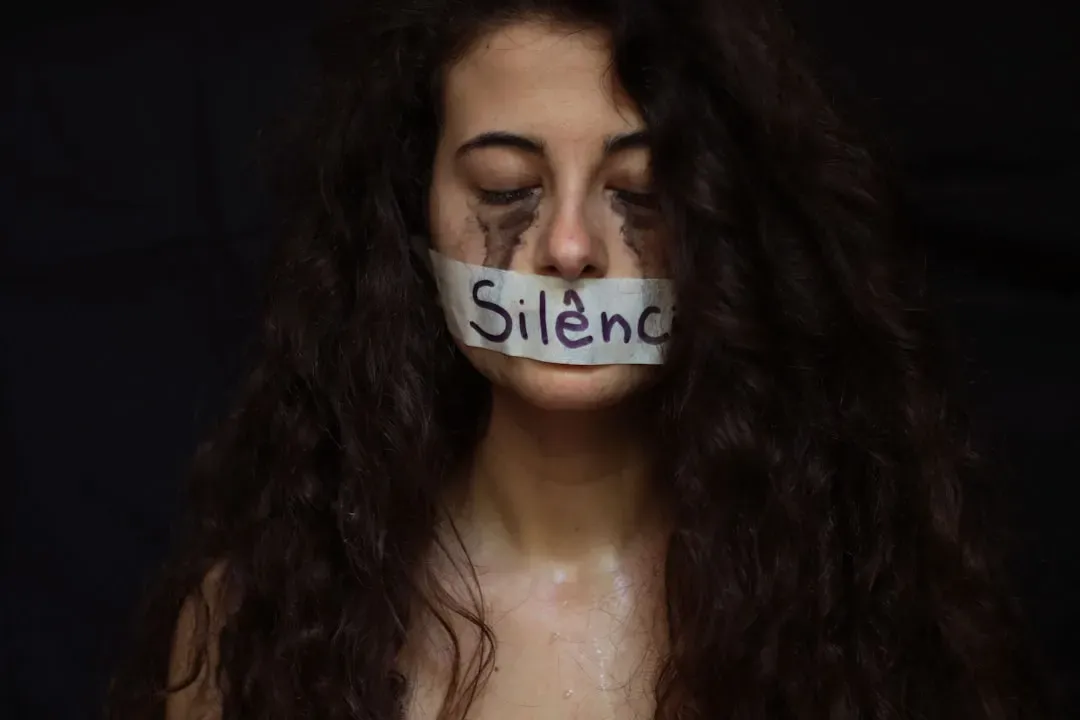
Stepping away from a heated argument to calm down is healthy. Deliberately going silent for days as a way to punish or pressure a partner is something else entirely, though the two can look deceptively similar from the outside. Stonewalling is considered a type of psychologically abusive behavior, often falling under the passive-aggressive category, and involves entirely shutting down emotionally during conflicts, leaving the other person feeling unheard, invalidated, and worthless.
Stonewalling is a passive-aggressive form of influence that subtly forces the other partner to submit or change their stance to restore communication, implicitly pressuring the affected partner into compromising their needs and desires to regain a sense of normalcy. The silent treatment can have profound psychological effects on the recipient, with research finding that being ostracised, even for short periods, can lead to feelings of worthlessness, low self-esteem, and helplessness. Calling this dynamic "space" allows one partner to avoid accountability while the other quietly absorbs the damage.
3. Mistaking Love Bombing for Genuine Intensity

3. Mistaking Love Bombing for Genuine Intensity (Image Credits: Unsplash)
The early stage of a relationship can feel electrifying. When someone showers you with constant attention, declarations of love within days, and grand gestures that feel almost cinematic, it's easy to read that as rare, real connection. Love bombing tends to feel one-sided, with one partner showering the other with gifts, praise, and declarations of love, and moves at a pace where one partner feels overwhelmed or caught up in a whirlwind. The intensity, in other words, isn't shared. It's directed.
Love bombing can create significant psychological confusion and trauma, with victims often experiencing emotional whiplash, self-doubt, and difficulty trusting their own perceptions. The intense early attention followed by manipulation can lead to anxiety, depression, and attachment issues that may persist long after the relationship ends. After an early period of affection and attention, love bombers will typically start to engage in more openly aggressive and harmful tactics, such as withdrawing affection when angry, attempting to control behavior, or berating the other person for small mistakes, a period often referred to as devaluation.
4. Accepting Isolation as a Sign of Devotion
4. Accepting Isolation as a Sign of Devotion (Image Credits: Pexels)
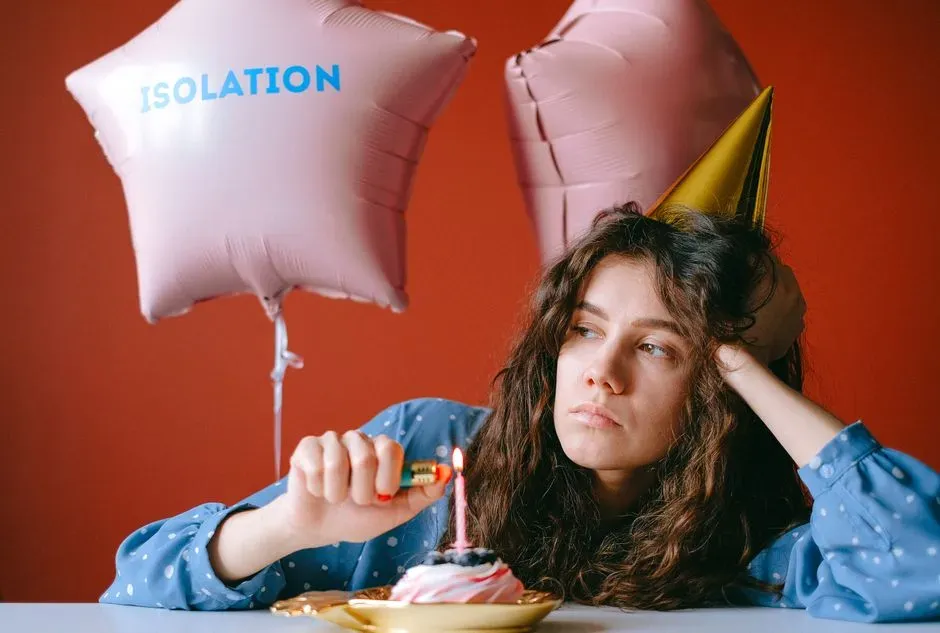
It can start gently enough. A partner gets quiet when you make plans with friends. They "need you" on evenings you had something scheduled. They express mild hurt when you want time for yourself. Isolation happens when one partner deliberately distances the other from friends and family, and it often begins subtly, seeming caring or romantic at first, before shifting into control and leaving you without support.
A partner may slowly try to isolate someone from friends and family, and the more isolated a person becomes, the more they rely on that partner, giving that person more power and control. By this point, many people have already distanced themselves from friends and family. The isolation that felt romantic at first leaves them without their usual support system when they need it most. What read as closeness was actually a shrinking of the world, one cancelled plan at a time.
5. Keeping Score as a Form of Accountability

5. Keeping Score as a Form of Accountability (Image Credits: Unsplash)
Most couples have experienced it: past mistakes getting resurfaced mid-argument, old grievances used to win a current disagreement, a quiet mental tally of who owes whom what. It can feel like fairness, even justifiable self-protection. The "keeping score" phenomenon is when someone in a relationship continues to blame a partner for past mistakes, and when both people do this, it devolves into what might be called a relationship scorecard, where the relationship becomes a battle to see who has screwed up most.
Research from The Gottman Institute reveals that behaviors like contempt, criticism, defensiveness, and stonewalling are key indicators of a troubled relationship, leading to breakdowns in trust and communication. Keeping score feeds directly into these patterns. It is the smaller behaviors that can create devastating effects on a relationship, and over time, both big and small behaviors can lead to significant damage. The problem isn't that past pain is invalid. The problem is when that pain becomes a weapon instead of a conversation.
These five moments share something in common: they were all, at some point, easy to explain away. The jealousy felt like passion. The silence felt like distance, not punishment. The intensity felt like fate. Recognizing these patterns isn't about assigning blame or retroactively rewriting a relationship's history. It's simply about seeing things more clearly now than we could then. That clarity, even arriving late, still counts for something.