
Something has quietly shifted in how Americans decide where to put down roots. For decades, families followed jobs, good schools, and affordable housing. Those things still matter, of course. But a new variable has entered the equation, one that would have seemed unusual to most people just a generation ago: climate risk. Wildfires scorching entire neighborhoods in California, hurricanes battering the Gulf Coast with increasing ferocity, and extreme heat making once-comfortable cities feel unlivable are pushing more households to reconsider where they want to spend the next twenty or thirty years.
Recent studies show that climate change is driving roughly three in ten Americans to consider relocating. The destinations they are eyeing tend not to be the obvious ones. Instead, climate haven cities are mainly located in the Midwest and along the northern border of the United States, places where the climate is more continental with lower summer temperatures, and which are inland enough to avoid the direct consequences of rising sea levels and more intense ocean storms. The five cities below have each, in their own way, emerged as genuine magnets for families rethinking their geography.
Buffalo, New York: The Comeback City on Lake Erie
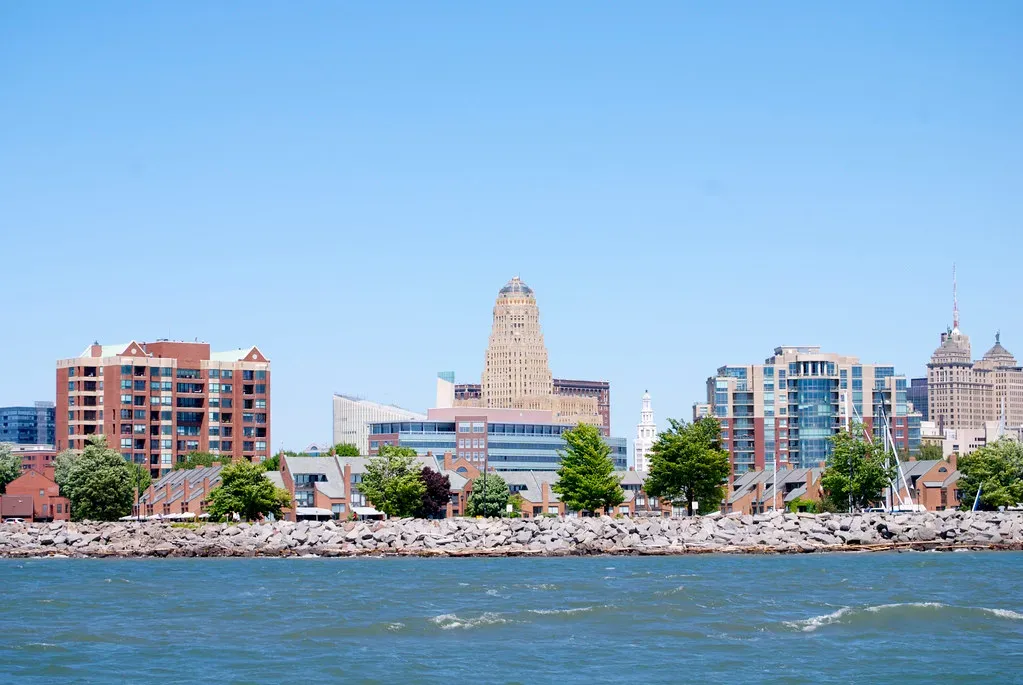
Buffalo, New York: The Comeback City on Lake Erie (nick.amoscato, Flickr, <a href="https://creativecommons.org/licenses/by/2.0/" target="_blank" rel="noopener">CC BY 2.0</a>)
Buffalo made national headlines in recent years for one hugely significant reason: it became the last large city in the U.S. Lower 48 to have never reached 100 degrees Fahrenheit. That detail, modest as it sounds, has become a genuine selling point. Buffalo residents and leaders are reveling in the idea that their weather "is going from punchline to lifeline," and climate-conscious families are starting to listen.
Buffalo sits on the shores of Lake Erie, which provides the city with water security and a much smaller likelihood of intense droughts. A geography professor at Buffalo State University who researches climate trends in Western New York studied the city's climate data over fifty years and found that conditions in Buffalo respond to climate change far slower than in other parts of the country. The influx of new residents already contributed to Buffalo's first population growth in seventy years, as recorded in the 2020 census.
Duluth, Minnesota: The Air-Conditioned City on Lake Superior
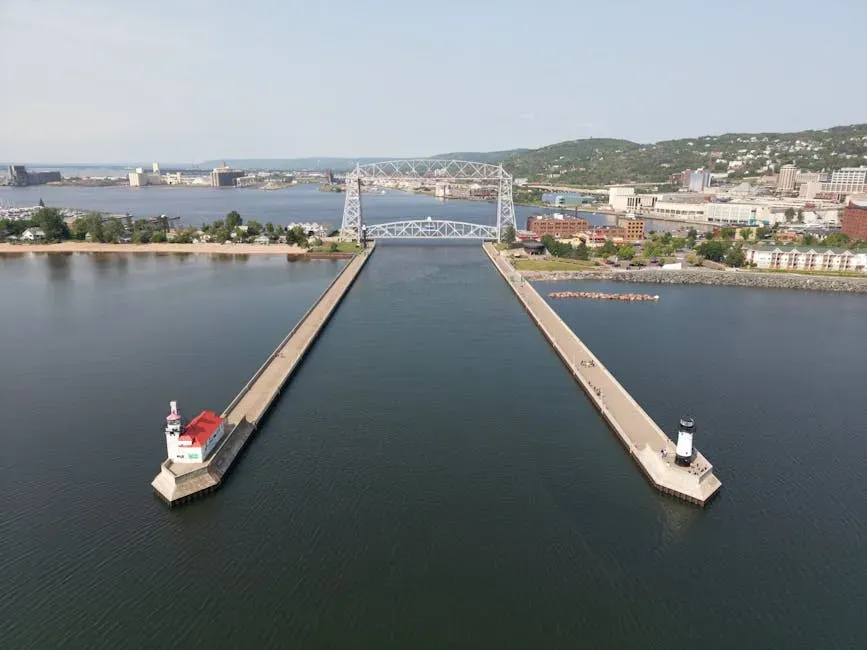
Duluth, Minnesota: The Air-Conditioned City on Lake Superior (Image Credits: Pexels)
One of Duluth's most appealing draws is its mild summers, a consequence of the cool breeze blowing in from frigid Lake Superior, which has earned the northern Minnesota city a reputation as "the air conditioned city." Duluth sits at the western point of Lake Superior, which is among the largest freshwater lakes in the world, containing about ten percent of the world's accessible freshwater. For families fleeing drought-prone regions in the Southwest or wildfire corridors in the West, that water security alone is a compelling reason to look north.
In 2019, after conducting a statistical analysis of U.S. cities that included cost of living, relative vulnerability to climate-related disasters, availability of diverse housing stock, and natural resource availability, researcher Jesse Keenan began discussing Duluth as one of the most climate-friendly places in the United States. Like other Rust Belt cities, Duluth has available and affordable housing stock. According to the mayor's office, the city was built for 130,000 people, but the population is now only about 86,000, meaning there is genuine room to grow. That combination of natural assets and physical space for newcomers is difficult to find anywhere else in the country.
Madison, Wisconsin: University Town with a Serious Climate Strategy
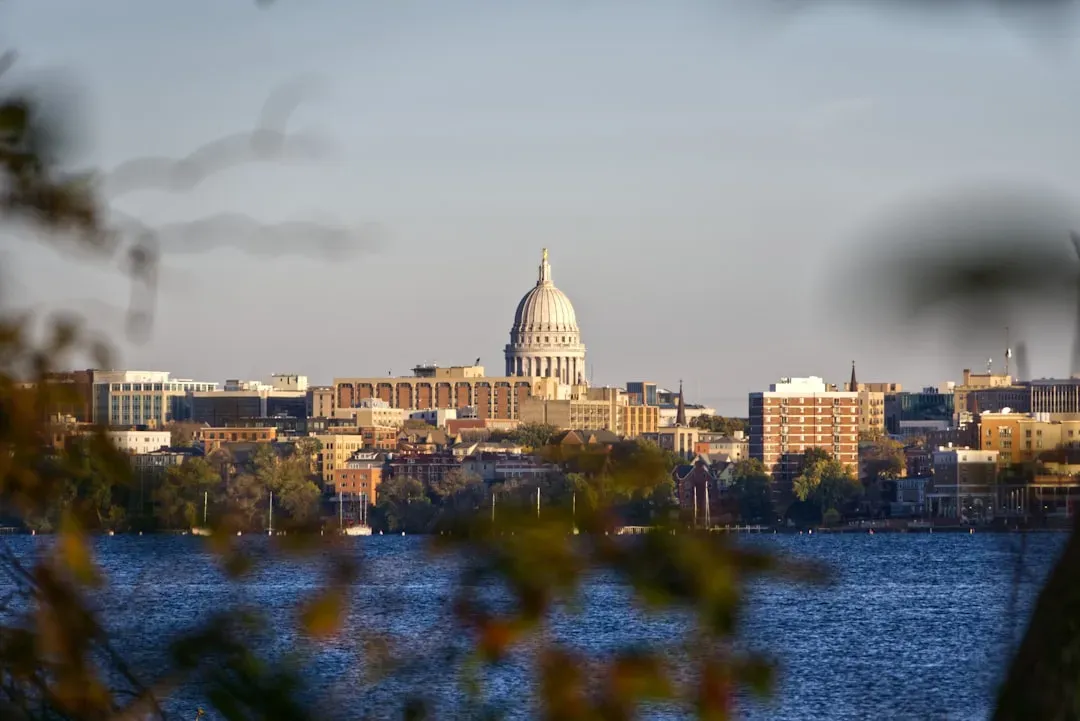
Madison, Wisconsin: University Town with a Serious Climate Strategy (Image Credits: Unsplash)
The Great Lakes are at the center of Madison's claim to climate haven status. The massive waterways help keep temperatures down while also providing the region with plenty of moisture, which can prevent wildfires. Madison's city council voted unanimously to adopt its 2024 Sustainability Plan, which aims to cut climate pollution and improve residents' well-being through 24 goals spanning quality housing, resilient infrastructure, renewable energy, sustainable transportation, clean water, zero waste, healthy ecosystems, and a green economy.
Madison's lakes, bike paths, and renewable energy programs create a resilient urban ecosystem that is genuinely hard to replicate in a Sunbelt city facing triple-digit summers. Community-wide greenhouse gas emissions in Madison dropped by more than eight percent between 2018 and 2022, signaling that the city's commitment to sustainability goes well beyond branding. Families moving here tend to find a place that takes long-term livability seriously, with the University of Wisconsin system anchoring a culture of research-driven planning.
Ann Arbor, Michigan: Where Climate Planning Meets Great Lakes Access
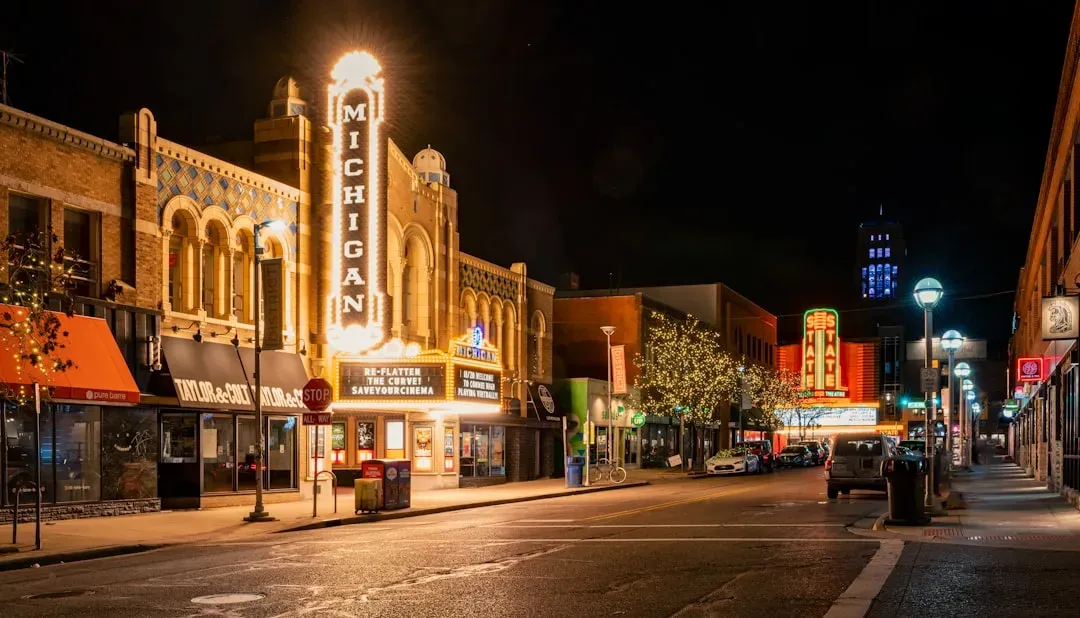
Ann Arbor, Michigan: Where Climate Planning Meets Great Lakes Access (Image Credits: Unsplash)
Ann Arbor and other cities across the Midwest and Northeast have been referred to by climate specialists as "climate havens," natural areas of refuge that are relatively safe from extreme weather events such as intense heat and tropical storms. Voters in Ann Arbor approved a dedicated tax for community climate action through 2043, which funds city investments in renewable energy, electric vehicle chargers, rain gardens, and cycling infrastructure. That kind of direct civic investment signals that residents are not just hoping for the best.
Ann Arbor's A2Zero plan targets carbon neutrality by 2030, and the city's proximity to the Great Lakes along with its deep academic innovation ecosystem make it one of the most forward-thinking climate havens in the United States. Many of these Great Lakes cities are already welcoming climate migrants, due to their relatively affordable housing and other infrastructure left over from the industrial boom of the mid-twentieth century. For families leaving smoke-choked Pacific Coast cities, Ann Arbor's combination of university-town amenities and natural resilience carries real appeal.
Burlington, Vermont: A Small City with the Strongest Climate Credentials
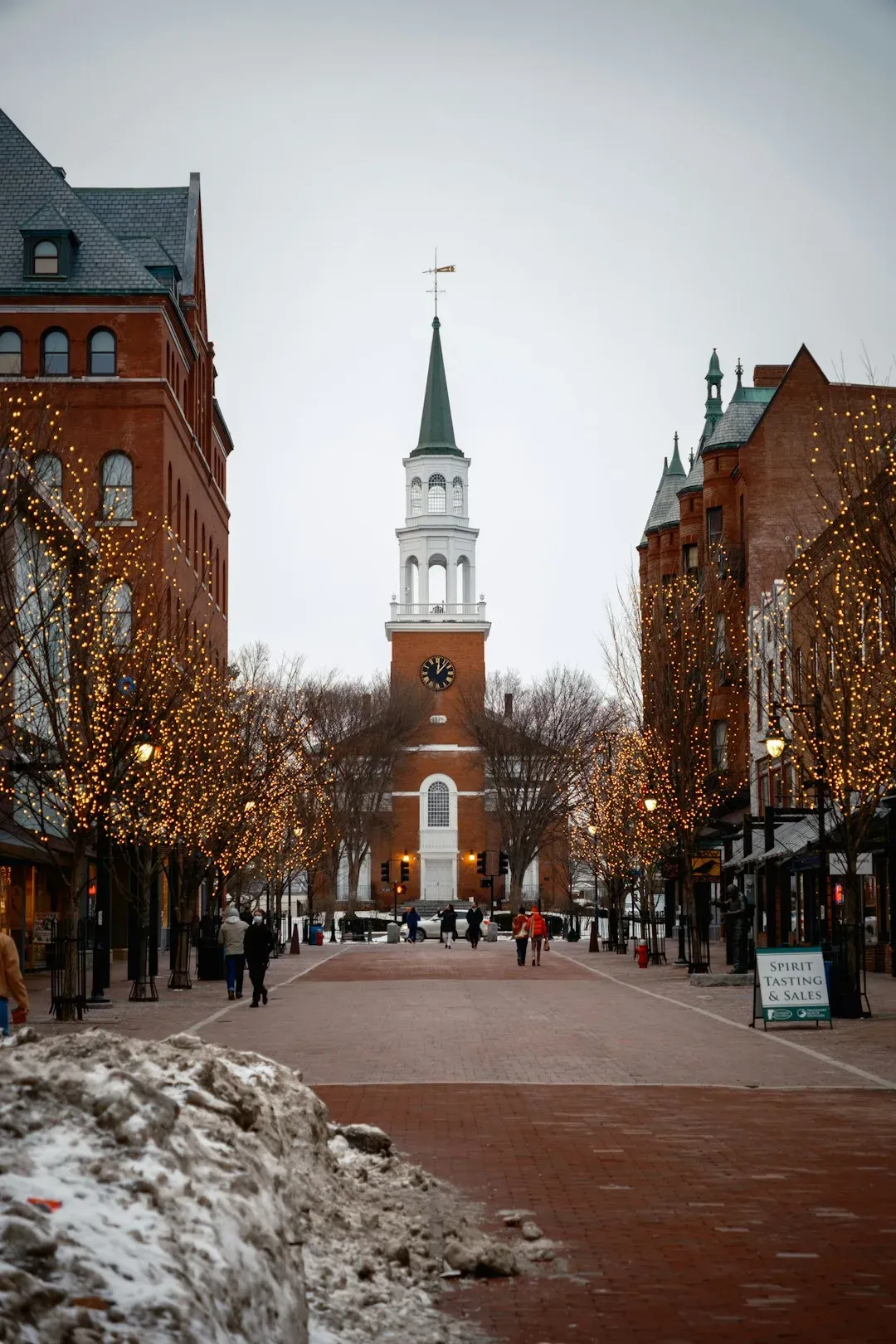
Burlington, Vermont: A Small City with the Strongest Climate Credentials (Image Credits: Unsplash)
The Northeast offers strong prospects for climate resilience, with Vermont and New Hampshire ranking as the two safest states from climate change. Vermont stands out as a haven, largely free from wildfires, extreme heat, and hurricanes. Vermont is the best state for climate change thanks to a climate profile that, for the most part, avoids extremes. Since 1953, it has experienced only 45 federally declared natural disasters and is rated the least vulnerable state for climate risk.
Vermont's appeal is so strong that roughly one-third of its new residents moved there specifically to escape the impacts of climate change. Burlington, as the state's largest city, absorbs much of that incoming population. Cities referred to as "climate havens" are located in areas less likely to suffer from extreme weather events and are designed in such a way that they could welcome more residents, and Burlington fits both criteria well. It's worth noting, as honest observers do, that no city is fully immune. Vermont experienced devastating flooding in 2023, a reminder that resilience is built through planning and preparation, not just favorable geography.
What connects all five of these cities is not perfection. None of them offer a guarantee against every future weather event. What they share instead is a combination of freshwater security, inland geography buffered from coastal threats, cooler baseline temperatures, and, in most cases, genuine political will to plan ahead. A climate haven is a city or region projected to experience fewer and less severe impacts from climate change compared to other parts of the country. These locations combine favorable geography, stable weather patterns, and strong social and economic systems. While no place is entirely immune to climate disruption, climate havens are expected to remain habitable, resource-secure, and economically viable even as conditions intensify elsewhere. For families weighing their next move, that calculus is becoming harder to ignore.